
Filters
Level
Grade
Subject
Subject Area
Subject Topic
Standard(s)
Audience
Keyword
DurationMinutes
Kindergarten Lesson Plans

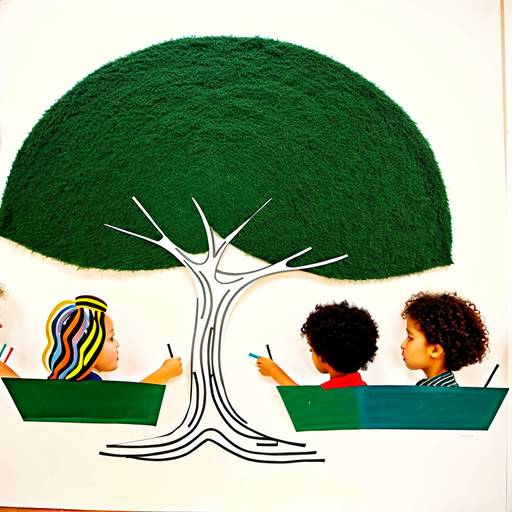
In this Kindergarten art lesson, students will explore basic art techniques through drawing inspired by nature. The session begins with a discussion to enhance observation skills, prompting students to identify lines and shapes in natural objects. Following this, the teacher demonstrates how to create simple drawings using basic shapes and lines. Students will then engage in a hands-on activity, either outdoors or with available nature objects, to create their own artwork incorporating these elements. The lesson concludes with a sharing session, where students present their creations and reflect on what they have learned. Assessment will focus on their ability to utilize lines and shapes in their drawings and their engagement during discussions. Extensions like adding texture to their artworks are also included to encourage creativity. The lesson aims to foster artistic expression and promote a supportive art community among students.

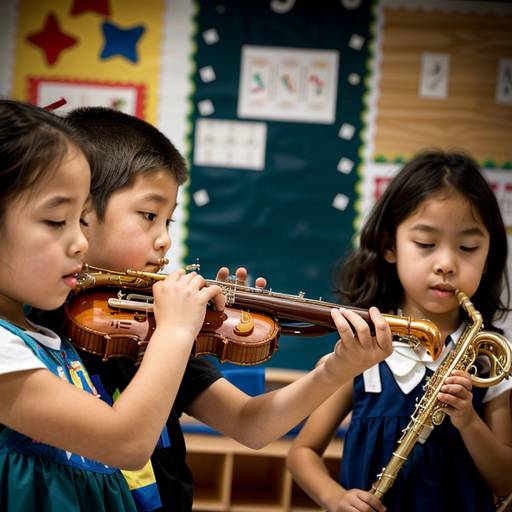
In this Kindergarten music lesson, students will explore the world of woodwind instruments through a variety of engaging activities. The lesson begins with an introduction to different woodwind instruments using pictures and sound clips, encouraging students to share their experiences and preferences. Next, students will participate in a listening activity where they identify sounds and movements inspired by each instrument, showcasing their creativity through movement exercises with colorful scarves.
The lesson includes a hands-on craft activity where students create their own simple woodwind instruments using paper straws, allowing them to experiment with producing sounds and different pitches. To wrap up, the class will engage in a discussion to reflect on their favorites and what they learned throughout the lesson. Overall, the plan aims to promote an understanding of music and rhythm while fostering creativity and collaborative learning among students.

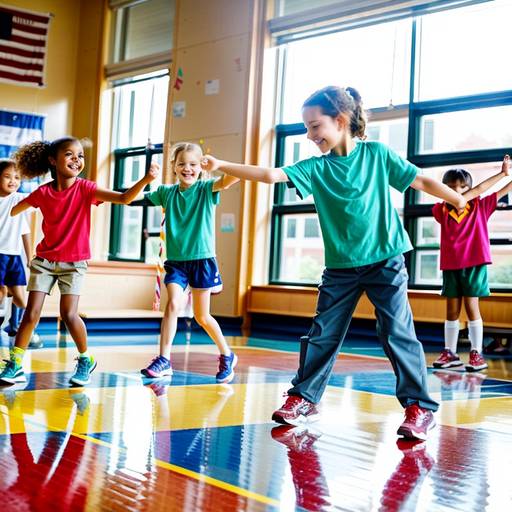
In this kindergarten physical education lesson, students will focus on developing coordination and balance through a series of engaging activities. The lesson begins with a brief discussion about the importance of these skills in daily life, followed by a warm-up that incorporates animal movements to activate their muscles.
Students will then participate in three activity stations: hula hoop balancing, a bean bag toss targeting cones, and walking across balance beams or marked lines to practice their balance. Next, they will engage in a group challenge called "Balance Parade," where they will perform various coordination tasks while walking in line. The lesson concludes with a cool-down session and an open reflection where students can share their experiences and insights about the activities.
Throughout the lesson, students will be encouraged to participate actively and communicate with their peers, fostering teamwork and confidence while enhancing their physical skills. Modifications will be provided for those needing extra support, and safety measures will be implemented to ensure a safe and enjoyable experience.
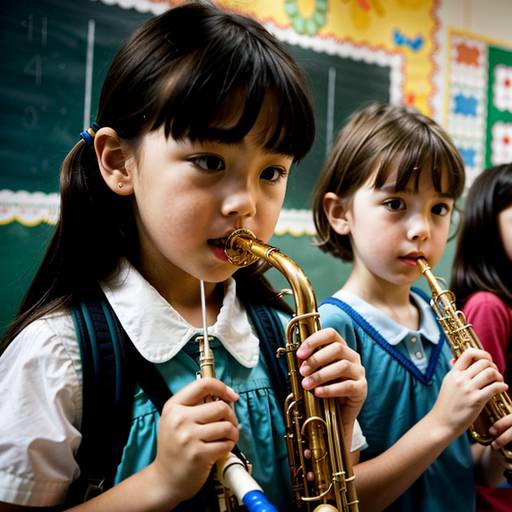
In this Kindergarten music lesson, students will explore the fascinating world of woodwind instruments. The session begins with an engaging discussion about music and an introduction to different woodwind instruments, including the flute, clarinet, saxophone, oboe, and bassoon. Students will listen to recorded music showcasing these instruments, fostering an appreciation for their unique sounds.
Following this, the children will participate in a movement activity where they represent their chosen woodwind instrument through body movements and sound, creating a lively “woodwind orchestra.” Using scarves or ribbons, they will express musical notes visually as they listen to woodwind recordings, enhancing their understanding of rhythm and dynamics.
Finally, the lesson concludes with a group discussion and a take-home coloring sheet featuring woodwind instruments. Throughout the activities, students will develop their listening skills, creativity, and ability to identify different woodwind instruments while enjoying a fun and interactive experience.
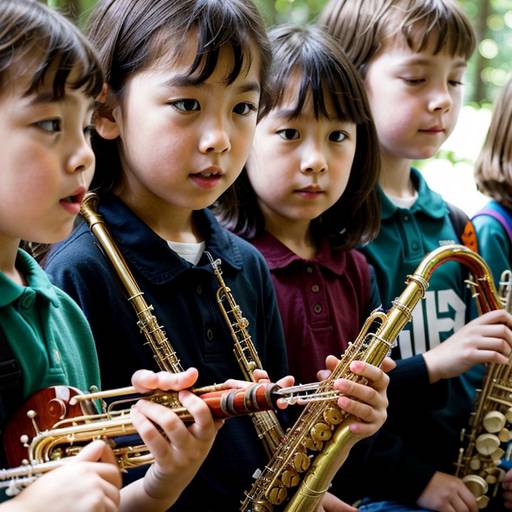
This Kindergarten music lesson plan introduces students to woodwind instruments and their distinct sounds. It begins with a discussion about what woodwind instruments are, accompanied by visuals and audio clips to help students recognize each instrument. Following this, students participate in a listening activity where they share their feelings about different pieces of woodwind music.
The lesson encourages movement through a creative activity where students mimic the sounds of various woodwinds with their bodies. They also get hands-on experience by exploring simple instruments like recorders, learning how to produce sounds and different pitches.
To further engage their creativity, students create their own paper woodwind instruments using craft materials, allowing for personalized expression. The lesson concludes with a group activity reflecting on what they learned and a collective sing-along related to themes of wind or breath. Assessment is based on observation of participation and understanding during discussions and activities, promoting an enjoyable and interactive approach to music education.

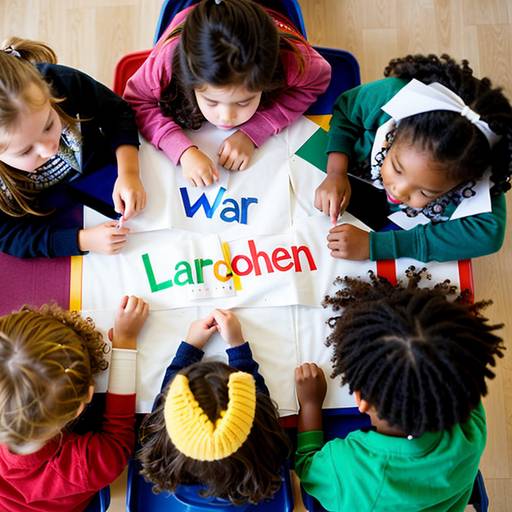
In this kindergarten language arts lesson, students will enhance their vocabulary by exploring new words related to nature, such as tree, flower, sun, and bird. The lesson begins with an engaging discussion about gardens, linking the concept to vocabulary growth. Students will actively participate in defining and discussing the words, sharing personal experiences to deepen their understanding.
Through a creative crafting activity, each student will create a "Word Garden" by decorating a paper cup as a plant pot filled with construction paper soil and seed cutouts. They will also complete a worksheet, illustrating one vocabulary word and writing it beneath their drawing. The lesson concludes with a review of the vocabulary words to reinforce learning, encouraging students to think about how to incorporate these words into their daily conversations. Observations of student participation and the evaluation of their worksheets will serve as assessment tools for understanding and creativity. Extension activities will further foster vocabulary development throughout the year.
This Kindergarten Language Arts lesson focuses on expanding students' vocabulary through engaging activities and interactive learning. The lesson begins with an introduction to new vocabulary words, where students learn to recognize and understand the meanings of each word using picture cards. A story featuring these vocabulary words is then read aloud, allowing students to see the words in context.
Following the reading, students participate in a collaborative group activity where they create a vocabulary chart, illustrating the words with their own drawings. This visual reinforcement helps cement their understanding. The lesson also includes a matching game that encourages teamwork and discussion as students pair vocabulary words with corresponding pictures.
To conclude, the class reviews the vocabulary words and encourages students to use them in sentences, reinforcing their ability to communicate effectively. Informal assessments throughout the lesson provide insight into students' learning and understanding, with differentiated support available for those who may need it. Overall, this lesson promotes active engagement and a fun approach to language learning.
In this Kindergarten Language Arts lesson, students will embark on an engaging reading experience designed to enhance their understanding of story elements. The class will begin with a read-aloud of a carefully selected picture book, during which students will be encouraged to predict and discuss plot developments. Following the reading, a discussion will focus on identifying key components of the story, including characters, setting, and plot, with responses recorded on chart paper for visual reinforcement.
Students will then participate in a creative activity where they will illustrate their favorite part of the story, choosing to focus on one of the elements discussed. This drawing exercise not only allows for artistic expression but also reinforces their comprehension of the material. In closing, students will have the opportunity to share their drawings with peers, fostering a sense of community and deeper connection with the text. Assessment will be based on observation during discussions and the quality of their completed graphic organizers. Extensions will be provided for more advanced students, offering additional reading opportunities. Overall, this lesson is designed to cultivate early literacy skills through interactive and imaginative learning experiences.