
Filters
Level
Grade
Subject
Subject Area
Subject Topic
Standard(s)
Audience
Keyword
DurationMinutes
Kindergarten Lesson Plans

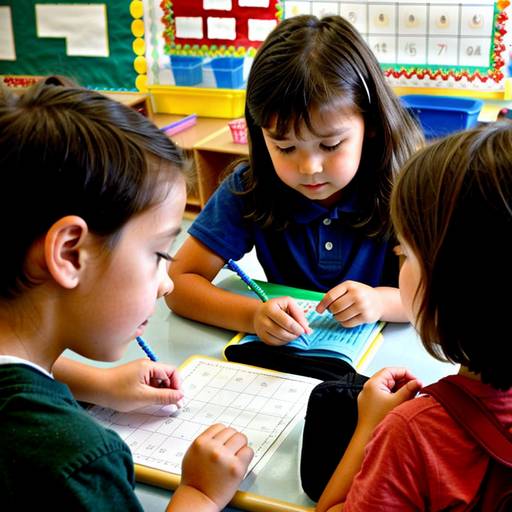
In this kindergarten math lesson, students will explore the concept of addition using single-digit numbers in an engaging and interactive way. The lesson begins with an introduction to addition, where students are encouraged to share their understanding and experiences with adding. Following a direct instruction segment, the teacher demonstrates addition using visuals and manipulatives, such as animal cut-outs.
Students then participate in guided practice by creating their own addition problems in pairs and sharing them with the class. For independent practice, they will complete worksheets featuring images of animals, which reinforces their counting and addition skills. The lesson concludes with a group discussion to review their learning and a fun song to celebrate their understanding of addition.
Assessment will be conducted through observation during activities and by reviewing completed worksheets, ensuring a comprehensive grasp of the concepts taught. Adaptations are available for both advanced learners and those needing additional support, ensuring that all students can engage with the material meaningfully.

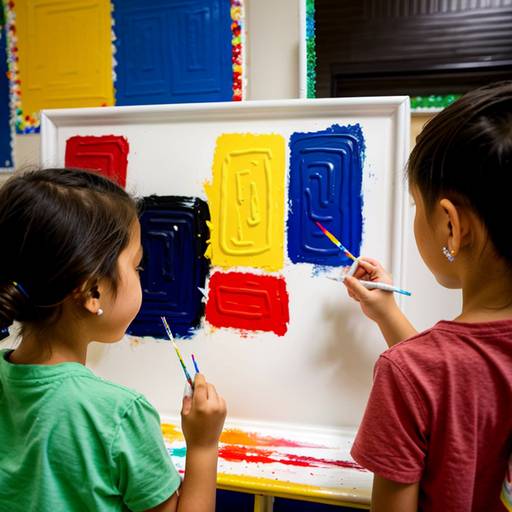
In this Kindergarten art lesson, students will embark on an engaging exploration of painting techniques and color mixing. The lesson begins with a discussion about primary colors and how they can be combined to create secondary colors. After a demonstration showcasing various techniques, such as sponge painting and brush strokes, students will have the opportunity to create their own artwork using washable tempera paints. They will experiment with different colors and textures, allowing for individual creativity to shine. As the class concludes, students will share their creations with their peers, discussing their techniques and color choices. This lesson not only fosters artistic expression but also reinforces foundational concepts in color theory and experimentation. Extension activities will encourage continual artistic development beyond the initial project.

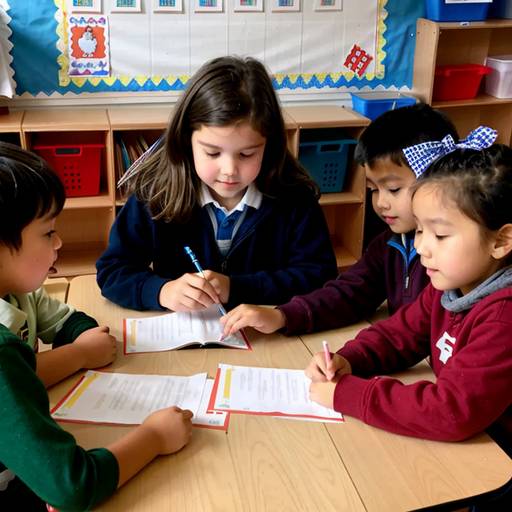
In this kindergarten Language Arts lesson, students will engage in creative writing by crafting their own short stories. The lesson begins with a read-aloud of a story featuring a quest, followed by a discussion that sparks imagination and helps students identify story elements such as beginning, middle, and end. Students will use a structured story template to outline their narratives and then illustrate their tales on separate sheets of paper.
After planning, they will write out their stories using inventive spelling and colorful drawings. The lesson concludes with a “story circle,” where students share their creations with peers, fostering communication and feedback skills. Assessment will focus on participation, story structure, and creativity in both writing and illustrations. Extensions include compiling students' stories into a class book and acting out their narratives, promoting a collaborative and joyful writing experience. Modifications will be available to support diverse learners.

In this kindergarten science lesson, students will explore the basic needs of animals, focusing on how these needs vary across different species. The class will begin with an interactive discussion, where students identify animals and share their thoughts on what those animals require to survive, such as food, water, and shelter. Through a mini-lecture, they will learn about the specific needs of various animals while viewing images that depict these needs in their natural habitats.
Students will engage in a hands-on activity by completing an Animal Needs Worksheet to match animals with their necessities. Following this, they will express their creativity by crafting their own imaginary animal and its environment, highlighting how it meets its needs. The lesson will conclude with a group reflection on the importance of meeting these needs and a storytime session to reinforce the concepts learned. Teachers will assess understanding through observation and review of students' worksheets and craft projects. Extension activities may include a nature walk for real-world observations and showcasing student creations in the classroom.

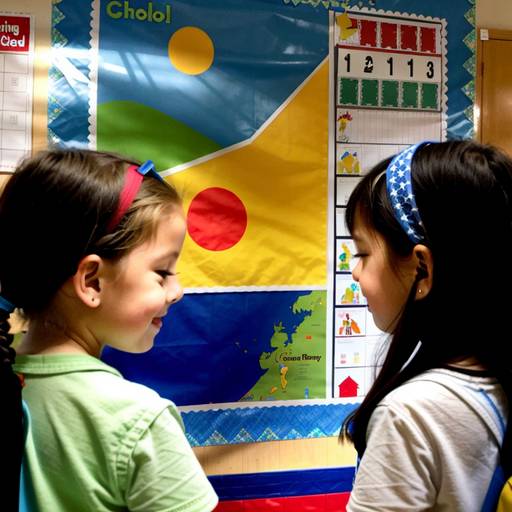
In this Kindergarten social studies lesson, students will explore the concept of maps and their significance in understanding geography. The lesson begins with an introduction to maps using a world map and globe, where students discuss their familiarity with maps and their uses. Different types of maps, such as neighborhood and park maps, will be showcased, highlighting features like symbols and legends.
Students will engage in a story that involves navigation and maps, reinforcing the lesson's theme. The core activity involves each student creating their own map of either their classroom or a part of their neighborhood, incorporating important features and imaginative symbols. They will have the opportunity to share their creations with peers, fostering a collaborative environment.
The lesson will conclude with a recap of the key concepts learned, encouraging students to think about other contexts where maps can be useful. Assessment will be based on observations during the map-making activity and participation in discussions. Extensions may include planning a field trip and incorporating basic compass directions to deepen their understanding of navigation. Overall, this lesson promotes creativity, spatial awareness, and teamwork while providing foundational knowledge of geography and mapping.
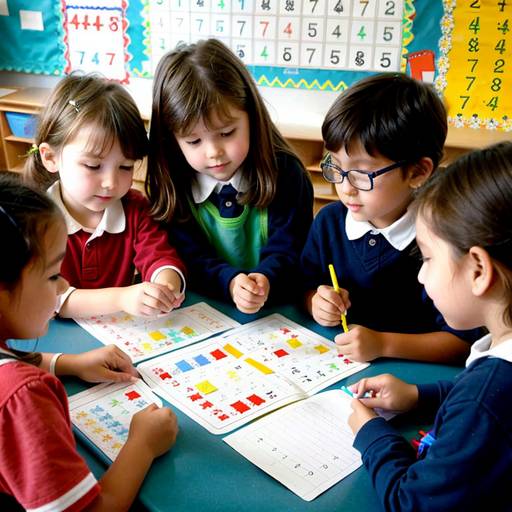
This Kindergarten math lesson focuses on introducing students to the concept of addition with single-digit numbers. The lesson aims to enhance students' understanding and application of addition through engaging activities and hands-on experiences.
The session begins with an engaging story or song about counting to capture students' attention and generates excitement around numbers. During direct instruction, the teacher visually demonstrates addition using drawings and counting manipulatives, allowing students to see the concept in action.
In guided practice, students work with flashcards and participate in small group activities, creating their own addition problems and presenting them to the class. For independent practice, students complete worksheets containing various single-digit addition problems, using manipulatives to assist them if needed.
The lesson concludes with a review of key concepts and a celebration of students' efforts through stickers or stamps. Throughout the lesson, the teacher assesses understanding through observation and worksheet reviews, providing adaptations for different learning needs. Overall, this engaging lesson fosters foundational math skills in a creative and interactive learning environment.
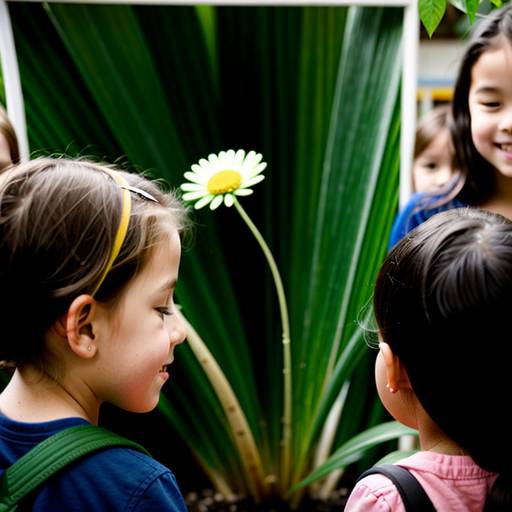
In this kindergarten life science lesson, students will explore the world of plants, focusing on their basic needs and parts. The lesson begins with a read-aloud of a picture book about plants, prompting discussion about what plants require to grow. Educators will teach students about the essential parts of a plant—roots, stems, leaves, flowers, and seeds—using visual aids to enhance understanding.
Following the introduction, students will participate in a hands-on activity where they plant seeds in pots, learning about soil, water, and sunlight requirements. Each group will decorate their pots and discuss what they planted and one fact they learned about plants. The lesson concludes with a classroom growth chart where students can track their plants' progress over the coming weeks.
Assessment will be based on student participation in discussions and their ability to identify plant parts and needs. To extend learning, students may keep science journals to document their plants’ growth. Overall, this lesson aims to foster curiosity about plants and their life cycles while encouraging hands-on interaction and teamwork.

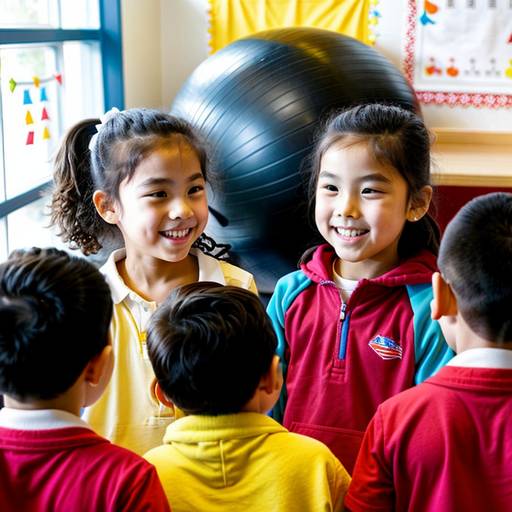
This kindergarten physical education lesson focuses on enhancing students' coordination and balance through engaging, interactive activities. The session begins with a warm-up featuring fun animal movements to prepare the students for physical activity. Students then rotate through five dynamic stations, including hula hoop hops, foam beam walking, pool noodle balancing, an obstacle course, and a bean bag toss, which collectively promote skill development in a playful manner. The lesson wraps up with a cool-down that includes stretching and a group reflection, allowing students to share their experiences and feelings about the activities. Throughout the lesson, educators will observe student engagement and provide positive reinforcement, ensuring a safe and supportive environment that encourages teamwork and a love for movement.
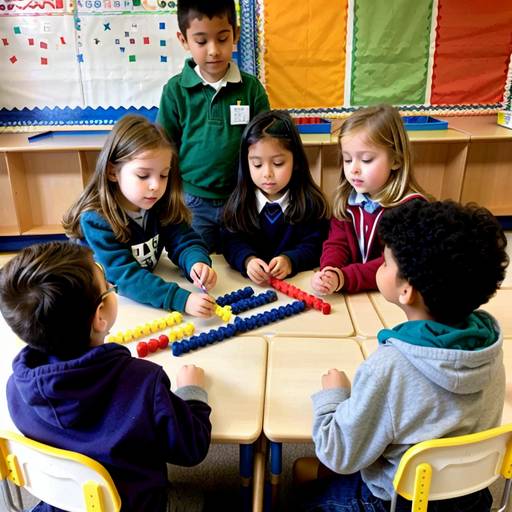
In this kindergarten math lesson, students are introduced to the concepts of measurement and time through engaging, hands-on activities. The lesson begins with a discussion on measurement, where students estimate the lengths of classroom objects and measure them using pieces of yarn as non-standard units. In pairs, they record their findings and share results with the class, fostering teamwork and communication skills.
Next, the lesson transitions to telling time. Students learn about the parts of a clock using a large analog clock and a digital clock poster. They create their own paper plate clocks, labeling the hours and practicing moving the hands to represent different times called out by the teacher.
The lesson concludes with a review of key concepts and a reflection segment where students share their learning experiences. An interactive song reinforces the material, ensuring that students understand both measurement and time by the end of the lesson. Assessment occurs through observation during activities and by checking their understanding of time on their crafted clocks. Extensions for advanced learners involve exploring basic weight concepts. Overall, the lesson provides a fun and interactive way for kindergarteners to grasp foundational math skills.
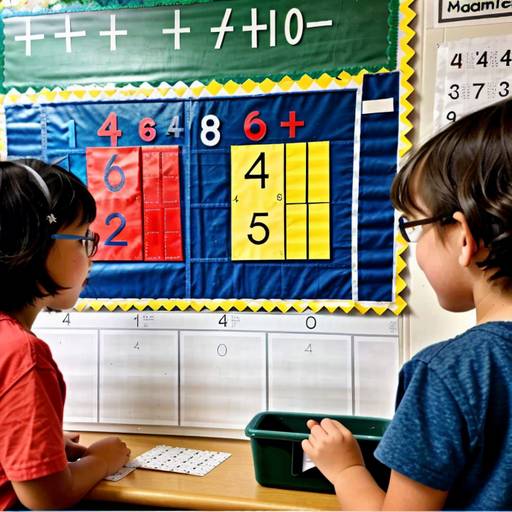
In this kindergarten math lesson, students will explore the concept of addition using a number line as a visual tool. The lesson begins with an engaging introduction where students discuss what addition means and learn about the structured layout of the number line.
Through direct instruction, the teacher demonstrates a simple addition problem, guiding students through the process of finding numbers and making jumps to illustrate addition visually. During guided practice, students will actively participate by selecting number cards and working with partners to create their own addition problems, using the floor number line to demonstrate their results through physical movement.
Independent practice allows students to solidify their understanding by completing worksheets that involve drawing jumps on a number line for given addition problems. The lesson concludes with a recap of key concepts and sharing of experiences, reinforcing learning through group discussion and celebration of participation with rewards.
Throughout the lesson, the teacher will assess student understanding through observation and worksheet completion, ensuring that all learners receive the support they need, with modifications available for diverse learning needs. Follow-up activities will further extend their grasp of addition and encourage creative expression.