
Filters
Level
Grade
Subject
Subject Area
Subject Topic
Standard(s)
Audience
Keyword
DurationMinutes
Kindergarten Lesson Plans

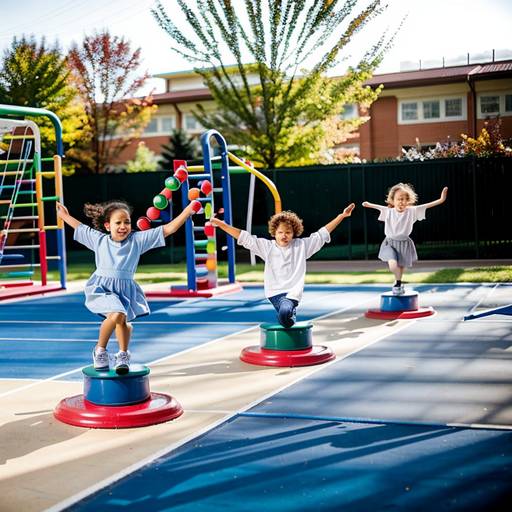
This Kindergarten Physical Education lesson focuses on developing coordination and balance skills through engaging activities. The session begins with a fun, movement-based warm-up where students follow a leader in a dance, promoting creativity and physical engagement. After the warm-up, students participate in walking exercises on balance beams, where they practice maintaining balance and attempting different movements, such as walking backwards or sideways.
The lesson continues with an obstacle course designed to challenge students' coordination skills. They navigate a series of tasks involving hula hoops and cones, allowing them to practice hopping, weaving, and sprinting. Students are divided into small groups, taking turns to complete the course while encouraging each other, and their times are recorded to promote a sense of achievement.
The session concludes with a cool-down period that includes gentle stretching and a reflective discussion, where students can express what they enjoyed and learned about balance and coordination. The lesson emphasizes safety and includes adaptations for students requiring additional support, ensuring an inclusive environment for all participants.
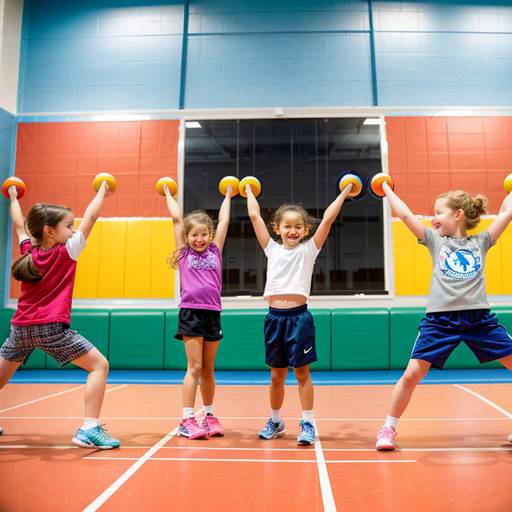
This Kindergarten Physical Education lesson plan focuses on introducing students to fundamental movement skills through engaging activities related to sports and gymnastics. The lesson begins with a warm-up session featuring fun exercises to energize the children. Students then rotate through four activity stations: Hula Hoop Hops, Balance Beam Walk, Creative Gymnastics Movement, and Target Toss, promoting skills such as hopping, balancing, and teamwork. After engaging in these activities, students cool down with deep breathing and gentle stretches. The lesson concludes with a group discussion to reflect on their experiences and emphasize the importance of being active in a fun and supportive environment. Overall, the plan aims to foster physical literacy and encourage cooperation among young learners.
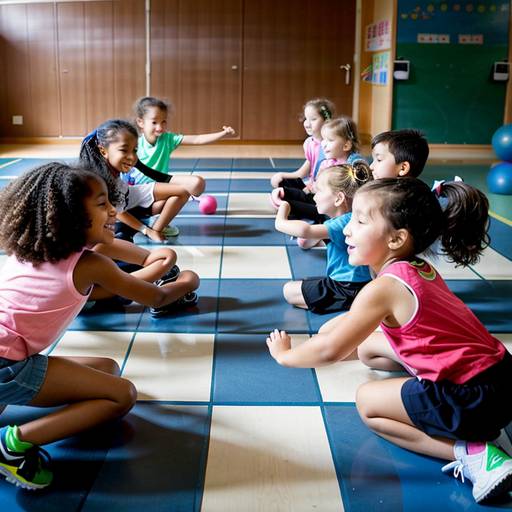
This kindergarten physical education lesson focuses on fostering understanding and appreciation for fitness and flexibility. Students begin by discussing the importance of being fit and flexible, followed by a fun warm-up that includes jumping jacks and simple stretches. The lesson then transitions into stretching stations where small groups practice various stretches, such as the butterfly stretch and side stretch, rotating through multiple activities to enhance flexibility.
Next, students engage in a lively obstacle course using cones, hula hoops, and balls or beanbags, promoting physical fitness through playful movement. The session concludes with a cool-down period where students perform seated stretches and reflect on their favorite activities, reinforcing the benefits of being active. Throughout the lesson, emphasis is placed on participation, enjoyment, and the importance of physical health, with adaptations available for diverse needs. Overall, the lesson aims to instill a love for movement and a foundation for lifelong fitness habits.

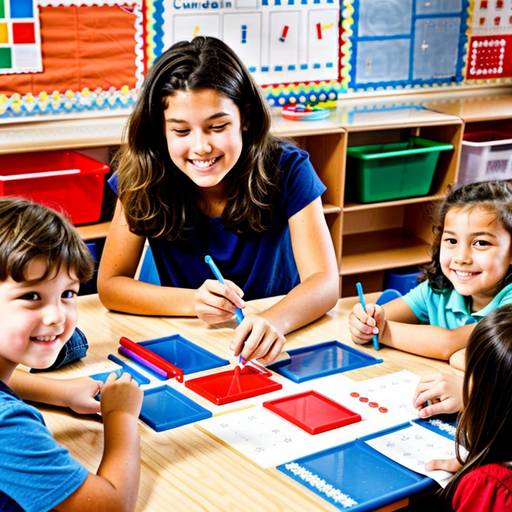
In this kindergarten math lesson, students will explore the concepts of measurement and time through interactive activities. The lesson begins with a storytelling session that introduces measurement and time in relatable contexts. Students will then work in small groups to measure various classroom objects using non-standard units like paper clips, encouraging collaboration and hands-on learning. Following the measurement activity, they will practice telling time using printable clock faces, experimenting with hour and half-hour increments.
The lesson concludes with a group discussion where students share their findings and reflect on what they learned. An extension activity will involve students measuring items at home and drawing a clock to represent a specific time related to their daily routines. Through this engaging approach, students will gain foundational skills in measuring length and understanding time concepts.
In this Kindergarten lesson, students will explore fundamental geometric shapes such as circles, squares, triangles, and rectangles. The lesson begins with a group discussion where students identify and describe different shapes. Following this, students learn about patterns, focusing on how shapes and colors can create sequences that repeat. Through direct instruction, they observe and predict the next shape in a pattern, then move on to creating their own patterns using shape cut-outs on construction paper.
Students engage in guided practice by working in pairs to replicate patterns with pattern blocks using cards provided by the teacher. This interactive experience allows them to apply their understanding of shapes and recognize patterns in a hands-on manner. The lesson wraps up with a reflection session where students share their creations and discuss what they learned. Assessment is based on observation during activities and student participation, providing insights into their understanding of geometric concepts. Extensions include a shape scavenger hunt and the incorporation of songs to further reinforce learning. Overall, the lesson emphasizes exploration and creativity while building foundational skills in geometry and pattern recognition.
In this kindergarten math lesson, students will explore geometry and patterns through various engaging activities. The lesson begins with a discussion on geometric shapes, using flashcards to help students identify and describe shapes they encounter in their daily lives. Afterward, a shape hunt allows students to find and share real-life examples of these shapes in the classroom and outdoors.
Next, the concept of patterns is introduced through visual examples, and students are encouraged to create their own simple patterns using shape manipulatives. They will then have the opportunity to express their creativity by making artistic creations with construction paper, glue, and crayons, ensuring that they incorporate at least three different shapes in a patterned arrangement.
The lesson concludes with a sharing session, where students present their work, fostering discussions about the patterns and shapes used. Assessment will be conducted through observation during activities and evaluation of the final artworks, ensuring students demonstrate their understanding of geometric shapes and pattern recognition. Extensions for advanced learners and additional support strategies for those needing help are also included to cater to diverse learning needs. Reflection on student engagement and understanding will inform future lesson adjustments.

In this Kindergarten music lesson, students will explore foundational concepts of rhythm through engaging activities involving clapping, body percussion, and percussion instruments. The lesson begins with a welcoming song to introduce rhythm as a pattern of sounds and silences. Following an activation of prior knowledge, students participate in a clapping exercise to practice echoing simple rhythms and distinguishing between strong and weak beats.
Next, they will learn a body percussion pattern incorporating claps, snaps, and stomps, fostering creativity as they take turns creating their own patterns. After practicing with unpitched percussion instruments, students will play along to a song with a clear beat. Additionally, they will connect movement to rhythm by dancing or moving in time with music.
The lesson concludes with a reflective circle discussion about their experiences and preferences related to rhythm and music-making. Throughout the activity, students demonstrate their understanding of rhythmic concepts while having fun and building confidence in their musical abilities. Opportunities for differentiation and extensions are provided to ensure all students can engage and thrive in the lesson.
This Kindergarten math lesson focuses on introducing students to the concept of multiplication as repeated addition. It begins with a warm-up discussion about multiplication, followed by a read-aloud of a themed storybook that illustrates the concept. Through direct instruction, students learn to visualize multiplication with the help of counting blocks, making connections to addition.
In small groups, students participate in a hands-on activity where they represent different multiplication problems using blocks and share their findings with the class. This fosters teamwork and communication skills. After a collaborative presentation, students practice independently with worksheets that reinforce their understanding of multiplication through visual groupings. The lesson concludes with a reflective discussion about the importance and application of multiplication in real life.
Assessment is conducted through observation during group activities and the review of worksheets to ensure comprehension. Extensions and adaptations are available to further meet student needs and promote continuous learning. Overall, this lesson is designed to make multiplication engaging and accessible for young learners.
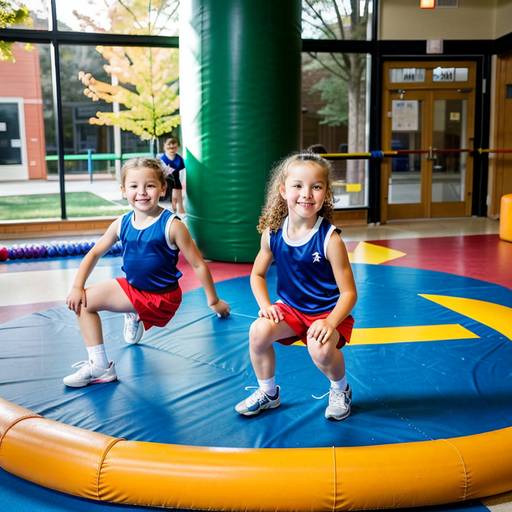
In this Kindergarten Physical Education lesson, students engage in a series of activities designed to develop their motor skills, coordination, balance, and teamwork through gymnastics and sports-related exercises. The session begins with a fun warm-up involving movements and dynamic stretches to energize the students.
Next, students rotate through four activity stations, which focus on balance, jumping, throwing, and coordination with soft balls and jump ropes. Each station lasts around five minutes, allowing students to explore different physical skills in a supportive environment. Following the stations, students participate in a team relay challenge, fostering collaboration and encouraging them to cheer for one another as they complete simple tasks together.
The lesson concludes with a gentle cool-down, including stretches and a group discussion where students reflect on their favorite activities and what they learned about balance and teamwork. Assessment is conducted through observation of participation and skill execution, ensuring a safe and inclusive environment for all students.
In this Kindergarten music lesson, students will embark on an exploration of natural sounds and their connection to music. The session begins with listening to various audio clips of natural sounds, followed by discussions where students share their thoughts and feelings about what they hear. They will then engage in a movement activity, where they imitate different natural sounds through body motions and vocalizations, enhancing their understanding of musical elements. To further encourage creativity, students will create artwork based on their favorite natural sound, expressing their interpretations through colors and shapes. The lesson concludes with a group discussion to reflect on their experiences and insights gained about the relationship between nature and music. Throughout the activities, emphasis is placed on participation, expression, and the joy of discovering music in the world around them.