
Filters
Level
Grade
Subject
Subject Area
Subject Topic
Standard(s)
Audience
Keyword
DurationMinutes
Kindergarten Lesson Plans

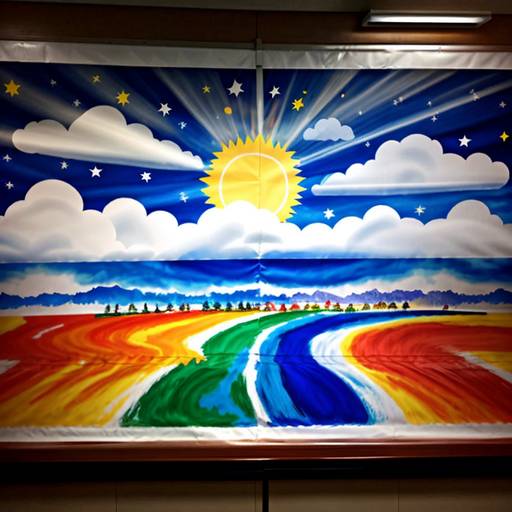
In this kindergarten Earth Science lesson, students will explore fundamental concepts of weather, including various types such as sunny, rainy, snowy, windy, and cloudy. The lesson begins with a captivating picture book that introduces weather and prompts discussion about students’ experiences with different weather conditions.
Students will then engage in a hands-on activity where they create weather-related artwork using cotton balls and crayons to depict their chosen weather scenes. Additionally, a simple mini-experiment will simulate rain, allowing students to observe how clouds hold water.
The lesson will culminate in filling out a class weather chart, helping students connect their observations to real-life activities and clothing choices based on weather conditions. Informal assessments will be conducted through participation in discussions and the creative activities. Extension ideas include a “Weather Journal” project, encouraging ongoing observation of daily weather. This lesson aims to enhance students' understanding of weather while fostering creativity and observational skills.

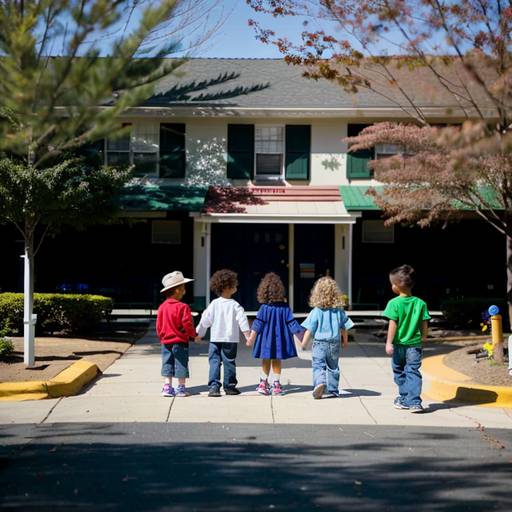
In this kindergarten social studies lesson, students will explore the concept of community and the roles of community helpers while understanding the importance of rules that guide their actions. The lesson begins with a discussion about what a community is, followed by an engaging read-aloud of a picture book about community helpers. Students will participate in a collaborative charting activity to identify various community helpers and their roles.
Next, they will express their creativity by drawing their favorite community helper, which will be shared and displayed in the classroom. The lesson also introduces essential community rules, as students are prompted to think about the rules that community helpers follow and those they should observe in their own lives. The session concludes with students sharing their insights and what they’ve learned, reinforcing the shared responsibility of keeping their community safe and enjoyable. Assessment will be based on participation, understanding demonstrated in drawings, and engagement with the community rules discussion. Extension activities include potential field trips and guest speakers to deepen their connection with community services.
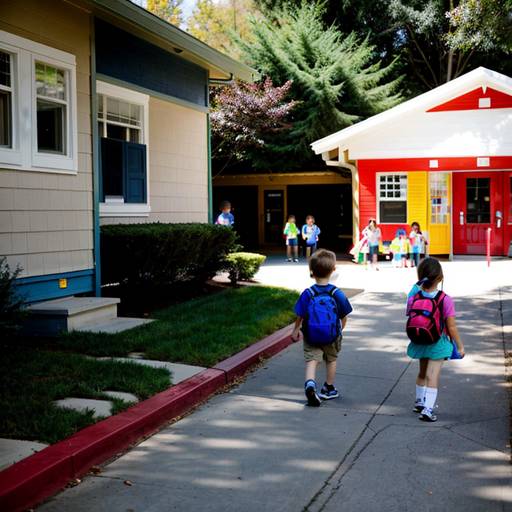
In this Kindergarten social studies lesson, students will explore the concepts of geography and maps by focusing on their own neighborhoods. The lesson begins with an interactive discussion about maps, using a simple map of the local area to introduce key elements such as landmarks and directions. A read-aloud story incorporating a map will help engage students and frame the discussion about travel and exploration.
Students will then participate in a neighborhood exploration, identifying and discussing important places in their community, such as parks, schools, and libraries. Following this, they will create their own simple maps using templates, representing significant landmarks that they drew from their discussions. They will use symbols and labels to convey meaning and share their maps with the class, highlighting one landmark and explaining its importance to them.
The lesson will culminate with a reflection on what they learned about maps and neighborhoods. Assessment will be based on students' participation in discussions and the completion of their maps, providing insight into their understanding of key geographic concepts. Additionally, opportunities for extending the lesson include creating treasure maps at home and introducing digital mapping tools in future activities. Overall, this lesson not only teaches geography but also fosters a sense of community and belonging among students.
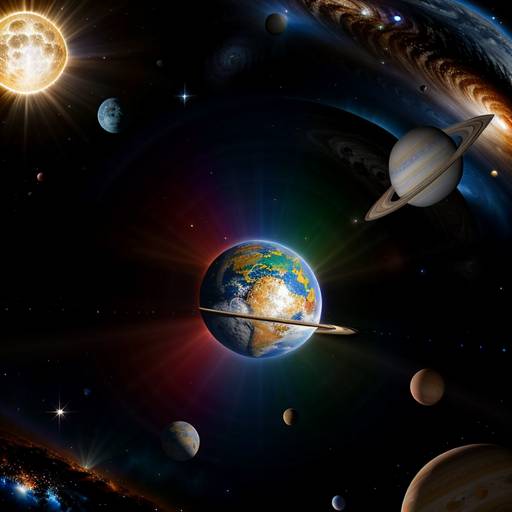
This Kindergarten lesson focuses on introducing students to the solar system, covering key components such as the sun, planets, and the moon. The session begins with a discussion about space, allowing students to share their existing knowledge, followed by a brief video clip that provides an engaging overview of the solar system. The teacher presents each planet using pictures and models, sharing interesting facts while employing flashcards for visual learning.
Following the presentation, students participate in a hands-on activity where they paint and decorate Styrofoam balls to represent different planets, reinforcing their understanding of each planet's characteristics. They then create their own galaxy on a large sheet of black paper, adding their planets and embellishing the scene with glitter to represent stars.
In the conclusion, students reflect on what they learned, sharing insights with peers. The lesson encourages creativity and curiosity about space while being assessed through observation of engagement and completed projects. Extensions for the lesson include creating a classroom display, planning a field trip, or inviting a speaker, ensuring an interactive and informative exploration of astronomy.

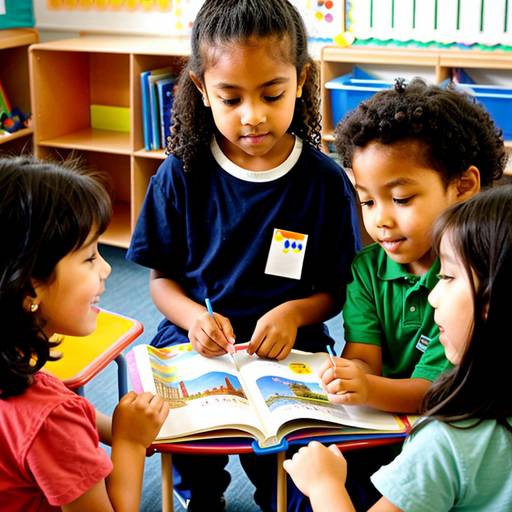
In this kindergarten language arts lesson, students will explore picture books to enhance their reading comprehension skills. The lesson begins with a discussion about the elements of stories, followed by a read-aloud session of a selected picture book. After the reading, students will engage in group activities where they will illustrate their favorite characters and share attributes of those characters. An individual drawing activity will also allow students to depict scenes from the story and write a sentence about their chosen scene. The lesson concludes with a discussion about the joy of reading and encourages students to explore more books in the future. Assessment will focus on student participation, comprehension of story elements, and their ability to express their understanding through illustrations and discussions. Extensions will include creating a reading corner and implementing a "Book of the Week" program. This interactive approach aims to cultivate a love of reading while developing key language skills.
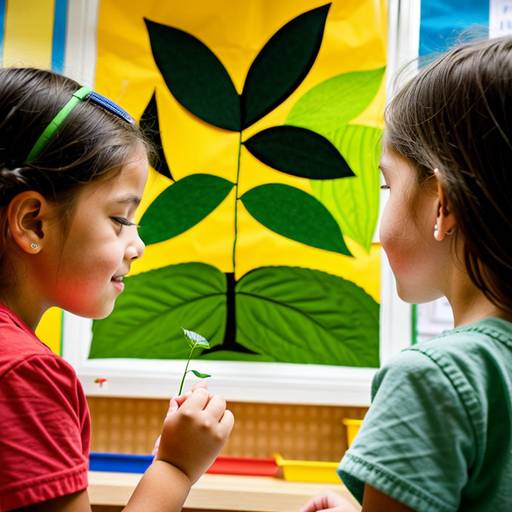
In this Kindergarten science lesson, students will explore the various parts of a plant, including roots, stems, leaves, and flowers, and learn about their functions. The lesson begins with an interactive discussion about the importance of plants in our environment, followed by direct instruction using diagrams to explain each plant part's role. Students will then engage in hands-on exploration with live plants, observing and identifying the different parts in small groups. To reinforce their learning, they will create drawings of a plant, labeling its components. Finally, students will share their observations and insights, enhancing their understanding of life science and the significance of plants in our ecosystem. Assessments will include observations during group activities and reviewing their drawings. Extensions may involve nature walks or starting a class garden to observe plant growth over time, while adaptations will cater to different learning styles to ensure all students are supported.

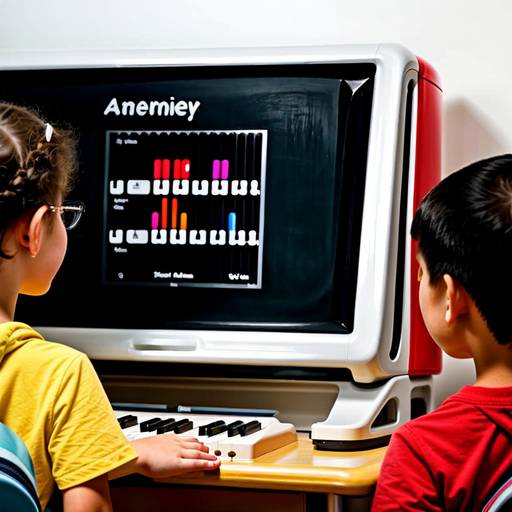
This Kindergarten music lesson focuses on music appreciation and listening, allowing students to explore diverse musical styles from around the world. Over the course of 30-45 minutes, students will listen to short excerpts of music from various cultures, engaging in discussions about the instruments they hear and the emotions the music evokes. Through physical movement, they will respond expressively to each piece, enhancing their understanding of music's impact on emotions and bodily expression.
Students will also have the opportunity to experiment with instruments, creating rhythms together as a class. To reinforce their learning, they will draw pictures inspired by their favorite music from the lesson, fostering creativity and personal expression. The lesson closes with a summary of the importance of music as a universal language that connects people globally. Assessment will be conducted through observation of participation and engagement, with differentiation strategies in place to support all learners.

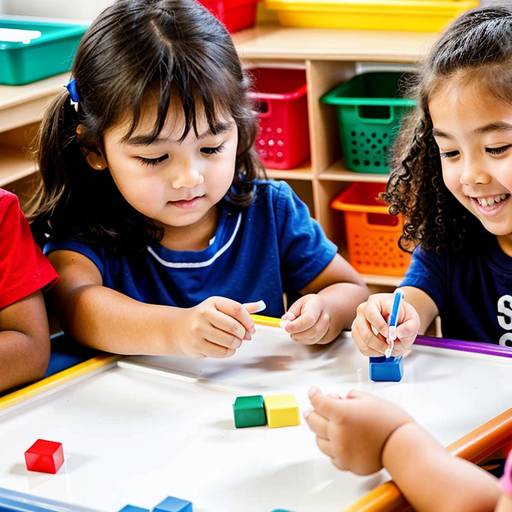
This Kindergarten math lesson focuses on measurement and weight, allowing students to explore and compare the weights of various objects through a hands-on approach. The lesson begins with an interactive discussion about weight, introducing key vocabulary such as heavy, light, balance, and scale. Students are then divided into small groups, each provided with balance scales and an assortment of classroom objects to weigh. As they experiment, they predict and observe which items are lighter or heavier, using the vocabulary to describe their findings.
Following the group activity, the class engages in a sharing session where each group presents their observations, reinforcing the concept of balance and providing a platform for discussion about their discoveries. The lesson wraps up with a reflective conversation and a fun chant to reinforce the vocabulary learned. Assessment is based on student participation, engagement, and the accuracy of their recorded observations. An optional extension activity encourages further exploration with a "Weight Hunt," where students classify additional items as heavy or light. Overall, the lesson aims to build foundational skills in measurement and weight through active participation and collaborative learning.

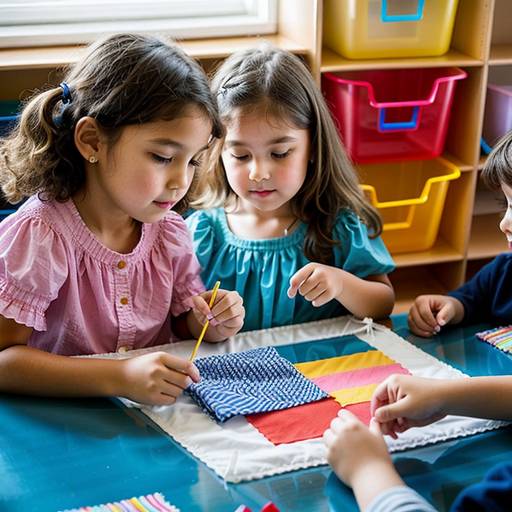
In this Kindergarten art lesson, students will explore the world of fiber arts by creating their own textile projects using a variety of materials. The session begins with an introduction to fiber arts, where students learn about different techniques and styles through discussions and visual examples. Following the introduction, a demonstration on basic weaving techniques using cardboard looms guides students in creating their own woven pieces. Students will then get hands-on experience as they incorporate fabric scraps, ribbons, and other embellishments into their projects, fostering their creativity and fine motor skills. The lesson concludes with a sharing session, where students present their artworks and reflect on their creative processes, enhancing their understanding and appreciation for diverse art forms. Throughout the lesson, participation and engagement are monitored to assess students' comprehension and exploration of fiber arts. Opportunities for extension activities are also provided to deepen their learning and connect art to broader cultural contexts.
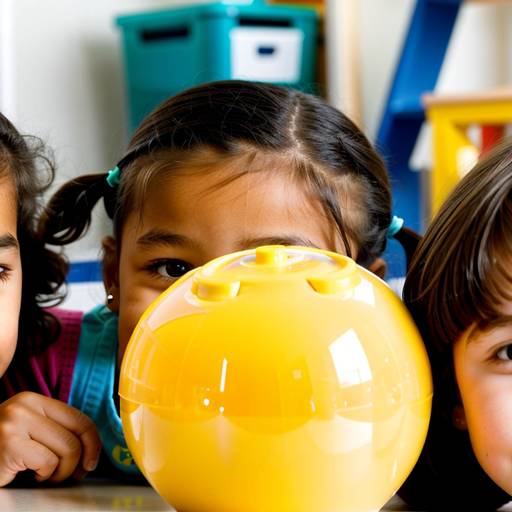
In this Kindergarten science lesson, students will engage with the fundamental concept of matter, specifically exploring its three states: solid, liquid, and gas. The lesson begins with a discussion to define matter, accompanied by visuals to illustrate the different states. Students are then organized into small groups to participate in a hands-on activity where they sort various objects into the three categories based on their properties.
Following this, the students conduct simple experiments to observe the characteristics of solids and liquids using water and rocks, and explore gases by inflating balloons. They create solid shapes with playdough, reinforcing their understanding of the distinctions between the different states of matter.
To conclude, students complete a worksheet that reinforces their ability to identify types of matter, followed by a reflection discussion to share their insights. The lesson incorporates hands-on activities, visual aids, and collaborative learning, fostering engagement and curiosity about the physical properties of the world around them. Extensions and modifications are also included to cater to diverse learning needs, ensuring all students have the opportunity to participate and learn effectively.