
Filters
Level
Grade
Subject
Subject Area
Subject Topic
Standard(s)
Audience
Keyword
DurationMinutes
Kindergarten Lesson Plans

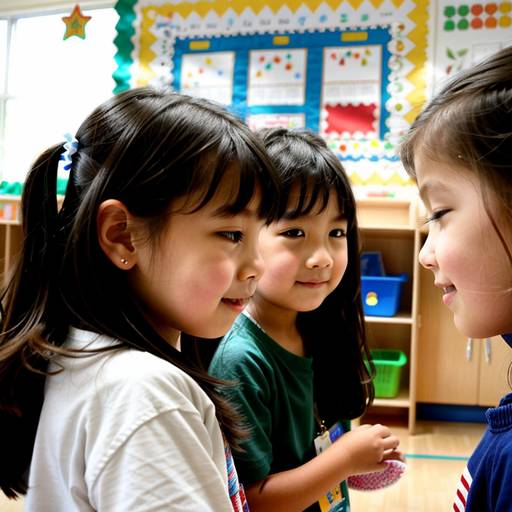
In this kindergarten music lesson, students will explore the themes of nature through singing and vocal activities. The lesson begins with an engaging discussion about nature, followed by vocal warm-ups that allow children to experiment with different sounds. Students will participate in echo singing, where they repeat melodies related to nature, and engage in a call-and-response activity, creating their own lyrical contributions to the theme.
To enhance the experience, movement is incorporated as students mimic elements of nature while singing, and rhythm instruments are introduced for added engagement. The lesson concludes with a calm lullaby to reflect and wind down. Throughout the session, students will develop their vocal techniques, creativity, and listening skills while expressing their feelings about the natural world. This interactive lesson emphasizes participation, artistic expression, and connection to the environment.


In this Kindergarten art lesson, students will explore animal creation through the use of basic shapes. The lesson begins with a discussion about favorite animals, followed by an introduction to basic shapes and how they can be combined to form unique creatures. Students will then brainstorm their imaginary animals, sketching them on paper using pencils. Once their drawings are complete, they will add color and detail using crayons, colored pencils, and markers, with optional embellishments like glitter or stickers for additional texture. The session concludes with students sharing their artwork and discussing their creations. This lesson aims to enhance creativity and fine motor skills while fostering artistic expression and confidence among young learners. Cleanup is included as part of the structure to encourage responsibility.
Through observation and sharing, the teacher will assess students' understanding of shapes and their ability to express their ideas visually. Extensions may include collaborative projects, such as a class mural or storytime related to the animals created. Reflections on the effectiveness of the lesson will help inform future art activities.

In this Kindergarten Language Arts lesson, students will explore the fundamentals of storytelling through writing and creative expression. The class begins with an engaging read-aloud of a picture book that highlights key story elements, followed by a brainstorming session where students collectively generate ideas for characters, settings, and events. Each student will receive a story starter card and a blank storybook template to create their own short stories, incorporating their unique ideas along with the class-generated content. As they write and illustrate their stories, students will be encouraged to express their creativity and share their work with classmates. The lesson concludes with a sharing session, allowing students to celebrate each other’s storytelling efforts while discussing their experience. Assessment will focus on student participation, effort, and the creativity displayed in their storybooks, with modifications available for additional support.
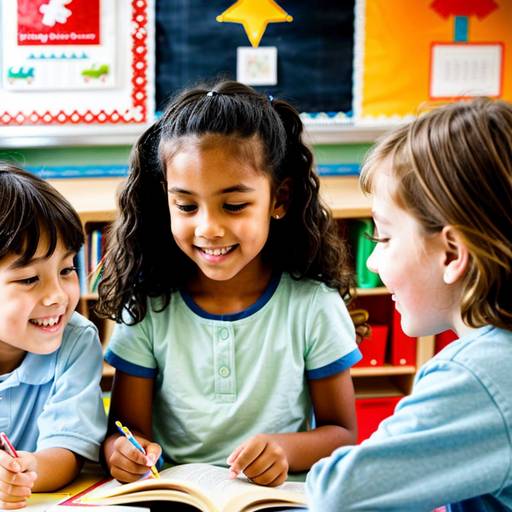
In this Kindergarten Language Arts lesson, students will explore the key elements of a story, including characters, setting, and plot, through interactive reading and discussion. The lesson begins with a group conversation about what makes stories special, leading to a read-aloud of a selected picture book. During the reading, students are encouraged to identify and discuss elements of the story, with their responses recorded on chart paper. Following the read-aloud, students will work in small groups to examine another picture book, discussing its characters, setting, and plot, and then share their findings with the class. The lesson concludes with a review of the story elements and rewarding students for their participation. Assessment focuses on observing student interactions, reviewing their graphic organizers, and listening to their sharing to gauge comprehension. Extensions to the lesson include opportunities for students to create their own stories using graphic organizers. Overall, the lesson fosters a love for reading and develops foundational comprehension skills.

The lesson focuses on introducing kindergarten students to the basics of astronomy and the solar system. It begins with a read-aloud session featuring a picture book about space, sparking curiosity and encouraging students to share their thoughts. Following the read-aloud, students learn about the eight planets and the sun's role in the solar system through a visual poster and interactive discussion.
After this introduction, students engage in a creative art activity where they choose a planet to illustrate or model, incorporating unique features based on fun facts shared during the lesson. Once their art is complete, students participate in a "Planet Parade," where they present their artwork and facts to their classmates, promoting confidence and public speaking skills. The class concludes with a wrap-up discussion reflecting on what they've learned and why exploring space is important.
Assessment is conducted through observation of participation and the evaluation of their art projects, and opportunities for extension activities are also included. This engaging and hands-on approach helps foster a love for astronomy in young learners.

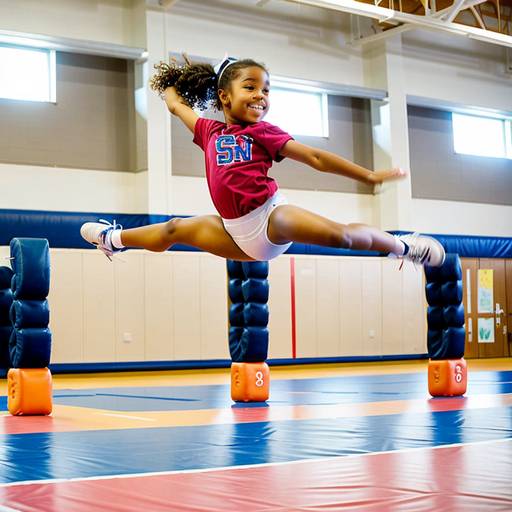
This Kindergarten physical education lesson plan focuses on introducing students to basic sports and gymnastics movements while fostering their coordination, balance, and teamwork skills. The session begins with a dynamic warm-up that incorporates stretching and fun movement activities to engage students. Following the warm-up, students participate in four activity stations that include gymnastics skills such as rolling and balancing, hula hoop challenges, ball skills with tossing and catching, and a relay race obstacle course. Each station encourages participation and interaction among peers.
After the activities, a cool-down period allows students to relax and reflect on their experiences, practicing deep breathing and gentle stretching. The teacher reinforces the importance of teamwork, physical fitness, and having fun while participating in sports and gymnastics. Throughout the lesson, students receive constructive feedback, and their enthusiasm and participation are observed for assessment purposes. The lesson concludes with a recap of the skills learned and an encouragement to practice at home, setting the stage for future learning about sports and teamwork. Adaptations are provided to accommodate varying abilities, ensuring an inclusive environment for all students.

This Kindergarten math lesson focuses on introducing students to the concept of addition through the use of a number line. The lesson begins with a discussion about addition and a demonstration on how to move along the number line to find sums. Students engage in group activities using addition flashcards and manipulatives, practicing counting jumps on the number line collaboratively. After guided practice, they complete worksheets independently, illustrating their understanding of addition with number lines. The lesson concludes with a review and an exit ticket activity that assesses retention of the concepts learned. Accommodations are provided for students who need extra support, while extensions are available for those ready to explore more complex concepts. Overall, the lesson aims to create a hands-on and interactive learning environment that fosters a solid foundation in addition.
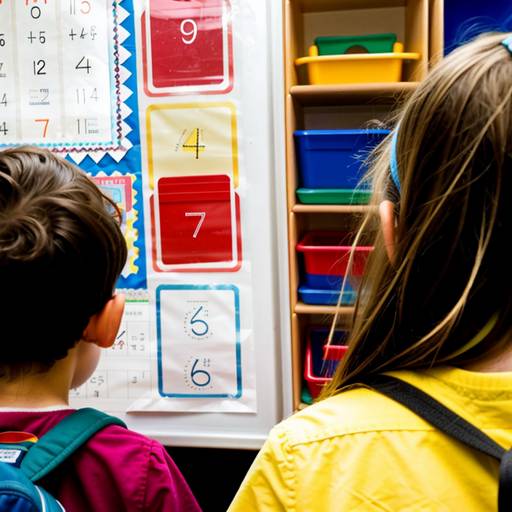
In this Kindergarten math lesson, students will engage in activities focused on measurement and length using non-standard units such as paper clips and blocks. The lesson begins with a discussion on measurement, introducing key vocabulary like "length," "longer," "shorter," and "equal." Through demonstrations, students will learn how to measure various classroom objects and compare their lengths.
Groups will participate in hands-on measurement activities, selecting multiple objects to measure and recording their findings collaboratively on large paper. As they explore the classroom for additional items to measure independently, they will document their favorite measurements on sticky notes.
The class will conclude with a review of what was learned, allowing students to share their experiences and measurements. Assessment will involve observation during group work and the collection of individual recordings to gauge understanding. Extensions may include introducing rulers for advanced learners. Ultimately, the lesson fosters exploration and comprehension of the concept of length in an engaging manner.
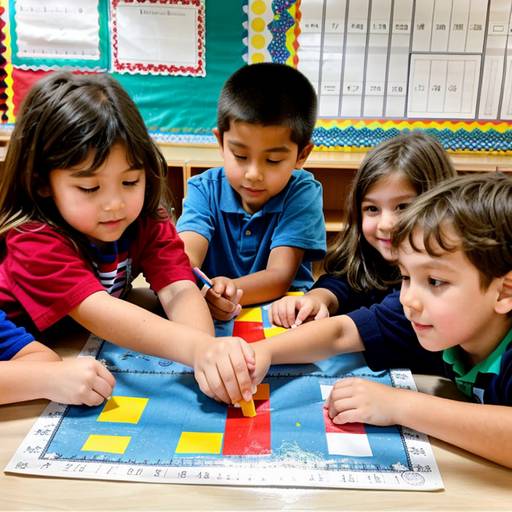
In this Kindergarten math lesson, students will explore the concept of length through hands-on activities involving measurement. The lesson begins with a discussion of measurement tools and relevant vocabulary, such as longer, shorter, and same length. After a demonstration comparing two classroom objects, students will work in small groups to measure various items using unifix cubes or blocks, counting the number of blocks used for each object. Following this guided practice, students will select an additional object to measure individually and document their findings on a provided recording sheet. The lesson concludes with a group discussion where students share their measurements and reflect on their learning. Throughout the lesson, students will develop their understanding of length, practice measurement skills, and strengthen their vocabulary related to measurement concepts. Assessment will be conducted through observation during activities and the review of students' measurement recordings. Extensions for advanced learners will provide additional challenges to further enhance their understanding.
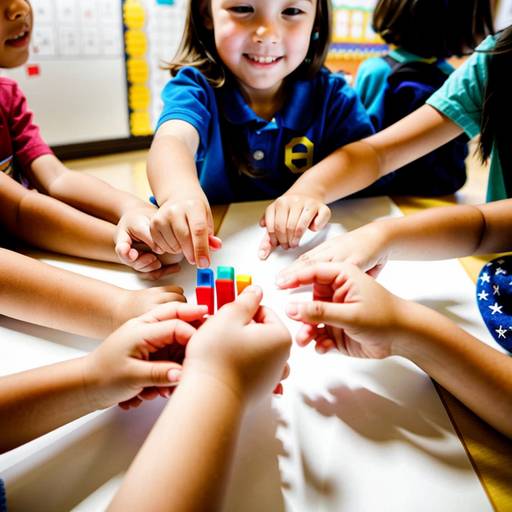
In this kindergarten math lesson, students will explore the concept of measurement and length through engaging and interactive activities. The lesson begins with a discussion on what measurement means, focusing on the comparison of lengths, using everyday classroom items as examples. The teacher will demonstrate how to measure objects using non-standard units, such as Unifix cubes or paper clips.
Students will then work in small groups to measure assigned items, record their findings, and determine which items are longest and shortest. Each group will share their measurements and observations with the class, fostering communication and presentation skills. The lesson concludes with a review of key vocabulary and a reflection on the practical applications of measurement in students' lives. Overall, the lesson emphasizes hands-on learning and encourages collaboration while laying the groundwork for future mathematical concepts.