
Filters
Level
Grade
Subject
Subject Area
Subject Topic
Standard(s)
Audience
Keyword
DurationMinutes
Lesson Plans

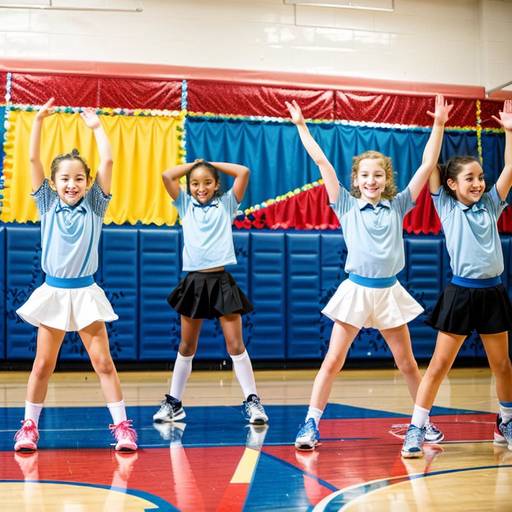
The lesson plan focuses on developing coordination and balance skills for 4th-grade students through engaging, dynamic activities. The session begins with a warm-up that includes jumping jacks and dynamic stretches to prepare students for physical activity.
Students then participate in relay races where they must complete various movements, such as balancing a bean bag on their head and hopping, to promote teamwork and coordination. Following this, they engage in a rhythmic dance activity within hula hoops, where they practice maintaining balance while responding to music and movement prompts.
To conclude, students cool down with gentle stretches and breathing exercises, providing an opportunity for reflection on their experiences with balance and coordination throughout the lesson. The plan also includes observation criteria to assess student performance and offers modifications for varying skill levels. Finally, students are encouraged to practice balance techniques at home to reinforce their learning.

In this 5th-grade art lesson, students will explore the concepts of value and shading to create depth in their drawings. The lesson begins with an introduction to the principles of light and shadow using examples from famous artworks to illustrate how artists achieve dimension. Following this, students will engage in guided practice by drawing simple objects while focusing on the effect of light on form using a value scale. After gaining confidence, they will create their own compositions featuring at least three objects, applying their understanding of shading techniques to enhance depth. The lesson concludes with a gallery walk where students can showcase their artwork, discuss their experiences, and reflect on their learning. Assessment will be based on their application of shading, creativity, and participation. The lesson also includes opportunities for extensions, such as experimenting with colored pencils or drawing from still-life arrangements.

In this engaging 4th-grade music lesson, students will explore the concept of dynamics in music, focusing on the principles of loudness and softness. The lesson begins with an introduction to dynamic markings such as forte, piano, mezzo piano, mezzo forte, crescendo, and decrescendo, using discussions and interactive call-and-response exercises to reinforce understanding.
Students will then be divided into small groups, each assigned a specific dynamic marking. They will create short musical phrases using instruments or body percussion, incorporating the dynamics they’ve learned. After rehearsal, each group will present their compositions to the class, allowing for constructive feedback and reflection on their performances.
The lesson concludes with a recap of the key concepts and encourages students to listen for dynamics in their favorite music, promoting active engagement with music outside the classroom. Assessment will be based on participation, group performance, and optional written reflections on the dynamic elements found in music they encounter. This lesson provides a hands-on approach to understanding musical dynamics while fostering teamwork and creativity.
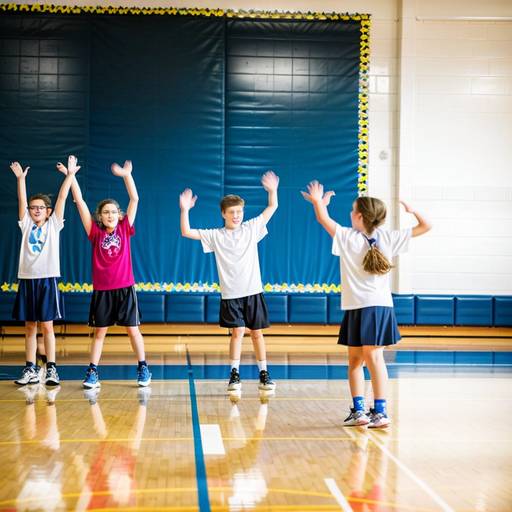
In this 5th-grade physical education lesson, students will focus on improving coordination and balance through a variety of engaging activities. The lesson begins with a brief introduction outlining the importance of these skills in sports and everyday life, followed by a dynamic warm-up to prepare their muscles.
The heart of the lesson consists of five activity stations, each designed to target coordination and balance. Students will practice hula hooping while moving, navigating an obstacle course, and balancing bean bags on their heads. They will also engage in jump rope exercises and relay races that add an element of fun and teamwork.
After the activities, a cool-down session with deep breathing and stretching allows students to relax and reflect on their experiences. The lesson concludes with a group discussion where students share their thoughts on what they learned and enjoyed. Throughout the session, students will receive positive feedback and coaching to help them refine their skills while promoting personal growth. The overall goal is to enhance physical literacy in a supportive and enjoyable environment.
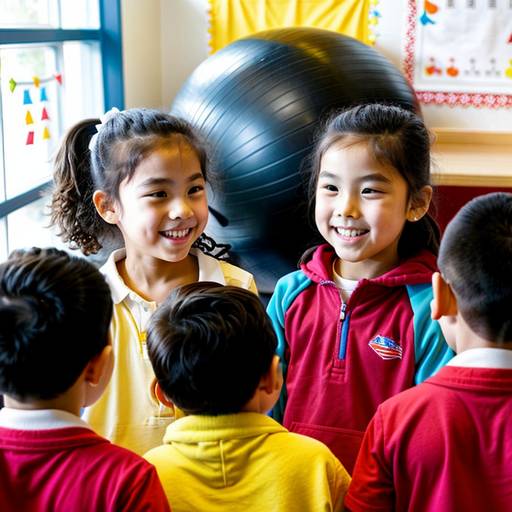
This kindergarten physical education lesson focuses on enhancing students' coordination and balance through engaging, interactive activities. The session begins with a warm-up featuring fun animal movements to prepare the students for physical activity. Students then rotate through five dynamic stations, including hula hoop hops, foam beam walking, pool noodle balancing, an obstacle course, and a bean bag toss, which collectively promote skill development in a playful manner. The lesson wraps up with a cool-down that includes stretching and a group reflection, allowing students to share their experiences and feelings about the activities. Throughout the lesson, educators will observe student engagement and provide positive reinforcement, ensuring a safe and supportive environment that encourages teamwork and a love for movement.
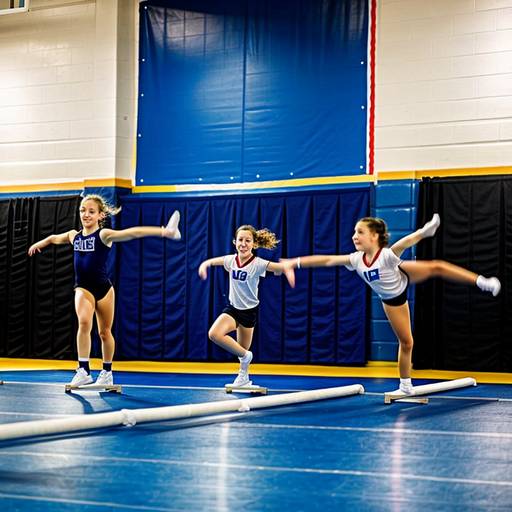
In this physical education lesson for 4th graders, students will engage in gymnastics and sport-related activities designed to enhance their coordination, balance, and strength. The session begins with a dynamic warm-up to prepare their bodies for physical activity, followed by skill development through a series of stations. Each station focuses on specific skills, including balance, coordination, agility, and jump rope techniques, with students rotating every few minutes.
Following this, a relay challenge allows students to incorporate their newly practiced skills in a supportive team environment, promoting cooperation and camaraderie. The lesson concludes with a cool-down sequence involving gentle stretches and a reflective discussion where students can share their favorite activities and experiences. Throughout the lesson, emphasis is placed on participation, teamwork, and the importance of practice, providing students with constructive feedback and fostering a positive learning atmosphere. Extensions are suggested to encourage further skill development outside of class.
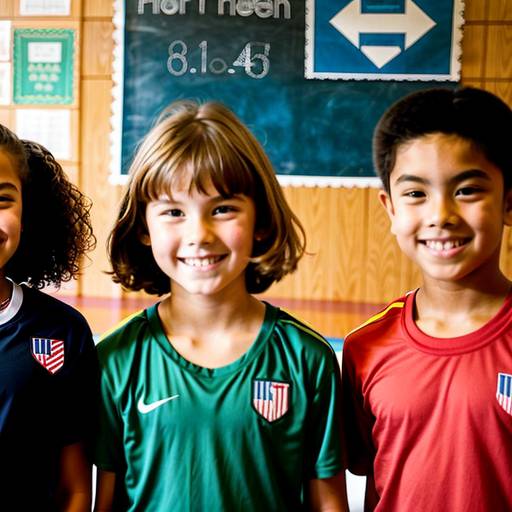
In this 60-minute physical education lesson designed for 3rd graders, students will engage in a variety of activities that blend basic sports skills with introductory gymnastics movements. The session begins with dynamic stretching and a movement activity to build agility.
Students rotate through four stations focusing on different skills: walking on a balance beam to improve balance, practicing basketball shooting to develop accuracy, executing forward and backward rolls on gym mats to enhance body control, and participating in a relay race to foster teamwork.
After the main activities, students will gather for a cool-down session with group stretches. The lesson concludes with a reflection period where students can share their experiences and what they've learned about sportsmanship and teamwork. Throughout the session, the instructor will monitor progress and encourage self-assessment and peer feedback to reinforce both skill development and positive engagement.
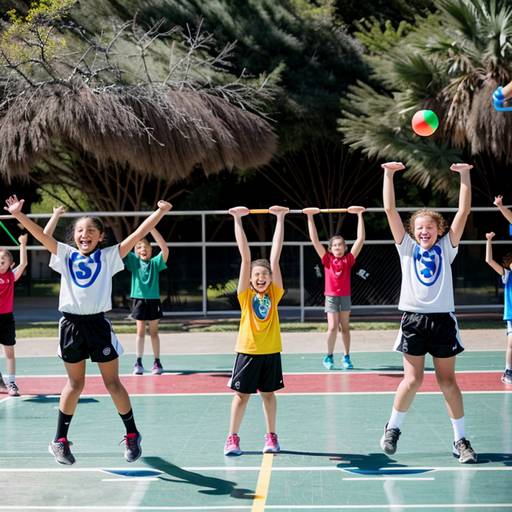
This 5th-grade physical education lesson plan focuses on developing fitness and strength through engaging and diverse activities. The session begins with a warm-up that includes dynamic stretching and a group discussion on the benefits of strength training. Students then rotate through four interactive stations: resistance bands, dumbbells, bodyweight exercises, and an obstacle course, each designed to enhance muscular strength and endurance while promoting teamwork. After completing the stations, students participate in a cool-down session with gentle stretching, followed by a reflection where they share their experiences and learning outcomes. The lesson emphasizes safety, proper form, and the importance of staying active outside of school, while also allowing for modifications to accommodate various fitness levels. Overall, this lesson aims to instill a positive attitude towards fitness in students and encourage lifelong healthy habits.

This lesson plan focuses on fostering early language development and reading readiness for infants aged 6-12 months through interactive activities. The session is designed for a small group of infants and their caregivers, lasting 30-45 minutes, and aims to enhance sound recognition, storytelling engagement, and book exploration.
The lesson begins with a welcoming circle, where the importance of language development is introduced. It includes a sound recognition activity that encourages infants to respond to musical instruments and game-like sound associations. Storytime follows, utilizing cloth books and puppets to capture infants' attention and promote visual recognition.
Participants then engage in rhymes and movement, reinforcing rhythm and phonemic awareness through familiar songs. A free exploration segment allows infants to interact independently with books and sensory toys, promoting discussion and inquiry led by their caregivers.
The session concludes with a closing circle, inviting caregivers to share observations and reinforcing the significance of reading at home. Informal assessments are made through observations of infants’ interactions and caregiver engagement. Follow-up suggestions include initiatives for further reading at home and resources to build a reading culture. This comprehensive approach aims to create a joyful and stimulating environment that supports early literacy skills in a playful manner.

The lesson plan focuses on engaging infants aged 3-12 months in sensory development activities centered around sounds. It includes a variety of interactive experiences, such as exploring diverse sound-producing instruments, listening to nature sound recordings, and playing with soft toys that generate sounds. The plan encourages caregivers to actively participate, promoting auditory awareness and recognition in infants. The activities are designed to stimulate curiosity and engagement, allowing infants to explore sounds freely while fostering caregiver-infant bonding. The session concludes with a calming sound experience, providing an opportunity for caregivers to reflect on their infants' responses and encourage continued sound exploration at home.