
Filters
Level
Grade
Subject
Subject Area
Subject Topic
Standard(s)
Audience
Keyword
DurationMinutes
Lesson Plans

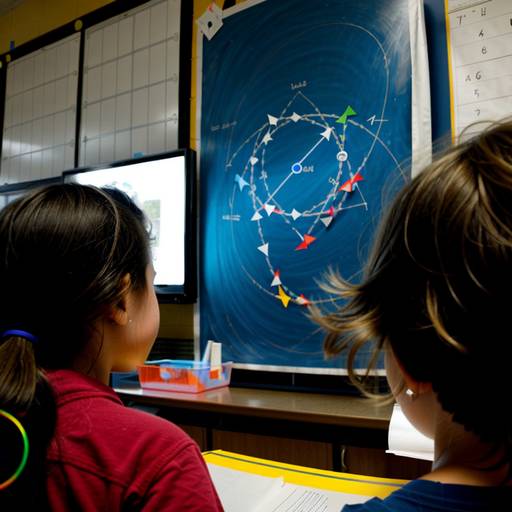
In this 5th grade science lesson, students will explore the concepts of energy, force, and motion. They will learn about potential and kinetic energy through discussions and demonstrations, reinforcing how energy is transformed and transferred. Students will work in small groups to conduct a hands-on experiment involving ramps and toy cars. They will measure the height of the ramp, launch the toy cars using rubber bands, and record data on the distance traveled and time taken. This activity encourages collaboration and critical thinking as students analyze their findings and discuss the relationships between height, energy, and speed. The lesson wraps up with a review of the data and concepts learned, alongside an assessment that includes worksheets and an exit ticket to gauge individual understanding. Extensions and additional resources are provided to reinforce learning for all students.
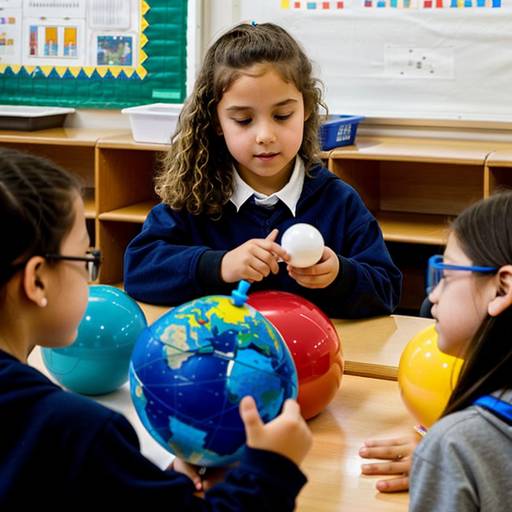
This 2nd-grade science lesson focuses on introducing students to the concepts of push and pull as forces that cause movement. The lesson begins with a discussion where students share their experiences and observations about pushing and pulling objects. Following this, the teacher provides a direct instructional segment using toy cars and balls to demonstrate how these forces create movement and involve energy.
Students then participate in a hands-on experiment, working in small groups to test different degrees of pushes and pulls on toy cars and balls rolled down ramps. They will measure the distance traveled and document their observations. Throughout the experiment, students will engage in discussions within their groups about their findings. The lesson concludes with each group sharing their discoveries with the class, reinforcing their understanding of how pushes and pulls affect energy and movement in real-life scenarios.
Assessment will be based on student participation, the quality of their recorded observations, and their ability to articulate the relationship between forces and energy. There are opportunities for extension activities and differentiation to support diverse learners, ensuring that the lesson is engaging and accessible for all students.
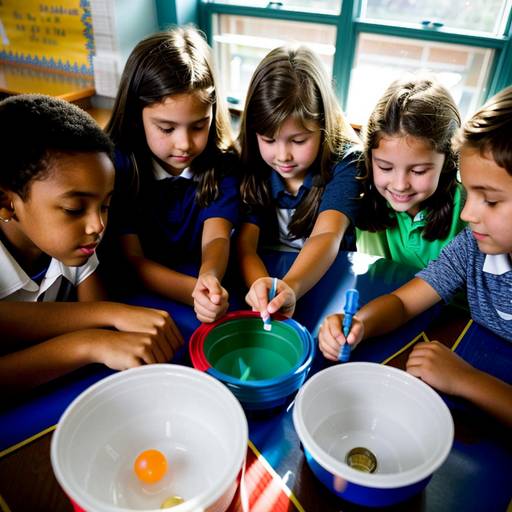
In this engaging 3rd-grade science lesson, students will explore the concept of energy and its various forms, focusing on how energy can transform from one type to another. The lesson will begin with a discussion to pique students' interest and gather their initial thoughts about energy in everyday life. Following this introduction, students will learn about different forms of energy, such as kinetic, potential, thermal, and electrical, through direct instruction.
The main part of the lesson will involve hands-on activities at various stations. Students will participate in experiments that demonstrate energy transformations, including a balloon rocket, a solar-powered toy car, and a flashlight. This interactive approach will help them observe and understand the principles of energy transformation in real-time. After the activities, students will regroup for a class discussion to share their observations and insights.
To reinforce learning, each student will complete a worksheet where they can illustrate or describe an energy transformation they witnessed during the session. The lesson concludes with a review of the key concepts, encouraging students to articulate their understanding of energy and its transformations. Through this lesson, students will develop a foundational comprehension of energy, its types, and transformations in a fun and interactive manner.

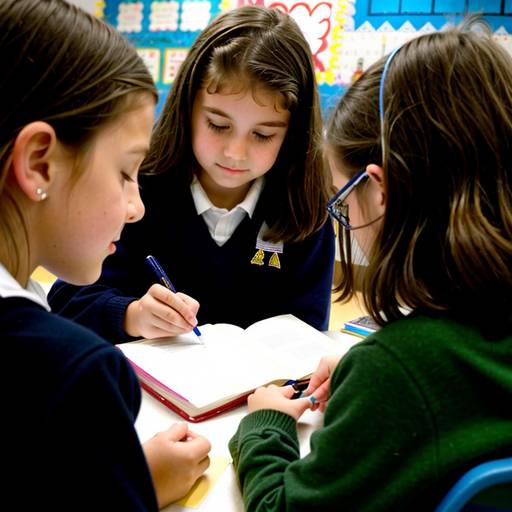
In this 3rd-grade language arts lesson, students will learn about persuasive writing and its key elements, including forming an opinion, providing supporting reasons, and crafting a call to action. The lesson begins with a discussion about experiences with persuasion, followed by an examination of a persuasive letter to identify effective techniques. Students will then use a graphic organizer to plan and structure their own persuasive letters on topics they are passionate about. After drafting their letters, they will have the opportunity to share their work with classmates. The lesson concludes with a reflective discussion about the persuasive writing process. Assessment will focus on the students' understanding of the persuasive writing components through both their graphic organizers and written letters.

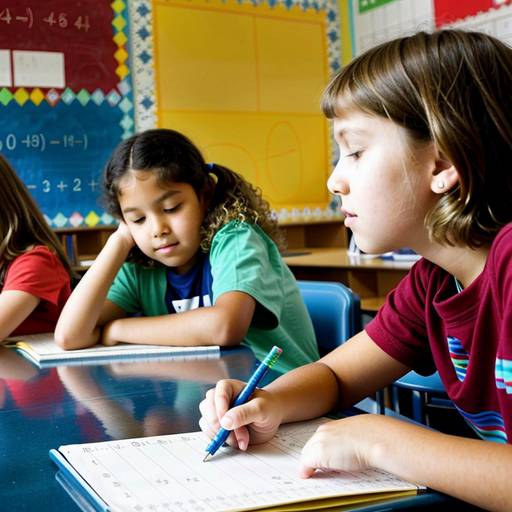
In this 5th-grade math lesson, students will learn how to read and interpret time on both analog and digital clocks. They will explore time intervals and identify patterns within daily schedules and activities. The lesson begins with a discussion on the importance of time, followed by direct instruction on reading clocks and understanding time intervals. Through guided practice, students will work in pairs to complete worksheets and participate in a timed classroom activity. Independent practice includes a worksheet focusing on time patterns and word problems involving addition and subtraction of time. The lesson concludes with a review to reinforce the concepts learned and an exit ticket that asks students to reflect on the significance of understanding time. Differentiation strategies are included to support learners at various skill levels. Assessments will focus on the accuracy of the worksheets and students' responses in the exit ticket.

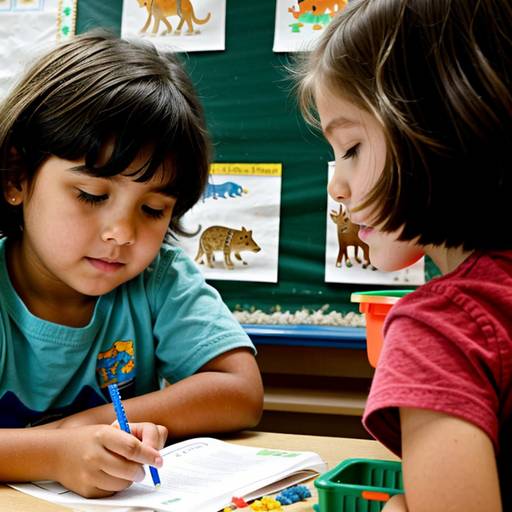
In this preschool science lesson, students will explore the concept of animal habitats through observation and inquiry. The session begins with a group discussion about animals and their homes, followed by a story that highlights various animal habitats. Using a variety of materials, children will work in small groups to create mini-habitats for chosen animals, encouraging hands-on learning and teamwork. Each group will present their habitats, discussing how their animals survive and adapt in different environments. The lesson concludes with a recap of key concepts and encourages students to share their favorite animals. This interactive approach fosters curiosity about nature and promotes critical thinking and discussion among young learners.

In this 4th-grade music appreciation lesson, students will explore various musical cultures from around the world through listening activities and discussions. The lesson begins with an introduction to the idea that music reflects cultural identity, followed by a series of listening stations where small groups will engage with diverse musical pieces. At each station, students will fill out a “Music Culture Passport” highlighting key details about the music, including instruments and emotional impact. After experiencing all the stations, the class will come together to discuss their findings, focusing on the similarities and differences in the music. Finally, students will reflect creatively by illustrating a scene related to their favorite cultural music. Assessment will be based on participation in discussions, completion of the passport handouts, and the creativity demonstrated in their illustrations. Optionally, students can further engage with music outside the classroom by sharing a favorite international song in future sessions. This lesson aims to cultivate an appreciation for global music and its cultural significance.
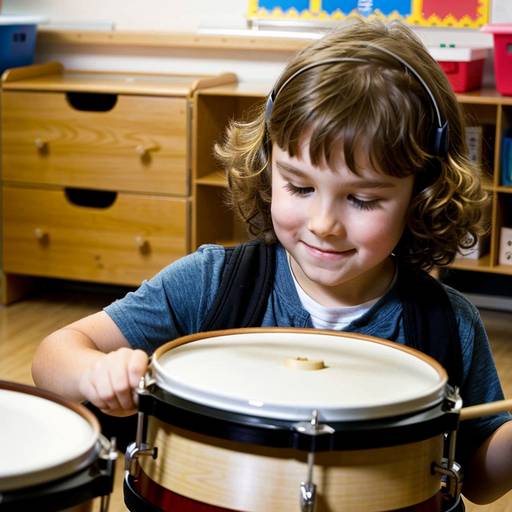
In this engaging music lesson for 1st-grade students, students will explore various percussion instruments and learn about rhythm. The lesson begins with an introduction to different percussion instruments, allowing students to experiment with their sounds. Following this exploration, students will learn the concept of rhythm through clapping and body percussion exercises.
They will then divide into small groups to create their own simple rhythms using the instruments provided. After group practice, each group will perform their rhythm for the class, fostering collaboration and creativity. The lesson concludes with a reflection session where students share their thoughts and experiences about the instruments and the process of creating rhythms.
Assessment will include observing student participation and their ability to comprehend rhythm concepts, with modifications available for those who need additional support. As an extension, students will be encouraged to listen for percussion in their favorite songs at home, further reinforcing their learning.
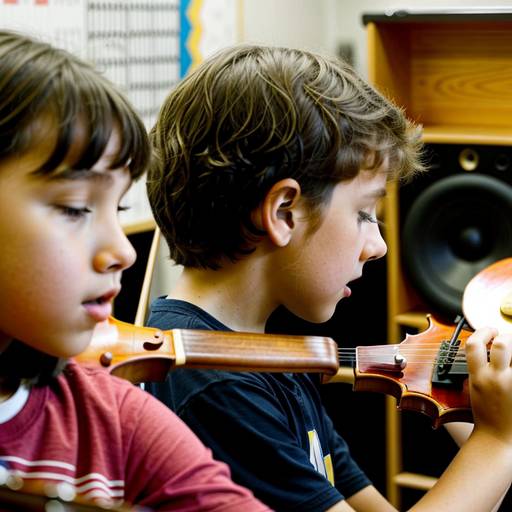
In this engaging 5th-grade music lesson, students will explore the concept of music dynamics, focusing on terminology such as *piano* (soft), *forte* (loud), *mezzo piano* (moderately soft), *mezzo forte* (moderately loud), *crescendo*, and *decrescendo*. The lesson begins with an introduction to dynamics, featuring audio examples to illustrate each term. Students will then be divided into groups, where they will create and perform short musical pieces that highlight their assigned dynamic term, fostering teamwork and creativity. Following the performances, a dynamic movement activity will allow students to embody the different dynamics through physical movement in response to music. The lesson concludes with a discussion that encourages reflection on the emotional impact of dynamics in music. Students will receive handouts summarizing key terms, and homework will involve listening to a favorite song to identify dynamics, reinforcing their learning experience. Assessment will focus on group performances, participation, and understanding of the concepts shared during the lesson.

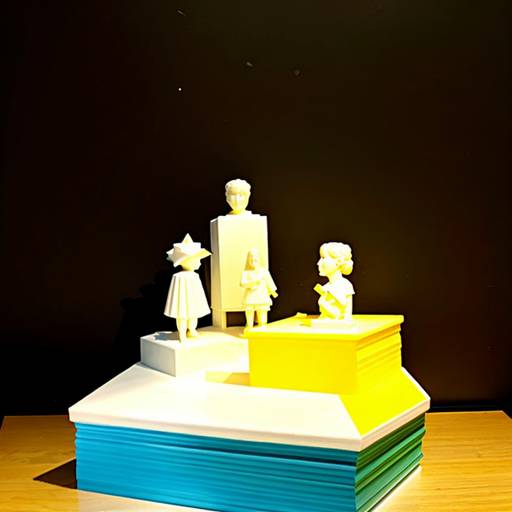
In this 5th-grade art lesson plan, students are introduced to the world of sculpture by exploring various techniques and materials used to create three-dimensional art. The lesson is structured over two sessions.
On the first day, students discuss the concept of sculpture and examine different types and materials through images and videos. They rotate through stations to experiment with air-dry clay, natural materials, and recyclable items, creating small abstract sculptures to understand texture and form. Following this, they sketch their individualized sculpture ideas while considering themes and material choices.
The second day is dedicated to the creation of their sculptures. After a brief demonstration of sculpting techniques, students select their best ideas and begin building their works, combining various materials as they see fit. As they finalize their pieces, they also add details and paint. The lesson concludes with each student presenting their sculpture, discussing their inspiration and the creative process.
Assessment focuses on student engagement, the creativity displayed in the sculptures, and the effectiveness of their presentations. The lesson encourages self-expression, problem-solving, and hands-on exploration of a unique art form, while also offering extension opportunities to deepen students' understanding of sculpture through community engagement.