
Filters
Level
Grade
Subject
Subject Area
Subject Topic
Standard(s)
Audience
Keyword
DurationMinutes
Lesson Plans

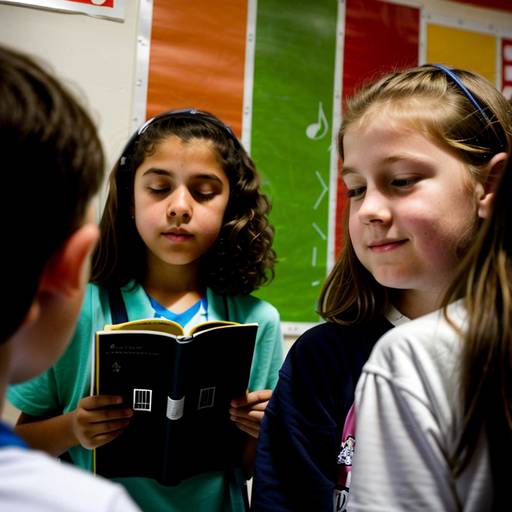
In this 5th Grade music lesson, students will explore the evolution of music through key historical periods: Baroque, Classical, Romantic, and Contemporary. The class will begin with an introductory discussion on music and its development over time. Students will receive a brief overview of each period, focusing on defining characteristics, notable composers, and their distinct styles.
Following this, students will engage in guided listening activities with audio examples from each period, filling out a listening guide that prompts them to analyze emotions, instrumentation, and connections to other music they know.
In the latter part of the lesson, students will have the opportunity to create their own musical phrase or composition inspired by one of the styles studied, using classroom instruments or composition software. The lesson will conclude with students sharing their compositions and reflecting on the influence of different musical styles.
Assessment will involve participation in discussions, completion of the listening guide, and creativity displayed in the composition activity. The lesson also offers extensions such as creating a timeline of musical periods and researching a composer to present to the class. This engaging lesson blends historical context, critical listening, and creative expression, fostering a deeper appreciation for music's rich history.

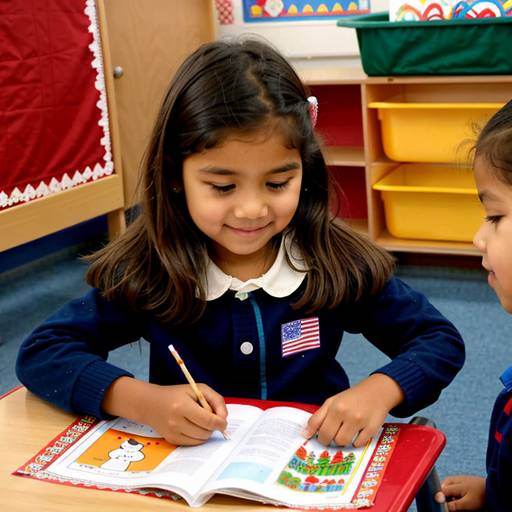
This preschool lesson plan focuses on teaching students about diversity and celebrating the unique cultures present in their classroom and community. The session begins with a group discussion to introduce the concept of diversity, supported by a world map to illustrate different countries and cultures. Students participate in a read-aloud activity featuring picture books that highlight diverse experiences and traditions, followed by a discussion to connect the stories to their own lives.
Next, the lesson incorporates music from various cultures, encouraging students to engage by dancing or playing simple instruments, emphasizing the unifying power of music. An art activity allows each child to create a piece representing their own culture or family tradition, which will be combined into a collaborative “Culture Quilt” for display.
The lesson concludes with a sharing session where students present their artwork, reflecting on its significance. To close, the class sings a song about friendship or diversity, reinforcing the lesson's themes. Ongoing assessment is based on student participation, engagement, and willingness to share. The plan includes adaptations for varying abilities and suggestions for future activities to deepen students' understanding of cultural diversity.

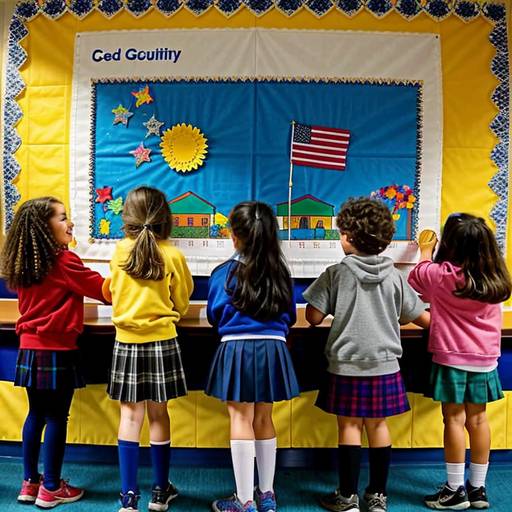
In this 2nd-grade social studies lesson, students will explore the concept of community and the importance of diversity within it. The lesson begins with a discussion about what constitutes a community, encouraging students to share their thoughts and experiences. Students will then complete a worksheet reflecting their unique backgrounds, favorite traditions, and cultural practices, followed by a sharing circle to promote active listening and respect for each other's stories.
The main activity involves creating a collaborative mural that symbolizes the diversity in the classroom. Students will work in small groups to design sections of the mural, incorporating symbols and ideas that represent their backgrounds and cultures. After assembling the mural, the class will reflect on what they learned about each other and the value of diversity in strengthening their community.
Assessment will include observations of student participation, review of their completed worksheets, and evaluation of the mural for creativity and teamwork. To extend the learning experience, a "Diversity Day" can be organized, allowing students to further celebrate their cultural differences by dressing in traditional attire and sharing food or stories with their peers. Overall, the lesson aims to foster a sense of belonging and appreciation for diversity among students.
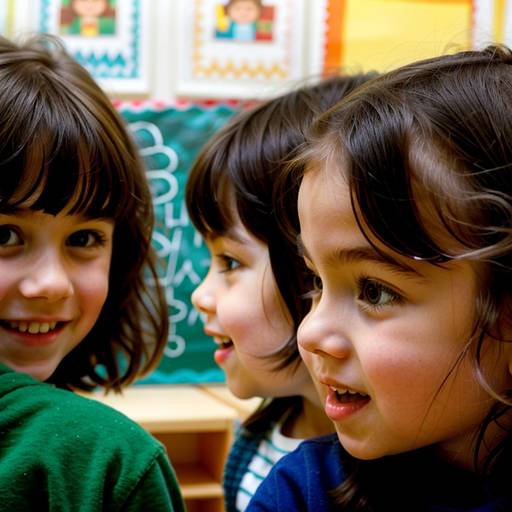
In this preschool lesson plan focused on emotional awareness, students will engage in activities designed to help them identify and express various feelings. The session begins with a circle time where children explore different emotions through facial expressions and discussion. A storybook centered on emotions will be read aloud, prompting students to relate the characters' feelings to their own experiences.
Following the story, students will contribute to a feelings chart by matching emotion cards with their current feelings and explaining their choices. An art activity will allow children to draw scenes that represent emotions they have experienced. The lesson concludes with reflections where students share their artwork and receive "Emotion Explorer" sticker badges for their participation.
Overall, this plan aims to foster emotional literacy by encouraging students to recognize, articulate, and appropriately express their feelings in a supportive group setting.

This lesson plan is designed for infants aged 0-24 months and focuses on recognizing and expressing basic emotions through interactive activities. It begins with an introduction to the importance of emotional understanding for social development, followed by a warm-up activity where infants engage with their reflection in a mirror to explore various facial expressions.
Next, caregivers and infants participate in a game using emotion flashcards, helping infants mimic and understand different emotional cues. A circle activity introduces soft toys representing various feelings, allowing for storytelling and tactile interaction to reinforce emotional concepts.
The program includes a movement segment where caregivers and infants dance with colorful scarves, creatively expressing emotions through movement. Finally, the session concludes with a closing circle for shared reflections and tips for caregivers to incorporate emotional recognition into daily routines.
The assessment involves observing infant engagement and caregiver participation, while follow-up resources are provided to encourage ongoing emotional exploration at home. Overall, the lesson aims to foster early emotional literacy and develop social skills in a playful and supportive environment.


In this engaging lesson plan designed for toddlers, children are introduced to the concept of emotions through a variety of interactive activities. The session begins with a welcoming atmosphere, where students share their knowledge of feelings. A selected storybook serves as a catalyst for identifying and discussing different emotions, prompting children to reflect on characters' feelings and relate them to their personal experiences.
Participants then immerse themselves in an imaginative interactive activity that visualizes emotions through a creative “Emotion Ocean” setup, where each wave represents a different feeling. Using plush toys, children act out scenarios that depict various emotions, encouraging them to express themselves confidently while sharing their own experiences.
Movement and expression are fostered through a dynamic game using colorful scarves, where kids demonstrate emotions through dance. This activity reinforces the idea that feeling various emotions is natural and beneficial to express.
The lesson also includes an art component where children draw a face reflecting their emotions, offering them an opportunity to articulate their feelings creatively. The session concludes with a group discussion to recap the emotions explored and includes a fun song or poem related to feelings to consolidate their learning.
The plan emphasizes active participation, emotional awareness, and the importance of verbal and non-verbal expression, culminating in a supportive environment where children feel safe to share their feelings with peers. Parents are encouraged to extend this exploration at home for continuous learning.
This lesson plan focuses on enhancing toddlers' emotional vocabulary and understanding through engaging activities. It begins with a circle time introduction to basic emotions using flashcards, encouraging children to repeat and discuss each feeling. A story that highlights emotional themes is read, prompting children to identify and relate to the characters' feelings. The lesson includes a playful charades activity where children guess emotions acted out with puppets, allowing them to express their own experiences.
To foster creativity, toddlers will participate in a reflective drawing activity, illustrating situations that make them feel happy, sad, or any other emotion discussed. They will then use an emotions wheel to identify and share their current feelings with the group.
The session concludes with a closing circle where children can express one word describing their feelings today, reinforcing the importance of emotional expression. This plan encourages emotional literacy through interactive play and supports toddlers in recognizing and articulating their emotions. Extension activities are suggested to further deepen their understanding of emotions over time.
This lesson plan aims to support toddlers in identifying, expressing, and understanding various emotions through engaging activities. It begins with an introductory song that sets a positive tone, followed by an interactive flashcard activity where children learn to recognize emotions and imitate corresponding facial expressions. During mirror time, they explore how their faces reflect feelings.
Kids then engage in a drawing activity, where they illustrate themselves experiencing an emotion of their choice, further solidifying their understanding of emotional vocabulary. Storytime features an emotion-themed book, which prompts discussion about feelings and personal connections. The lesson incorporates movement by having children dance to emotion-themed music, allowing them to connect physical expression with emotional responses.
Finally, the group gathers to share what they learned, reinforcing emotional vocabulary and encouraging self-expression. Throughout the activities, emphasis is placed on creating a supportive environment where children feel comfortable discussing and expressing their emotions. This lesson lays a foundational understanding of emotions and promotes emotional intelligence in young learners.
This lesson plan focuses on helping preschool children understand and express their emotions in the context of family. The session begins with a group discussion about family structures and the emotions associated with family experiences. Children engage in identifying different feelings through facial expression cards, sharing personal stories related to those emotions. This is followed by a storytime segment featuring a book about family dynamics, where children reflect on characters' emotions and make connections to their own lives.
Afterward, children participate in a creative activity where they create their own family trees, adding drawings and names of family members while expressing their feelings about each one. The lesson concludes with a reflective circle where children share what they learned and appreciate about their families. The overall goal is to foster emotional awareness and strengthen the connections children have with their family members. An extension activity encourages parents to continue the conversation at home, promoting ongoing emotional development.
This lesson plan focuses on teaching 3rd-grade students the principles of digital citizenship and raising awareness about cyberbullying. The lesson begins with a discussion on what it means to be a good citizen both online and offline, followed by an engaging video that illustrates the key concepts. Students then participate in small-group activities where they analyze scenarios related to cyberbullying and devise kind responses, fostering empathy and solution-oriented thinking.
To reinforce their learning, students engage in an interactive Bingo game that highlights the importance of kindness in digital interactions. The lesson concludes with a reflection on the key takeaways, encouraging students to commit to spreading kindness online. Overall, this plan aims to equip students with the knowledge and skills needed to create a respectful and supportive digital environment.