
Filters
Level
Grade
Subject
Subject Area
Subject Topic
Standard(s)
Audience
Keyword
DurationMinutes
Lesson Plans

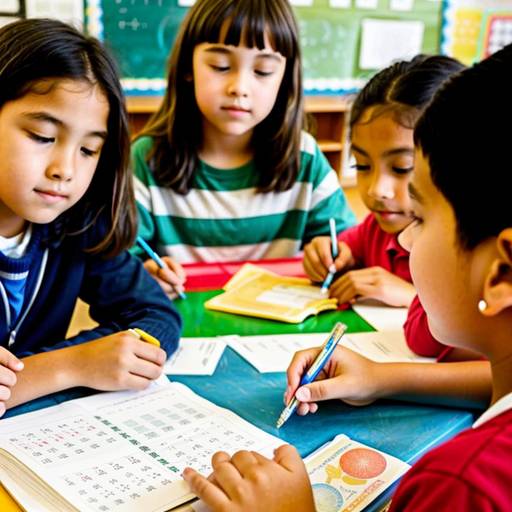
This 4th-grade math lesson focuses on the concepts of money and budgeting. The lesson begins with an engaging discussion about the purposes of money, followed by an introduction to budgeting and its significance in managing finances. Students review different coins and bills before working through an example scenario where they must allocate a budget for a birthday party.
In guided practice, students break into small groups to create a budget for an event using play money, calculating their total expenses against a fixed budget. They then work independently on a budget worksheet, planning their hypothetical event expenditures. The lesson concludes with a few students sharing their budgets and decisions, reinforcing the importance of making thoughtful spending choices. Assessment is conducted through observation and review of the worksheets, while a follow-up activity encourages students to track their spending habits at home. This approach promotes collaboration, critical thinking, and real-world application of math skills.
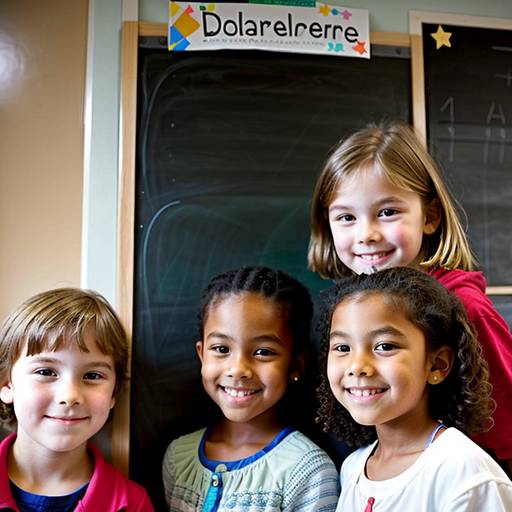
The lesson plan focuses on introducing 1st-grade students to the concepts of money, specifically coins and their values. It aims to help students identify different types of coins—pennies, nickels, dimes, and quarters—and understand how to count them. The lesson begins with an engaging discussion on money and its purpose, followed by direct instruction where students learn the names, images, and values of each coin.
In the guided practice segment, students group and count their coins collectively, promoting collaboration and reinforcing their counting skills. The highlight of the lesson is an interactive "store" activity, where students can buy items priced at 1-10 cents using play money. This hands-on experience allows them to apply their counting knowledge in a real-world context.
The lesson concludes with a group discussion where students share their experiences and what they learned. Assessment includes observing students during the activity and collecting worksheets to evaluate their understanding of coin identification and counting. Additionally, differentiation strategies are included to support a range of learning needs. Overall, the lesson combines direct instruction, practice, and interactive engagement to create a comprehensive learning experience centered around money.
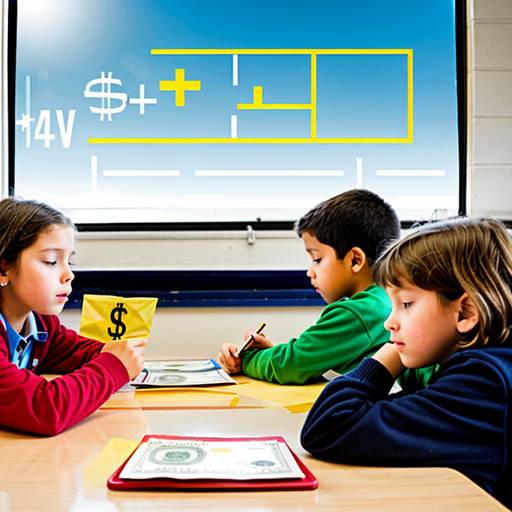
In this engaging 60-minute math lesson for 2nd graders, students will explore the fundamentals of money, specifically focusing on identifying and valuing different coins. The lesson begins with a discussion about the role of money in everyday life and an introduction to the various types of coins—pennies, nickels, dimes, and quarters. Through interactive activities, students will categorize and total real or play coins in small groups, reinforcing their understanding of coin values.
Following this, they will complete worksheets featuring simple addition problems involving coins, allowing them to apply their knowledge in a structured format. The hands-on component of the lesson will involve a classroom store setup where students can use play money to "purchase" items, further practicing counting and making financial transactions.
The lesson concludes with a reflection session that provides students an opportunity to share what they learned, along with an exit ticket task that reinforces their understanding. Throughout the lesson, the teacher will assess student engagement and comprehension, providing support as needed and offering differentiated activities for varying skill levels. This comprehensive approach ensures that students not only grasp the concept of money but also gain practical skills in handling it.

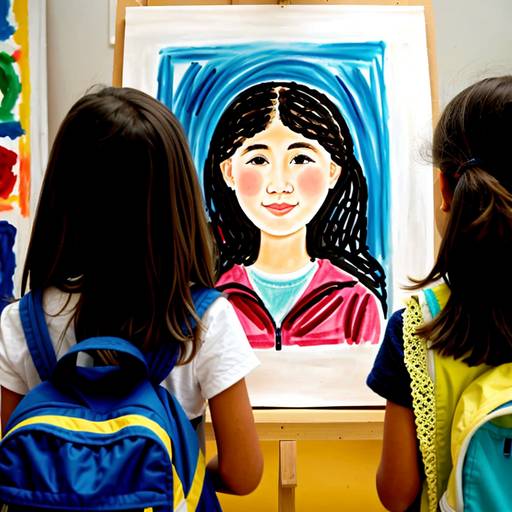
In this preschool art lesson, children will explore the connection between emotions and creative expression through various art materials. The session begins with a discussion about different feelings and the colors associated with them, encouraging children to share their thoughts. After a warm-up activity where they draw simple facial expressions, the main focus shifts to creating a large piece of art that reflects their current emotions. Children will have access to crayons, markers, watercolors, and pastels, allowing them to express themselves freely while working in a calming environment enhanced by soft background music. At the end of the activity, children will share their artwork with the group, describing the feelings they portrayed. The lesson concludes with a clean-up activity, reinforcing teamwork and responsibility. Displays of their finished work will celebrate their creativity and foster ongoing discussions about emotions in future lessons. The overall aim is to develop fine motor skills and enhance emotional literacy through artistic expression.

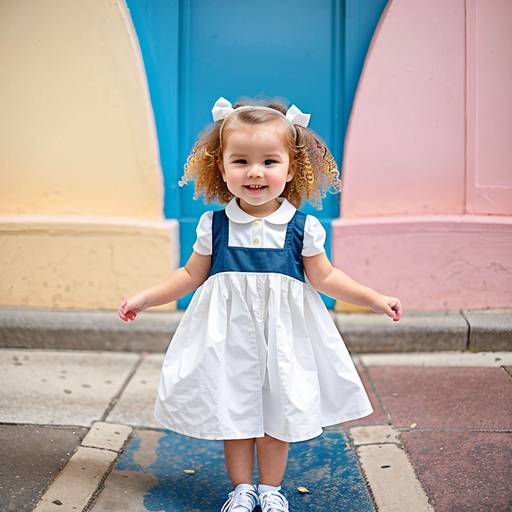
This lesson plan focuses on teaching toddlers the importance of self-care and hygiene through engaging activities centered around getting dressed. The objectives include helping children identify different articles of clothing, understand their purposes, and practice dressing skills.
The session begins with an introduction to clothing concepts, followed by a storytime featuring a book that illustrates various clothing items for different occasions. Children will explore a selection of clothing items, matching them with picture cards to reinforce learning.
During a dress-up activity, toddlers will dress dolls or stuffed animals and, if space permits, try on clothing themselves. Music will play a role as participants sing a fun song about getting dressed while practicing the movements involved in the process. The lesson concludes with a closing circle, where children reflect on their favorite clothing and the importance of dressing themselves.
Throughout the lesson, assessment will be based on children's engagement and participation in activities, while opportunities for adaptations ensure support for all learners. Overall, this plan promotes independence and fine motor skills in a fun, interactive environment.
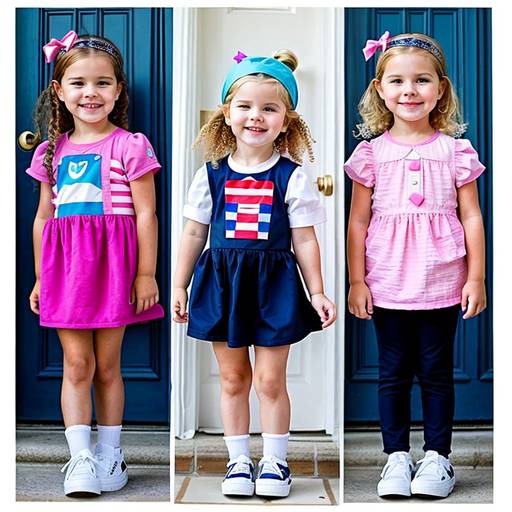
This lesson plan focuses on helping toddlers develop essential self-care skills related to getting dressed. It begins with an engaging circle time where children explore the importance of clothing, followed by a story that highlights various outfits. The next activities include a matching game to identify different clothing items and a fun dressing relay that teaches the correct order for putting on clothes, fostering both cooperation and physical skills.
To reinforce hygiene, children will learn the importance of keeping clothes clean and engage in a brief handwashing discussion. The lesson concludes with a reflective circle where children share their favorite moments and a farewell song to wrap up the session positively. Throughout the activities, the emphasis is on building confidence and independence in dressing, making it an enjoyable and educational experience.
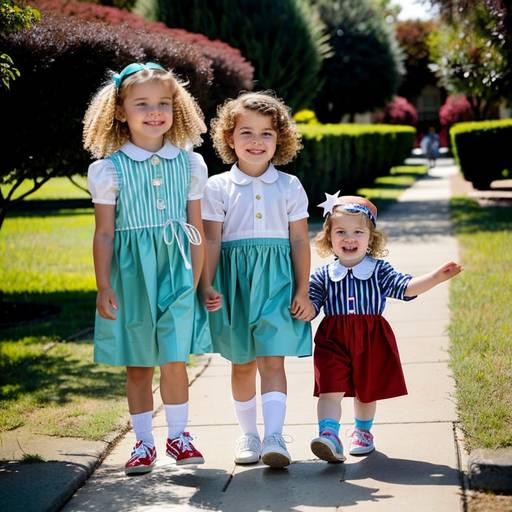
This lesson plan focuses on teaching toddlers the importance of getting dressed independently while promoting self-care and hygiene. It begins with a circle time discussion, where children are encouraged to talk about different clothing items and when to wear them. A story related to dressing is read to reinforce vocabulary and concepts, followed by an interactive dressing activity where students practice putting on various clothing items with guidance.
To enhance engagement, a movement and music segment invites children to mimic dressing actions, fostering both physical activity and fun. The lesson wraps up with a reflection circle, allowing students to share their favorite clothing items and discuss the feelings associated with dressing by themselves. An optional extension activity includes creating a chart for students to track their progress in dressing independently at home. Overall, the lesson aims to foster independence, improve fine motor skills, and encourage a positive attitude toward self-care routines.

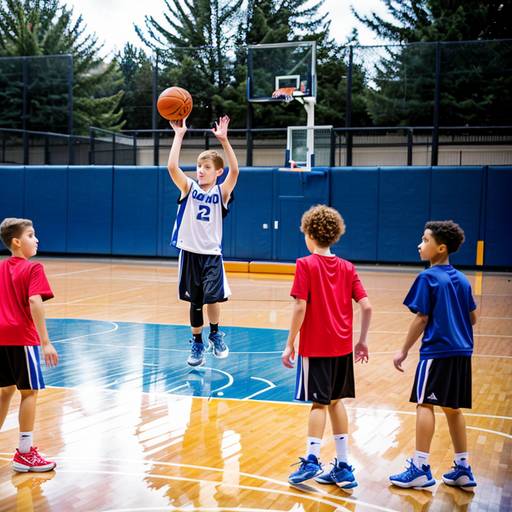
In this 60-minute physical education lesson for 4th-grade students, the focus is on introducing essential basketball skills: dribbling, passing, and shooting. The session begins with a warm-up that includes jogging and dynamic stretches, followed by a brief discussion about the objectives and basic rules of basketball.
Students rotate through three skill stations where they practice dribbling through a cone course, executing chest and bounce passes with partners, and refining their shooting technique from various distances. Each station lasts about 10 minutes, allowing students to develop their skills progressively.
After skill practice, the class splits into two teams for a mini-game that emphasizes teamwork and the skills practiced. Students are encouraged to communicate and work together on the court, with a guideline of limited dribbles to facilitate passing.
Finally, the lesson concludes with a cool-down involving walking and stretching, followed by a group reflection where students share their experiences and insights about teamwork and skills in basketball. Throughout the lesson, the instructor observes and provides feedback, ensuring safety and encouraging effort and improvement among all students. Modifications are available for those who may need additional support or adaptations.
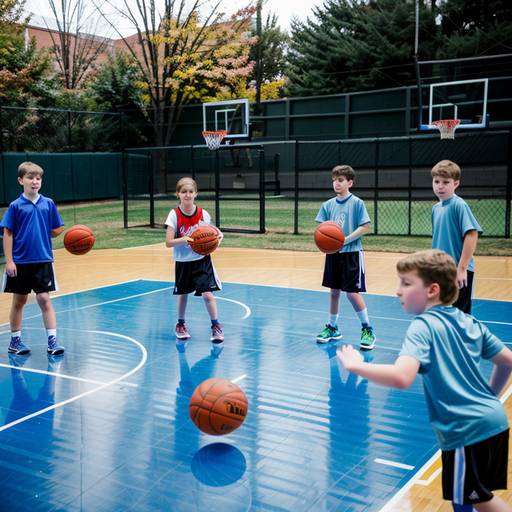
This 5th-grade Physical Education lesson focuses on teaching students fundamental basketball skills, including dribbling, passing, and shooting. The session begins with a dynamic warm-up to prepare students physically while introducing them to basic game concepts and rules. Students participate in skill drills where they practice dribbling using both dominant and non-dominant hands, various passing techniques with a partner, and shooting form using the B.E.E.F. method.
Following the skill development phase, students are divided into small teams for a modified half-court game that emphasizes teamwork and communication, with an emphasis on passing before attempting to shoot. The lesson concludes with a cool-down period involving stretching and group discussion, allowing students to reflect on their skills, teamwork, and sportsmanship throughout the activities. Assessment occurs through observation and student feedback. Adaptations are available for learners of varying skill levels to ensure an inclusive environment where everyone can participate and improve.

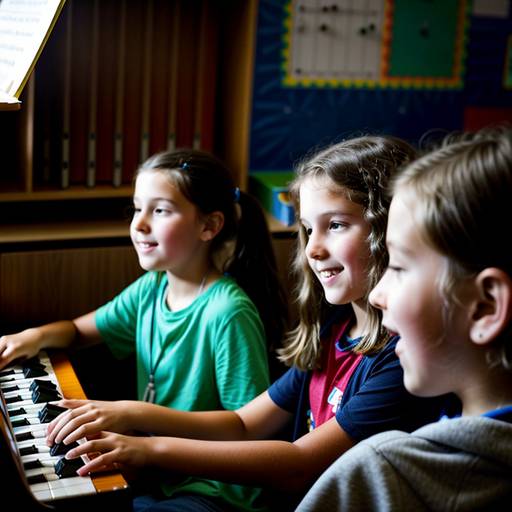
In this 45-minute music lesson for 3rd graders, students will explore the concept of dynamics in music, learning about the terms forte (loud), piano (soft), mezzo forte (moderately loud), and mezzo piano (moderately soft). The lesson begins with an engaging discussion about dynamics, followed by a listening activity where students identify these dynamic changes in various musical clips.
Students will then break into small groups to create and present rhythm patterns using different dynamics with instruments provided. Afterward, they'll engage their voices in a creative exercise where they compose a short musical phrase that incorporates at least two dynamics, using movement to illustrate the changes.
The lesson concludes with a class discussion that highlights how dynamics influence the emotional expression in music. Student participation, both in group activities and their presentations, will be observed to assess their understanding and implementation of dynamics. For an extension, students will be encouraged to identify dynamics in their favorite songs and share their findings in the next class.