
Filters
Level
Grade
Subject
Subject Area
Subject Topic
Standard(s)
Audience
Keyword
DurationMinutes
Lesson Plans
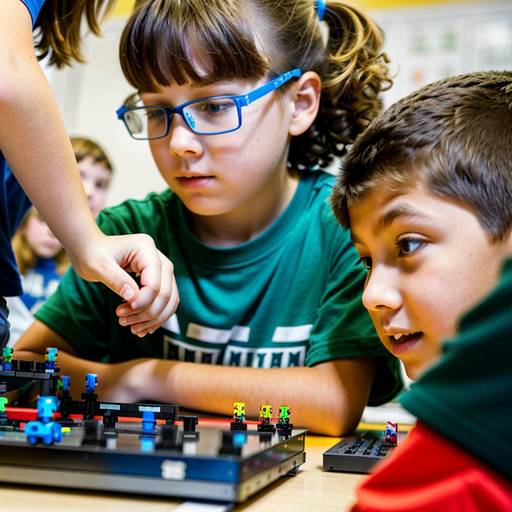
In this 90-minute lesson for 5th-grade students, learners will explore robotics and programming through a hands-on, collaborative experience. The lesson starts with a discussion about robotics and its applications, introducing students to the basic components of a robot. Students will then be divided into small groups, each receiving a robotics kit to construct their own robot.
After completing their builds, groups will learn to use programming software to code their robots for specific tasks, such as navigating a maze or following a pattern. The lesson culminates in testing and demonstrating their robots’ abilities in a friendly challenge, encouraging teamwork and problem-solving throughout the process.
Finally, the class will come together for a reflection on their experiences, discussing challenges faced and lessons learned in both building and programming their creations. This interactive lesson not only fosters technical skills but also emphasizes collaboration and critical thinking.
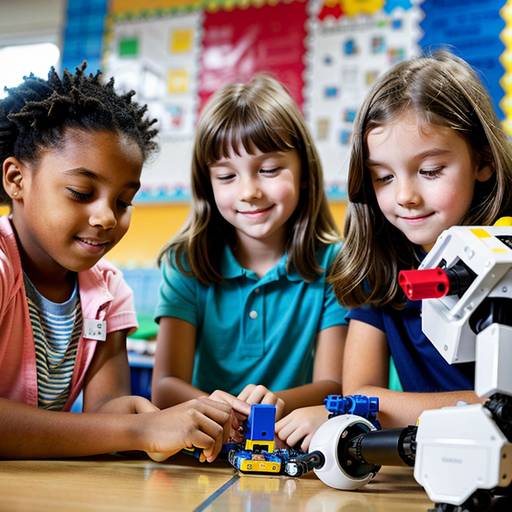
In this 60-minute technology lesson for 2nd graders, students are introduced to robotics through an engaging and interactive building activity. The lesson begins with a brief video showcasing different robots in action, followed by a discussion on how robots assist in various real-world applications.
Students learn about the essential components of a robot—sensors, processors, and actuators—before being guided through the engineering design process, which includes steps such as asking questions, imagining ideas, planning designs, creating prototypes, and improving their builds.
Working in pairs, students then sketch their robot ideas and construct their creations using LEGO bricks and craft supplies. They present their robots to the class, sharing the functionality and materials, while classmates ask questions. The lesson wraps up with a reflective discussion on what students learned, the challenges they encountered, and how they overcame them. Ongoing assessment occurs through observation, verbal feedback, and a simple rubric evaluating creativity, functionality, and teamwork.
Opportunities for extension and differentiation are also included to accommodate students’ varying abilities and interests. Overall, this lesson fosters creativity, collaboration, and a foundational understanding of robotics.
This lesson plan is designed for fourth-grade students to introduce them to the fundamentals of robotics and robot engineering over two class periods. The objectives include understanding basic robotic concepts, identifying robot components and their functions, assembling a simple robot using a robotics kit, programming the robot for basic movements, and collaborating in teams to tackle a robotics challenge.
During the first class, students are engaged in discussions about robots and their everyday applications, followed by a presentation on robot components. They work in groups to complete an activity matching parts to functions and receive an introduction to their robotics kits, learning how to assemble basic structures.
The second class focuses on the actual building and programming of the robots. Students work in their groups to construct their robots, experiment with programming software, and participate in a challenge where they navigate or manipulate objects. They present their creations to the class, discussing their design processes and the challenges they encountered.
Assessment will include observations of group dynamics, completion of worksheets, and evaluations based on presentations. Extensions for advanced students can introduce more complex programming or sensors, and a showcase can allow students to share their work with a broader audience. Safety and support will be ensured throughout the activities.
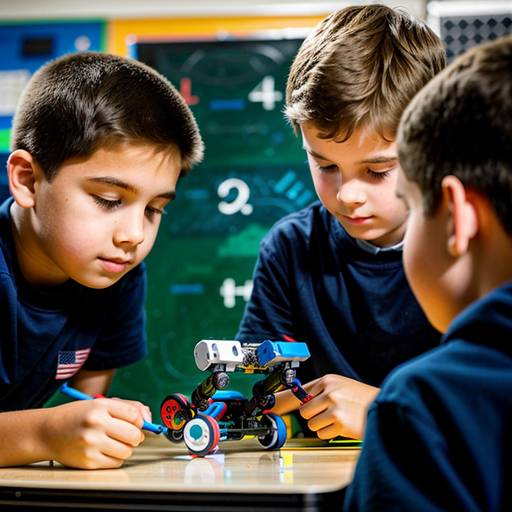
In this 4th Grade technology lesson, students will explore the fundamentals of robotics and programming through hands-on activities. They will start by discussing what robots are and identifying their components such as sensors and motors. Working in small groups, students will brainstorm, design, and build their own robots using provided kits and craft materials, focusing on a specific task their robot will perform.
Once their robots are constructed, students will learn to program their devices using basic coding commands to control movements and actions. The lesson culminates in a testing phase where students will demonstrate their robots' functionality, troubleshoot any issues, and reflect on their experiences. By the end of the lesson, students will have gained collaborative skills, problem-solving techniques, and foundational knowledge in robotics and programming.
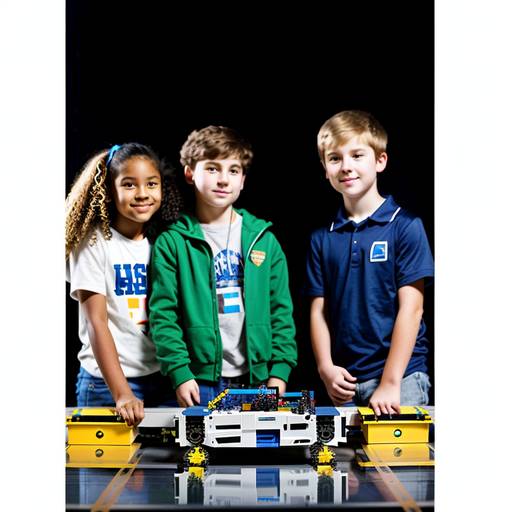
In this engaging 4th-grade technology lesson, students will explore the world of robotics by building and programming their own simple robots. The lesson begins with an introduction to the basic concepts of robotics and examples from everyday life. Students will work in small groups to design and construct their robots using LEGO robotics kits, encouraging creativity and collaboration.
Following the building phase, they will learn how to program their creations using appropriate software to execute specific tasks. Once the programming is complete, students will participate in a series of challenges, navigating their robots through an obstacle course. Reflection discussions will allow them to evaluate their strategies and make improvements.
Assessment will focus on participation, robot performance in the challenges, and group reflections on their experiences. Extensions to the lesson can include advanced robotics concepts or art integration, further enhancing their learning. The overall goal is to foster teamwork, problem-solving, and a deeper understanding of technology and engineering.
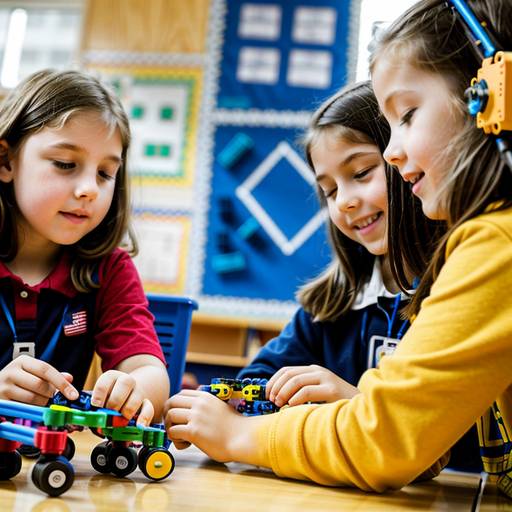
In this 3rd-grade technology lesson, students will explore the exciting world of robotics through hands-on engagement. The lesson begins with a discussion about robots, where students share their knowledge and observations about robots in everyday life. A short video will enhance their understanding of various robotic applications.
After this introduction, students will work in small groups to design their own robots. They will use worksheets to sketch their ideas and determine the materials needed for construction. Once planning is complete, groups will receive robotics kits and construction supplies to build their robots collaboratively.
As the session progresses, students will present their completed robots to the class, explaining their design choices and the intended functions of their creations. The lesson will conclude with a recap of key concepts and the significance of collaboration in engineering challenges, along with a potential homework assignment to research robots. Overall, students will gain foundational insights into robotics while developing teamwork and problem-solving skills.
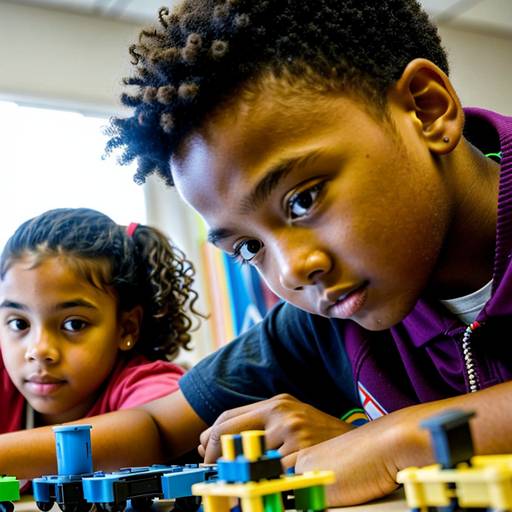
In this engaging technology lesson for 3rd graders, students will explore basic robotics concepts through hands-on activities. The lesson begins with an introduction to robotics, highlighting various types of robots and their components. Students will be divided into small teams, where they will build and customize robots using provided kits. Following the assembly, teams will learn how to program their robots to perform specific tasks, fostering collaboration and problem-solving skills.
Students will then participate in a series of challenges, such as navigating a maze, picking up objects, and maneuvering through an obstacle course, allowing them to apply their building and programming skills in a fun, competitive environment. The lesson concludes with a reflective discussion, where students share their experiences, challenges faced, and what they learned about teamwork and creativity in robotics. The overall goal is to provide students with a foundational understanding of robotics while encouraging critical thinking and collaboration.
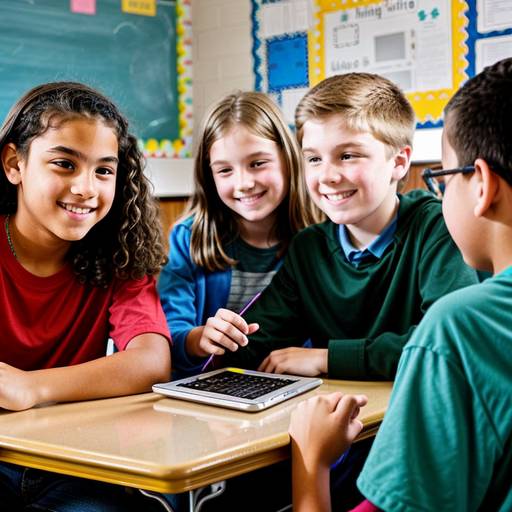
This lesson plan focuses on educating 5th-grade students about the principles of digital citizenship, with an emphasis on recognizing and preventing cyberbullying. The objectives include defining digital citizenship, identifying cyberbullying and its effects, demonstrating respectful online communication, and creating a personal action plan to respond to cyberbullying incidents.
The lesson begins with a video exploring digital friendships and the importance of kindness online, followed by a presentation on key concepts and statistics related to cyberbullying. Students are then engaged in small group activities where they analyze scenarios of online interactions, distinguishing between positive communication and cyberbullying.
As a class, students discuss strategies for responding to cyberbullying and produce a personal Cyberbullying Response Plan. The lesson concludes with reflections on their learnings and recommendations for fostering a positive digital environment. Assessment is based on participation, the quality of the response plan, and contributions during discussions. Extension activities encourage creative projects that promote awareness and positive behavior in the digital realm. Overall, the plan aims to equip students with the knowledge and tools necessary to navigate the online world safely and responsibly.
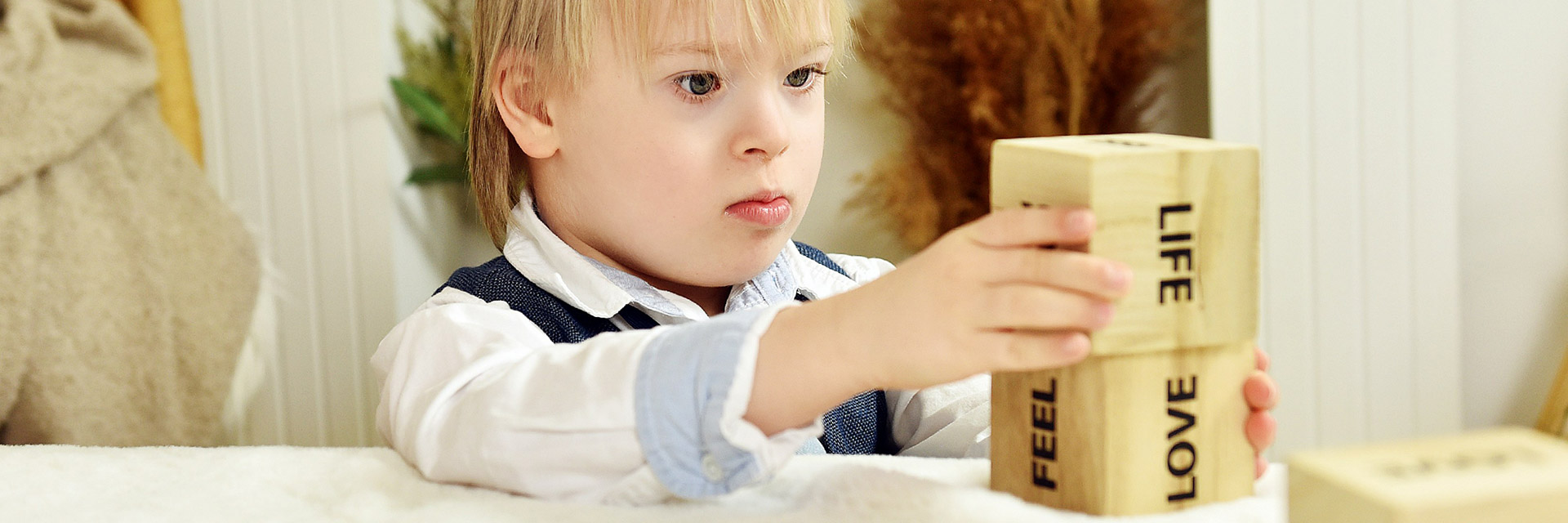
This lesson plan is designed to teach toddlers essential teamwork skills through interactive play and activities. The session begins with a group discussion about the concept of teamwork, followed by a reading of a picture book that illustrates collaboration. An icebreaker activity encourages children to pass scarves around the circle, fostering communication and cooperation.
The main activity involves dividing the children into small groups to build a bridge using large building blocks, promoting teamwork as they discuss and share responsibilities. After a movement break featuring a dance party with musical instruments, the lesson concludes with a reflection circle where children share their experiences and feelings about working together. Throughout the session, the emphasis is on encouraging positive communication, sharing, and supporting one another, making the idea of teamwork both fun and relatable for toddlers.
In this lesson plan for toddlers, students will develop problem-solving skills through engaging activities that emphasize collaboration and communication. The session begins with a circle time discussion, where children listen to a story that features a problem and explore the challenges the characters face. They then identify common problems through pictures and express their feelings related to them.
Next, children are divided into small groups to work with building blocks, addressing specific problem scenarios. They collaboratively create solutions by constructing a "bridge" with the blocks, symbolizing their approaches to resolving conflicts with peers. Afterward, students have the opportunity to express their ideas creatively by drawing their envisioned solutions on paper.
The lesson concludes with a wrap-up circle, where each group shares their creations and reflects on the learning experience. Throughout the session, teachers will assess the children's participation and ability to communicate and collaborate, helping to lay the groundwork for essential social skills as they develop.