
Filters
Level
Grade
Subject
Subject Area
Subject Topic
Standard(s)
Audience
Keyword
DurationMinutes
Lesson Plans
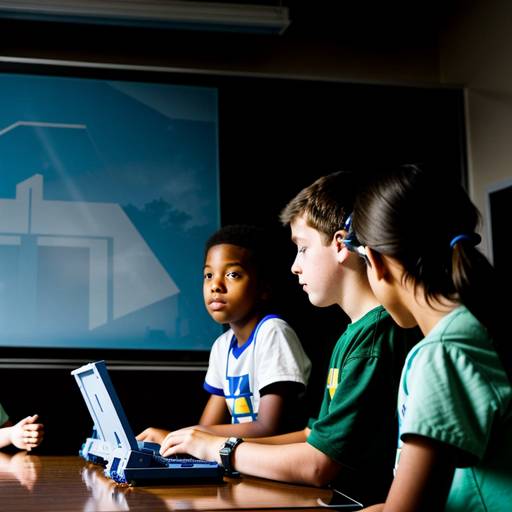
This 5th-grade technology lesson focuses on exploring robotics and its applications in various fields. Over two class periods, students will engage in activities that help them understand different types of robots, their functionalities, and the coding that enables them to perform specific tasks.
On the first day, students will watch a video showcasing robots in action and discuss their real-world applications. They will work in small groups to research a specific type of robot, culminating in presentations to share their findings with the class. The lesson will also introduce basic coding concepts relevant to robotics.
On the second day, students will work collaboratively in groups to build simple robots using provided kits and program them to perform tasks. They will demonstrate their creations to the class, explaining the programming behind their robot's movements. Reflection worksheets will help students consolidate their understanding of robotics concepts and provide insight into their learning experience.
This hands-on approach encourages teamwork, creativity, and critical thinking, while connecting students with real-world technology applications. Extensions and adaptations are included to accommodate varying skill levels and encourage further exploration in the field of robotics.

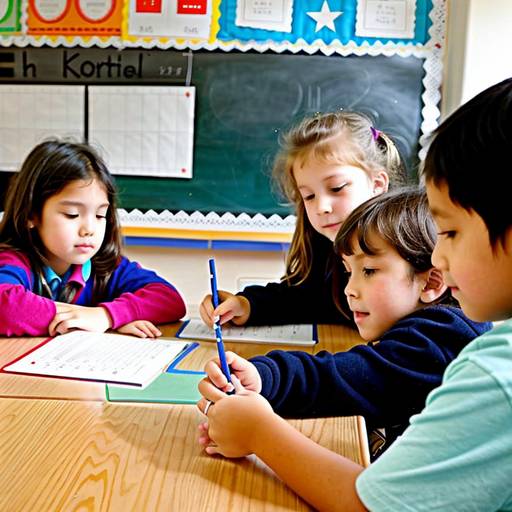
In this 1st-grade math lesson plan, students will explore the concept of multiplication by understanding it as repeated addition through hands-on activities. The lesson begins with an engaging discussion about grouping objects, using counting bears to demonstrate how to create equal groups. Students will physically group the bears and learn to formulate multiplication equations based on their groupings, reinforcing vocabulary associated with multiplication.
As part of a collaborative activity, students will work in small groups to decide how to arrange a given number of bears into equal groups and present their findings to the class, explaining their equations. The lesson concludes with a review of key concepts and an interactive quiz to assess understanding. Students will complete a worksheet for homework to further practice their skills. Optional extensions involve creating a multiplication display in the classroom and incorporating storytelling for additional reinforcement of the concept. Overall, the lesson aims to make multiplication tangible and engaging for young learners.

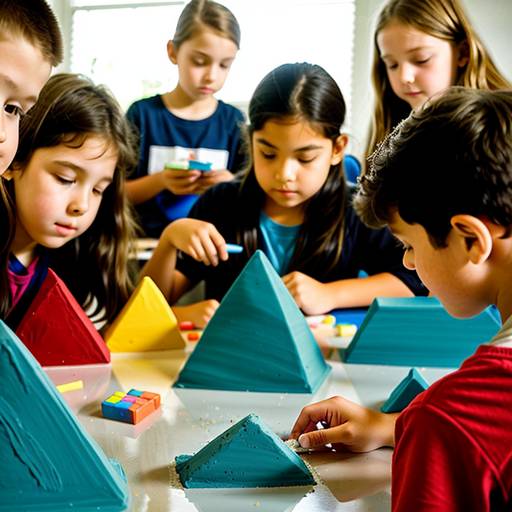
In this 4th-grade art lesson focused on ceramics, students will explore various art forms by creating their own unique clay sculptures. The lesson begins with an introduction to ceramics, including a discussion of shapes and textures, accompanied by visual examples from art history. After demonstrating basic hand-building techniques such as pinching, coiling, and slab building, students will have the opportunity to design and construct their own sculptures using these techniques.
Throughout the creation process, students will be encouraged to brainstorm and sketch ideas, applying their newfound skills to bring their artistic visions to life. The lesson includes time for clean-up and concludes with a sharing session where students present their creations and reflect on what they’ve learned about forms, functions, and the techniques employed. This engaging hands-on experience will inspire students to express their creativity while deepening their understanding of three-dimensional art.
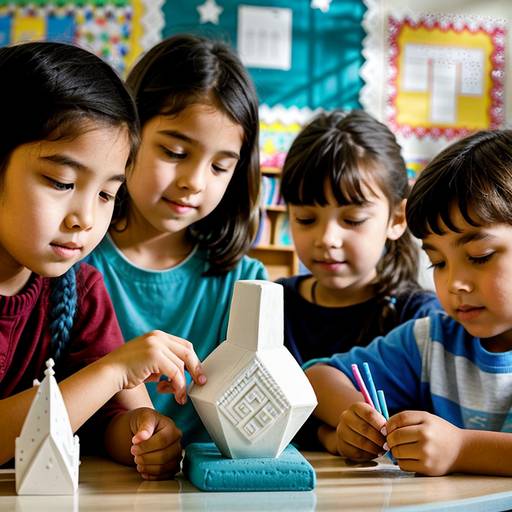
In this 1st grade art lesson, students will dive into the world of three-dimensional art by creating unique sculptures using air-dry clay. They will begin with a discussion about what sculpture is and how it differs from other art forms, while examining examples of various sculptures. Following this, students will explore basic shapes by modeling them in clay.
After a brief sketching activity to brainstorm their clay creature designs, students will have the opportunity to construct their sculptures using different clay shapes to form bodies, heads, and details. Throughout the activity, they will learn to combine shapes, attach pieces, and smoothly finish their creations.
At the end of the lesson, students will showcase their sculptures to the class, sharing stories about their creations and the shapes they used. The lesson will be assessed through observation of participation, creativity, and the final sculptures. Students will leave with an understanding of basic shapes in sculpture and a newfound appreciation for three-dimensional art.
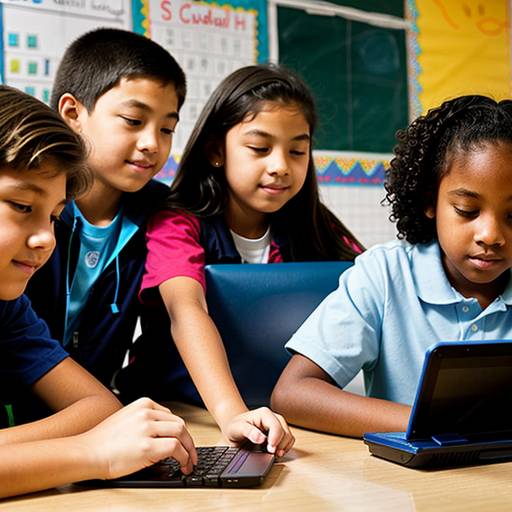
In this 4th-grade technology lesson plan, students will be introduced to the fundamentals of coding through the visual programming language Scratch. The lesson begins with a discussion about coding and its relevance in everyday technology, accompanied by an overview of the Scratch interface and its coding blocks. Students will engage in an exploration activity to familiarize themselves with Scratch, followed by a planning phase where they will design their own interactive games based on storyboards they create.
In the second part of the lesson, students will actively code their games, applying the concepts they learned about movement, objectives, and game mechanics. They will present their projects to the class, showcasing their creativity and the unique elements of their games. The lesson concludes with a reflection on their coding experience. Students will be assessed based on participation, planning documentation, and the complexity of their game creations, with opportunities for future extensions in coding concepts and collaboration.

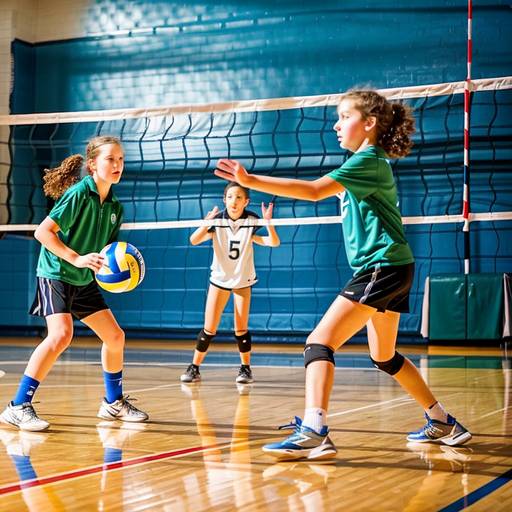
This 5th-grade physical education lesson focuses on teaching students the fundamental skills of volleyball, including bumping, setting, and spiking, while also introducing the basic rules of the game. The 60-minute session begins with a warm-up and an overview of volleyball concepts. Students rotate through skill stations where they practice bumping and setting with partners, followed by spiking techniques.
To apply their skills, students are divided into small teams for a mini-tournament, where they engage in friendly matches while learning about teamwork and communication. The lesson concludes with a cool-down and static stretching, allowing students to reflect on their learning experiences. Throughout the lesson, students receive feedback on their technique and sportsmanship, with adaptations made for varying skill levels. Teacher reflection is encouraged to enhance future lessons based on student feedback and performance.
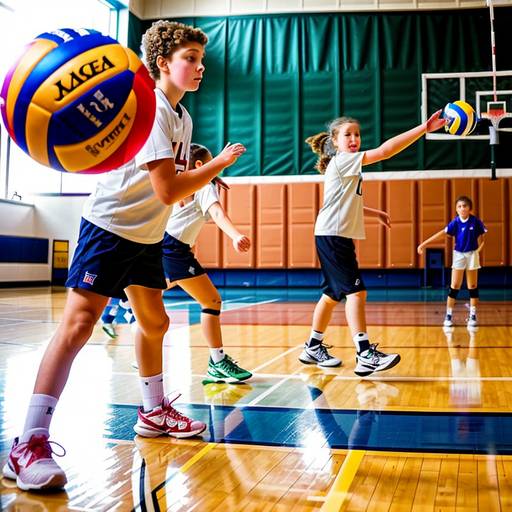
This 4th grade physical education lesson focuses on introducing students to the fundamentals of volleyball through engaging activities that emphasize skill development, teamwork, and communication. The lesson begins with a dynamic warm-up to prepare students physically and introduces them to interesting facts about volleyball.
Students will practice the essential skills of bumping and setting the ball in paired drills, receiving guidance and feedback from the instructor. Following skill development, the class will be divided into teams for mini volleyball matches, allowing students to apply what they’ve learned in a fun and cooperative environment while playing modified games that foster teamwork and sportsmanship.
The session concludes with a cool-down period featuring static stretching and a reflection on the day’s activities. Throughout the lesson, the instructor will assess students based on their technique, participation, and ability to work together effectively. Flexibility in timing and activity modifications will ensure an inclusive experience for all students.

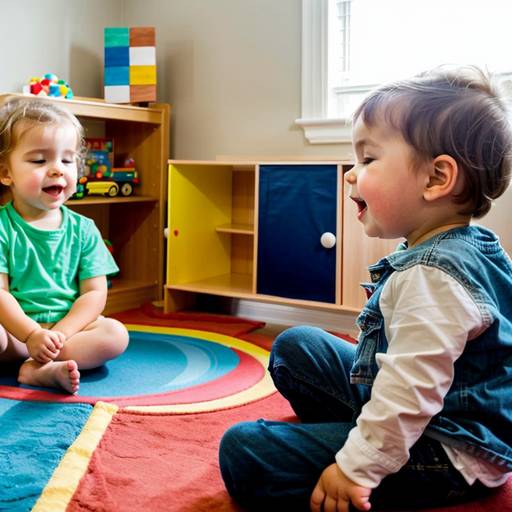
This lesson plan aims to support toddlers in developing self-regulation skills by exploring emotions and calming techniques. The session begins with an introduction where toddlers are gathered to discuss feelings and recognize different emotions through an engaging chart. They are then introduced to a special “Calm Down” box filled with various calming items, which they can use to help manage big feelings.
Next, the toddlers participate in a guided activity within a designated “Calm Down Corner,” utilizing soft music and cushions to create a calming environment. They practice deep breathing techniques while using items from the box. Following this, toddlers express their emotions through drawing, capturing how they feel after practicing their calming strategies.
The lesson concludes with a closing circle where each child shares insights about their learning experience. The plan emphasizes ongoing emotional awareness and self-regulation, encouraging daily practices that can be integrated into the classroom routine. Assessment is conducted through observation of the toddlers' engagement and ability to express and manage their emotions.
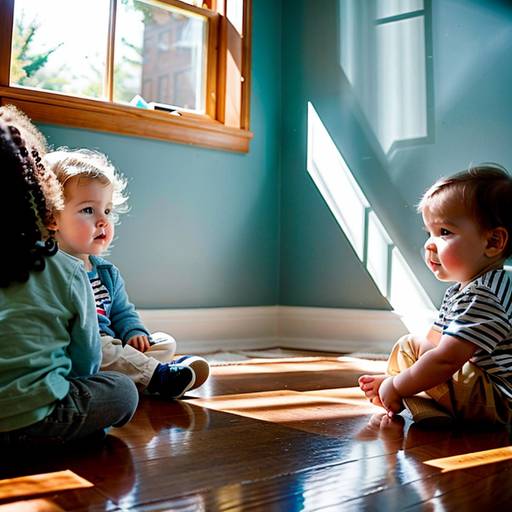
This lesson plan focuses on helping toddlers recognize and cope with their emotions through playful activities and guided discussions. The session begins with an introduction to different feelings using visual aids, followed by a story that illustrates emotional themes and encourages sharing personal experiences. A designated "Calm Down Corner" is introduced, featuring various coping strategies such as deep breathing, movement activities, and creative expression through art.
Children have the opportunity to explore these strategies hands-on, helping them to develop skills for managing their feelings. The group reflection encourages sharing and reinforces the importance of discussing emotions openly. The plan concludes with a calming activity in the corner, emphasizing that children can utilize these tools whenever they feel overwhelmed. Overall, this engaging approach aims to foster emotional awareness and provide toddlers with essential coping skills in a supportive environment.

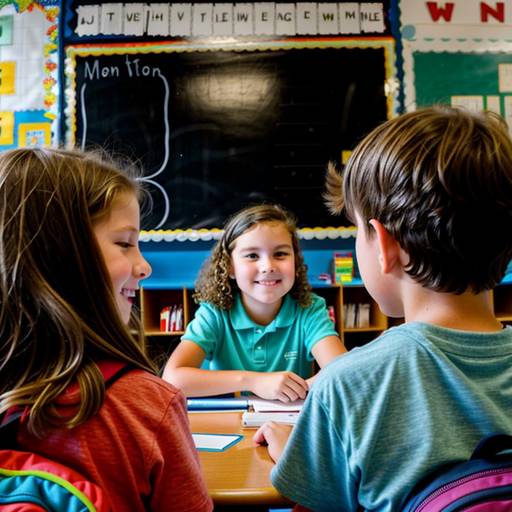
This 3rd-grade language arts lesson plan focuses on teaching students the rules of capitalization and how to apply them in their writing. The lesson begins with an engaging discussion about capital cities, emphasizing the importance of proper nouns. Students are introduced to key capitalization rules through direct instruction, utilizing a poster as a visual aid.
During guided practice, students work on a worksheet with sentences missing capital letters, collaborating to identify which words need capitalization. They then independently write a short paragraph about their favorite city, applying the capitalization rules learned. The lesson concludes with students sharing their paragraphs and reinforcing the rules through a chant or song. Assessment is based on their worksheets and paragraphs, with differentiation strategies in place for varying skill levels. An extension activity involves creating a "Capital City" bulletin board for ongoing practice and engagement. Overall, the lesson aims to enhance students' understanding and application of capitalization in their writing.