
Filters
Level
Grade
Subject
Subject Area
Subject Topic
Standard(s)
Audience
Keyword
DurationMinutes
Lesson Plans
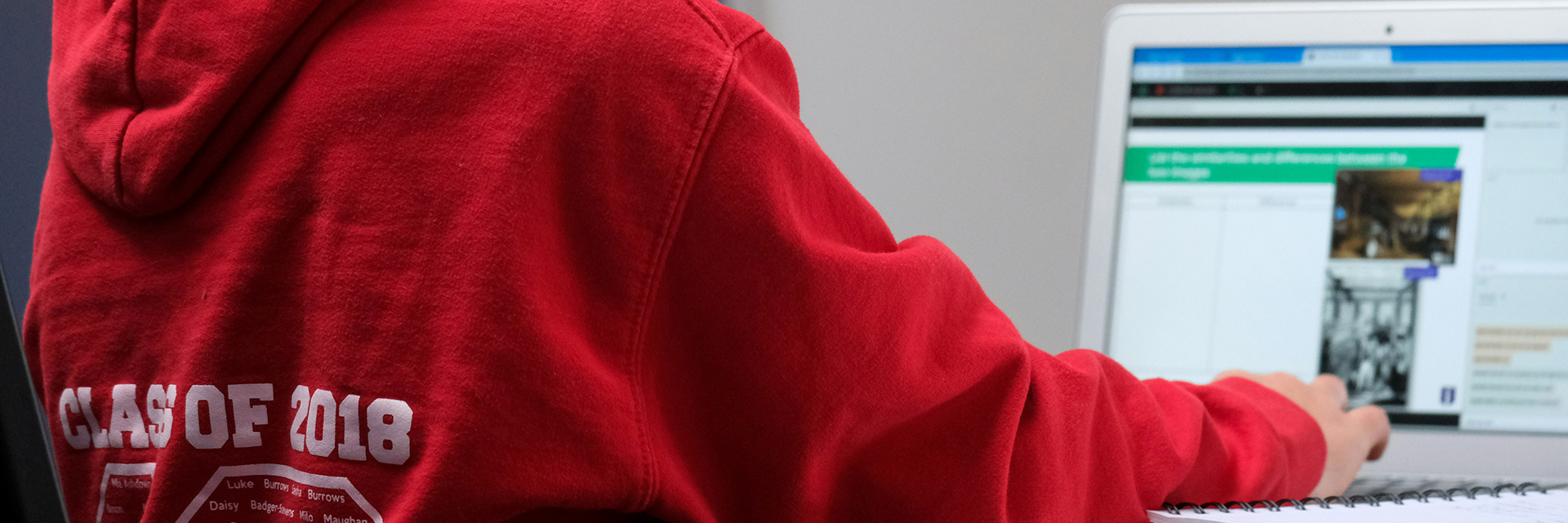
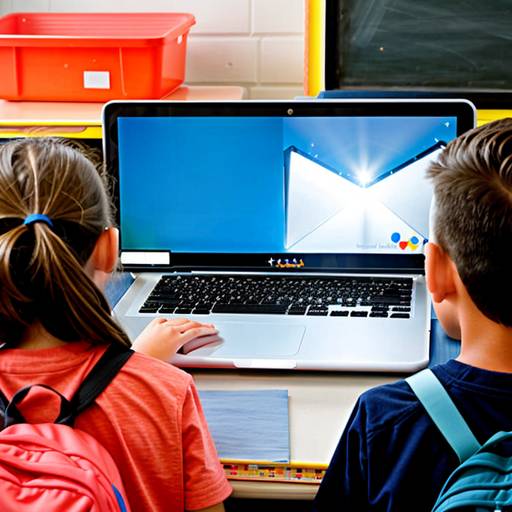
In this 2nd-grade technology lesson, students will learn the essential practices for maintaining and handling devices properly. The lesson begins with an engaging discussion about students’ favorite devices, followed by a short video that highlights the significance of device care. Key concepts including cleaning methods, safe storage, and careful handling will be introduced through direct instruction and a flashcard matching activity.
Students will then participate in a group project where they create a poster outlining various ways to care for devices, fostering collaboration and creativity. Afterward, each student will reflect on what they’ve learned by filling out a checklist on sticky notes, which will serve as an exit ticket. The lesson concludes with a review and an opportunity for students to share their takeaways. Assessments will be based on the group posters and individual exit tickets, with extensions offered for further engagement at home. Overall, the lesson aims to equip students with important skills to ensure the longevity and proper use of their technology tools.
This lesson plan focuses on helping toddlers develop empathy by recognizing and expressing their own feelings while also understanding the emotions of their peers. The session begins with an interactive introduction where children gather in a circle to discuss feelings illustrated by emotion flashcards. Through a storytelling segment, they engage with a narrative that highlights the importance of empathy, facilitating discussions about characters' emotions and needs.
Following the story, children participate in a role-playing activity with plush toys, acting out scenarios that reflect various feelings and demonstrating how to offer comfort. An art activity allows them to express their emotions visually by drawing experiences related to happiness, sadness, or other strong feelings.
The lesson concludes with a reflective exercise using mirrors, where children can see how emotions are expressed on their faces. Throughout the session, active participation and engagement are encouraged, promoting understanding and kindness in their interactions. The plan also suggests ways to incorporate ongoing empathy practices in the classroom environment.

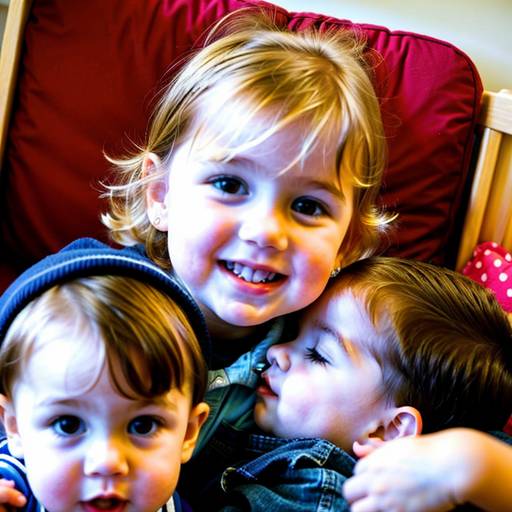
This lesson plan focuses on developing toddlers' understanding of empathy and emotional awareness by engaging them in various interactive activities. Beginning with a discussion of feelings using emotion cards, children learn to recognize different emotions through facial expressions in front of a mirror.
The session then includes role-playing with stuffed animals or puppets, allowing children to explore comforting behaviors and how to respond to others' emotions through a guided story. An art activity follows, where each child draws something that evokes emotions, promoting personal expression and sharing within the group.
The lesson concludes with a calming reflection and a group hug to reinforce the importance of caring for each other's feelings. Throughout the session, children are encouraged to identify their own emotions while gaining insights into the emotional experiences of their peers, laying a foundation for empathy and connection.

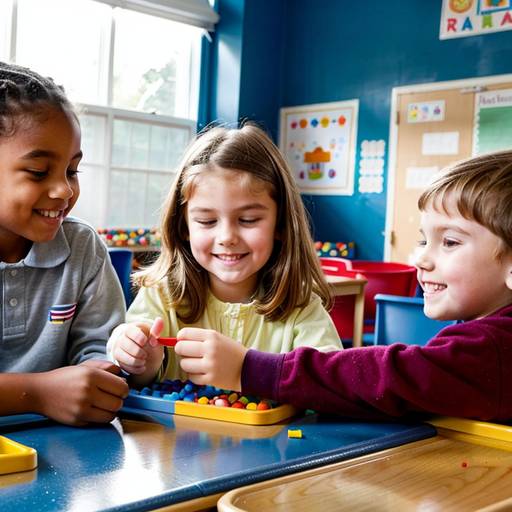
In this preschool lesson, children will explore the concepts of caring and positive relationships within their community. The session begins with a circle discussion where students share their thoughts on friendship. A storybook reading, featuring themes of community and caring, follows, encouraging engagement through questions about characters' feelings. The children will then participate in an emotions activity, matching expressions to emotional flashcards and discussing experiences related to those feelings.
Next, the lesson shifts to role-playing, where children use puppets or stuffed animals to demonstrate caring behaviors, followed by creating a group mural that represents their ideas of how to care for friends and community members. The lesson concludes with a reflection circle, where each child shares their commitment to showing care in their relationships.
Throughout the activities, the objectives focus on enhancing understanding of empathy, cooperation, and friendship, allowing for observation of children's participation and engagement. The lesson also provides opportunities for future extension activities to further reinforce community connections.
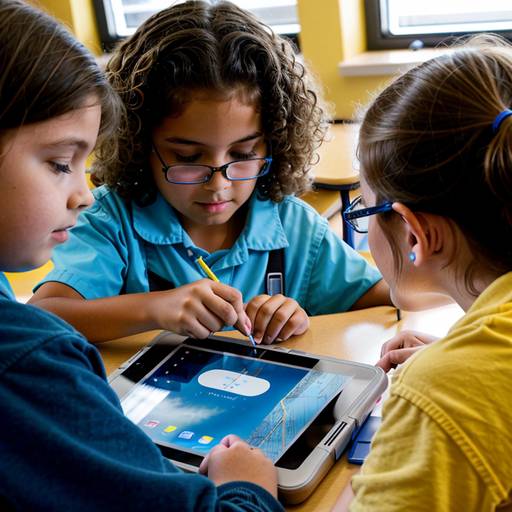
In this engaging 60-minute lesson designed for 3rd-grade students, learners explore the essential practices of maintaining and organizing their technological devices. The lesson begins with a discussion about the types of devices used in the classroom and the importance of caring for them. Students watch a brief instructional video on device cleaning techniques and learn proper handling practices to ensure their devices remain in good condition.
Following the instruction, students participate in a hands-on activity where they collaborate with a partner to clean their devices using appropriate supplies. They also engage in a digital organization challenge, creating folders on their devices and labeling them for easy access. To wrap up the lesson, students reflect on their learning experiences by sharing insights about maintenance and organization with the class.
Assessment is conducted through observation during activities and participation in discussions, while extensions encourage students to promote device care at home. Differentiation strategies are in place to support all learners, making this lesson effective in fostering responsibility and organizational skills within a digital context.
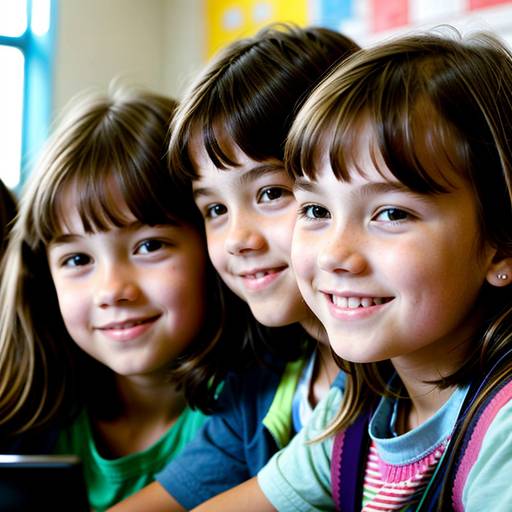
In this 45-minute technology lesson for 3rd graders, students will learn the importance of maintaining and cleaning their electronic devices. The lesson begins with a discussion about the various devices they use, followed by an explanation of proper cleaning techniques and hygiene practices. Utilizing a PowerPoint presentation, students will explore steps such as using microfiber cloths for screens, safely using disinfectant wipes, and understanding the importance of avoiding liquids around devices.
They will then participate in a guided activity, practicing these cleaning methods on old electronics or simulated cleaning. Afterward, a class discussion allows students to share their learnings and experiences. For homework, students will be tasked to clean one of their devices at home and reflect on the process in writing. The lesson emphasizes the health benefits of device maintenance and encourages responsible use while addressing environmental concerns related to e-waste. Assessments will focus on participation during activities and the quality of their reflections. The plan includes differentiation strategies to support various learning needs.
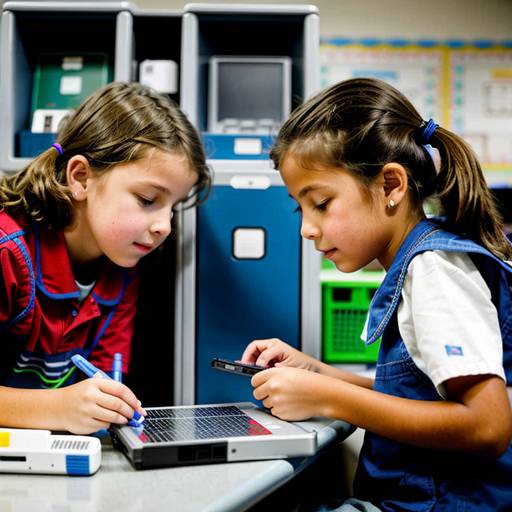
This lesson plan is designed for 3rd-grade students to teach them the importance of proper handling and maintenance of technology devices. The objectives include understanding essential practices for caring for devices, identifying key maintenance tips, and demonstrating correct handling techniques. The lesson begins with a discussion about the devices students use, followed by the introduction of five important care practices: cleaning devices appropriately, using protective cases, avoiding food and drink near devices, handling devices with clean hands, and properly managing charging cords.
Students will engage in role-playing activities to illustrate good and bad practices and participate in a class discussion to reinforce their understanding. They will receive a "Device Care Checklist" to assess their current habits and identify areas for improvement. The lesson concludes with a recap of the key practices and an exit ticket where students will commit to one improvement they can make at home regarding device care. Throughout the lesson, differentiation strategies will be employed to support diverse learners, and a potential extension activity is proposed to further instill responsibility for device maintenance.
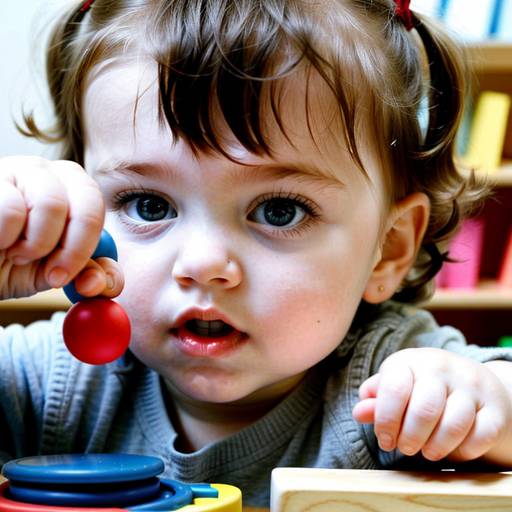
This lesson plan focuses on enhancing toddlers' hand-eye coordination through a series of engaging, playful activities. The session begins with a brief introduction to the concept of hand-eye coordination, followed by a warm-up activity involving balloon tossing, where children practice tracking and catching objects.
The main activities include a ball-catching game, encouraging turn-taking and teamwork, and a block-building challenge that fosters fine motor skills through manipulation and stacking. The lesson concludes with a reflection period, where children share their favorite parts, reinforcing their understanding of how their hands and eyes work together. An optional drawing activity allows for creative expression while continuing to develop fine motor skills. Throughout the lesson, emphasis is placed on safety, cooperation, and positive reinforcement, ensuring a supportive and interactive environment for all participants.
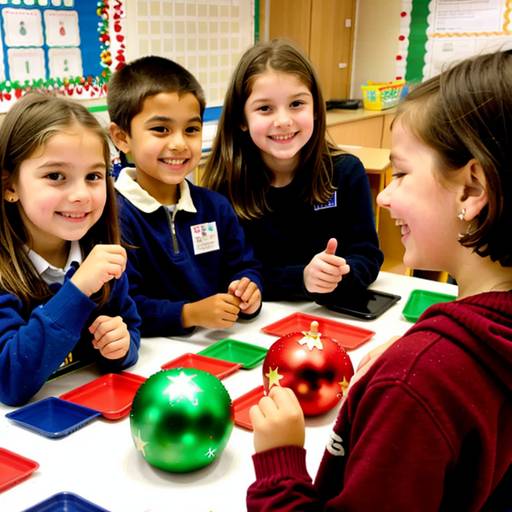
This preschool lesson aims to teach young children about the diverse holidays celebrated around the world and the significance of these celebrations. The lesson begins with an interactive discussion where children share their favorite holidays, followed by a read-aloud session using a picture book that highlights various cultural celebrations. Through this storytelling, children are encouraged to connect personally with the holidays discussed.
Following the reading, students engage in an art activity where they create collages representing a specific holiday of their choice, fostering creativity and self-expression. The lesson concludes with a sharing session, allowing each child to present their collage and explain its significance, reinforcing the importance of holidays in creating community and cultural identity. The class wraps up with a fun holiday song, enhancing the festive atmosphere. Overall, the lesson promotes cultural awareness, storytelling, and active participation in learning about traditions from around the globe.
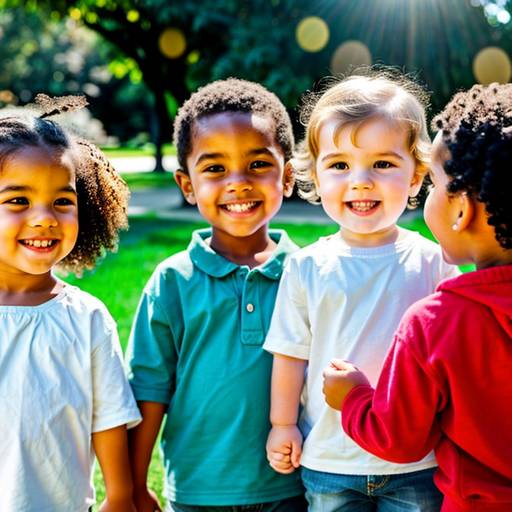
This lesson plan focuses on helping toddlers understand the concept of respect by celebrating individual differences. Through a series of engaging activities, children will explore what makes them and their peers unique. The lesson begins with a circle time discussion where the idea of respect is introduced, followed by a story that highlights diversity. Children will then participate in a reflective exercise using mirrors to identify positive aspects of themselves before creating artwork that represents their individuality and appreciation for their friends.
The plan includes an interactive role-play activity to practice respectful greetings and sharing, reinforcing positive social interactions. To culminate the lesson, children will enjoy an upbeat song that celebrates friendship and diversity, encouraging movement and participation. The entire experience is designed to foster a sense of community and respect among peers, with opportunities for ongoing reflections and activities to maintain the discussion beyond the lesson.