
Filters
Level
Grade
Subject
Subject Area
Subject Topic
Standard(s)
Audience
Keyword
DurationMinutes
Lesson Plans

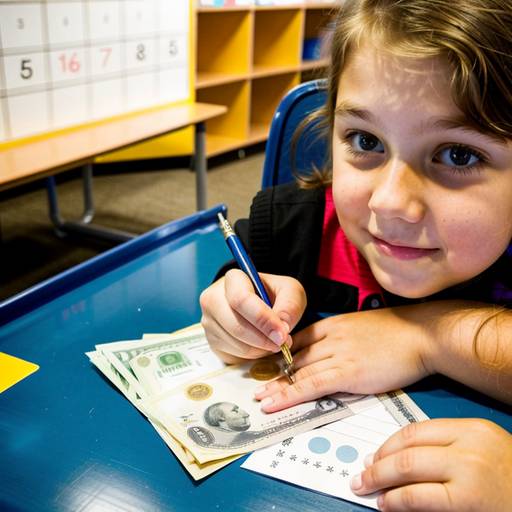
In this 2nd-grade math lesson, students will explore the concept of money by learning about the values of different coins, including pennies, nickels, dimes, and quarters. The lesson begins with an engaging discussion on students’ experiences with money, followed by direct instruction on identifying and valuing each type of coin using a visual chart. Guided practice involves hands-on coin counting activities in small groups, where students will work together to make specific amounts using play money.
Next, students will complete worksheets that focus on coin identification and values in pairs. During independent practice, they will simulate a shopping experience with small items priced in cents, allowing them to apply their counting skills in a real-world context. The lesson concludes with a group reflection on their learning experiences, where students will share insights they've gained about money. Assessment will be conducted through observation, worksheet review, and participation in the shopping simulation. Extensions are available for more advanced learners, including discussions about paper money and classroom economy concepts.
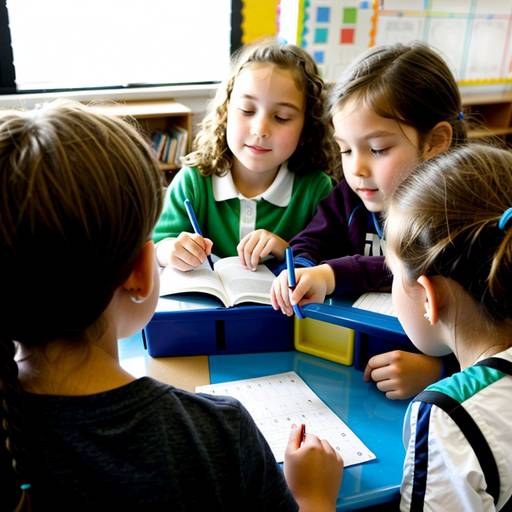
In this 2nd-grade math lesson, students will learn how to read both analog and digital clocks while also exploring the concept of elapsed time through engaging activities. The lesson begins with a discussion where students share their morning routines, helping to contextualize time in their daily lives.
Direct instruction follows, introducing clock reading and elapsed time with clear examples. Guided practice involves working through time-related scenarios on worksheets in pairs, fostering collaboration and reinforcing understanding.
Students will participate in a relay activity to practice telling time and will create drawings representing daily activities that demonstrate elapsed time. The lesson concludes with students sharing their work and reflecting on what they learned, along with a quick exit ticket to assess their understanding. Throughout the lesson, differentiation strategies ensure that all learners can engage with the material effectively.


This lesson plan focuses on enhancing infants' language development through babbling practice, aimed at caregivers and educators of infants aged 6-12 months. The session begins with an introduction to the significance of babbling and its role as a precursor to language acquisition. Caregivers participate in a warm-up activity involving singing nursery rhymes while swaying with their infants, highlighting the connection between music and vocalization.
Next, demonstrative techniques for modeling babbling are shown, emphasizing back-and-forth communication and non-verbal cues. This is followed by an interactive group activity where caregivers engage in babbling exercises with their infants using simple toys to maintain interest and encourage vocal exploration. The session concludes with a reflection segment where caregivers share their experiences, along with the distribution of handouts summarizing key points and suggested activities for home practice.
Materials include song selections and various toys, with an informal assessment based on caregiver engagement and participation. Overall, this lesson aims to foster a playful and supportive environment for caregivers to encourage early communication skills in their infants through interactive and enjoyable practices.
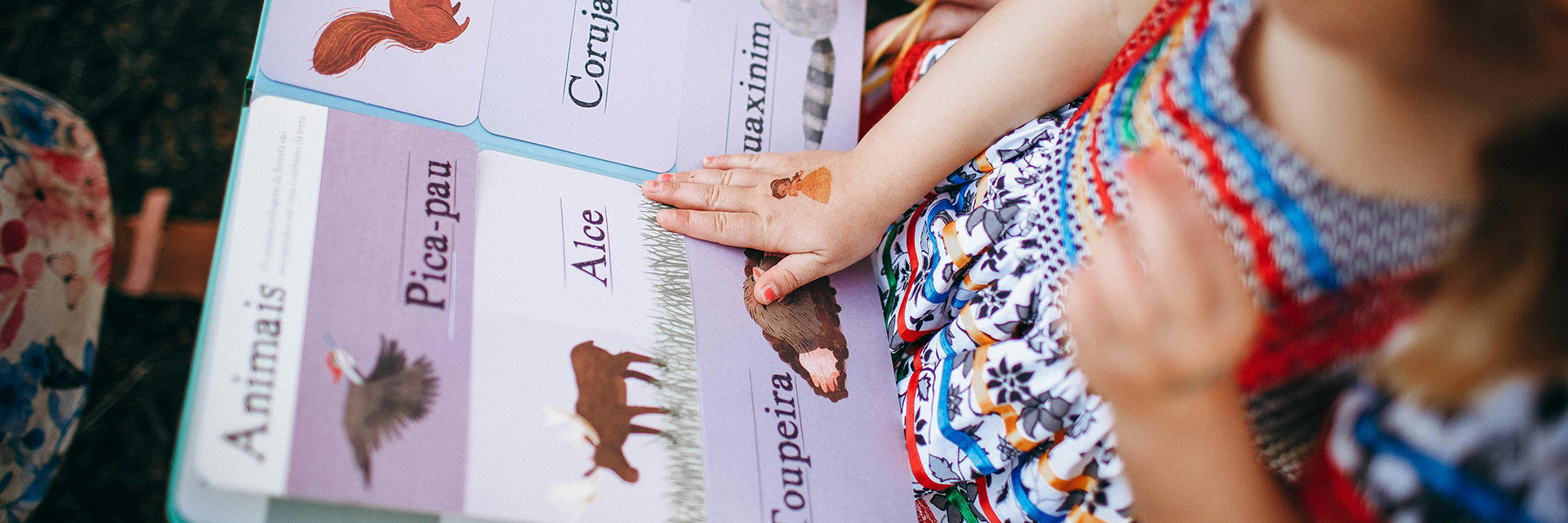
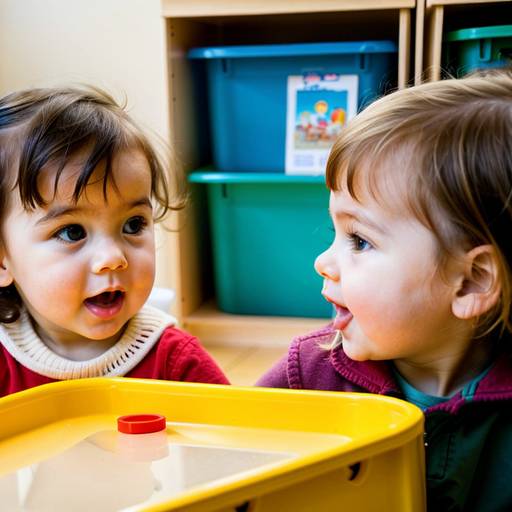
This lesson plan focuses on developing conversation skills for toddlers aged 2-3 through interactive and playful activities. The session begins with a welcome song to create a welcoming atmosphere, followed by a warm-up activity where children mimic animal sounds to encourage listening and turn-taking.
The main activities include a storytime segment, where toddlers are prompted to engage with questions about illustrations in a picture book, fostering their ability to express thoughts. In small groups, children interact with puppets to practice conversation skills, with an emphasis on dialogue and sharing ideas. A movement break with music helps to refresh the toddlers and allows for self-expression.
As they gather again, toddlers participate in a block building activity, where they collaboratively create structures and discuss their choices, further promoting conversation and teamwork. The session concludes with a sharing segment, where children reflect on what they built and their puppet interactions, followed by a goodbye song. Throughout the lesson, the focus is on enhancing toddlers' ability to initiate conversations, take turns, and communicate effectively in a supportive environment. Observations during the activities help assess each child's progress in their conversational abilities, with follow-up activities suggested to reinforce these skills in everyday settings.
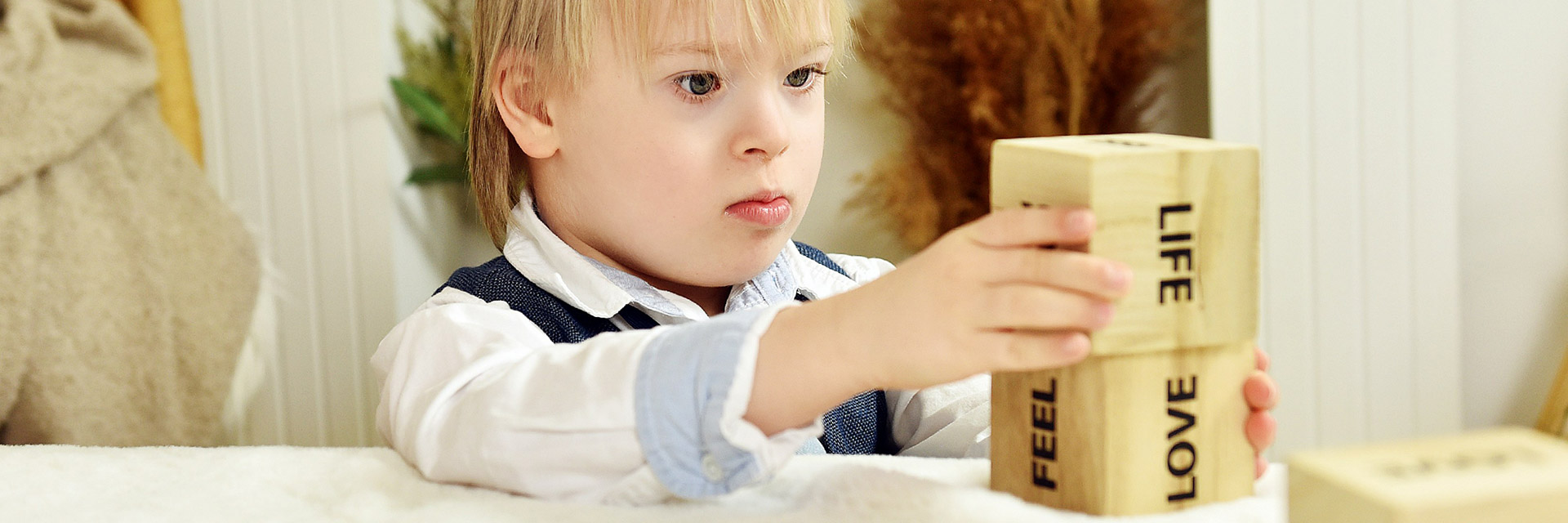
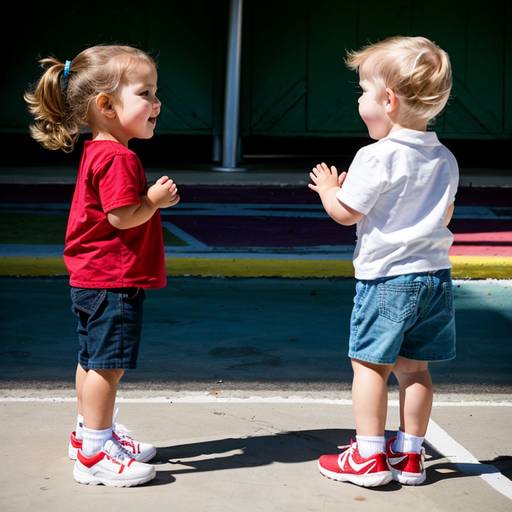
This lesson plan aims to enhance toddlers' communication skills by fostering their understanding of emotions and encouraging positive interactions through engaging activities. The session begins with a group gathering, where children are introduced to the concept of communication through a cheerful song and a discussion about sharing feelings.
The first activity involves using emotion flashcards to help children identify and express various feelings. This is followed by an interactive storytime where children respond to emotional prompts related to characters in the book. The third activity utilizes puppets to demonstrate different communication styles and allows children to role-play conversations, emphasizing the importance of taking turns in speaking and listening.
To promote active engagement, a musical passing game is incorporated, where children pass a toy while music plays and share their thoughts when the music stops. The lesson concludes with a reflective circle, encouraging children to share what they learned about talking and listening. Overall, the activities are designed to develop toddlers' verbal and non-verbal communication skills while building a foundation for positive social interactions. Suggestions for continued practice at home are provided to support ongoing learning in a supportive environment.
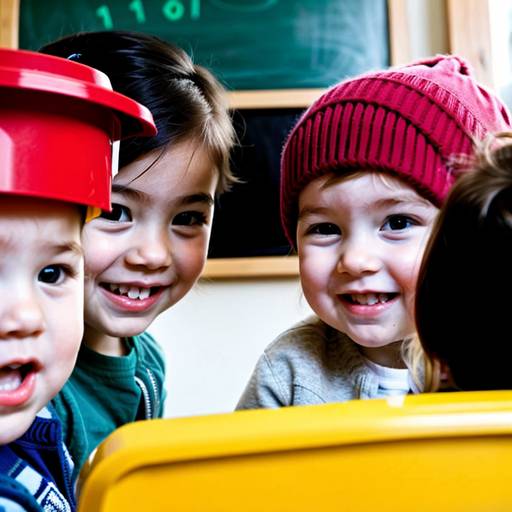
This lesson plan focuses on developing conversation skills in toddlers aged 2 to 4 years. The session begins with an introduction to conversation basics, including turn-taking and listening, illustrated through a puppet demonstration. Engaging activities include an emotion express game, where children identify and articulate feelings, and a storytime segment featuring a repetitive text that encourages participation and interaction.
Children then participate in a group activity using puppets to practice dialogue while adhering to turn-taking principles, aided by a timer to keep time. Following this, they have the opportunity to express their creativity by drawing scenes of conversations, which they later share with the group. The lesson concludes with a review of key concepts learned and encourages children to practice conversations at home. Assessment is conducted through observation of participation and engagement during activities, helping foster foundational communication skills in a fun and interactive environment. Extensions for home practice are also suggested for parents.
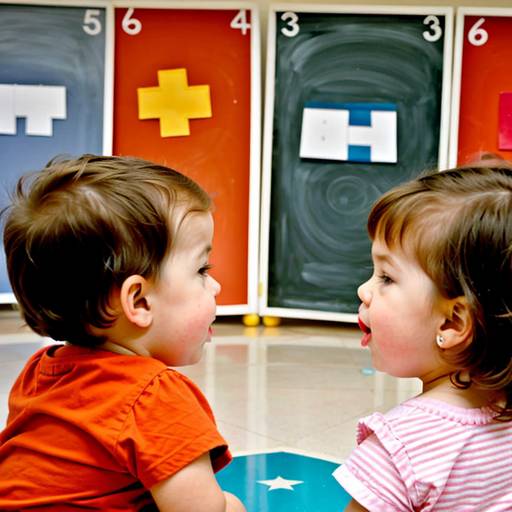
This lesson plan is designed for toddlers aged 2-3 years, focusing on enhancing their communication skills through a variety of interactive and engaging activities. The session begins with a welcoming circle time that includes singing and rhythm creation with instruments. Story time follows, where a picture book is read aloud to promote vocabulary and listening engagement.
Children then participate in a flashcard activity to identify objects and associated sounds, followed by an active listening game requiring them to follow movement instructions based on sounds. Puppet play allows for role-playing and expressive language practice, encouraging the children to interact and respond to prompts.
Open play provides opportunities for self-directed narratives using blocks and toys, promoting language use during imaginative scenarios. The lesson concludes with a reflective cool down, where children share their experiences and favorite moments. Assessment is conducted through observations of participation and vocabulary use, and caregivers receive a follow-up list of words to reinforce learning at home. The plan emphasizes creating a fun and supportive environment to foster confident communication among toddlers.

In this 5th-grade social studies lesson, students will explore the concept of timelines and their importance in organizing historical events. Beginning with a discussion on the significance of understanding the chronological order of events, the teacher will present examples of historical timelines, highlighting key moments in history.
During guided practice, students will collaboratively create a timeline on the board that includes major events, fostering a better comprehension of historical context. For their independent activity, students will develop their own personal timelines by selecting three significant events from their lives, which they will place in chronological order. They will have the opportunity to share these timelines in small groups, discussing the importance of each event.
The lesson will conclude with some students presenting their timelines to the class, reinforcing the connections between personal experiences and historical narratives. Assessment will be through observation during group sharing and evaluation of personal timelines for creativity and organization. An extension activity invites students to research a historical figure or event to create a themed timeline for display. This engaging lesson allows students to appreciate the interconnectedness of history and their own lives.
This 4th-grade social studies lesson plan focuses on teaching students about timelines and their significance in understanding historical events. Over two class periods, students will first explore the concept of timelines through the research and presentation of important historical events in small groups. They will create mini-timelines to visually represent these events and share their findings with the class, fostering collaboration and communication skills.
In the second part of the lesson, students will transition to creating their own personal timelines, identifying and organizing significant moments from their lives chronologically. This activity encourages self-reflection and helps students draw connections between their own experiences and broader historical narratives. The lesson promotes engagement through group activities and individual projects, allowing students to appreciate both collective and personal history. Assessment will be based on participation, creativity, and the ability to articulate the significance of events.
This lesson plan focuses on teaching toddlers about friendship through engaging activities, discussions, and storytelling. The session begins with a welcoming circle where children explore the concept of friendship and feelings using emotional expression cards. A friendship-themed story is read aloud, encouraging interaction and comprehension as children discuss the characters' actions and caring behaviors.
An interactive "Kindness Circle" allows each child to share kind words about their peers, fostering positive communication. Subsequently, they create personalized "Friendship Cards" for classmates, reinforcing the idea of sharing and making others feel special. Finally, the session concludes with a reflection and a fun friendship song, promoting cooperation and enjoyment. Throughout the activities, children's interactions and engagement are observed to assess their understanding of friendship, and follow-up activities are suggested to continue developing these important social skills in a supportive environment.