
Filters
Level
Grade
Subject
Subject Area
Subject Topic
Standard(s)
Audience
Keyword
DurationMinutes
Lesson Plans

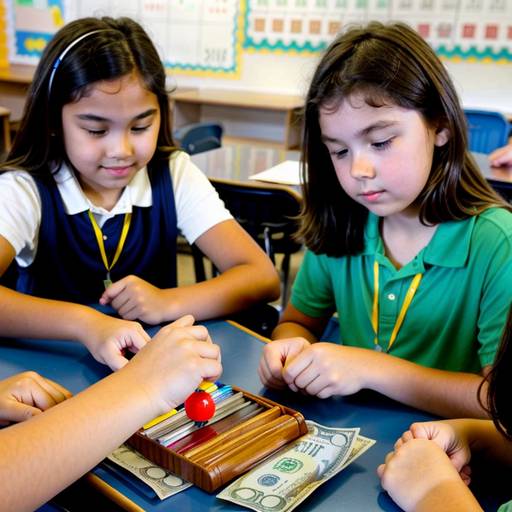
In this 5th-grade math lesson plan focused on money and budgeting, students will learn the significance of managing finances through hands-on activities. The lesson begins with a discussion about money management, followed by an interactive sorting activity where students identify and calculate the value of various coins and bills using play money.
Students will then work in small groups to create simple budgets based on given scenarios, discussing income and expenses while using their play money as a visual aid. They will fill out budgeting templates to outline their financial decisions.
The lesson wraps up with group presentations, allowing students to share their budgeting choices, and concludes with a reflective exit ticket where they identify personal savings goals. Throughout the lesson, students will develop essential skills in budgeting and financial literacy while actively engaging in collaborative learning. Assessment will focus on participation, completed worksheets, and individual reflections.
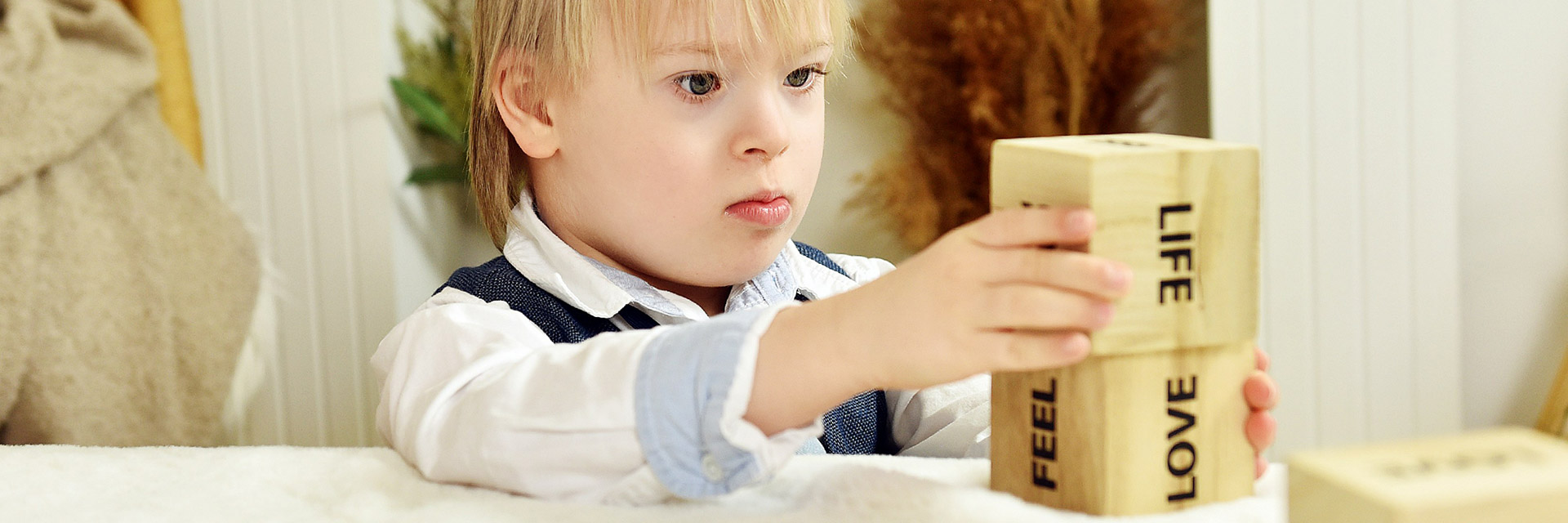
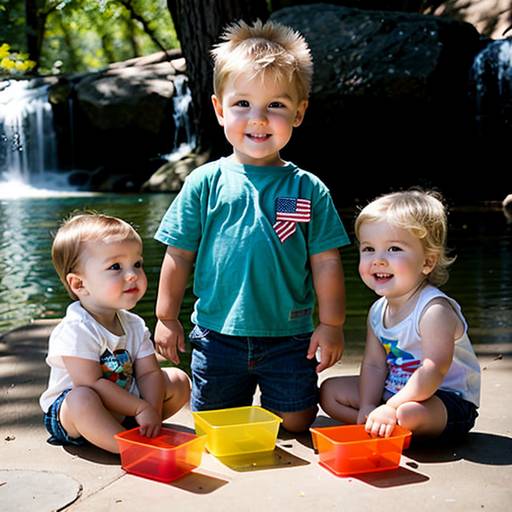
In this toddler lesson plan focused on teamwork, children will engage in a series of activities designed to foster cooperation, communication, and problem-solving skills. The session begins with a circle time discussion introducing the concept of teamwork, accompanied by a story that illustrates its importance.
Following this, the children participate in three collaborative activities. First, they work in small groups to build the tallest tower possible using blocks, emphasizing the value of working together and sharing ideas. Next, they create a large group artwork, which highlights each child's unique contributions. Finally, they play a bean bag toss game, where they take turns and cheer for their teammates, reinforcing the importance of encouragement and support.
The lesson wraps up with a reflective discussion about their experiences and feelings regarding teamwork, allowing children to articulate what they learned. Overall, the lesson aims to enhance children's social skills while providing a fun and interactive environment.

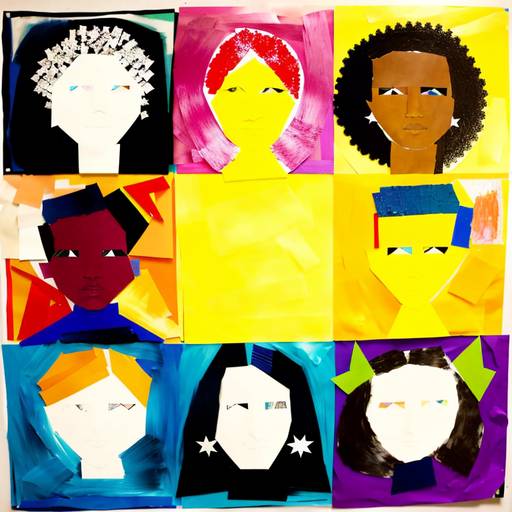
In this 5th-grade art lesson, students will explore the techniques of collage and mixed media as they create their own artistic compositions. The lesson spans two class periods, beginning with an introduction to collage art, featuring examples of famous artists and discussions about various materials and methods. Students will practice cutting, layering, and arranging different items while brainstorming a theme for their collages, such as nature or family.
During the second class, students will use their gathered materials to create their collages on a larger background paper, focusing on composition, color, and texture. They will also reflect on their work through written descriptions and presentations to the class, sharing their artistic choices, themes, and inspiration.
Assessment will be based on participation, creativity, and the final collage's ability to convey the theme effectively. Extensions to the lesson may include digital collage creation and showcasing students' work in a display. Overall, this lesson aims to cultivate creativity and self-expression while introducing important art techniques and concepts.
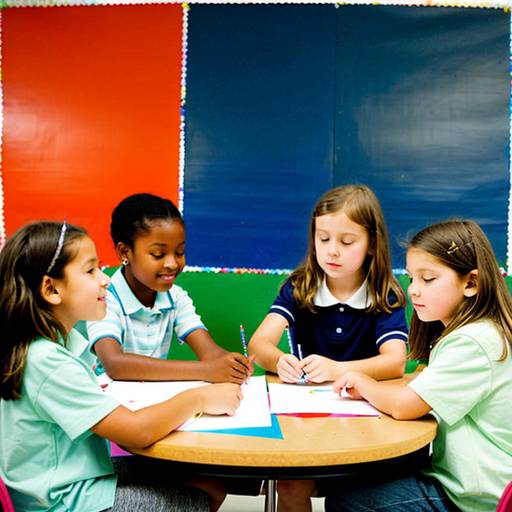
In this 3rd-grade art lesson, students will learn about collage-making with a focus on various art techniques. The class will begin with a discussion about what a collage is, along with examples from well-known artists to illustrate layering, texture, and composition. Students will then plan their collages around a chosen theme, sketching their ideas on scrap paper before gathering materials to create their artwork. They will be encouraged to use a variety of textures and colors, incorporating mixed media elements such as magazine cutouts, fabric scraps, and their own drawings. After completing their collages, students will participate in a sharing session to discuss their themes and the techniques they employed. The lesson emphasizes creativity, collaboration, and hands-on learning, culminating in a reflection on the artistic process. Assessments will focus on individual creativity and effective use of the materials. Optional extensions may include hosting an art gallery or incorporating a writing activity related to students' collages. Adaptations can be made to support all learners in the classroom.
In this 4th-grade art lesson, students will explore the technique of collage through the creation of nature-themed artworks. The lesson spans two class sessions, during which students will learn about the concept of collage and its significance in the art world, as well as identify various materials that can be used in their projects.
In the first session, students will engage in brainstorming activities to generate ideas about elements of nature, followed by an exploration of different materials they can incorporate into their collages. They will then sketch a rough design to plan their compositions.
During the second session, students will bring their sketches to life by assembling their collages, focusing on layering techniques to enhance texture and depth. After completing their artwork, students will share their creations in small groups, discussing their artistic choices and experiences. The lesson emphasizes creativity, composition, and the use of diverse materials, along with opportunities for reflection and assessment based on engagement and collaboration.
Extensions to the lesson include the possibility of creating a class collage and organizing a gallery walk. Modifications are available for students needing additional support, ensuring all learners can participate in this engaging art-making experience.
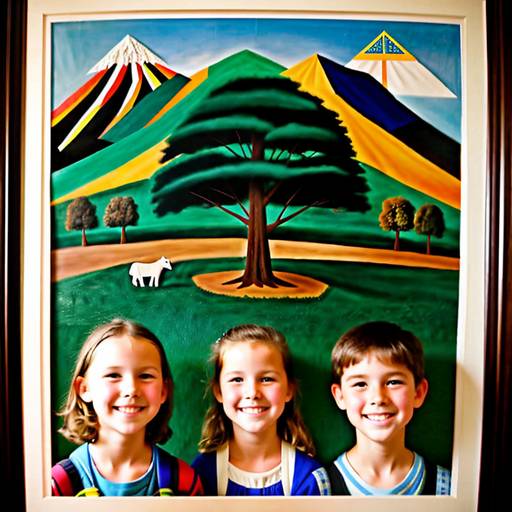
In this 2nd grade art lesson, students will engage in creating a safari-themed collage while exploring various artistic techniques. The lesson begins with a discussion about safaris, animals, and different landscapes to spark inspiration. After a demonstration on how to cut and layer materials, students will use a range of supplies, including colored construction paper, magazines, and textured materials, to design their unique artwork. They will focus on assembling various elements to depict a safari scene, incorporating personal narratives into their creations. At the end of the session, students will participate in a gallery walk, presenting their collages and sharing the stories behind their work. The lesson emphasizes creativity, the combination of different textures, and the development of storytelling through visual art. An assessment will be conducted based on participation, creativity, and the effective use of collage techniques. Extensions for the lesson include digital collage creation and organizing an art exhibit for parents.
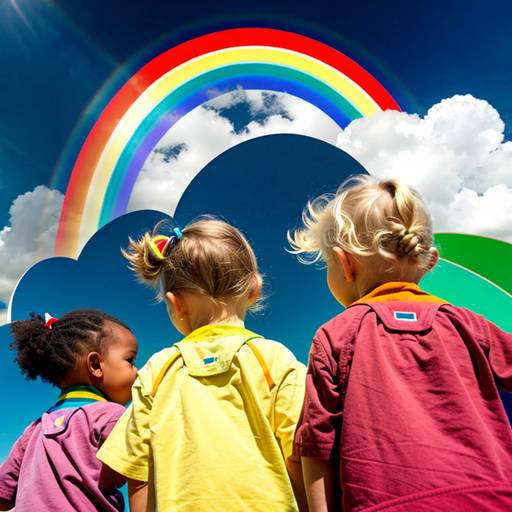
This lesson plan focuses on helping toddlers identify and name basic colors and shapes through a variety of engaging and interactive activities. The session begins with a lively introduction that includes a song related to colors and shapes, followed by an exciting "safari" activity where children search for hidden shape cutouts. After the hunt, a vibrant storybook reading encourages dialogue about the colors and shapes present in the narrative. The lesson continues with a creative art session where children explore different textures and colors using fabrics and paper to create collages. The session concludes with a return to the mat for a sharing circle, where children discuss their discoveries. Throughout the activities, the educator assesses the children's understanding and encourages participation, fostering both learning and creativity in a fun, hands-on environment. Extensions for further exploration include creating a color and shape chart and planning a nature-based field trip.
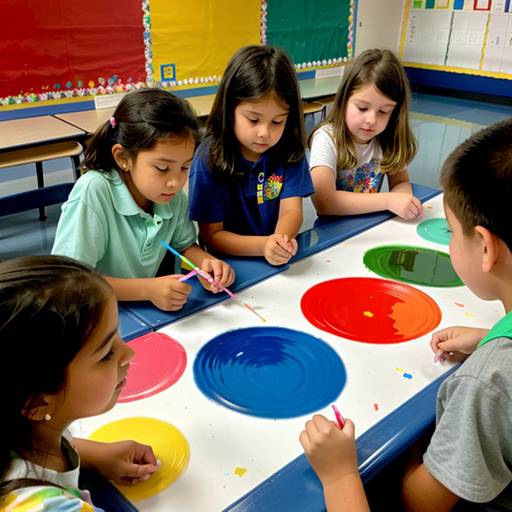
In this 2nd-grade art lesson, students will explore the concepts of primary and secondary colors through interactive activities focused on color mixing. The lesson begins with a discussion about colors, where students learn about primary colors (red, blue, yellow) and how mixing them creates secondary colors (green, orange, purple). Each student will create their own color wheel by painting the primary colors and mixing them to fill in the secondary sections. Following the individual activity, students will participate in a collaborative art project, where they use their new colors to create a colorful mural on large paper, encouraging teamwork and creativity. The lesson concludes with a group discussion, allowing students to share their experiences and insights about color mixing while reflecting on their artwork and the emotions colors can convey. Assessments will focus on participation and understanding, with opportunities for extensions at home and in future lessons.
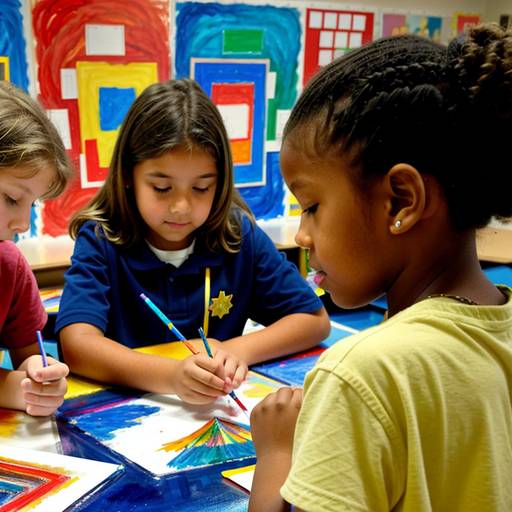
In this 2nd-grade art lesson, students will explore the fundamental elements of art, focusing on line, shape, and color. The session begins with a discussion of an example artwork, prompting students to identify different lines and shapes while introducing the concepts of primary and secondary colors. Following this, they will learn about color mixing by creating secondary colors from primary colors using watercolor paints.
Students will then engage in a hands-on art activity where they create their own artworks, incorporating a variety of lines, shapes, and colors, including mixed colors. The lesson concludes with a sharing session where students present their creations and reflect on their artistic choices. Throughout the lesson, emphasis will be placed on encouraging creativity and understanding the emotional and expressive qualities of art. Finally, students will participate in clean-up and have the opportunity to display their completed artworks in the classroom.
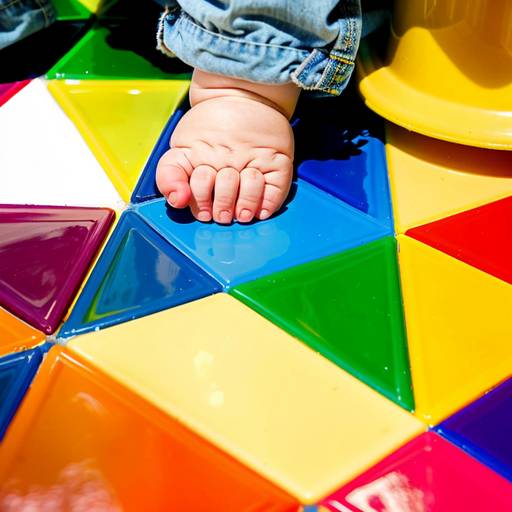
This lesson plan is designed for toddlers aged 2-4, focusing on the exploration of primary colors and basic shapes through interactive activities. The session begins with an engaging introduction to red, yellow, and blue paint, encouraging children to identify and discuss colors they know. Basic shapes are introduced using templates, fostering recognition and understanding through real-life examples.
Following this, a demonstration of color mixing is presented, showing how two primary colors can combine to create new ones. The children then participate in a hands-on activity where they mix colors on paper and paint around shape templates, allowing them to express their creativity and develop fine motor skills.
To conclude the lesson, the children gather to share their artwork and discuss their experiences with color mixing. Cleanup is a part of the routine, encouraging responsibility in a fun manner. Throughout the lesson, the children are assessed based on their engagement with identifying colors and shapes, as well as their ability to mix colors, promoting a joyful learning environment. Additionally, extensions for this lesson may include creating a colorful mobile or incorporating related storytime activities, reinforcing the concepts learned.