
Filters
Level
Grade
Subject
Subject Area
Subject Topic
Standard(s)
Audience
Keyword
DurationMinutes
Lesson Plans

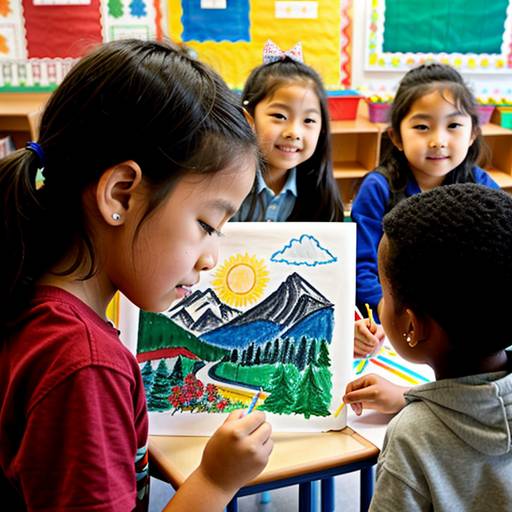
In this Kindergarten art lesson, students will explore various drawing techniques by creating their own colorful nature landscapes. The lesson begins with a discussion about nature and landscapes, allowing students to share their observations and feelings. Following this, the teacher demonstrates basic drawing techniques, such as different types of lines and shapes used to represent elements of nature, and discusses color application for depth and emotion.
Students then engage in a guided practice session, sketching their landscapes on drawing paper while incorporating the techniques learned. After sketching, they enhance their work with watercolor paints, experimenting with brushstrokes and blending colors. The lesson concludes with a mini-exhibition where students share their artwork with peers, fostering a sense of community and encouraging reflection on their creative process. Assessment will focus on student engagement and the application of learned techniques, rather than artistic perfection. Extensions and adaptations are included to support diverse learning needs and enhance creativity.


This lesson plan is designed for toddlers aged 2-4, focusing on identifying and creating patterns using colors and shapes. The session begins with an interactive introduction, where children learn to recognize various shapes and colors. They engage in activities that involve creating patterns with shape cutouts on the floor, encouraging group participation and discussion about their choices.
In addition to hands-on pattern creation, the toddlers participate in a sorting game, where they categorize shapes by color and shape, and then use these sorted shapes to establish their own patterns. To integrate movement, a pattern dance activity allows children to physically express patterns through movement in rhythm with upbeat music.
The lesson concludes with a group art project where children collaboratively create a colorful pattern on a large poster board, reinforcing their learning while promoting teamwork. A brief closing circle encourages reflection, allowing each child to share their favorite shape or color from the activities. Throughout the lesson, the focus is on observation and guided discussions to support the development of cognitive and fine motor skills, as well as promoting a sense of community among the learners.

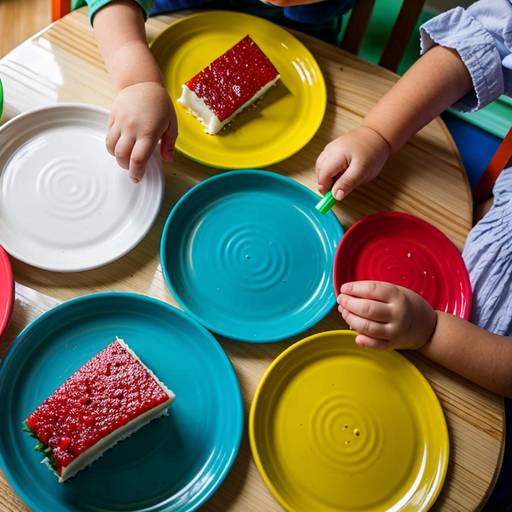
In this preschool science lesson, students will explore the concepts of health and nutrition by identifying and naming various fruits and vegetables. The lesson begins with an engaging introduction where students recognize colorful foods through pictures and real samples. They will participate in a color sorting activity, categorizing these foods based on their colors, which introduces the idea of a balanced diet.
Next, educators will lead a discussion about the importance of eating a variety of colorful foods for optimal health, reinforcing the idea with a rainbow poster. Students will then engage in a creative collage activity using food images from magazines to create a visual representation of healthy eating.
Afterward, children will enjoy a healthy snack made up of a variety of fruits and vegetables, encouraging them to taste different colors and textures. The lesson concludes with a reflection where students share their experiences and favorites from the activity. A follow-up activity is suggested, encouraging families to include colorful fruits and vegetables in their meals at home. This lesson fosters understanding of nutrition while promoting an interactive and fun learning environment.

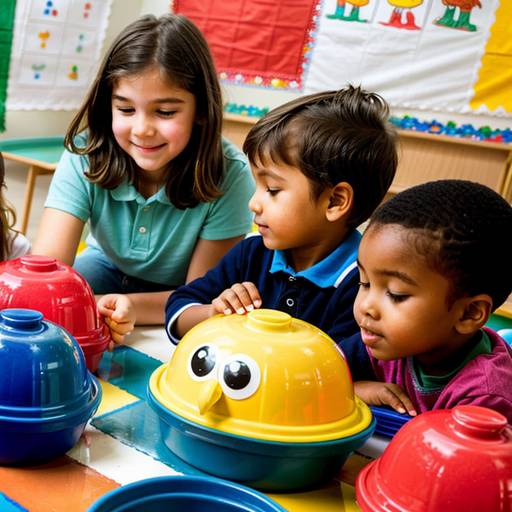
In this preschool art lesson, students will engage in a creative exploration of colors and shapes through a series of interactive activities designed to enhance their understanding and expression. The session begins with a group circle where children will identify various colors and shapes using visual aids. Following this, they will embark on a brief exploratory walk around the classroom or outdoor setting to notice real-world examples of shapes and colors, stimulating their observational skills.
Upon returning, students will participate in an art activity where they will create their own representations of animals or objects using construction paper, stencils, scissors, and drawing materials. The focus will be on using at least two different shapes and three colors, allowing them to express their creativity and understanding of the concepts.
The lesson culminates in a collaborative mural where each child will contribute their artwork, promoting teamwork and communication by explaining their creations to their peers. To conclude, the group will reflect on their learning experience and engage in a fun song about colors and shapes, reinforcing their knowledge through music and movement. Throughout the lesson, assessment will focus on engagement, creativity, and verbal reflection, with opportunities for future extensions such as story time or display of their collaborative work.
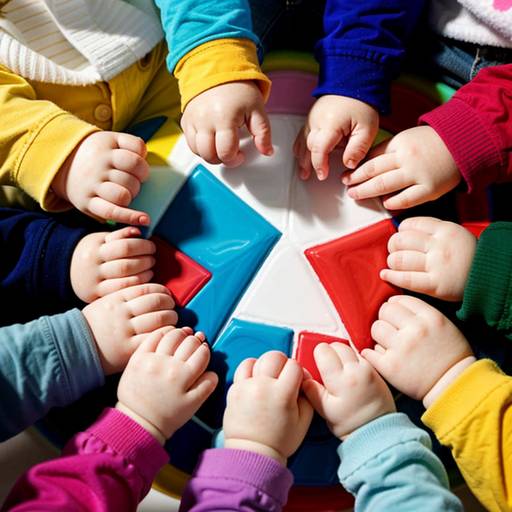
This lesson plan is designed for toddlers aged 2-4 and focuses on helping them identify and describe basic shapes and their attributes, such as sides and corners, using color as a supplementary element. The session begins with an interactive introduction where students name shapes and colors. A discussion follows, utilizing a large poster board to highlight the shapes and promote engagement through questions about their attributes.
Children then participate in a shape sorting activity in small groups, where they sort cut-outs by color and type while discussing the shapes' characteristics. Following this, a creative arts and crafts segment allows students to glue and color shapes on paper, enabling them to express their preferences and articulate their thoughts on shape attributes.
To incorporate movement, a lively shape dance activity encourages physical expression, allowing children to represent shapes through their movements. The lesson concludes with a circle gathering where students share their experiences and reinforce their learning. Throughout the session, observational assessments help gauge the children's understanding and recognition of the concepts covered.
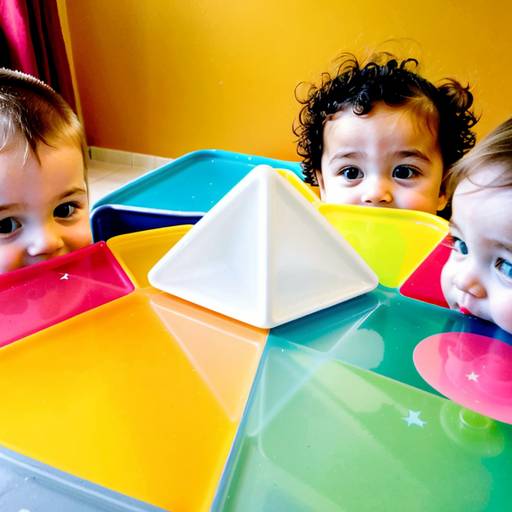
This lesson plan is designed for toddlers aged 2-4 years to explore and identify basic colors and shapes in a fun and interactive way. The session begins with a group song about colors, followed by activities that involve matching colorful shape cutouts with objects in the classroom. Children will engage in building structures using colored blocks while practicing shape names.
An arts and crafts segment allows toddlers to express their creativity through painting or drawing shapes in various colors. A movement activity accompanies a playful song that encourages kids to identify and act out shapes and colors. The lesson concludes with a reflective circle where children share their creations and review what they've learned. Throughout the session, children’s participation and comprehension are observed, with opportunities for extension activities to reinforce the concepts introduced. Overall, the plan aims to create a vibrant and engaging learning environment focused on early color and shape recognition.
This lesson plan focuses on helping toddlers develop their understanding of colors and shapes while enhancing their spatial awareness. The activities are designed to be interactive and engaging, starting with a circle discussion where children share their favorite colors. The students then embark on a shape hunt around the classroom, encouraging them to identify and name shapes they observe in their environment.
Following this exploration, a lively movement activity called Shape Freeze Dance allows children to express themselves through music and movement while learning to recognize shapes by posing in related forms when the music stops. The lesson includes a hands-on craft activity where students create colorful shape collages, reinforcing their understanding of colors and shapes through artistic expression.
Storytime is incorporated to further engage children by reading a popular book that highlights colors and shapes. The session concludes with a closing circle where students share their experiences and feelings about the activities. For an optional extension, shape-themed snacks can be provided to enhance the learning experience. Throughout the lesson, educators observe and assess students' recognition of colors and shapes, fostering a fun and supportive environment for learning and exploration.
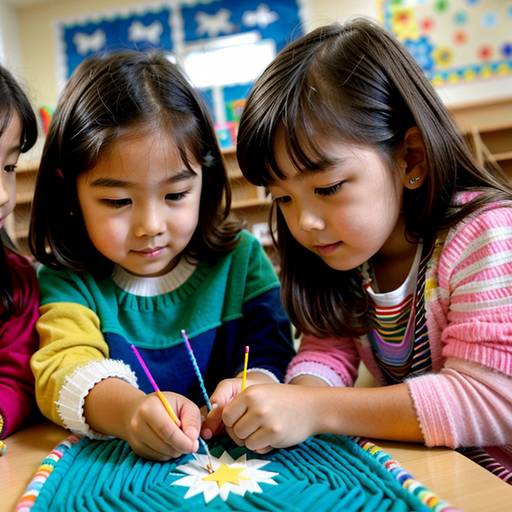
In this kindergarten lesson, students will explore the world of fiber arts through hands-on activities that introduce basic stitching techniques and the creative use of fabric. The session begins with a discussion about various forms of fiber art and an introduction to basic stitching methods using a sample board. Students will then select colorful fabric scraps and threads to create their own unique art pieces on a cardboard or paper plate base. As they engage in stitching, they will have the opportunity to express their creativity through design and color choices. The lesson concludes with a sharing session where students describe their artwork and reflect on their learning experience. The aim is to foster creativity, enhance fine motor skills, and encourage students to appreciate textile art as a means of self-expression. Assessment will focus on student engagement and the creative application of materials.
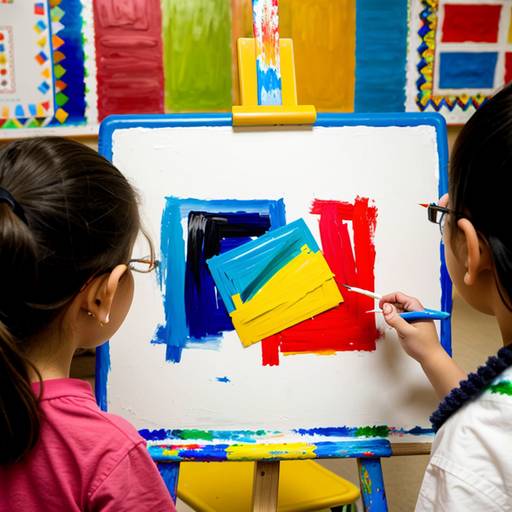
This kindergarten art lesson focuses on introducing students to various painting techniques while fostering creativity and self-expression. Over the course of one hour, students engage in a discussion about colors and painting, followed by a demonstration of different techniques such as sponging, splattering, and blending. Materials like water-based paints, brushes, and sponges are provided for hands-on exploration.
Students are divided into small groups to explore a specific technique before creating their own unique paintings, encouraged to use their favorite colors and combine techniques. Throughout the activity, the teacher circulates to provide guidance and positive feedback. The lesson concludes with a "gallery walk," allowing students to admire each other's work and share their artistic choices. Assessment is based on participation, creativity, and technique application, with opportunities for further exploration in future lessons. Overall, the lesson promotes collaboration and appreciation for individual artistic expression.
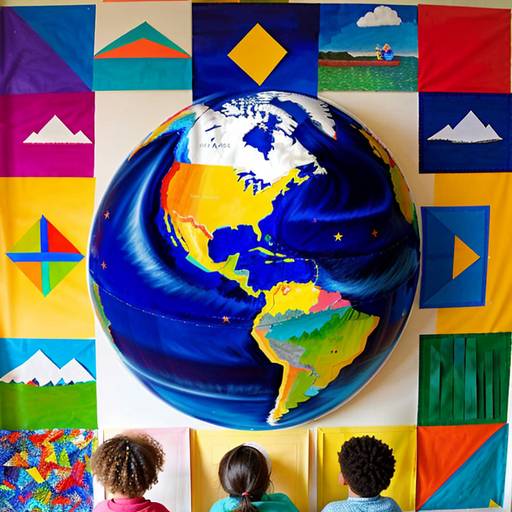
In this 2nd-grade art lesson plan, students will explore the techniques of collage by creating their own mixed-media artworks. The class will begin with a discussion on the concept of collage and its various forms, including examples from famous artists. Students will then brainstorm and sketch their ideas based on a theme of their choice. Afterward, they will have the opportunity to cut and layer materials such as magazine clippings, textured paper, fabric scraps, and stickers to bring their designs to life. The lesson will culminate in a mini-gallery walk, where students will share their collages and explain their creative choices. Throughout the activity, emphasis will be placed on creativity, individuality, and the use of various textures and materials. Assessment will focus on participation, effort, and the final artwork, with opportunities for extensions to accommodate varied skill levels.