
Filters
Level
Grade
Subject
Subject Area
Subject Topic
Standard(s)
Audience
Keyword
DurationMinutes
Lesson Plans

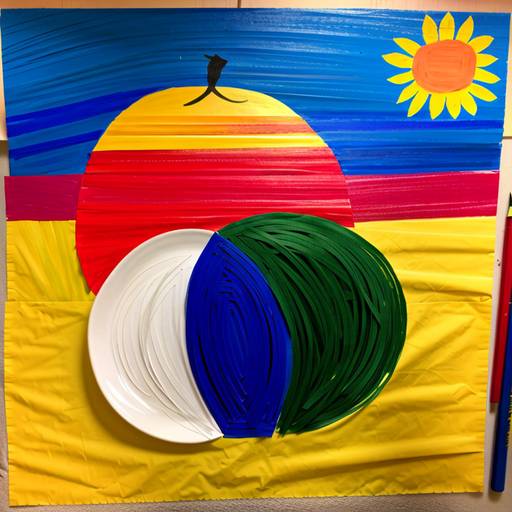
In this 60-minute preschool art lesson, students will engage in drawing activities focused on exploring elements from nature. They will begin by discussing colors and shapes found in natural items through picture books and guided observations. After a group nature walk to collect inspiration, children will learn to draw simple representations of what they observed, such as trees or flowers, using crayons and colored pencils. During the creative drawing time, students will have the opportunity to express their interpretations while receiving encouragement and support from the teacher. They will then share their artwork with peers, promoting confidence and a sense of community. The lesson concludes with a clean-up activity and a brief reflection on their experiences. Assessments will focus on engagement, creativity, and ability to communicate their ideas. The plan includes options for extending the lesson through art displays or follow-up activities that deepen their connection with art and nature.

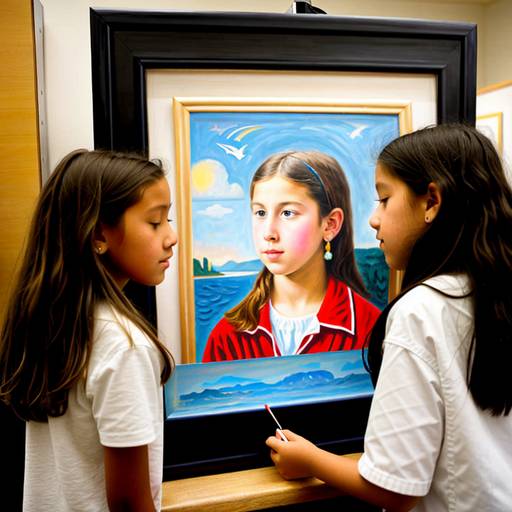
This 5th-grade art lesson focuses on exploring the styles and techniques of three influential artists: Vincent van Gogh, Frida Kahlo, and Pablo Picasso. Students begin by discussing the significance of art and why we study famous artists. The lesson transitions into an exploration of the unique attributes of each artist through visual examples and engaging dialogue, where students consider personal connections to their work.
Following the introduction, students select one artist to inspire their own creative project, applying techniques representative of that artist’s style. They work with watercolors, oil pastels, or other materials, fostering both individual expression and artistic exploration. The lesson concludes with students sharing their artwork with the class, discussing how their chosen artist influenced their creation and what they learned through the process.
Overall, the lesson aims to deepen students' appreciation of art history while allowing them to engage in hands-on artistic expression, culminating in a reflective experience of creativity and personal connection to the art world.
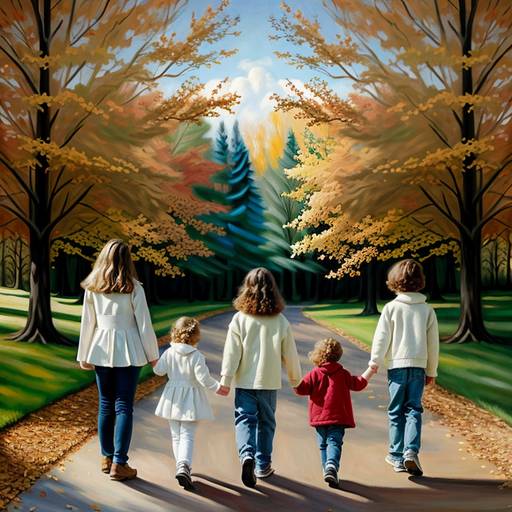
In this preschool art lesson, children will explore the colors and textures of nature related to the four seasons. The session begins with a group discussion about seasonal attributes, utilizing visual aids and real examples to stimulate engagement. Students will then embark on an outdoor or window-side exploration, gathering natural materials that represent the seasons. Using magnifying glasses, they will observe and discuss these items' colors and textures.
Back in the classroom, each child will select a construction paper color reflecting their favorite season and create artwork by painting the natural materials or crafting collages. Following the art creation, a 'show and tell' session will allow students to present their pieces, describe their seasonal choices, and the materials used. The lesson concludes with reflecting on the role of nature and seasonal changes in art. The artworks will be displayed around the classroom, celebrating the children's creativity and their connections to the natural world. Extensions include a storybook reading about seasons and the introduction of a sensory bin for further exploration. The lesson focuses on fostering artistic expression, engagement with nature, and the development of observational skills.

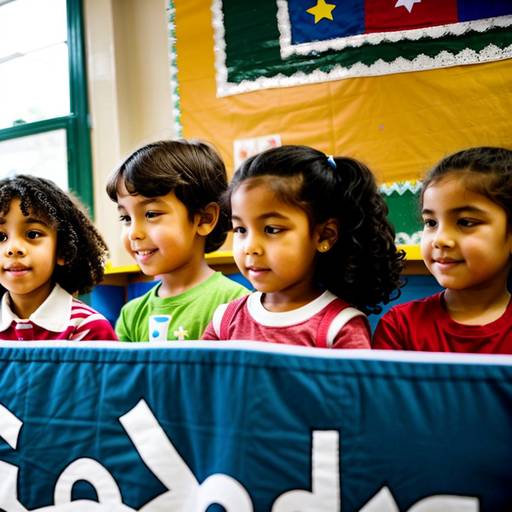
In this preschool lesson plan, students are introduced to the concept of community helpers and their significant roles within the neighborhood. The session begins with a circle discussion where children share their experiences with various community helpers, such as firefighters, doctors, and police officers. A storybook about community helpers is then read aloud, prompting interactive questions to deepen understanding.
The children participate in activities, including trying on community helper costumes to engage in role-play, allowing them to envision themselves in these vital positions. They also create simplified community maps illustrating their interpretations of where community helpers can be found, showcasing their creativity with crayons and paper.
To foster gratitude, students write or draw thank-you notes to community helpers in a designated mailbox, reinforcing their appreciation for these individuals. The lesson concludes with a closing circle, where each child shares something they learned or expresses their future aspirations related to community service.
Throughout the lesson, children are encouraged to actively engage and participate, providing opportunities for them to develop a sense of citizenship and recognize the importance of helping their community. Optional extension activities, such as a field trip to a local fire station or an invitation for a community helper to visit the classroom, can further enhance their learning experience. Overall, the lesson aims to instill an understanding of community, engagement, and the values of service and gratitude.

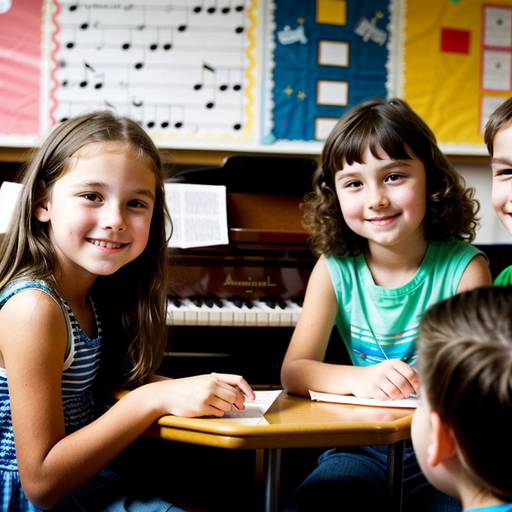
In this 2nd-grade music lesson, students will explore the fascinating world of famous composers and their unique contributions to music history. The lesson begins with an engaging introduction, where students learn about notable composers such as Bach, Beethoven, Mozart, and Tchaikovsky, accompanied by visual aids and fun facts about their lives and styles.
Next, students partake in a listening activity where they hear short excerpts of each composer’s work, prompting discussions about the emotions evoked by the music and the instruments used. This exploration helps students understand the various musical styles and the influence of historical context on the composers' creations.
In a creative segment, students are encouraged to express themselves by designing their own mini-compositions inspired by the music they have heard. They will illustrate the instruments they envision using and compose simple rhythms or notes, reinforcing their understanding of musical concepts.
The lesson concludes with a sharing session, allowing students to present their creative works to the class. Overall, this interactive and educational experience promotes appreciation for music history while fostering creativity and engagement among young learners. Additionally, students are encouraged to continue their exploration of music at home and can participate in a “Composer of the Week” program to further expand their knowledge.
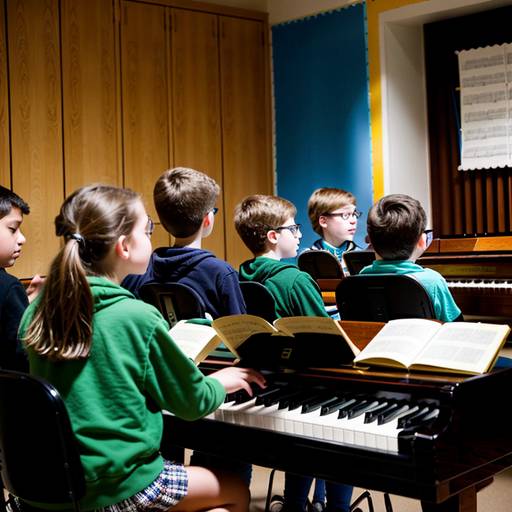
This 5th-grade music lesson focuses on music history and significant composers from various musical periods, including Baroque, Classical, Romantic, and Modern. Students will engage in discussions about the importance of composers and how they influenced music over time. The class is divided into groups, with each group researching and presenting a specific composer, highlighting their background, key works, and contributions to music. Listening activities will allow students to identify elements of each composer's style, while a creative project will enable them to create posters showcasing their favorite composer and piece. The lesson wraps up with students sharing their projects in small groups, reinforcing their learning and personal connections to the material. Assessment will include participation in discussions, the creativity of the poster projects, and a short reflection assignment on their favorite composer. Extensions encourage further exploration of composers and musical concepts.
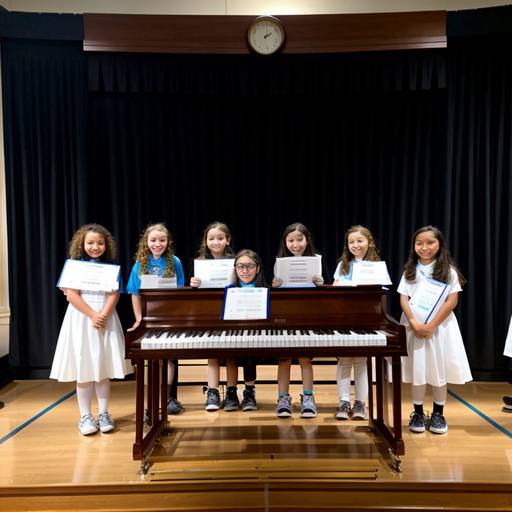
In this 1-hour music lesson for 3rd-grade students, the focus is on exploring three influential composers: Mozart, Beethoven, and Bach. The lesson begins with an interactive introduction, inviting students to share any knowledge they have about composers. Students then engage in a direct instruction segment where each composer is presented with fun facts, accompanied by listening activities featuring selected musical pieces.
Group work follows, where students compare and contrast two of the composers using a Venn diagram. This is followed by a creative activity in which each student creates a "Composer Trading Card" that includes a drawing, a fun fact, and a favorite piece of music related to their chosen composer. The lesson concludes with a sharing session and an exit ticket activity to reinforce what they’ve learned. Assessment is based on participation, completion of the Venn diagram, and the trading cards, with extensions offered for further exploration at home. This engaging approach helps students connect with music history and develop an appreciation for these great composers.
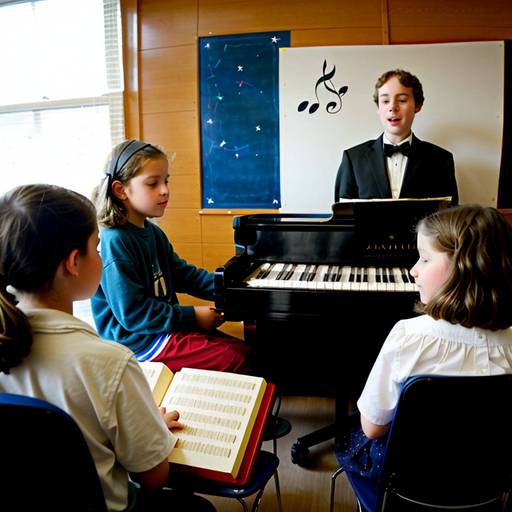
In this music history lesson for 4th-grade students, the focus is on exploring key composers from different musical periods. Students will engage in group activities to learn about composers like Johann Sebastian Bach, Ludwig van Beethoven, Wolfgang Amadeus Mozart, and Igor Stravinsky, listening to their music and discussing their unique styles and contributions to the field. Each group will then create a short musical piece inspired by the techniques of their chosen composer, using instruments or classroom supplies. After presenting their creations to the class, students will reflect on what they learned about music history. The lesson concludes with a recap and a preview of future topics, encouraging students to think critically about the impact of these composers on music. Accommodations will be made to support diverse learners, and extensions are offered for those interested in further research. Overall, the lesson aims to foster appreciation for music and enhance creative expression in a collaborative environment.
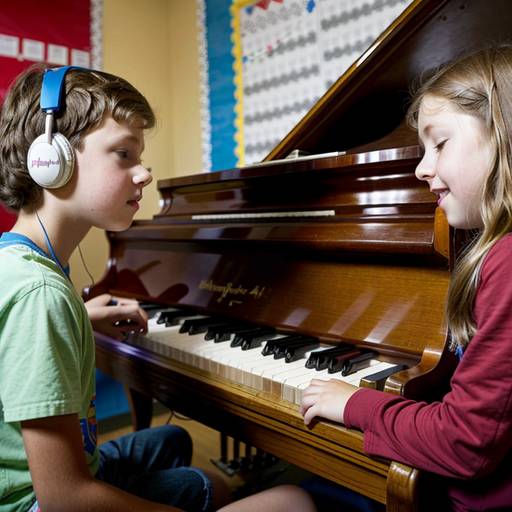
In this 4th-grade music lesson, students will explore the significance of composers throughout history and their influence on various musical styles. The lesson begins with an introduction to the role of composers and a discussion of different music eras, such as Classical and Jazz. Students will work in small groups to research specific composers, listen to their music, and share interesting facts with the class, creating a collaborative timeline of composers on a whiteboard. Following this, learners will listen to audio clips representing various musical styles and engage in discussions about the emotions and instruments associated with each piece. Finally, students will create their own short musical compositions using notation worksheets, inspired by the styles they have learned about. The session concludes with a sharing of their original pieces and a recap of the key concepts. Participation in discussions, completion of worksheets, and creativity in compositions will serve as assessment criteria. Extensions include a themed dress-up day and classroom displays to further enhance engagement and learning related to music history.

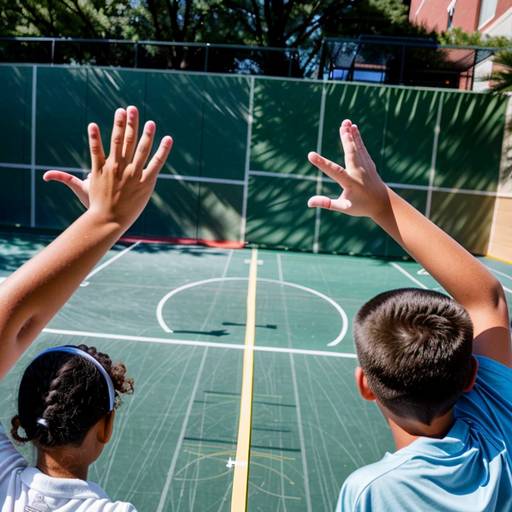
In this fifth-grade physical education lesson plan, students participate in various activities designed to enhance coordination and foster teamwork. The session begins with a dynamic warm-up, which incorporates stretching and a coordination drill involving passing a ball in pairs. The main activities include a balloon relay, where teams pass a balloon using their bodies, a hula hoop challenge that focuses on collaboration to pass the hoop without breaking handholds, and a blindfolded obstacle course that emphasizes verbal guidance and trust among teammates.
To cool down, students engage in guided stretching, followed by a reflection circle where they share insights on the importance of coordination and teamwork. Throughout the lesson, students are assessed on their participation, communication skills, and ability to work together, ensuring inclusivity by adapting tasks as necessary for varying skill levels. The overall goal is to promote physical activity while developing critical social and motor skills.