
Filters
Level
Grade
Subject
Subject Area
Subject Topic
Standard(s)
Audience
Keyword
DurationMinutes
Lesson Plans

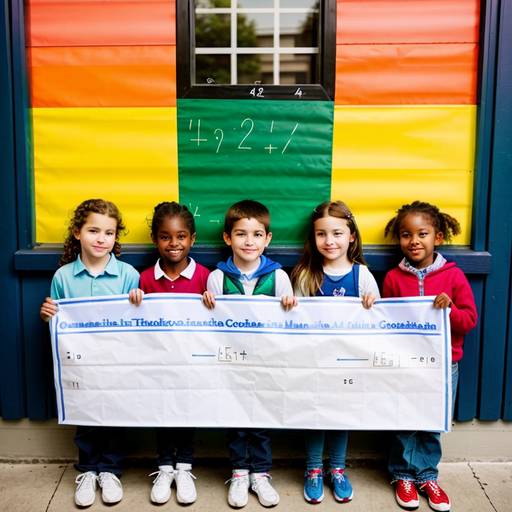
In this 1st grade math lesson, students explore the concepts of measurement and temperature through engaging, hands-on activities. The lesson begins with a discussion about measurement and its importance, introducing non-standard units like paper clips. Students work in small groups to measure classroom objects using these units and record their findings. Next, they learn about thermometers, discussing temperature concepts and measuring the temperature of different objects in the classroom. Students create their own thermometers, labeling temperature ranges, and contribute to a class temperature chart. The lesson concludes with a recap and sharing session, reinforcing the learning outcomes while allowing for individual expression through drawing. Assessment is based on participation and group presentations, and extensions encourage further exploration of measurements in everyday life.
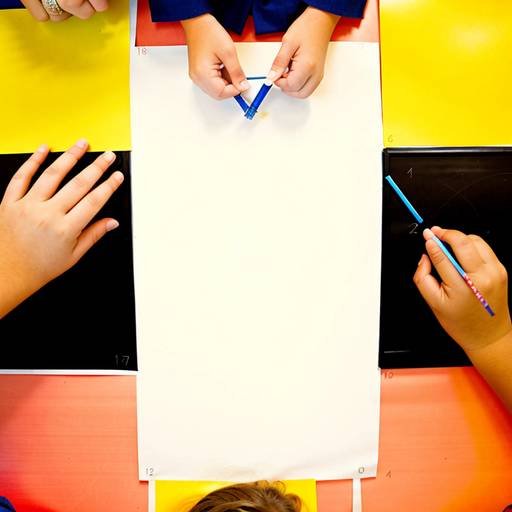
This lesson plan is designed for 3rd-grade students to explore the concepts of measurement in length and temperature. Over the course of 60 minutes, students will engage in hands-on activities to measure various objects using rulers and take temperature readings with thermometers. The lesson begins with an introduction to the importance of measurement in everyday life, followed by direct instruction on using rulers and thermometers effectively.
Students will then participate in guided group practice, measuring the length of different objects and recording the classroom temperature. Afterward, they will complete a worksheet independently, where they analyze and answer questions about the measurements they took. The class will reconvene for a discussion, where groups will share their findings, and a collective temperature chart will be created for visual representation.
Assessment will be based on the completed worksheets and group participation. Extensions are offered for advanced learners, including unit conversion and investigating the effects of temperature on different materials. Modifications are also provided to support students needing additional assistance, ensuring all learners can engage meaningfully with the concepts presented.
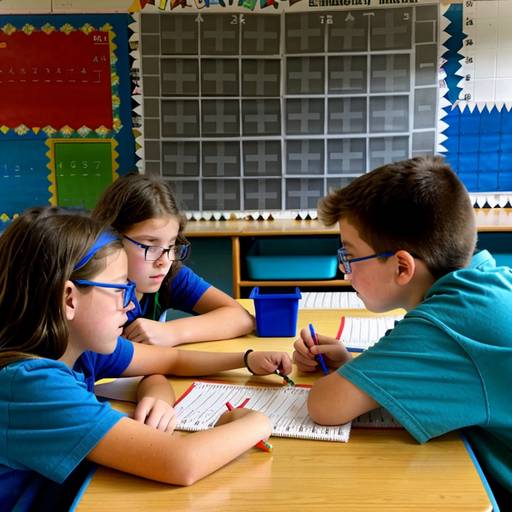
In this 5th-grade math lesson, students will explore the concepts of measurement and temperature while developing their skills in converting between Celsius and Fahrenheit. The lesson begins with a discussion on the importance of temperature measurement in everyday life. Students will learn the formulas for converting temperatures between the two scales before engaging in a guided group activity where they work collaboratively to solve temperature conversion problems. Each group will present their findings, reinforcing their understanding through collaboration.
Following the group work, students will complete a worksheet that includes a mix of temperature conversion tasks and real-life scenarios to further solidify their knowledge. The lesson concludes with a recap and discussion on the relevance of temperature understanding in various professions. Assessment will be based on the worksheets and observed participation during group activities, with differentiation strategies in place to support diverse learners. An optional homework extension encourages students to apply their skills by tracking and converting weekly weather forecasts. This engaging approach ensures that students not only grasp mathematical concepts but also see their practical applications in daily life.

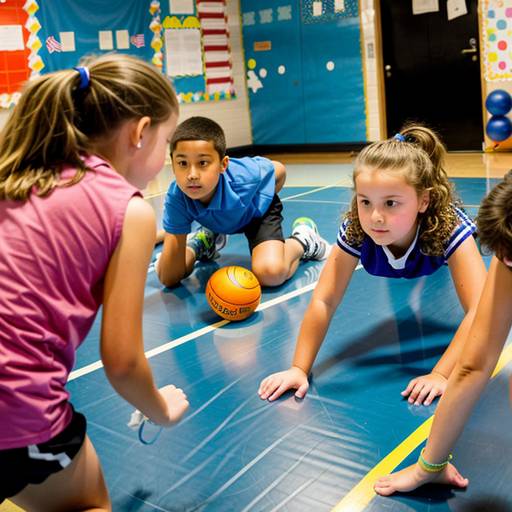
This 4th-grade physical education lesson focuses on enhancing students' coordination and teamwork skills through engaging activities. The session begins with a dynamic warm-up that prepares students for movement, followed by a relay activity where teams compete to throw beanbags into hula hoops. This promotes both coordination and cooperative encouragement among teammates. The second part of the lesson involves a trust walk, where students navigate an obstacle course in pairs, enhancing their communication and reliance on one another. The class concludes with a cool-down discussion that reflects on the importance of teamwork and coordination in achieving shared goals. Throughout the lesson, students are assessed on their ability to cooperate and communicate effectively, ensuring inclusivity and support for all participants.
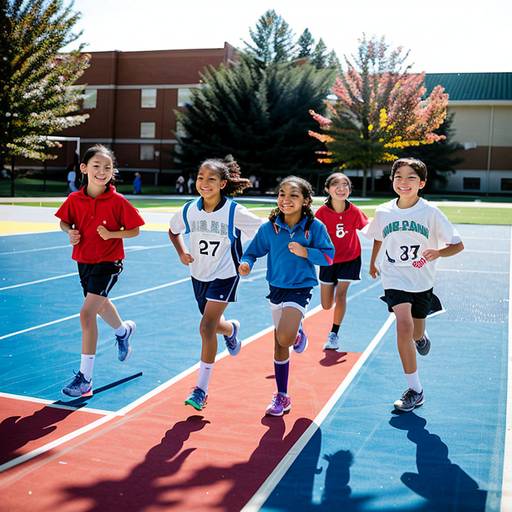
This lesson plan is designed for 2nd-grade students and focuses on enhancing coordination and fostering teamwork through engaging relay activities. The session begins with a brief discussion on the importance of cooperation and communication in sports and everyday life. A dynamic warm-up prepares students for physical activity by incorporating movement and stretches.
Students participate in a series of relay race stations, each featuring different activities designed to promote coordination, such as balancing a bean bag, tossing and catching, passing a hula hoop while staying connected, and jumping rope. Teams rotate through these stations, with a specific time allocated for each, encouraging collaboration and strategy among teammates.
The lesson concludes with a cool-down period focused on deep breathing and stretching, followed by a reflective discussion where students share their experiences and insights about teamwork and coordination during the activities. The instructor assesses student participation and cooperation throughout the session, highlighting the significance of these skills in various aspects of life. Modifications are included to support diverse learners and ensure inclusive participation.
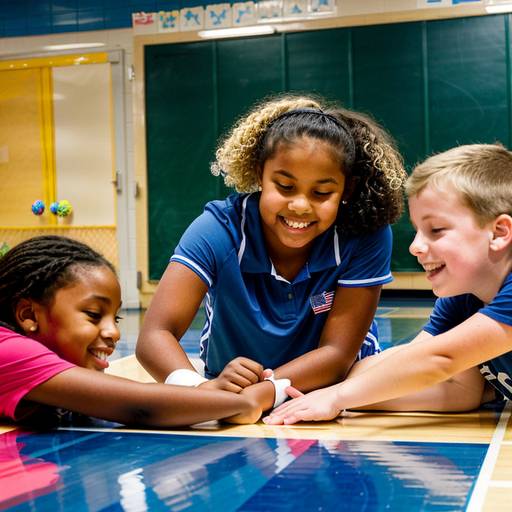
This 4th-grade physical education lesson focuses on enhancing coordination and teamwork among students through engaging activities. The lesson begins with a dynamic warm-up and a discussion on the importance of coordination and collaboration in sports and daily life.
Students are then divided into small teams to participate in relay races that emphasize balance and communication, using various objects to navigate a course. Following this, they engage in a trust-building activity where they work together to pass a hula hoop around a circle, challenging their coordination and reliance on one another.
The lesson concludes with a gentle cool-down and a reflective discussion, encouraging students to share their experiences and insights about teamwork and support. Throughout the lesson, modifications are provided to accommodate all students, ensuring an inclusive environment that promotes personal growth and collaborative skills. Overall, the session aims to foster both physical skills and valuable interpersonal relationships.
In this engaging Physical Education lesson for 3rd-grade students, the focus is on enhancing coordination and teamwork through a variety of activities and games. The session begins with dynamic stretching to warm up the students physically and mentally. Following the warm-up, a discussion introduces the concepts of coordination and teamwork, emphasizing their importance in sports and group activities.
Students are then divided into teams and participate in a series of coordinated relay races, which include synchronized movement, ball balancing, and passing a hula hoop down the line. Each task encourages collaboration and communication among teammates. Next, the class takes on a team challenge by navigating an obstacle course designed to promote cooperative problem-solving and physical coordination.
To wrap up the lesson, students engage in a guided cool down with static stretching and participate in a reflection discussion about their experiences. Throughout the class, observation and feedback help assess each student’s participation and understanding of coordination and teamwork. Adaptations are also included to ensure that every student can fully engage and benefit from the activities, promoting inclusivity and skill development.
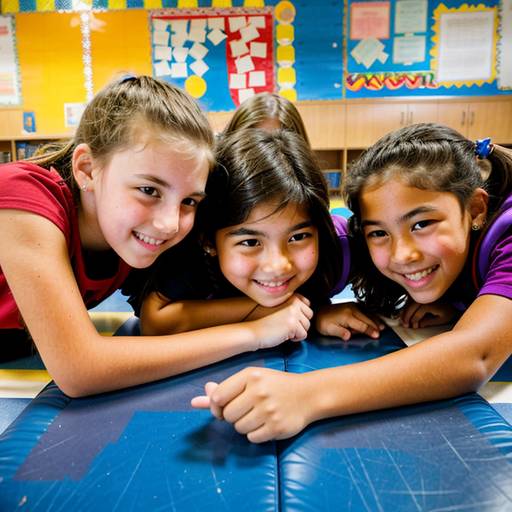
In this 5th-grade physical education lesson, students engage in activities aimed at enhancing their coordination and team-building skills through fun and interactive games. The session begins with dynamic stretches and coordination exercises that warm up the students. Following the introduction, students are divided into teams for a series of relay races that emphasize hand-eye coordination and teamwork as they pass a ball or complete various tasks at each cone.
Next, students participate in a blindfolded trust walk, where they must rely on verbal communication and guidance from a partner to navigate an obstacle course. This activity reinforces trust and collaboration while promoting effective communication. The lesson concludes with a cool-down period focused on reflection and stretching, allowing students to share their insights about teamwork and coordination.
Assessment occurs through observation during the activities, with the teacher noting students' teamwork and coordination skills. A closing discussion reinforces the importance of these skills, encouraging students to consider how they can apply what they've learned in various aspects of their lives, from sports to classroom projects. As an extension, students are invited to create their own games and reflect on their experiences in writing.
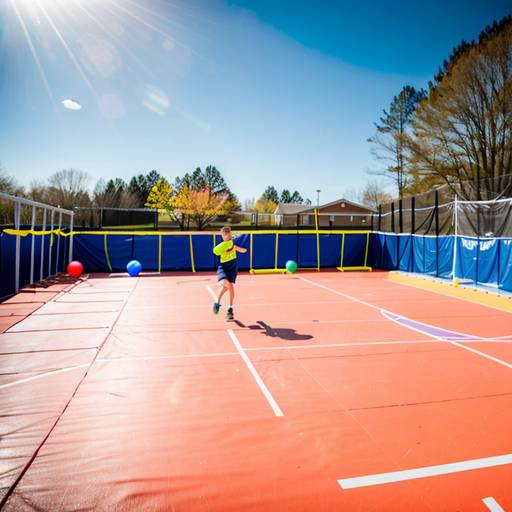
This 2nd-grade physical education lesson focuses on improving coordination and teamwork through an engaging obstacle course activity. Students participate in a dynamic warm-up to prepare for physical activity and then split into small teams to navigate various stations designed to enhance coordination skills. The course includes tasks such as jumping through hula hoops, weaving around cones, skipping over jump ropes, and tossing soft balls. Teams will encourage each other, fostering communication and collaboration. After completing the obstacle course, students engage in a group reflection to discuss their experiences and strategies used to support one another. The lesson concludes with a cool-down routine to relax their bodies, emphasizing the importance of teamwork and physical fitness. Observations during the activity will assess students' interaction and coordination skills, with adaptations available for those needing additional support.
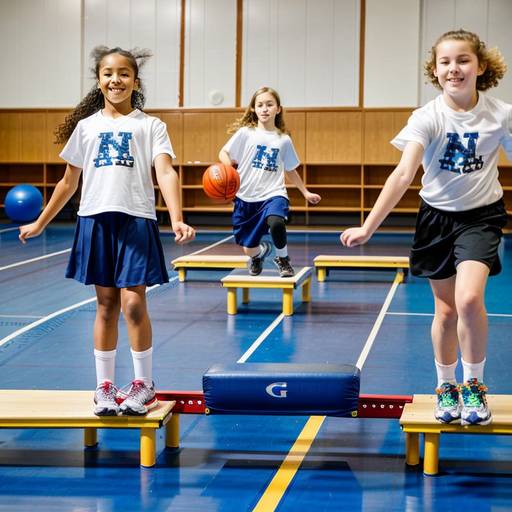
In this 4th-grade physical education lesson, students will focus on enhancing their coordination and balance through a series of engaging activities and an obstacle course. The lesson begins with a warm-up that includes dynamic stretching and a quick game of Freeze Tag to get the students active. Following the warm-up, the instructor will explain the concepts of coordination and balance.
Students will then be divided into small groups, where they will rotate through different activity stations, including hula hoop hopping, walking on a balance beam, tossing bean bags, a jump rope relay, and weaving through cones. Each group will spend a few minutes at each station, fostering teamwork and friendly competition by timing their performances.
After completing the obstacle course, the class will come together to reflect on their experiences, discussing the challenges and enjoyment they found in the activities. To conclude the lesson, students will participate in a cool-down session with stretches and breathing exercises. Throughout the lesson, the instructor will monitor student engagement and safety, providing a supportive environment for all abilities and encouraging positive peer feedback.