
Filters
Level
Grade
Subject
Subject Area
Subject Topic
Standard(s)
Audience
Keyword
DurationMinutes
Lesson Plans


In this preschool math lesson, students engage in a fun and interactive exploration of counting through a theme centered around zoo animals. The lesson begins with a group discussion about different zoo animals, leading into a collaborative counting activity where each child brings their animal to the front and counts aloud with their peers. Students then split into two teams for a sorting game, where they pick animals and place them into baskets labeled with numbers, reinforcing their counting skills. An interactive counting story follows, encouraging movement and participation as students act out the animals being counted. The lesson concludes with a review of numbers 1-10, encouraging students to share their favorite animals and wrapping up with worksheets to further reinforce their counting knowledge. Throughout the lesson, students build social skills and engage in cooperative learning while developing their mathematical concepts.

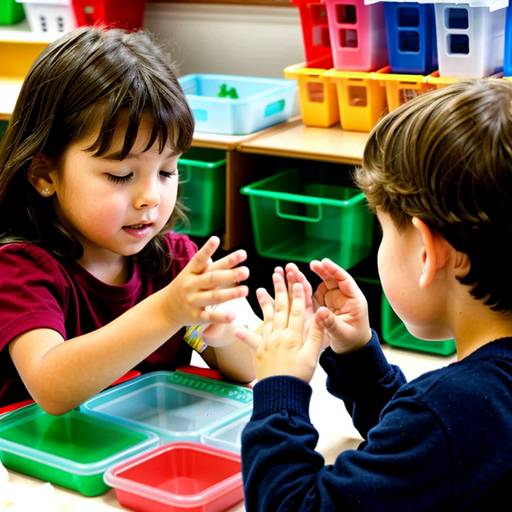
In this kindergarten math lesson, students will explore the concept of addition through hands-on activities using manipulatives. The lesson begins with a warm-up counting song to engage students and introduce the idea of addition through practical examples. Educators will model simple addition problems using visual aids, demonstrating how to group and count manipulatives to find sums.
Students will then work in pairs to solve assigned addition problems collaboratively with manipulatives, fostering communication and teamwork. Following this guided practice, they will complete worksheets where they draw and represent their addition problems using the manipulatives, reinforcing their understanding of the concept.
To conclude, the class will review key takeaways and students will create a simple exit ticket by writing their own addition problems and illustrating them. Throughout the lesson, observation and informal assessments will help gauge students' grasp of addition, with differentiation strategies to support varying levels of ability. This engaging approach promotes foundational math skills while making learning enjoyable and interactive.
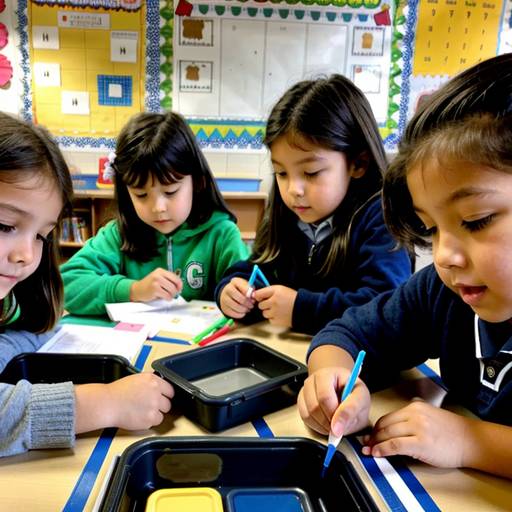
In this 1st grade math lesson plan, students learn about addition through engaging word problems related to animals. The lesson begins with a warm-up discussion about favorite animals, followed by an introduction to addition using visual aids. The teacher demonstrates how to solve a simple word problem on the board, emphasizing comprehension and problem-solving strategies.
Students then work collaboratively in small groups to solve a series of addition word problems using counters and their “Critter Count” posters. This guided practice is followed by independent work where each student completes a worksheet with various addition problems.
Throughout the lesson, students are encouraged to share their solutions and reasoning, reinforcing their understanding of addition in real-life scenarios. The teacher assesses student comprehension through observations and collected worksheets, while also providing differentiated support to meet individual learning needs. Overall, the lesson aims to build foundational addition skills in a fun and interactive way.
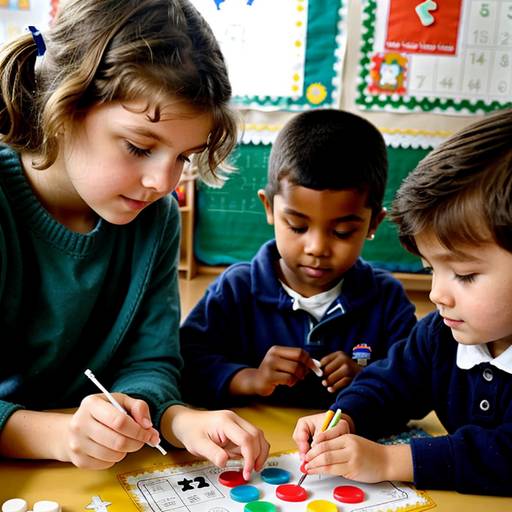
In this preschool math lesson, students engage in a variety of activities designed to enhance their number recognition skills. The lesson begins with a group circle time where children learn to identify numbers 1 through 10 by repeating after the teacher and answering related questions that encourage number awareness. Students then participate in an interactive exploration with toy critters, where they match the number of critters to corresponding number cards, reinforcing counting skills through hands-on practice.
Following this, the class engages in a group counting activity where they collectively identify and count critters chosen by their peers, further solidifying their understanding. An independent activity allows students to work with counting mats, placing the correct number of critters on each mat as they practice one-to-one correspondence.
The lesson concludes with a closing circle where students share their experiences, participate in a final review of the numbers, and receive stickers or stamps as rewards for their engagement and effort. Throughout the lesson, students build their number recognition and counting skills in a playful and supportive environment.

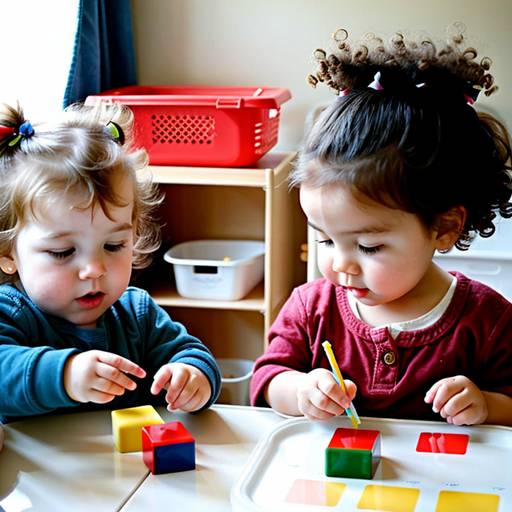
This lesson plan is designed for toddlers aged 2 to 4 years, focusing on foundational counting and quantity concepts. The objective is to help children understand one-to-one correspondence and basic counting skills from 1 to 5 through interactive and engaging activities.
The session begins with a circle gathering where students are introduced to various plush toys or animal figurines, allowing them to identify the animals and make related sounds. Children then participate in a hands-on counting activity, placing their chosen animals on numbered mats to reinforce the concept of one-to-one correspondence.
A storytime segment follows, featuring a counting-themed book that encourages children to count along using their fingers. This is complemented by a lively counting song where children use colorful beads or blocks to represent numbers, further solidifying their counting skills.
To conclude the lesson, children engage in a craft activity where they can draw their favorite animal and indicate the number they created. Finally, the group revisits the session's content with a summary discussion and farewell counting song, ensuring that the concept is reinforced.
Throughout the lesson, children are observed to assess their understanding, and extensions are suggested for those who demonstrate advanced counting abilities. This engaging approach effectively introduces essential math skills through play and interaction.
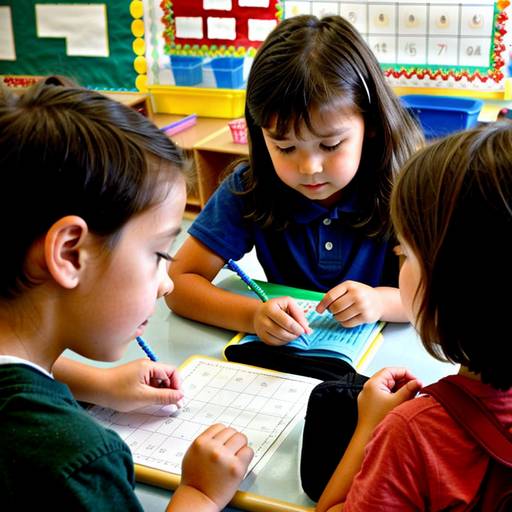
In this kindergarten math lesson, students will explore the concept of addition using single-digit numbers in an engaging and interactive way. The lesson begins with an introduction to addition, where students are encouraged to share their understanding and experiences with adding. Following a direct instruction segment, the teacher demonstrates addition using visuals and manipulatives, such as animal cut-outs.
Students then participate in guided practice by creating their own addition problems in pairs and sharing them with the class. For independent practice, they will complete worksheets featuring images of animals, which reinforces their counting and addition skills. The lesson concludes with a group discussion to review their learning and a fun song to celebrate their understanding of addition.
Assessment will be conducted through observation during activities and by reviewing completed worksheets, ensuring a comprehensive grasp of the concepts taught. Adaptations are available for both advanced learners and those needing additional support, ensuring that all students can engage with the material meaningfully.
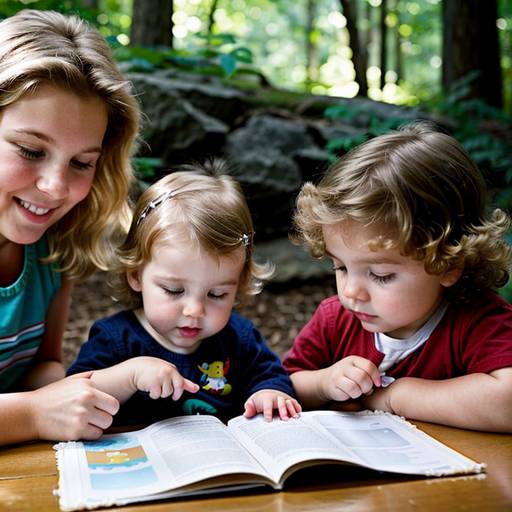
This lesson plan focuses on developing number recognition and counting skills for toddlers aged 2-4 through engaging activities and interactive games. The session begins with a welcoming circle where children are introduced to various animal figurines that will be used throughout the lesson. The first activity involves matching animal figurines with numbers displayed on a chart, where children collectively count the animals to reinforce understanding.
Next, an active movement activity encourages children to engage in a parade while holding their figures; they respond to called-out numbers by displaying the corresponding quantity of their animals. After a brief break, toddlers participate in a sing-along featuring counting songs, where they further practice verbal counting and movement.
The lesson concludes with a reflective circle where children share their experiences and reinforce their learning by answering questions about the numbers. The instructor observes participation and comprehension throughout the activities, providing praise and rewards to encourage engagement. The session is designed to be interactive, fostering a fun and stimulating learning environment for early numeracy skills.
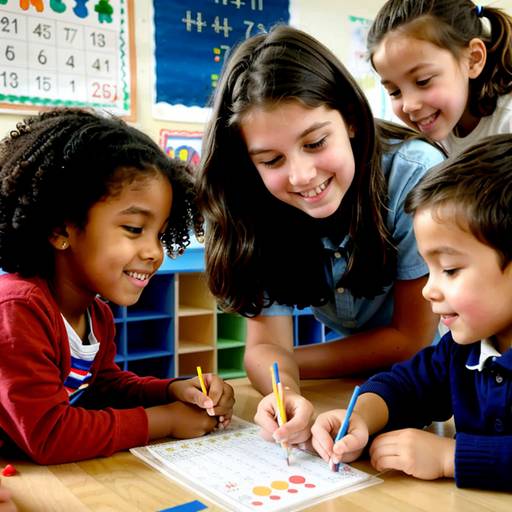
This preschool math lesson focuses on teaching students to count from 1 to 10 using animal representations. The session begins with an introduction that engages students by encouraging them to name different animals. During a hands-on activity, students use small animal toys to group and count their toys, reinforcing one-to-one correspondence while sharing their counts with the class.
To incorporate movement and music, the children participate in a song that includes counting down, which enhances their engagement. Following this, they complete a worksheet featuring various animal counting tasks, allowing the teacher to assess their understanding and counting skills.
The lesson concludes with a recap and reflection where students share their work and discuss their favorite animals. Throughout the session, informal assessments are made based on observation, and adaptations or extensions are provided to accommodate varying skill levels. The overall approach promotes a fun and interactive way to develop early counting skills in a thematic context.
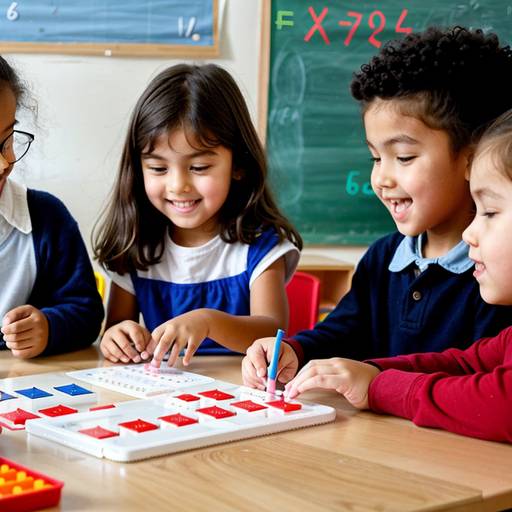
This preschool math lesson focuses on helping young children develop number recognition and counting skills through interactive activities. The session begins with a circle time, where students engage in a welcome song and are introduced to numbers 1-10 through visual aids.
In the first activity, children participate in a number match game, pairing number cards with corresponding counting manipulatives, which promotes both recognition and verbal counting skills. Following this, a counting song is introduced, allowing students to sing and engage with the numbers in a fun and memorable way.
Next, students experience a nature count walk, where they collect items to count together, further reinforcing their counting skills in a hands-on setting. If time allows, they may complete a simple worksheet to match numbers with images, solidifying their understanding.
The lesson concludes with a group reflection on their favorite activities, reinforcing the concepts learned. Throughout the session, observation and interaction provide insights into each child's understanding of numbers, fostering a collaborative and supportive learning environment. This engaging and dynamic approach encourages enthusiasm for math among preschoolers.
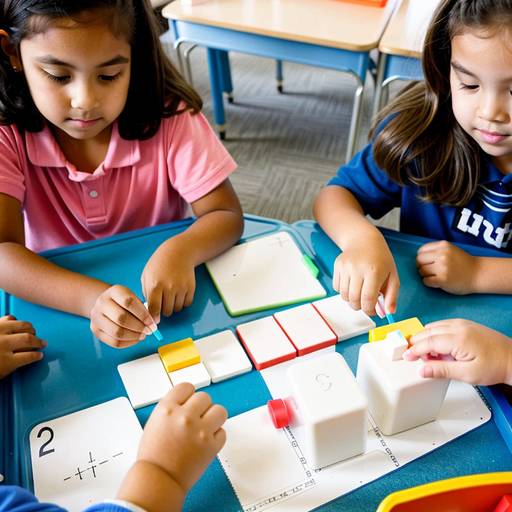
In this 2nd-grade math lesson, students will engage with the concept of addition through hands-on activities using various manipulatives. The lesson begins with a review of addition, followed by a demonstration where the teacher models how to combine groups using physical objects. Students will then work in small groups, using manipulatives to represent and solve simple addition problems from provided worksheets. After completing the activities, groups will share their findings with the class, reinforcing their understanding through discussion. The lesson concludes with a fun counting game that encourages movement and reinforces the addition concept. Assessment will involve observing student participation and reviewing their completed worksheets, with modifications and extensions available to support diverse learning needs. Overall, this interactive approach aims to make learning about addition engaging and accessible to all students.