
Filters
Level
Grade
Subject
Subject Area
Subject Topic
Standard(s)
Audience
Keyword
DurationMinutes
Lesson Plans

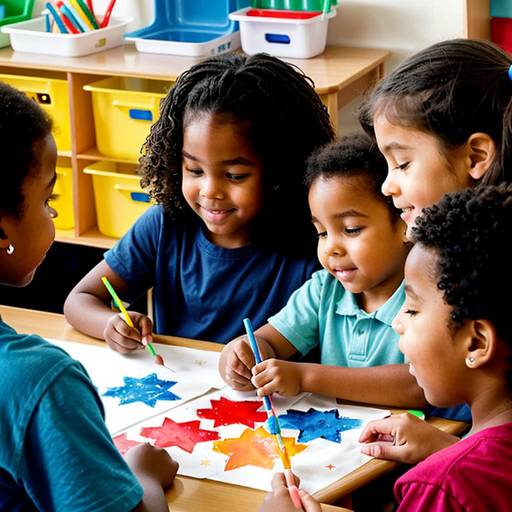
This preschool lesson plan focuses on promoting emotional awareness among young children through interactive activities and creative expression. It begins with a circle time discussion about emotions, using a visual emotion wheel to help children identify and relate to various feelings. A storybook is read to further explore these emotions, encouraging students to share their thoughts and demonstrate emotions through facial expressions.
The lesson includes an engaging activity where children act out different feelings, fostering empathy by allowing peers to guess the emotions being portrayed. Following this, students are invited to create drawings that represent their own feelings, using colors that they associate with those emotions. As they create, they engage in discussions about their artwork, reinforcing their understanding of emotional expression.
The lesson concludes with a sharing circle, where children present their drawings and articulate their chosen colors and feelings. The overall goal is to help children recognize, express, and empathize with emotions, providing them with essential social and emotional skills for their development. Extensions to the lesson involve creating an “Emotion Wall” and introducing mindfulness practices to help manage emotions.

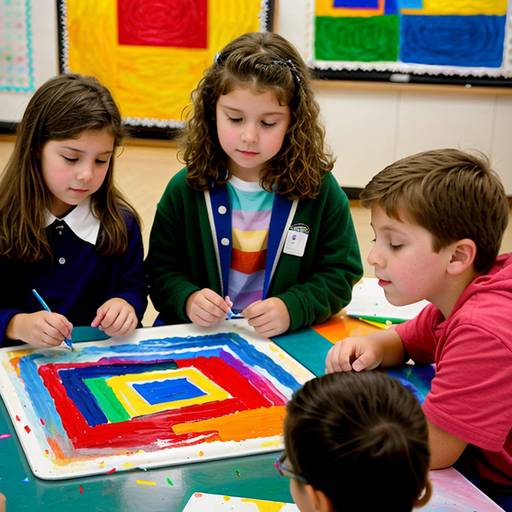
In this 3rd-grade art lesson, students will explore the elements of art—line, shape, color, form, space, texture, and value—while gaining an understanding of basic color theory. The lesson starts with a discussion of how colors evoke emotions, followed by an introduction to the color wheel, including primary, secondary, and complementary colors.
Students will demonstrate their comprehension through a guided practice session where they learn watercolor techniques. For the main activity, they will create their own artwork using a variety of colors and elements, focusing on expressing their feelings through their choices.
The lesson concludes with a mini-gallery walk where students share their creations with classmates, discussing their use of color and art elements. Assessment will be based on creativity and the application of learned concepts. Extensions include discussions on the impact of color in various contexts and a potential field trip to an art museum. Overall, this lesson aims to foster creativity and enhance students’ understanding of art fundamentals.
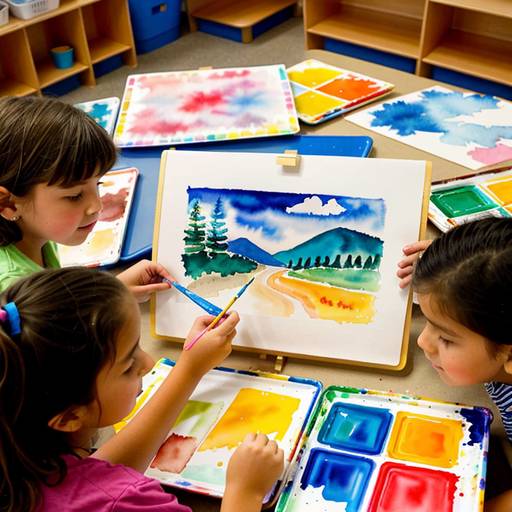
In this 2nd-grade art lesson, students will explore basic watercolor painting techniques and create their own original artworks. The session will begin with a discussion and demonstration of various techniques, including wet-on-wet, wet-on-dry, color mixing, and blending. After the demonstration, students will receive watercolor paper and paints to experiment with these techniques in a guided hands-on activity. They will be encouraged to create a landscape or abstract piece, incorporating at least two different techniques. As the class wraps up, students will share their artwork and explain the techniques they used. Assessment will focus on engagement, creativity, and the application of techniques. The lesson encourages creativity and experimentation while laying the groundwork for future artistic exploration. Adaptations are included to support diverse learners, ensuring a positive experience for all students.
In this two-day art lesson plan for 5th graders, students will explore various drawing techniques, focusing on contour lines, shading, and color theory while developing their observational skills. On the first day, they will engage in warm-up exercises to practice contour drawing with real objects and experiment with different shading techniques. Additionally, the lesson will introduce basic color theory, highlighting how colors can influence character design and emotions.
For the second day, students will create their own unique characters, drawing inspiration from their favorite books, cartoons, or video games. They will incorporate the techniques learned, refining their character's design by adding details and personality traits. Students will have the opportunity to share their work with peers, receiving feedback and reflecting on their artistic process. The lesson emphasizes creativity, technique application, and collaboration while fostering a supportive environment for artistic growth.

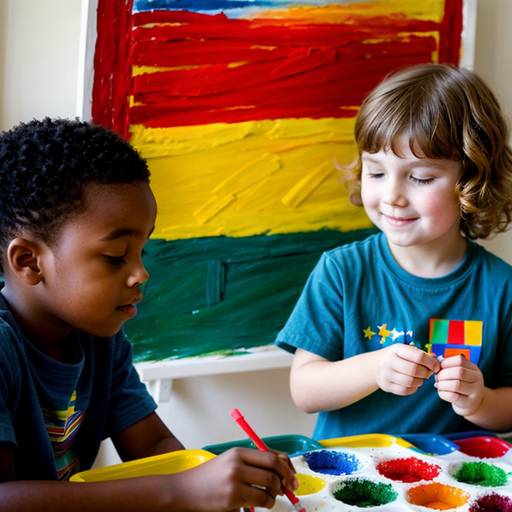
The lesson focuses on teaching preschoolers the concepts of drama and self-expression through the creation of colorful characters. It begins with a group discussion about character traits and appearances to spark imagination. Students then draw their unique characters using various art supplies, reflecting different personalities through color. Next, they transform their drawings into puppets using craft materials, enhancing their creations with decorative elements. Each child is encouraged to perform a short scene or story with their puppet, fostering collaboration and communication skills. The lesson concludes with a sharing circle, where students describe their characters and reflect on their experiences. This creative activity not only nurtures artistic abilities but also promotes teamwork and builds confidence in public speaking.
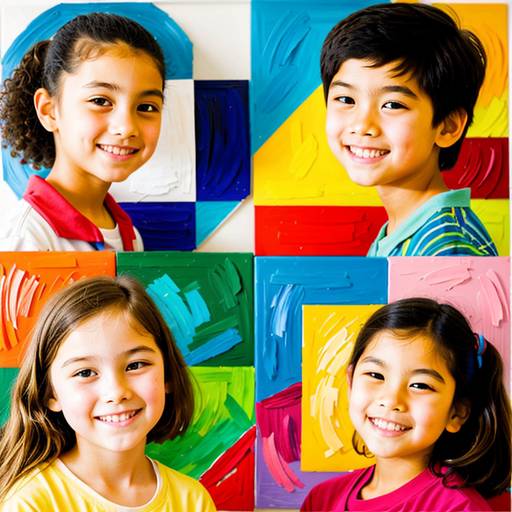
In this 3rd-grade art lesson, students will explore fundamental painting techniques while creating a colorful collage. The lesson begins with a discussion about color and its emotional effects, followed by a demonstration of three specific painting methods: wet-on-wet, dry brush, and sponge painting. After practicing these techniques on paper, students will use heavyweight paper or canvas boards to create their own collages, incorporating the techniques they have learned along with various collage materials such as torn paper and fabric scraps. Throughout the activity, students will express their creativity while experimenting with texture and color. The lesson concludes with a reflection where students share their work with classmates and discuss their artistic choices. Clean-up will be a collaborative effort, reinforcing responsibility and teamwork. The assessment will focus on observation of participation and the creativity displayed in the final artwork. Extensions may explore art styles or famous artists related to color and texture. Overall, this lesson aims to inspire creativity and engage students in hands-on learning about painting techniques.
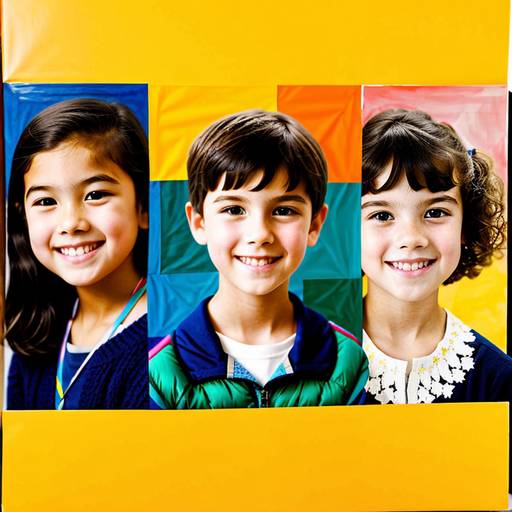
In this 1st-grade art lesson, students will explore basic art techniques through the creation of a collage using various materials such as colored construction paper, magazines, scissors, glue, crayons, and optional natural elements. The lesson begins with an introduction to collages, showcasing different styles and discussing composition, color, and texture. A demonstration follows, where students learn to safely cut and arrange their materials before gluing them onto a background. Guided and independent practice will allow students to create their own collages based on a theme or story of their choice, fostering creativity and personal expression. The lesson culminates with students sharing their artwork in pairs or small groups, reflecting on their creative choices. Assessment will focus on students' understanding of collage techniques and their engagement in the process. An extension activity encourages students to continue exploring collage themes over time. Finally, the lesson emphasizes the joy of creating art and the value of sharing creative experiences.
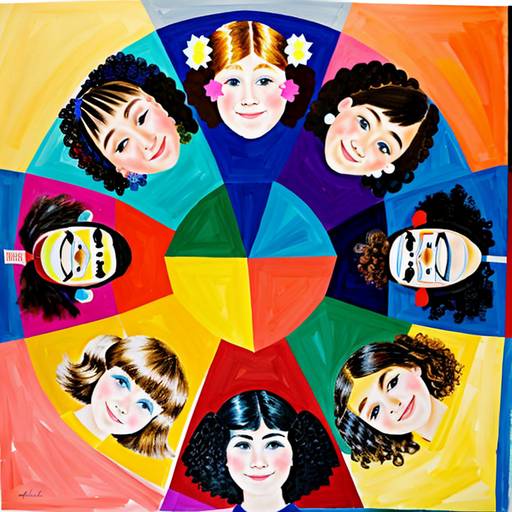
This lesson plan for 3rd-grade students focuses on exploring mixed media art forms through the creation of collages. Over two class sessions, students will learn about different art styles and materials, discussing the elements that make up a collage. The first class includes a demonstration of creating simple collages using magazines and construction paper, followed by a brainstorming activity where students sketch their ideas. In the second class, students will gather various materials to bring their collage concepts to life, incorporating diverse textures and colors while adding details with markers and fabric scraps. The lesson emphasizes creativity, collaboration, and peer feedback, allowing students to express their artistic vision while learning about composition and the use of different media. Finally, students will participate in a class discussion to reflect on their experiences and the techniques they used, culminating in a showcase of their artwork. This multifaceted approach encourages engagement and appreciation for the artistic process.

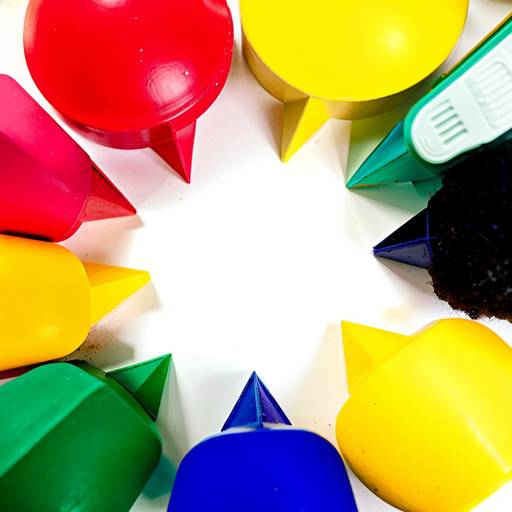
In this preschool math lesson, students will explore the concepts of sorting and classifying objects based on various attributes such as color, shape, size, and type. The lesson begins with a group discussion where children observe a mixed collection of items and identify ways to group them. Following this, the teacher demonstrates sorting objects by color and engages students in guided practice in small groups, allowing them to sort a variety of items themselves.
Students will then work individually or with partners to sort their own bags of objects and present their sorting methods to peers. The lesson concludes with a reflection where students share their learning experiences and sorting strategies. Extensions include outdoor sorting activities and art integration to reinforce the concepts. Assessment will focus on observations during activities and students' ability to articulate their thought processes in sorting. Overall, the lesson fosters hands-on learning, collaboration, and critical thinking in a fun and engaging way.
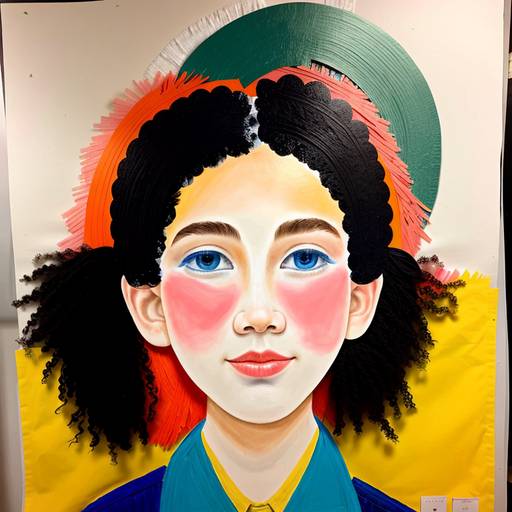
In this first-grade art lesson, students will engage in a mixed media project that allows them to explore various art forms, including drawing, painting, and collage. The session begins with a discussion about different artistic techniques and an overview of mixed media art, showcasing examples that illustrate how diverse materials can be combined.
A demonstration follows, where students learn how to create a simple artwork by layering drawings with watercolor painting and collage elements. After the demonstration, students will have 30 minutes to create their own mixed media pieces, encouraging them to incorporate elements from each category while using innovative materials and textures.
The lesson concludes with a sharing circle, where students present their artworks and reflect on their creative process. The instructor will assess engagement, creativity, and the effective use of mixed media throughout the activity. Extension opportunities include a take-home assignment for further artistic exploration and a potential classroom exhibition to display student work.