
Filters
Level
Grade
Subject
Subject Area
Subject Topic
Standard(s)
Audience
Keyword
DurationMinutes
Lesson Plans

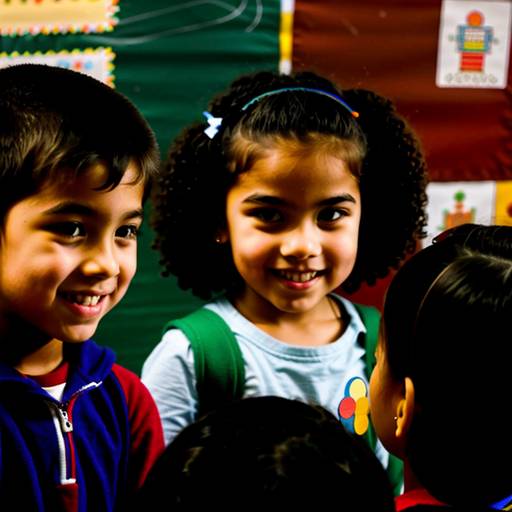
This preschool lesson plan focuses on introducing young children to the concept of holidays and cultural celebrations around the world. The session begins with a discussion about holidays, encouraging students to share their thoughts and experiences. Through engaging storytelling, children learn about specific holidays, their significance, and associated customs. The lesson includes an interactive discussion using visual aids to help students identify and connect with various cultural traditions.
To foster creativity and personal expression, students participate in an arts and crafts activity where they create holiday cards or decorations representing a holiday of their choice. The lesson concludes with a sharing session, allowing children to present their creations and discuss the holidays they relate to. The plan emphasizes the importance of diversity and respect for different cultural traditions while promoting community spirit among the students.
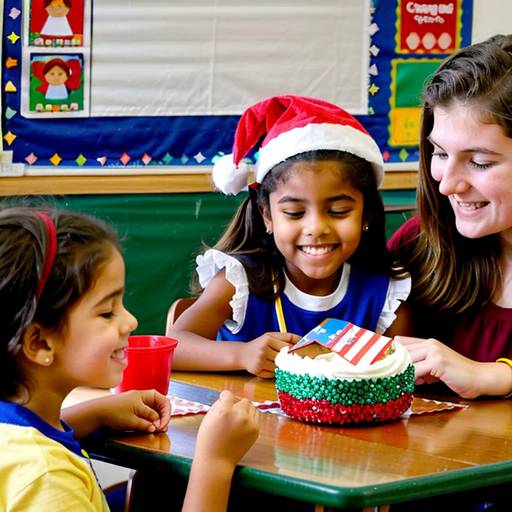
This preschool lesson plan focuses on introducing young learners to the concept of holidays and how they are celebrated across different cultures. The session begins with a discussion to engage students and gather their thoughts about what holidays mean to them. This is followed by a storytime segment where picture books about various holidays are read aloud, allowing students to visualize and understand the significance of each celebration.
After the reading, children participate in a "show and tell" activity to share personal experiences related to holidays they celebrate at home. The lesson continues with an arts and crafts activity where students create holiday-themed cards or decorations, encouraging creativity and expression.
To conclude the session, students gather for a dance to a holiday song, celebrating the joy of the topic discussed. The lesson includes elements of reflection, reinforcing the importance of understanding and respecting different cultures. Assessment focuses on student engagement and participation throughout the activities. The plan accommodates diverse learners through visual aids and supportive practices. Ultimately, this lesson aims to foster appreciation for cultural diversity and the shared joy of celebrations.

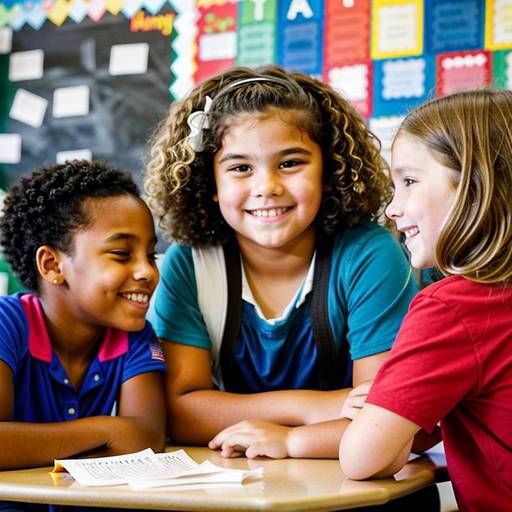
This 2nd-grade social studies lesson focuses on exploring the concepts of community and diversity. Students will engage in a discussion about what constitutes a community and the importance of diversity within it. The lesson includes a read-aloud of a children's book that emphasizes various cultures and their contributions to the community.
Following the reading, students will create individual drawings that represent their own cultures and traditions, which will be compiled into a large mural to celebrate the diversity within the classroom. A reflection activity will allow students to express what they love about their community and the value of diversity.
Assessment will occur through observations of participation, the quality of the drawings and worksheets, and results from a reflection exercise. Extensions may include inviting family members to share cultural traditions and organizing a "Culture Day" for students to showcase their heritage. The lesson is designed to foster appreciation and respect for differences among peers, highlighting the rich tapestry that diverse backgrounds bring to the community.
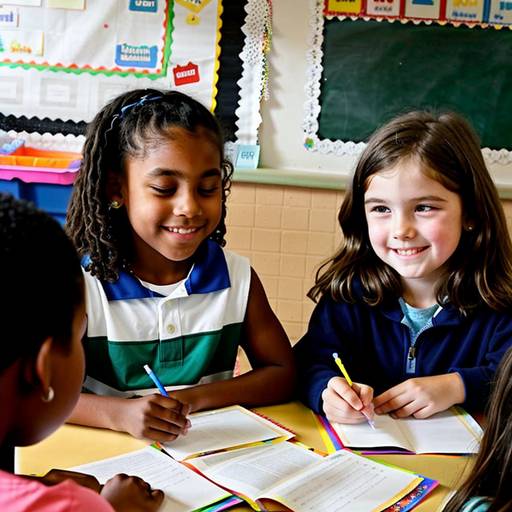
In this 1st-grade social studies lesson, students will explore the concepts of community and diversity. The class will begin with a discussion to define what a community is and identify its members and different cultures represented. Following this discussion, students will listen to a read-aloud of a children's book that emphasizes inclusion and the value of diverse backgrounds.
After the reading, students will engage in a conversation about the richness that diversity brings to their community and the roles of various community helpers. In groups, they will participate in an interactive activity by creating a collage that represents their community, incorporating images of diverse families, community helpers, and cultural traditions.
Each group will share their collage with the class, describing the significance of their chosen elements. The lesson will conclude with a summarization of key points about the importance of kindness and inclusion. Assessment will be based on student participation, engagement during discussions, and creativity in their collages, fostering understanding and appreciation of community and diversity among the students. Additionally, extensions such as inviting guest speakers or planning a cultural day are suggested for further learning experiences.
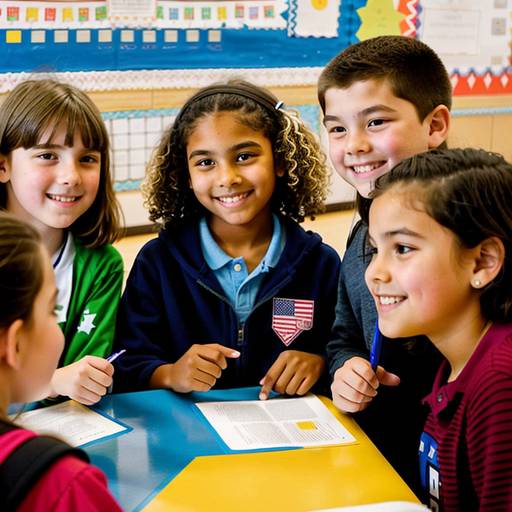
This lesson plan focuses on helping 4th-grade students understand the concept of community and the richness of diversity within it. It aims to foster appreciation for different cultural backgrounds through discussions, group activities, and collaborative projects.
The lesson begins with an interactive discussion where students share their ideas and experiences about their communities. Students are then organized into small groups to create a "Community Map," identifying various cultures, traditions, and practices present in their community. Following this, the class engages in an open discussion about the significance of these traditions and how they enrich their lives.
The students then participate in a creative activity where they each design a square representing their own cultural background or a culture they admire. These squares will be assembled into a "Diversity Quilt," symbolizing the collective identity of their classroom community.
The lesson concludes with reflections on what students learned about their classmates and the value of embracing diverse perspectives. Assessment is based on participation in discussions and activities, creativity in the quilt project, and the ability to communicate their understanding of community and diversity. Optional extensions include inviting guest speakers or organizing a culture day to further celebrate their learnings.
In this preschool social studies lesson, students will explore the concept of diversity, focusing on the unique backgrounds, cultures, and traditions of their classmates and communities. The lesson will begin with a group discussion about what makes each child special, followed by a storytime featuring a book that emphasizes inclusion and appreciation of differences. Afterward, students will participate in a sharing activity where they can express something unique about their family or culture.
The children will then engage in a creative project to craft individual leaves that symbolize their uniqueness, which will collectively form a “Diversity Tree.” This collaborative artwork will highlight the beauty of diversity in the classroom. The lesson will conclude with a reflection on the completed tree, reinforcing the idea that every individual's differences contribute to a stronger and more beautiful community. Students will also have the opportunity to participate in a multicultural dance, celebrating their unique qualities together. Opportunities for extension activities, such as sharing cultural items from home, will be provided to further their understanding and appreciation of diversity.
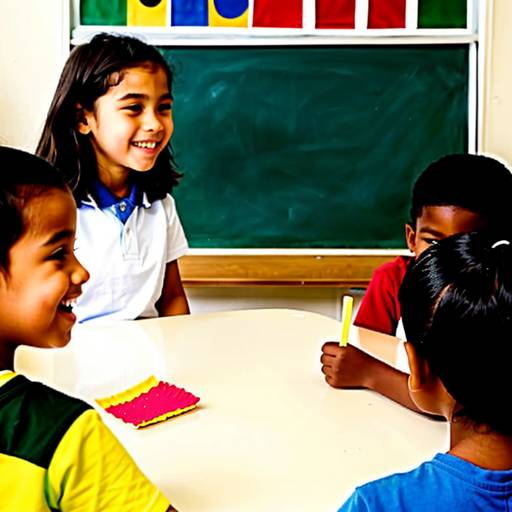
This preschool lesson plan focuses on helping young children understand and appreciate diversity through engaging activities. The lesson begins with a circle discussion about differences among people, allowing students to express their thoughts. A picture book illustrating various cultures is read aloud, encouraging discussions about similarities and differences among the characters.
Next, students participate in a music activity where they listen to a piece from a different culture and are invited to dance and move, highlighting the joy that music brings across cultures. Following this, children engage in an art activity where they create "Cultural Flags" that represent their unique identities or family heritage, fostering creativity and self-expression.
The lesson concludes with a group sharing session where students present their flags, reinforcing the understanding that each individual is special and valued. Throughout the activities, the emphasis is on respect, appreciation, and the importance of celebrating diversity among peers. The plan includes adaptations for children with special needs and encourages ongoing exploration of cultural differences.
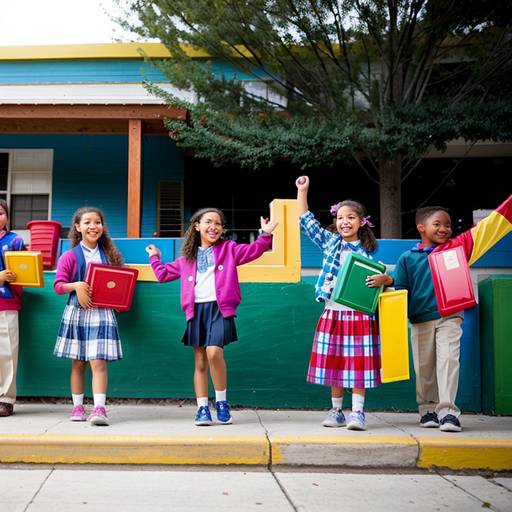
In this 3rd-grade Social Studies lesson, students will explore the concept of community and diversity by examining the unique neighborhoods within their town. The lesson begins with a group discussion to define the idea of community and identify different neighborhoods on a large map. Students will then work in small groups to research specific neighborhoods, focusing on their cultural, historical, and social aspects through guiding questions. Each group will create a visual representation of their neighborhood, highlighting its distinct features and contributions to the overall community. The class will participate in presentations to share their findings, followed by a reflective discussion about what they learned and appreciated about their community's diversity. The lesson emphasizes the importance of respecting and celebrating differences among community members, encouraging students to engage with and learn more about their neighbors. Assessment will be based on group presentations and participation in discussions, with extensions available through community interactions or field trips.
This lesson plan for 5th-grade social studies focuses on exploring the concepts of community and diversity. Students will start by discussing what constitutes a community and the unique characteristics that make theirs special. They will learn about diversity, encompassing various cultures, ethnicities, and traditions, through small group activities. Each group will research and create a mini-poster representing a specific aspect of diversity within their community, such as language, religion, or traditions. Following the creation of their posters, students will engage in a gallery walk to share their findings and learn from one another.
The lesson culminates in a class discussion, allowing students to reflect on the significance of diversity and how it enriches their community. Assessment will take place through participation, the content of their group work, and a written reflection on what they learned about diversity. Extensions of the lesson include planning a “Diversity Day” for students to share cultural artifacts and experiences, as well as creating a class mural to visually represent their collective cultural backgrounds. This approach aims to foster inclusivity and cultural awareness among students, highlighting the value of diversity in their lives.


In this 2nd-grade science lesson, students will explore the fascinating world of stars and constellations. They will begin by discussing what they know about stars, learning about their characteristics and colors. The lesson will then introduce common constellations and share stories associated with them, fostering a connection to mythology.
Next, students will create their own unique constellations using dark construction paper and white chalk or paint, allowing them to express their creativity. Each student will name their constellation and write a brief story about it. The lesson will conclude with a sharing session, where students present their creations to the class, promoting confidence in public speaking.
Assessment will be based on participation and the understanding demonstrated through their constellation designs and stories. Extensions may include a stargazing event for families or the use of technology to identify constellations in real-time, enhancing students' engagement with astronomy.