
Filters
Level
Grade
Subject
Subject Area
Subject Topic
Standard(s)
Audience
Keyword
DurationMinutes
Lesson Plans

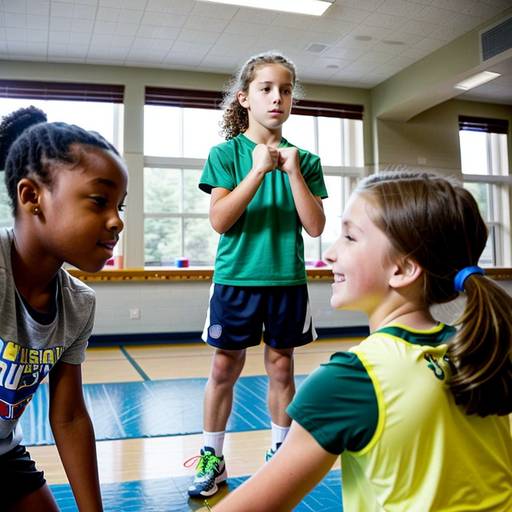
This 4th-grade Physical Education lesson focuses on fitness and strength through engaging activities that promote teamwork and cooperation. Students will begin with a warm-up involving dynamic stretches and light jogging, followed by a discussion on the importance of fitness and strength exercises.
The main activity consists of a station rotation involving five different strength exercises performed in pairs, allowing students to learn and practice push-ups, squats, resistance band rows, plank high-fives, and a medicine ball toss. The lesson culminates in a group relay race that incorporates fitness tasks, emphasizing collaboration.
To conclude, students will cool down with guided stretches and deep breathing exercises, followed by a discussion reflecting on their experiences and learning outcomes. The lesson emphasizes student engagement, teamwork, and the importance of maintaining an active lifestyle. Adaptations are provided to accommodate different fitness levels, ensuring all students can participate safely and effectively.
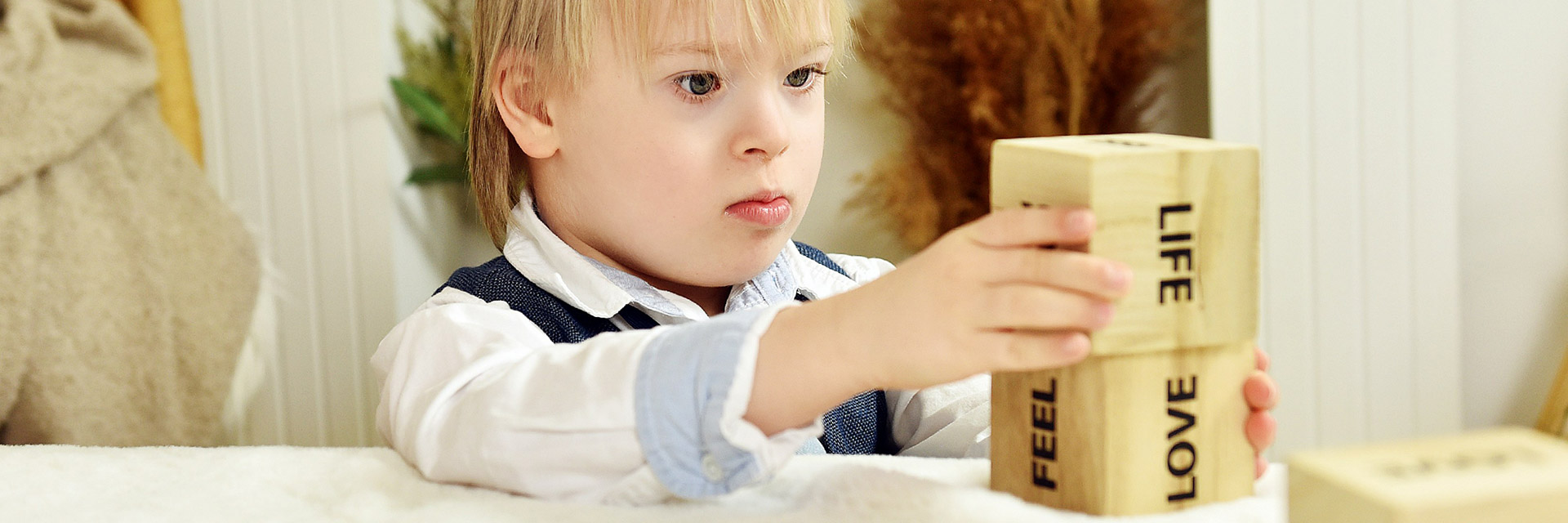
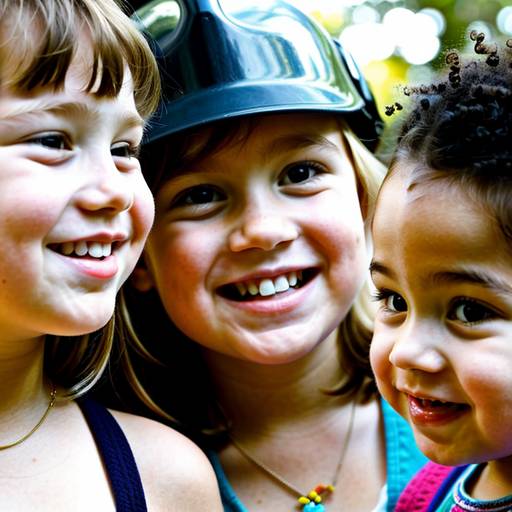
This lesson plan focuses on helping toddlers develop their self-confidence through interactive and engaging activities. The session begins with a simple discussion about confidence, encouraging children to understand and express the concept effectively.
Storytime features a children's book that highlights themes of bravery and self-acceptance, prompting children to share their thoughts and feelings about the characters. A mirror activity allows each child to see their reflections and express different emotions, fostering self-recognition and positivity.
Movement is incorporated through a fun, upbeat dance, encouraging children to express confidence through physical expression. Following this, a creative drawing session allows children to illustrate things that make them feel confident, promoting self-expression and creativity.
The session concludes with a group chant of positive affirmations, reinforcing messages of bravery and self-worth. Children share their artwork and reflections, and receive stickers as a reward for participation. Observations during the lesson will help assess their engagement and understanding. Extensions include a Confidence Wall for displaying their work and planning future lessons that build on teamwork and social skills. Overall, the lesson creates a supportive environment for toddlers to embrace their individuality and build self-confidence through play and interaction.


This lesson plan is designed for infants aged 0-12 months and their caregivers, aiming to foster social bonding and attachment through various interactive activities. The session begins with a warm welcome and a gentle song to create a soothing atmosphere. Caregivers and infants engage in sensory play with soft toys, promoting visual tracking and tactile exploration.
Next, a movement and music segment encourages rhythmic interaction, allowing caregivers to bond physically with their infants through the use of musical instruments and gentle swaying. Following this, an interactive storytime introduces high-contrast picture books, where caregivers practice descriptive language and maintain eye contact, enhancing engagement and communication.
The lesson concludes with a closing circle for reflection, where caregivers share their bonding experiences from the session. Overall, the plan emphasizes nurturing interactions and provides caregivers with strategies to continue fostering their infant's development at home, promoting emotional security and healthy attachment.
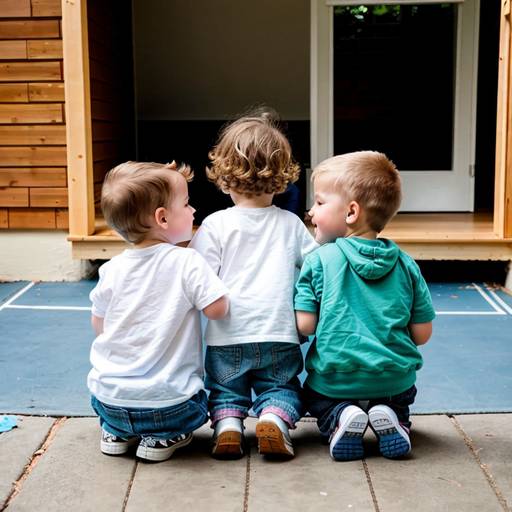
This lesson plan aims to help toddlers understand the concept of friendship and develop essential social skills through interactive activities focused on kindness and sharing. The session begins with circle time, where children engage in a discussion about friendship after listening to a picture book. They then participate in an activity where they can give friendship tokens to peers, promoting appreciation and positive interactions.
Cooperative play is facilitated with soft toys, encouraging children to communicate and work together on shared tasks. Following this, a craft activity allows children to create friendship cards for their classmates, reinforcing their understanding of friendship. The lesson concludes with a closing circle, where children share their thoughts about friendship and sing a friendly song together.
Throughout the lesson, children’s interactions and use of kind language are observed to assess their engagement and understanding. The plan includes suggestions for extending the theme of friendship through future activities. Overall, this lesson fosters a nurturing environment where early social skills can flourish while celebrating the importance of friendship.
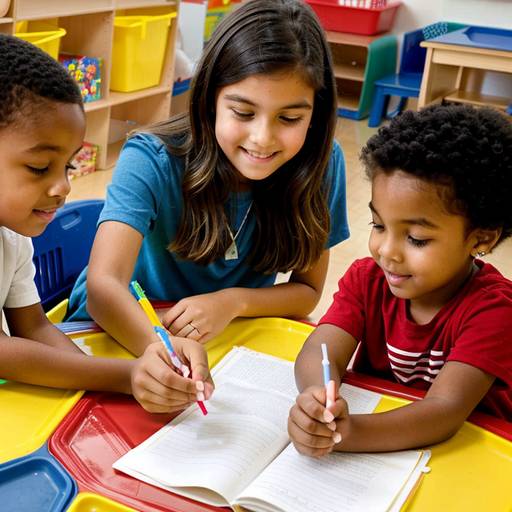
In this preschool lesson, students will explore the concept of environmental print and its importance in everyday life. The session begins with an engaging song to set the mood, followed by a discussion about the various signs, labels, and logos students encounter daily. Real-life examples will be shown to help children recognize and read environmental print, fostering their understanding of how it aids in navigation and communication.
Students will then work in small groups to examine a selection of environmental print materials, discussing their meanings and contexts as they engage in guided exploration. The activity will shift to a scavenger hunt, where children will search for specific environmental prints within the classroom or schoolyard. This hands-on experience will be followed by a group sharing session, encouraging students to present their findings and reflect on the importance of print in their surroundings.
The lesson will conclude with a recap of the day’s learning, reinforcing the connection between literacy and the world around them. Throughout the lesson, educators will assess students’ engagement and understanding through observation and their scavenger hunt worksheets. Options for extending the lesson include creating a display of collected environmental prints and integrating more related stories into the reading area for further exploration.
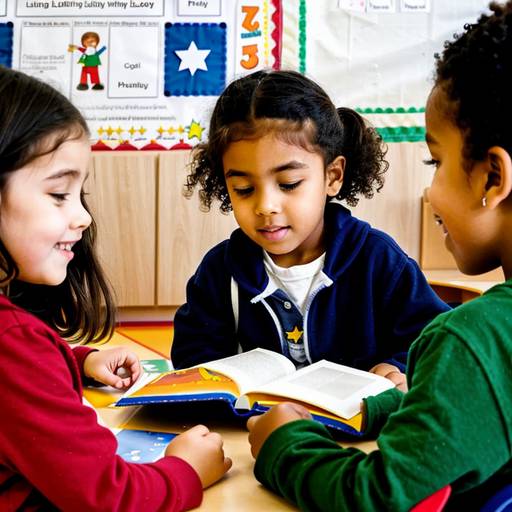
In this preschool language lesson, children will develop essential pre-reading skills through an interactive storytelling experience. The session begins with an engaging introduction where children examine the book's cover and make predictions about the story. Following this, an enthusiastic read-aloud captures their attention, with questions posed throughout to enhance comprehension and encourage participation.
After the story, children will engage in a discussion that prompts them to express their thoughts and connections to the narrative. An interactive activity using puppets will reinforce comprehension while vocabulary flashcards will support language development. Creativity is further encouraged as children draw their favorite character or scene, sharing their artwork with peers to enhance verbal skills.
The lesson concludes with a review of key vocabulary and a fun, related song to reinforce language concepts. Overall, the activities are designed to foster engagement, creativity, and a love for reading as children interact with stories and build foundational literacy skills. Extensions include introducing a "story of the week" for sharing, further promoting independent reading and communication among students.
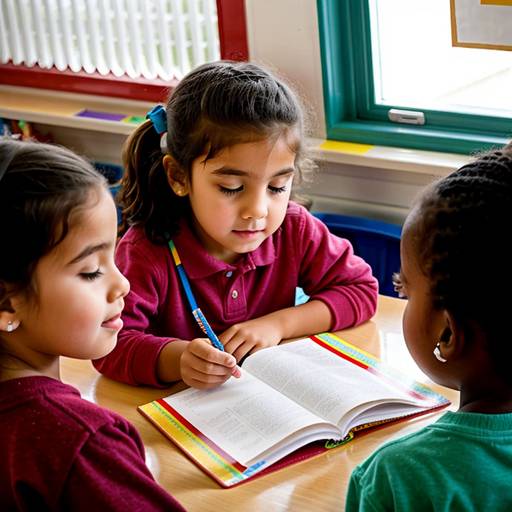
This preschool language lesson focuses on enhancing pre-reading skills through engaging storytelling activities. The lesson begins with a circle time introduction where children discuss their favorite stories. A carefully selected picture book is read aloud, encouraging children to interact by answering questions related to the story, thereby enhancing comprehension and vocabulary development.
After the reading, students engage in a vocabulary activity where they learn and match key words from the story using visual aids. The lesson incorporates an interactive retelling segment, allowing children to use props to act out parts of the story, fostering participation and creativity.
Additionally, students are given an opportunity to express their understanding through a drawing activity, where they illustrate their favorite moments from the story or create their own narratives. The lesson culminates in a sharing session where children present their drawings and discuss what they learned.
Throughout the lesson, the teacher assesses participation and comprehension, while encouraging connections between the story and the children’s own experiences. Families are invited to continue the learning at home with suggested activities. This comprehensive approach cultivates vocabulary, comprehension, and storytelling skills in an enjoyable and interactive way.

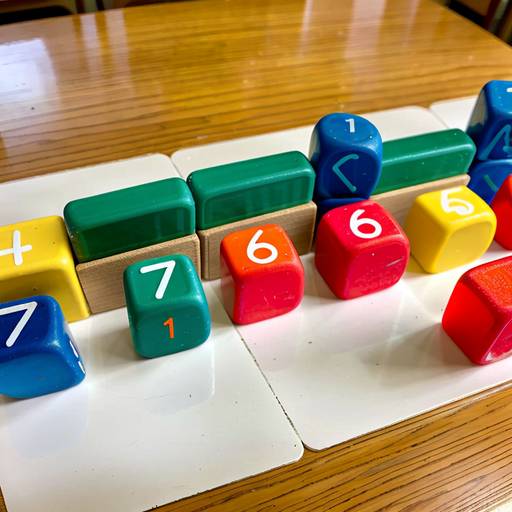
The lesson focuses on teaching kindergarten students the concept of addition through interactive, hands-on activities using colorful building blocks as manipulatives. Starting with an introduction that explains addition, the teacher demonstrates a simple problem using blocks to illustrate how to combine sets visually. Students then work in small groups to solve assigned addition problems, using blocks to visually represent the numbers and practice counting. After guided practice, they complete independent worksheets featuring basic addition problems, which they can also visualize with blocks if needed. The lesson concludes with a class discussion where students share their outcomes, reinforcing their understanding of addition. Assessment is based on participation, problem-solving during group work, and the accuracy of their completed worksheets. Extensions and adjustments are provided to cater to diverse learning needs, ensuring an inclusive and engaging math experience.

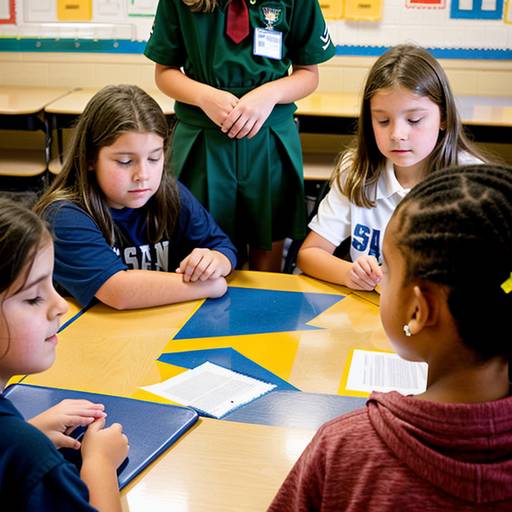
In this fifth-grade social studies lesson, students will explore the concept of community and the various roles individuals play within it. The lesson begins with a class discussion about what defines a community, followed by small group activities where students examine specific roles, such as police officers, teachers, and firefighters, and discuss their responsibilities and contributions. Each group will present their findings to the class, fostering collaboration and communication skills.
Students will then create a visual community collage that highlights the different roles, promoting creativity and teamwork. The lesson concludes with a reflective discussion, encouraging students to share their insights on the importance of community roles and how they can contribute positively to their own communities. Assessment will include observing group participation, reviewing the collages, and collecting exit tickets that capture students' reflections. Extension activities, such as field trips and service projects, will further enhance their understanding and engagement with the community.
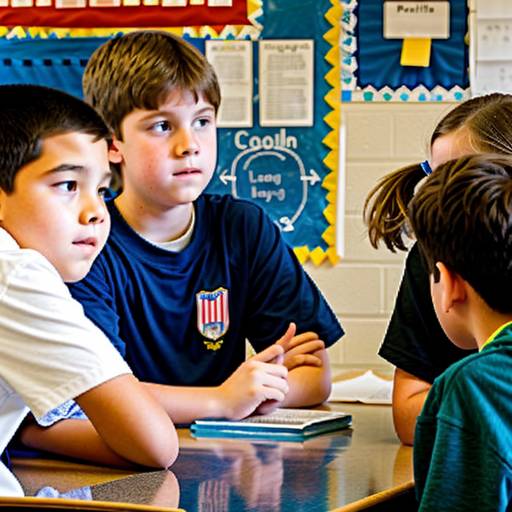
In this 5th-grade social studies lesson, students will explore the concept of community and the importance of rules and responsibilities within it. The lesson begins with a warm-up discussion to define what a community is, followed by a group brainstorm on community rules that promote safety and organization. The teacher will introduce the various types of rules, including local laws, school regulations, and household expectations, while emphasizing the responsibilities that come with following these rules.
Students will engage in a guided group activity to create a list of essential community rules on sticky notes, which they will then share with the class. Following this collaborative effort, each student will work individually or in pairs to design a "Community Rules" poster that illustrates key rules and their importance.
As the lesson concludes, students will reflect on the significance of rules and the feelings associated with following or breaking them. For homework, they will write a paragraph about a rule they adhere to at home and its impact on their family. Assessment will be based on participation, the creativity of the poster, and the written assignment. This lesson aims to foster teamwork, creativity, and public speaking skills in a supportive environment, while deepening students' understanding of community dynamics.