
Filters
Level
Grade
Subject
Subject Area
Subject Topic
Standard(s)
Audience
Keyword
DurationMinutes
Lesson Plans

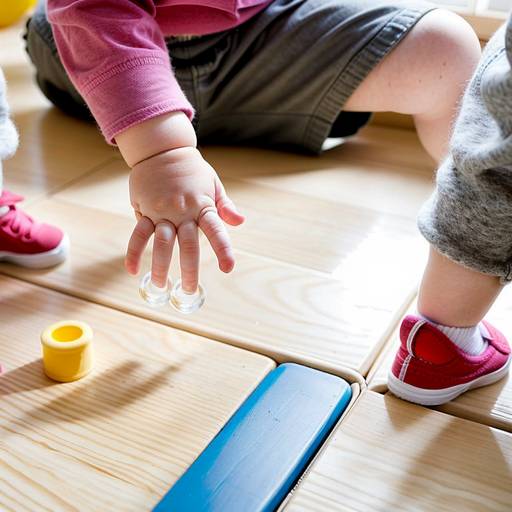
This lesson plan focuses on enhancing toddlers' fine motor skills, specifically targeting grip strength and control through a series of engaging activities. The session begins with a brief introduction that emphasizes the importance of strong hands for play and exploration.
Children rotate through various activity stations, including playful interactions with playdough, creative painting with water, and a clothespin challenge that fosters dexterity. Additional stations feature ball tossing to improve hand-eye coordination and a bottle cap experiment to promote twisting motions.
The lesson incorporates a group activity that encourages movement and stretching, helping children feel confident in their hand abilities. Finally, the lesson concludes with reflection, allowing children to share their experiences and reinforcing the idea that practicing with their hands contributes to their strength and skills.
Throughout the session, educators observe and support children's participation, ensuring a positive and enriching learning environment.

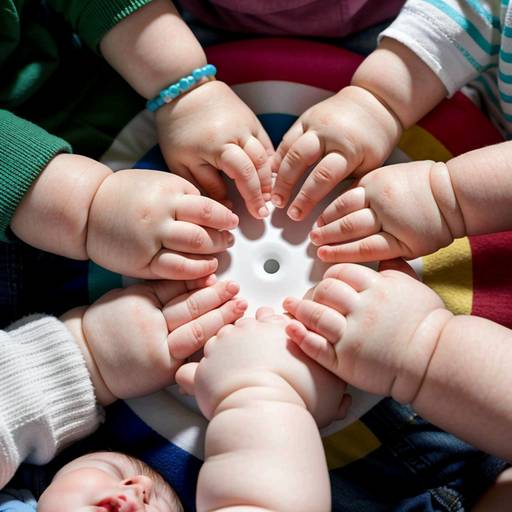
This lesson plan focuses on the development of fine motor skills in infants aged 6-12 months through engaging, hands-on activities. The session lasts 30-45 minutes and accommodates small groups of four to six infants with their caregivers.
The plan includes several interactive stations that encourage exploration and skill-building. Activities involve texture exploration with various fabric squares, block stacking for grasping and manipulation, and bead threading for hand-eye coordination. Additional opportunities for fine motor skill development include transferring small items using spoons, engaging in creative expression with crayons or finger paints, and sensory exploration with playdough.
The session concludes with a calming storytime featuring tactile books, allowing infants to enjoy an interactive reading experience. Throughout the activities, caregivers play a crucial role in supporting their infants and fostering confidence while enhancing vocabulary and sensory awareness. Observations of engagement and skill use help assess each child's progress, creating an enriching environment that encourages fine motor skill development through play.

This lesson plan focuses on developing hand-eye coordination in infants aged 6 to 12 months through engaging and interactive play activities. The session begins with an introduction that captivates infants’ attention using colorful materials. The activities are designed to enhance motor skills and encourage social interactions among infants and their caregivers.
The first activity involves rolling soft balls and encourages infants to reach for them, promoting both movement and coordination. In the second activity, infants use colorful stacking blocks, developing fine motor skills as they practice grasping and stacking. The third activity introduces texture exploration with large, varied fabric squares, stimulating sensory awareness and visual processing.
Finally, a bouncing and catching exercise with inflatable balls fosters effective coordination and collaborative play. The lesson concludes with a group circle where infants can explore freely and engage in a sing-along, further promoting social bonding. Throughout the session, caregivers receive feedback on their infant's progress, highlighting the importance of these foundational skills and suggesting simple activities to reinforce learning at home. Adaptations are included to meet the varying skill levels of infants, ensuring a fun and inclusive environment for all participants.

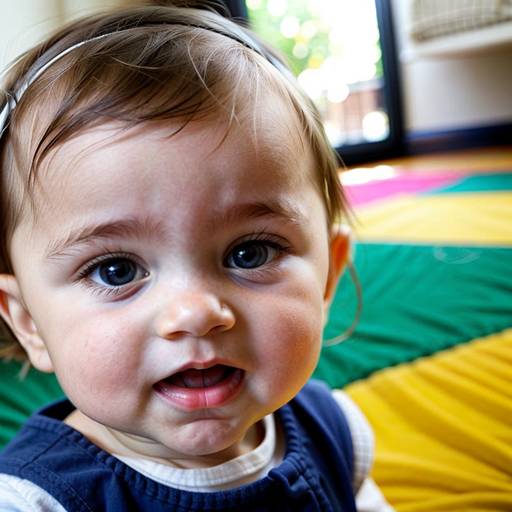
This lesson plan focuses on enhancing vocabulary development for infants aged 6-12 months through interactive and engaging activities. It aims to foster language comprehension by utilizing flashcards, storybooks, musical instruments, and plush toys. The session begins with a welcoming circle where caregivers and infants connect, followed by introducing vocabulary through flashcards, encouraging sound mimicking and participation. Storytime emphasizes repetition and engagement with picture books, while a musical segment incorporates vocabulary with fun sounds. Interactive play allows infants to explore objects and enhances social interaction. The lesson concludes with a recap song and positive reinforcement, encouraging caregivers to continue vocabulary-building activities at home. Overall, the lesson promotes language skills in a nurturing, play-based environment.
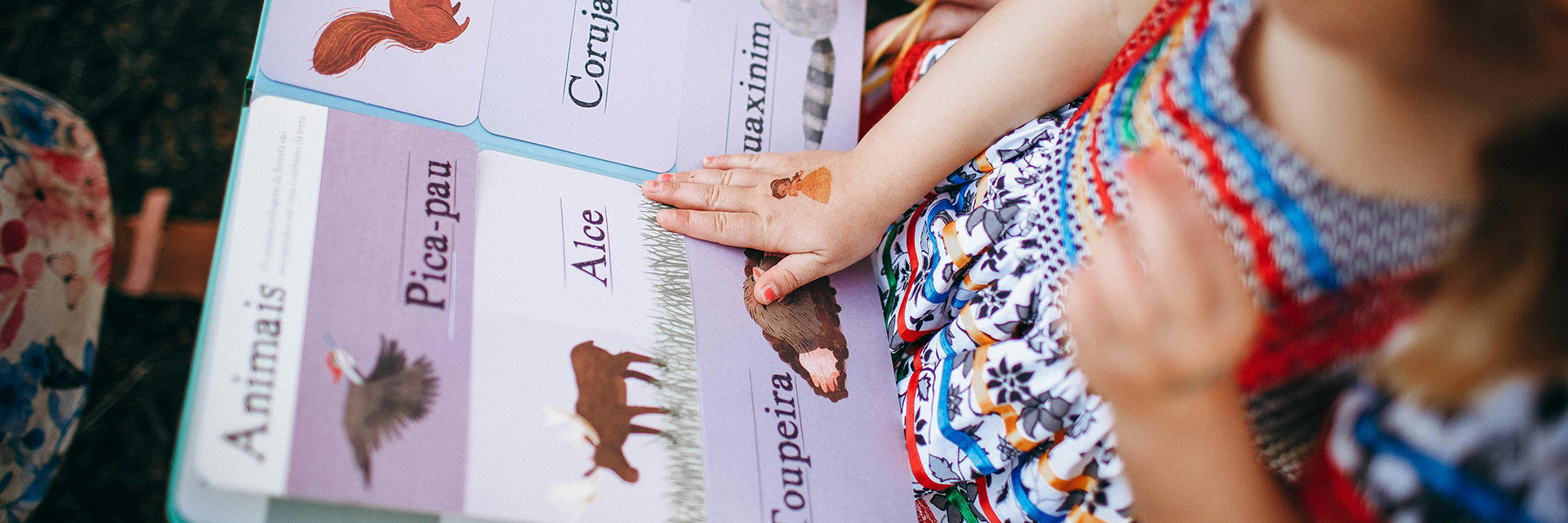
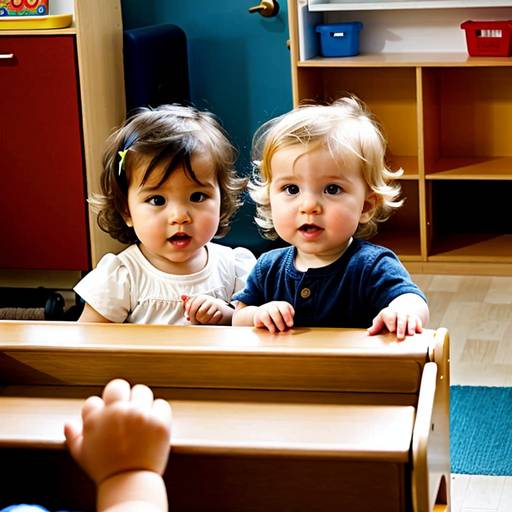
This lesson plan focuses on vocabulary building for toddlers aged 2-3 years, aiming to enhance their language development through engaging, play-based activities. The session begins with a welcoming song to create a warm atmosphere before transitioning to an interactive story time, where children are introduced to new words through a colorful picture book. Following the story, a flashcard game encourages children to recognize and verbalize new vocabulary, enhancing their speaking skills.
Hands-on exploration is facilitated through sensory bins that relate to the vocabulary theme, allowing children to discover and name various objects as they play. To reinforce learning further, children engage in a creative activity where they draw items connected to the vocabulary they have learned, fostering both artistic expression and verbalization. The lesson concludes with a lively music and movement segment, where children can act out vocabulary-related words, solidifying their understanding through rhythm and fun.
Throughout the lesson, children’s participation is observed to assess their grasp of new vocabulary, with emphasis on a supportive and encouraging environment that promotes active learning.
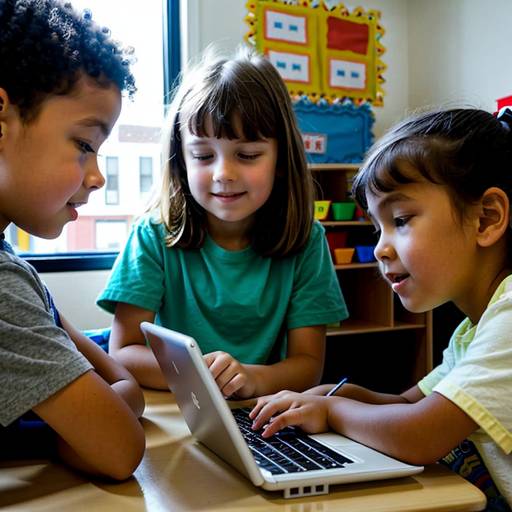
In this preschool lesson, students embark on a journey to discover the basics of technology through engaging discussions, interactive activities, and creative expression. The session begins with an open conversation where children share their understanding of technology and identify various tech items through pictures. Following this, they participate in a technology treasure hunt around the classroom, finding real objects that match the images, fostering teamwork and critical thinking.
Next, the children engage with toy robots or coding devices, learning fundamental coding concepts by navigating them through a mini obstacle course. This hands-on experience promotes problem-solving skills while providing an enjoyable and playful introduction to tech.
The lesson culminates with a creative art activity where students design their own representations of technology, allowing them to express their newfound knowledge. Finally, a wrap-up discussion reinforces what they learned, encouraging reflection on their favorite technologies and thoughts on future advancements. Throughout the session, inclusivity and engagement are prioritized, ensuring that all children can participate and learn in a supportive environment.
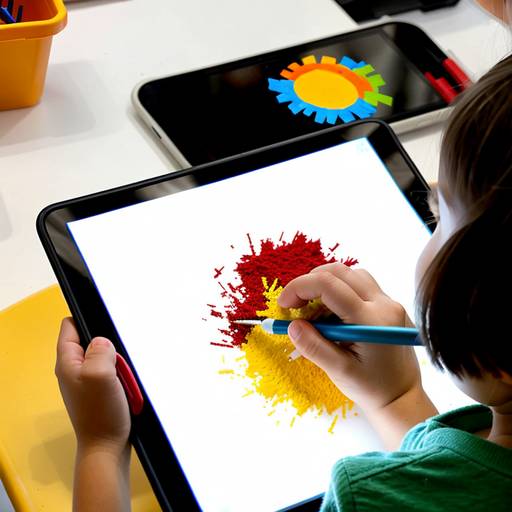
In this preschool lesson plan, students will explore digital creativity by using tablets to create their own digital artwork. The objective is to help young children express their artistic ideas while gaining familiarity with basic digital tools. The lesson begins with a discussion on the concept of art, followed by a pre-activity where children use crayons to draw and share their ideas. After demonstrating the drawing app on a tablet, students will have the opportunity to work in small groups and create their own digital masterpieces, using various colors, shapes, and brushes.
As they create, educators will circulate to provide support and engage with the children about their artistic choices. The lesson concludes with a sharing session, where students present their digital artwork and discuss their creative process. Assessment will focus on student engagement, creativity, and their ability to articulate their experiences. Extensions and adaptations are included to enhance learning and accommodate varying skill levels, ensuring an inclusive and enriching experience for all students.
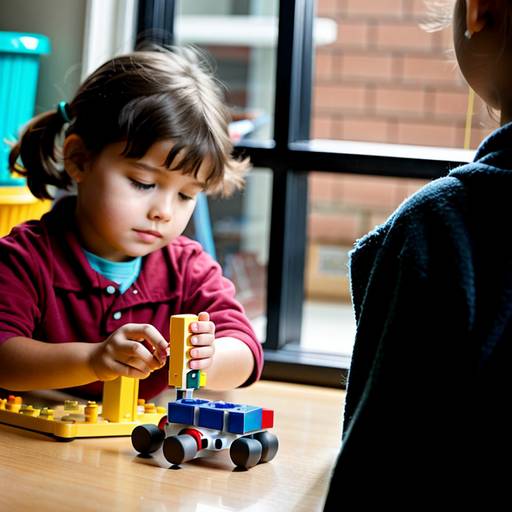
This preschool lesson plan introduces young students to the exciting world of robotics through interactive, hands-on activities. The session begins with a storytime reading about robots, sparking discussion around what robots do and their applications in everyday life. Students then participate in exploration stations, where they engage in coding simple programmable robots, design their own robot creations on large paper, navigate a DIY obstacle course, and color worksheets featuring robots.
The activities are designed to promote teamwork, creativity, and problem-solving skills while fostering communication among peers. After the hands-on exploration, students share their creations and reflect on their experiences, discussing challenges and enjoyable aspects of the activities. The lesson wraps up with a summary of key insights gained during the session and a sneak peek into future robotics projects, sustaining interest and excitement for further learning in technology. Informal assessments through observation and discussion help gauge student engagement and understanding throughout the lesson. Accommodations are provided to support all students in their learning journey.
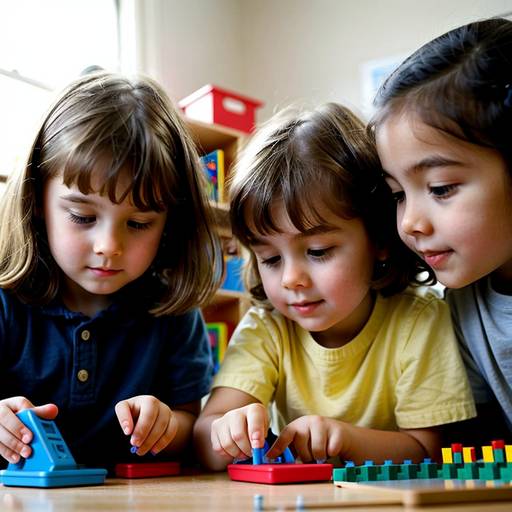
In this preschool lesson plan, students will engage in hands-on activities focused on developing basic digital literacy skills through technology exploration. The session begins with a circle time discussion where children identify different types of technology and share their experiences. They are then divided into small groups to interact with tablets, using age-appropriate educational apps that encourage creativity and problem-solving. After a guided exploration, students regroup to share their experiences and favorite activities from the technological interaction, fostering communication and reflection. Finally, they express their understanding by creating drawings related to their technology experiences. The lesson aims to create a supportive and engaging environment where children can explore technology safely while building foundational skills related to digital literacy.

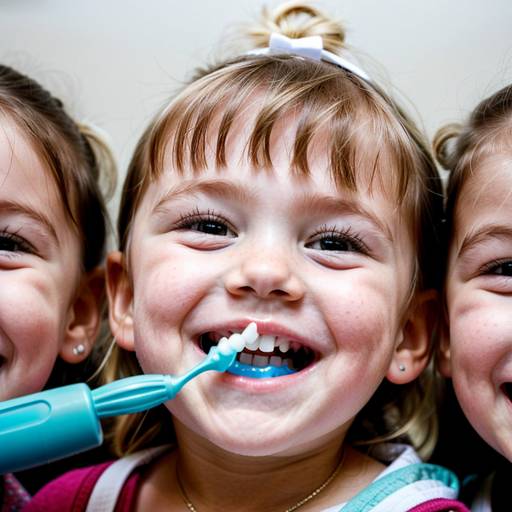
This lesson plan focuses on teaching toddlers the importance of dental hygiene, specifically the practice of brushing teeth. It begins with an engaging introduction that includes a picture book to spark curiosity about oral health. The children learn about the different parts of their teeth using a colorful model, followed by a demonstration of proper brushing techniques with a toothbrush and toothpaste.
In a hands-on practice session, toddlers are given toothbrushes to mimic the demonstration while receiving guidance to ensure they understand the correct method. The lesson concludes with a review and discussion to reinforce what they've learned, accompanied by a rewarding sticker for participation. Parents are encouraged to continue fostering these habits at home with take-home kits and routines. Through this lesson, children are empowered to understand and practice good oral hygiene, setting the foundation for healthy habits in the future.