
Filters
Level
Grade
Subject
Subject Area
Subject Topic
Standard(s)
Audience
Keyword
DurationMinutes
Lesson Plans

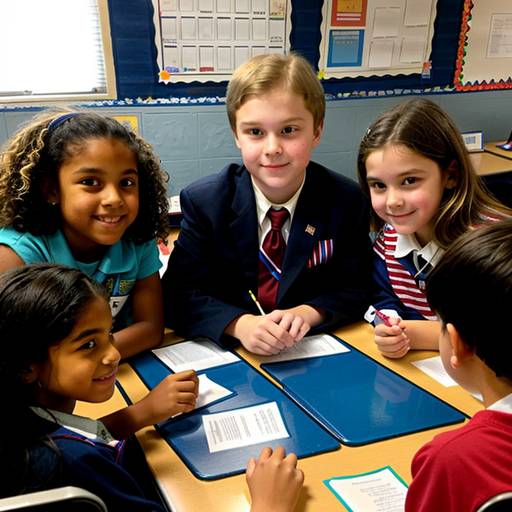
In this 4th grade social studies lesson, students will explore the lives and contributions of influential figures in American history. The lesson begins with an engaging discussion to spark interest and elicit ideas about important historical personalities. Students will then be divided into small groups, each assigned a specific historical figure to research using provided biographical cards and additional resources. After a brief discussion within their groups, students will present their findings to the class, highlighting key facts, achievements, and the significance of their figure.
Following the presentations, students will participate in a creative activity where they create posters showcasing their assigned historical figure, including drawings and important information. A gallery walk will allow students to view and provide feedback on each other's work. The lesson concludes with a class discussion reflecting on common traits of the figures studied and how their lessons can be applicable today, followed by individual reflection through a worksheet. Assessment will be based on participation, the quality of the posters, and the completed reflection. Extensions and modifications are included to cater to different student needs, ensuring an inclusive and engaging learning experience.
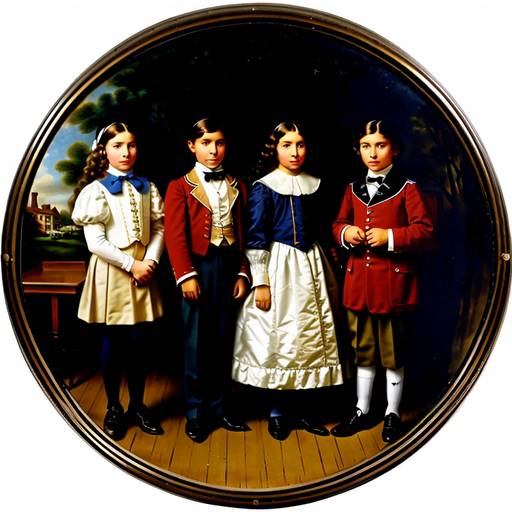
In this 5th-grade social studies lesson, students will learn about influential American historical figures who made significant contributions through their innovations and leadership. The session begins with a captivating video showcasing transformative inventions, followed by a discussion that encourages students to share their thoughts on how these figures changed the world. A mini-lecture introduces notable innovators such as Thomas Edison, Rosa Parks, Neil Armstrong, and George Washington Carver.
Students will work in small groups, each researching one assigned figure, focusing on their backgrounds, contributions, and impact on society. They will create a poster that highlights key facts, includes an inspiring quote, and features a portrait of the figure. After completing their posters, the class will engage in a gallery walk, where students will present their findings to their classmates.
The lesson concludes with a reflection activity, where students share what they learned about innovation and its importance in history. An optional homework assignment invites students to write about a modern innovator they admire, inspired by the historical figures studied. Throughout the lesson, students will develop critical thinking and teamwork skills while exploring the legacies of these groundbreaking individuals.
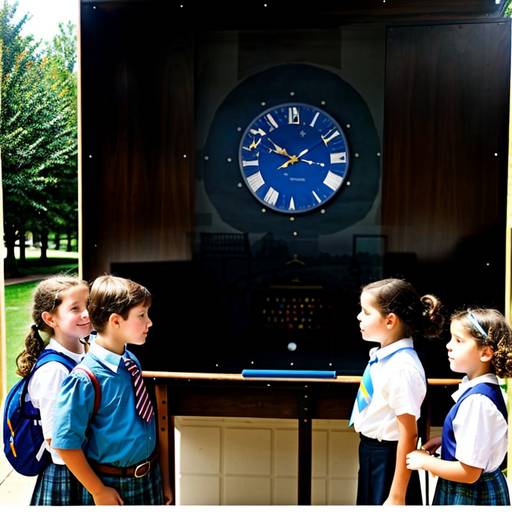
In this 3rd-grade social studies lesson plan, students will explore important historical figures in American history, learning about their contributions and the impact they had on society. The lesson begins with a discussion about who can be considered a "trailblazer" in history, followed by mini-lectures introducing notable figures such as George Washington, Harriet Tubman, Martin Luther King Jr., and Susan B. Anthony. By using visual aids and engaging anecdotes, the teacher will help students connect with these figures.
In small groups, students will conduct research on a specific historical figure using biography booklets and printouts, discussing key contributions and interesting facts to share with the class. Each group will then create a "Trailblazer Poster," which includes the name of their assigned figure, a description of their contributions, and an illustration. This activity encourages creativity and reinforces what they learned.
The lesson culminates with group presentations, allowing students to showcase their posters and reflect on the importance of these historical figures and their legacies. Throughout the lesson, students will engage in teamwork, communication, and critical thinking, with assessments based on participation and the quality of their posters. Additional extensions and adaptations are provided to meet diverse learning needs, ensuring all students can engage thoughtfully with the material.

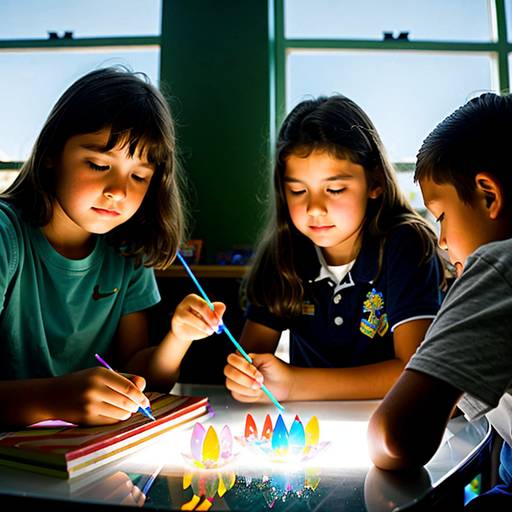
In this 4th-grade art lesson plan, students will explore the fascinating world of glass art forms and techniques. The first day focuses on introducing various types of glass art, such as stained glass and glass sculptures. Students will engage in hands-on activities, creating their own stained glass pieces using colored cellophane layered on clear plastic sheets. They will learn about light interaction and the properties of transparency.
On the second day, students will expand their creations by incorporating mixed media elements. They will sketch their ideas and design backgrounds using construction paper, markers, and crayons. The lesson encourages creativity and individual expression, allowing students to develop a unique artistic piece that reflects their understanding of glass art.
The session culminates in a display of artworks, where students showcase their projects and reflect on their learning experience. Assessment will be based on participation, creativity, and the application of techniques learned during the lessons. Extension activities include organizing an art gallery for parents and discussing the history of glass art and notable artists in the field.

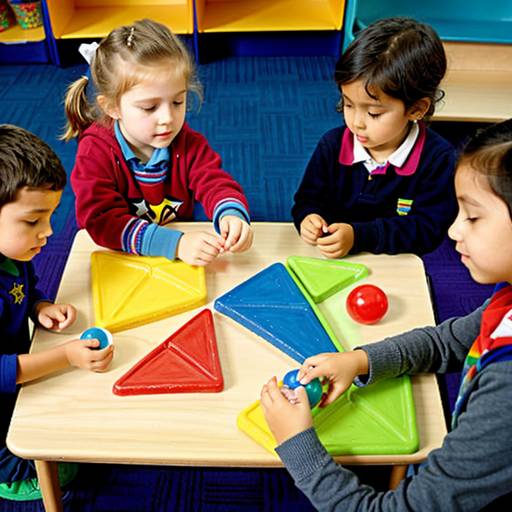
In this preschool math lesson, students will explore the concepts of sorting and classifying through interactive activities centered around shapes and colors. The session begins with an engaging introduction where students are encouraged to observe and identify different shapes and colors. Direct instruction follows, demonstrating how to sort objects by these characteristics using visual examples.
Students will then participate in a guided group activity, where they will work collaboratively to sort a collection of mixed objects into designated trays based on color and shape. This hands-on experience enhances their observational and critical thinking skills. Afterward, they will present their findings to the class, fostering communication skills and reinforcing their understanding of the sorting process.
The lesson concludes with a reflection on what was learned and provides each student with a sticker reward for their participation. An optional extension activity encourages further exploration of shapes and colors through a collage project, enriching the overall learning experience. This lesson effectively promotes essential early math skills in a fun and engaging manner.
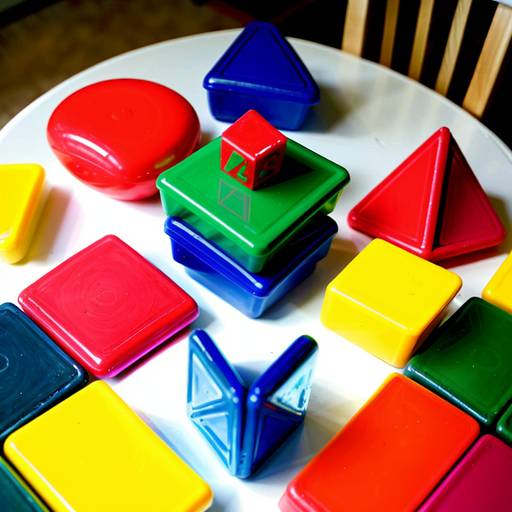
In this preschool lesson plan, students will engage in hands-on activities focusing on the concepts of sorting and classifying. The session begins with an introduction to these mathematical concepts, using visual aids that display various shapes and colors. Following a demonstration where the teacher models sorting strategies, children will split into small groups to practice sorting a mixed collection of colorful plastic shapes. They will categorize the items by attributes such as color and shape, all while enjoying a fun sorting song that keeps them engaged.
After the activity, students will gather to share their sorting experiences and discuss their favorite shapes or colors, fostering communication and reinforcing their learning. The lesson concludes with a recap of the key concepts learned, along with rewards for participation. To extend learning, opportunities for technology integration or outdoor exploration can be incorporated. Assessment is primarily based on observation and group sharing, ensuring that each child's understanding and reasoning skills are evaluated in a supportive environment.

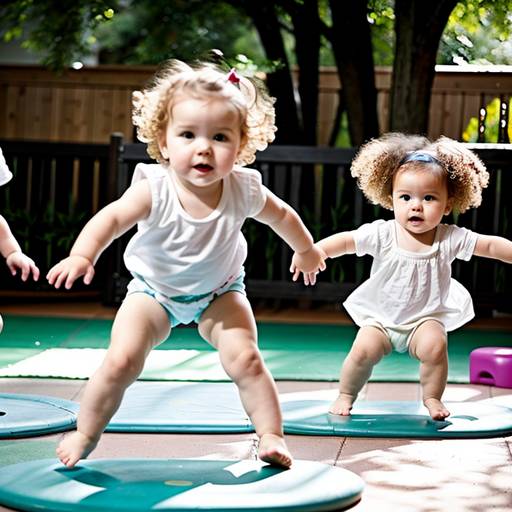
This lesson plan is designed for toddlers aged 1-3 and focuses on enhancing gross motor skills through engaging tumbling activities. The session begins with a brief introduction to the concept of tumbling, followed by a warm-up that encourages movement and flexibility through fun songs and stretches.
The core of the plan includes three main activities: practicing forward and side rolls on soft mats, navigating a simple obstacle course featuring cones and hula hoops, and walking on a low balance beam to develop balance and coordination. Each activity allows children to explore movement at their own pace while fostering confidence through participation.
The lesson concludes with a cool-down period involving calming songs and a reflection segment where children share their favorite activities. Educators will observe each child's participation and progress, emphasizing safety and age-appropriate challenges throughout the session.
This structured yet playful approach aims to promote physical development while ensuring a fun and supportive learning environment.

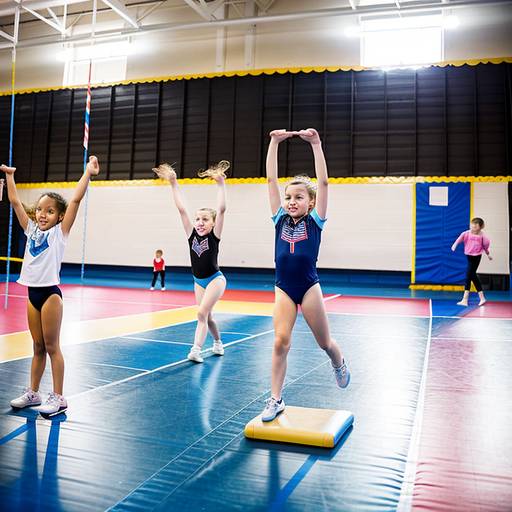
This 1st Grade physical education lesson plan focuses on introducing students to basic gymnastics movements and fostering teamwork through engaging activities. The lesson begins with a warm-up that includes fun animal walks and dynamic stretches to prepare students for physical activity.
Students then rotate through three different stations where they practice tumbling (forward and backward rolls), balancing (walking on a balance beam and performing various poses), and jumping (navigating over cones and into hula hoops). Each activity promotes skill development, coordination, and confidence.
Following the stations, students participate in a teamwork challenge involving a simple obstacle course that integrates the skills they have learned. The lesson concludes with a cooldown stretch where students reflect on their experiences, share what they enjoyed, and recognize the importance of teamwork in sports. Throughout the lesson, safety is emphasized, ensuring a supportive and inclusive environment for all participants.
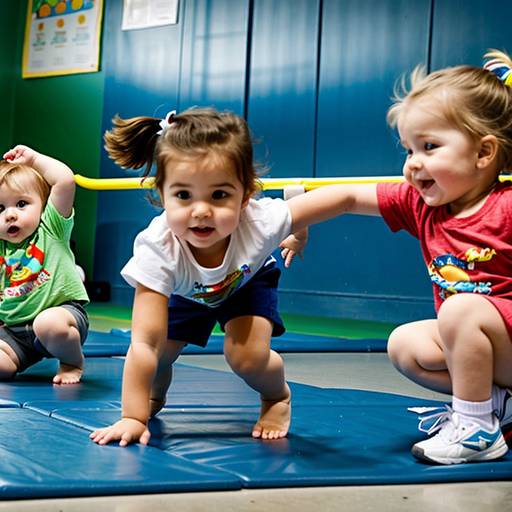
This lesson plan is designed for toddlers aged 1.5 to 3 years, focusing on enhancing their gross motor skills through engaging tumbling activities. The session lasts 30-45 minutes and begins with a welcoming circle time, including a sing-along to create a positive atmosphere.
The warm-up features imaginative animal movements and stretching, preparing the children for physical activity. The main part of the lesson consists of three rotating stations: "Rolling Hills," where toddlers practice log and forward rolls; "Foam Block Fun," which encourages climbing over and under soft structures; and "Hoop Hurdles," promoting jumping in and out of hula hoops.
A group activity follows, where children participate in a lively tumbling parade, incorporating various movements while moving in a line. The session concludes with a cool down involving gentle stretches and breathing exercises, allowing children to share their favorite moments from the activities.
Throughout the lesson, careful supervision ensures safety, and observations are made to assess each child's participation and skill development. The plan provides a fun and interactive environment for toddlers to explore movement and develop essential gross motor skills.
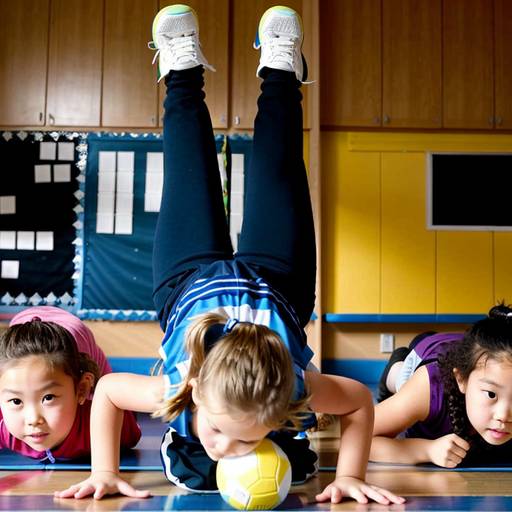
In this engaging 45-minute physical education lesson for 2nd graders, students will develop foundational gymnastics and sports skills through a variety of interactive activities. The session begins with a dynamic warm-up that incorporates movement and stretches to get students energized. Following this, students rotate through three gymnastics stations, focusing on forward and backward rolls, balance exercises, and agility drills involving jumping jacks and hula hoops.
Next, they participate in a relay race that combines dribbling a ball and demonstrating a gymnastics move, encouraging teamwork and coordination. The lesson concludes with a cooldown featuring gentle stretches and a reflective discussion where students share their favorite activities and skills they’ve improved. Throughout the lesson, instructors will assess participation and skill development, providing feedback and adapting activities as necessary to meet the needs of all students, ultimately fostering a fun and inclusive environment for physical fitness.