
Filters
Level
Grade
Subject
Subject Area
Subject Topic
Standard(s)
Audience
Keyword
DurationMinutes
Lesson Plans

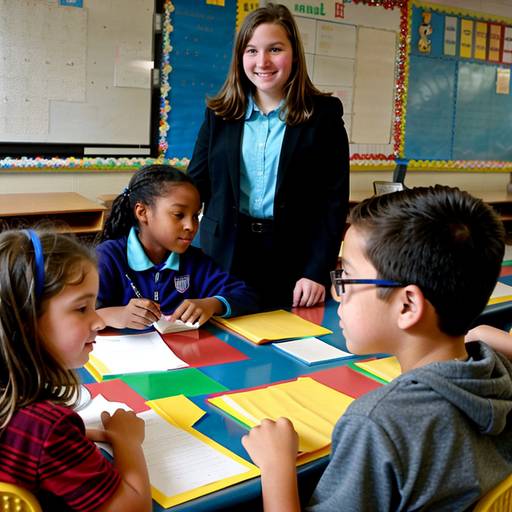
This lesson plan focuses on helping 3rd-grade students explore the various roles within their community and understand the contributions each role makes to society. The lesson begins with a class discussion to define what a community is and identify different community roles. Students work in small groups to brainstorm and share selected roles, discussing their importance. Following this, they create individual community maps, illustrating and representing various community roles through drawings and art. The lesson concludes with students presenting their maps to the class and reflecting on how these roles collaborate to enhance the community. Assessment is based on student participation in discussions, group activities, and the creativity demonstrated in their community maps. The lesson can be extended with additional research or the inclusion of guest speakers to provide real-life context.
In this 3rd-grade social studies lesson, students will explore the concept of community by identifying key members who contribute to its well-being, such as police officers, firefighters, teachers, and doctors. The lesson begins with a discussion about what constitutes a community, encouraging students to share their thoughts while compiling a list on the whiteboard.
Next, students learn about community rules and their significance in maintaining safety and order. In small groups, they will work with scenario cards to discuss specific situations and develop relevant rules that apply to each scenario. After sharing their insights with the class, students will reflect on the importance of following rules for the safety and happiness of everyone in the community.
To conclude the lesson, students will complete a worksheet where they draw a community helper and write a rule associated with that role. The lesson encourages active participation, collaboration, and critical thinking while promoting an understanding of community dynamics and responsibilities. Extensions for the lesson include potential field trips to local community service areas to enhance hands-on learning experiences.
This social studies lesson for 3rd graders focuses on helping students understand and appreciate the diverse cultures within their community. It begins with an engaging story that introduces different cultural contributions, followed by a group activity where students research assigned cultural groups. They create informative posters showcasing various aspects of each culture, including traditions, food, clothing, and celebrations. After presenting their work in a gallery walk format, students engage in a reflective discussion to share their learnings and insights about diversity.
Assessment includes observing group dynamics and reviewing the accuracy of the posters, along with a reflective writing assignment to articulate their thoughts on cultural diversity. The lesson culminates with a potential follow-up activity, where students can participate in a Cultural Day to further celebrate and explore each other's backgrounds. This lesson aims to foster respect for diversity and highlight the importance of different cultures in building a vibrant community.
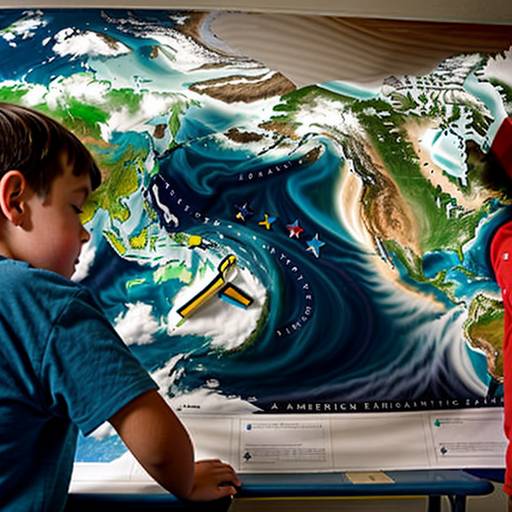
This 4th-grade social studies lesson focuses on introducing students to various landforms and their characteristics. The lesson begins with a discussion about geography and the importance of landforms, using a world map and images to illustrate different types such as mountains, valleys, plains, plateaus, hills, and deserts. Following direct instruction, students are divided into small groups to research a specific landform, fill out a worksheet, and create a visual representation using clay or playdough. Each group shares their findings and models with the class, facilitating peer learning. Assessment includes the collection of worksheets and observation of group participation and presentations. The lesson accommodates diverse learners and offers opportunities for further exploration, including virtual field trips and local research projects, ensuring an engaging and informative experience.

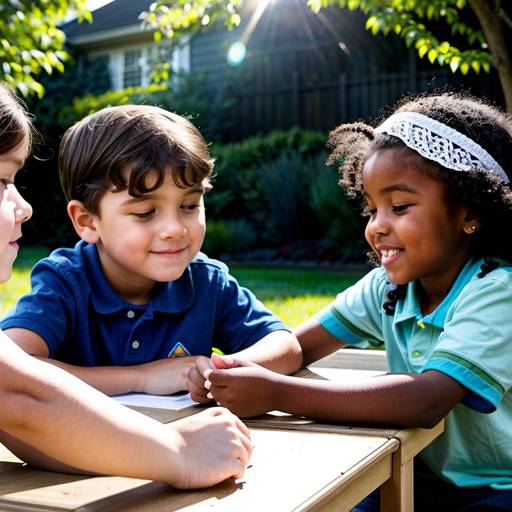
This preschool social studies lesson focuses on emotional awareness, enabling young learners to identify and express various feelings. The session begins with a circle gathering where students share and list emotions, followed by a read-aloud of a children's story that illustrates different feelings. To reinforce understanding, students engage with emotion cards, making facial expressions in front of a mirror while discussing personal experiences related to those feelings.
Next, children participate in a creative activity where they draw flowers that represent a specific emotion, explaining their choice with assistance. Their artwork is then displayed around the classroom as part of an "Emotion Garden." The lesson concludes with a reflection and a calming breathing exercise to emphasize the importance of discussing emotions. Through observation and participation, the teacher assesses the children's emotional vocabulary and understanding, while future activities may include daily emotion check-ins and access to books about feelings, further promoting emotional literacy and empathy.

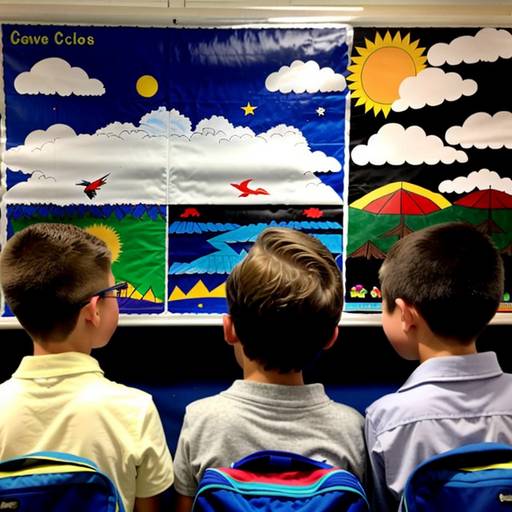
In this Earth Science lesson for 3rd graders, students will explore fundamental concepts of weather and its various elements, including temperature, precipitation, wind, humidity, and clouds. The lesson begins with a discussion to elicit students' prior knowledge about weather, followed by observations of current weather conditions either outside or through a window. Students will record their observations in weather journals.
Next, they will work in small groups to predict weather conditions using flashcards and a temperature chart, encouraging critical thinking and collaboration. To reinforce their learning and encourage creativity, students will create artwork representing their favorite type of weather, accompanied by descriptive sentences.
The lesson concludes with a discussion of key takeaways and a gallery walk for students to share their artwork. Assessment will focus on their journal entries, group participation, and engagement in activities. Extensions may include tracking daily weather at home. The lesson offers differentiated support to cater to diverse learners, ensuring everyone can engage meaningfully with the topic.
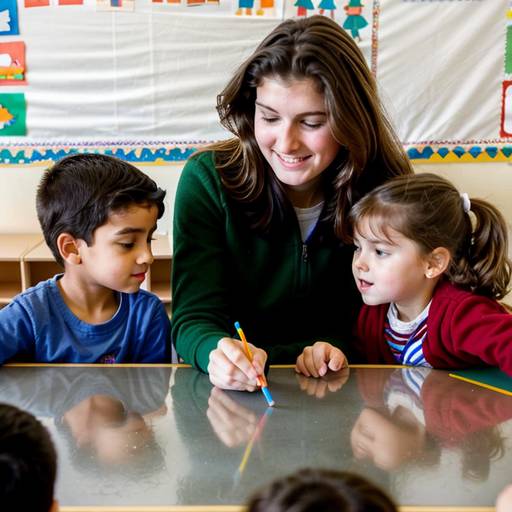
This preschool lesson plan focuses on enhancing emotional awareness among young children by exploring their feelings and the role of their families in managing those emotions. The session begins with a group discussion about different emotions using visual emotion cards, allowing children to identify and express personal experiences. A read-aloud story about emotions and family follows, prompting further reflection on how characters handle feelings, which helps connect literature to their own lives.
Children then engage in a creative art activity where they draw family scenes that represent specific emotions, promoting self-expression and storytelling. The lesson concludes with a reflection circle, encouraging children to share how their families support them in feeling safe and happy. Additionally, a closing role-playing activity using plush toys reinforces the concepts learned, fostering empathy and connection among peers. The overall goal is to help children articulate their emotions while recognizing the importance of family support, contributing to their social and emotional development.
Extensions encourage ongoing exploration of feelings both in the classroom and at home, further strengthening the connection between emotional awareness and family relationships.
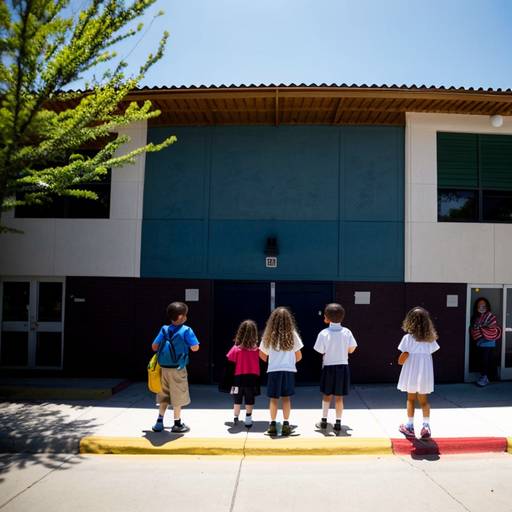
In this 2nd Grade Social Studies lesson, students will explore the concept of community and the diversity present within it. The lesson begins with a discussion about the different members of their community and the roles they play. Students will then engage in a hands-on activity where they choose a community helper to depict through drawings and sentences.
The lesson continues with an interactive Diversity Bingo game, allowing students to learn about their classmates' cultural backgrounds and traditions. After sharing findings in a group circle, students will collectively reflect on what makes their neighborhood unique. The lesson concludes with a gallery walk to showcase their community helper artwork, encouraging appreciation for the diverse contributions of individuals in their community.
Assessment will be based on participation and engagement during discussions and activities, as well as the completion of drawings. Extensions may include inviting a local community member to share their experiences and creating a “Community Culture Wall” to celebrate the various cultures represented in the classroom. Differentiation will be available to support all learners in articulating their thoughts and expanding their research. Overall, the objective is to foster a sense of belonging and respect among students for the diversity that enriches their community.

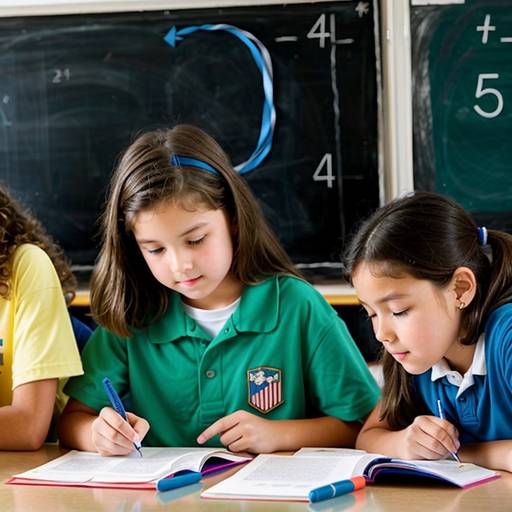
In this 4th-grade math lesson, students will explore the concept of fractions as parts of a whole and apply their understanding by solving various fraction word problems. The lesson begins with a brief review of fractions, illustrated through examples and real-life contexts, such as sharing food.
During guided practice, students collaboratively solve a sample word problem, learning to identify keywords that help in understanding fraction scenarios. They then engage in independent practice, where they work on a worksheet with a variety of fraction problems, using fraction circles or bars to visualize their answers.
To reinforce learning, students participate in a hands-on activity, creating their own visual representations of fractions from their worksheets. In closing, students share their work and summarize what they've learned about fractions and their real-world applications. Assessment will be based on observation during activities and the evaluation of completed worksheets, with an extension offered for advanced learners. The lesson aims to foster both conceptual understanding and practical application of fractions in everyday situations.
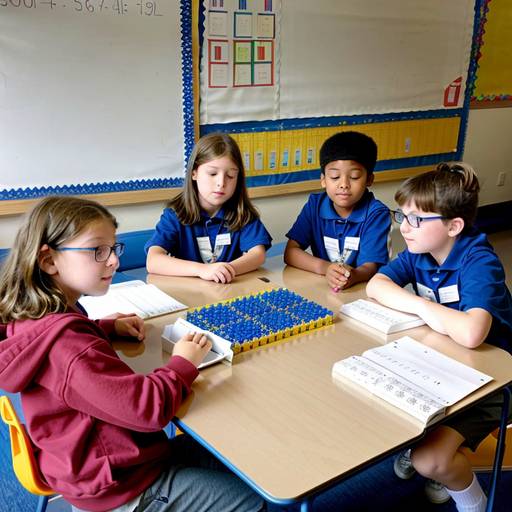
The lesson focuses on helping 4th-grade students understand concepts related to measurement and perimeter. It begins with an introduction to measurement and perimeter, engaging students in a discussion about their real-world applications. Through direct instruction, students learn how to measure shapes using rulers and apply formulas to calculate perimeter for rectangles and triangles.
In guided practice, students work in small groups to measure their assigned shape and calculate its perimeter collaboratively. Following this, they engage in independent practice with worksheets that challenge them to calculate the perimeter of various shapes and create their own shape on graph paper. The lesson concludes with a class discussion to reinforce key concepts and gather student reflections on the learning experience.
Assessment includes evaluating worksheets for accuracy and informal observations during group activities. Extensions may include introducing area and organizing a scavenger hunt to apply measurement skills in a fun, interactive manner. Overall, this lesson fosters hands-on learning, collaboration, and critical thinking skills.