
Filters
Level
Grade
Subject
Subject Area
Subject Topic
Standard(s)
Audience
Keyword
DurationMinutes
Lesson Plans

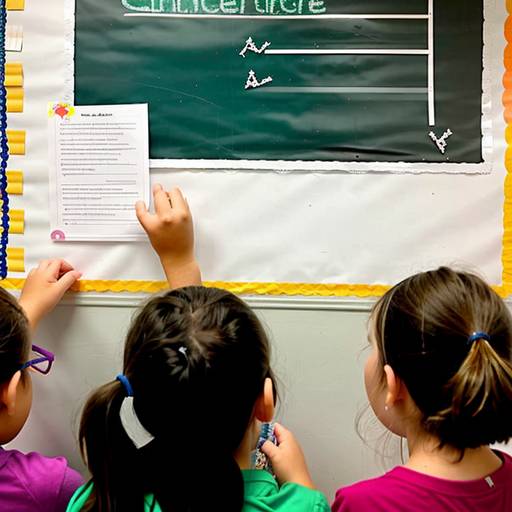
This 3rd-grade language arts lesson focuses on teaching students about context clues and how they can help determine the meanings of unfamiliar vocabulary words. The lesson begins with an engaging discussion about strategies students use when encountering new words. Instructors provide direct instruction on context clues, followed by a group reading of a short passage where students practice identifying unknown words and the hints in the text that aid in their understanding.
Students then engage in independent practice by completing a “Context Clue Treasure Hunt” worksheet, where they fill in missing vocabulary words in sentences and underline the context clues that guided their choices. The lesson concludes with a review of selected sentences from the worksheet, encouraging students to share their findings and to discuss the importance of context clues in their reading. The lesson includes assessments through worksheet collection and observation of student participation. Additionally, there are opportunities for differentiation, ensuring all students, regardless of skill level, can engage with and learn from the material. An extension activity encourages creativity by having students create a vocabulary word gallery in the classroom.

This lesson plan focuses on introducing 5th-grade students to the elements of narrative writing. It begins with a discussion about beloved stories, highlighting key components such as characters, setting, plot, conflict, and resolution. Through a mini-lesson, students analyze excerpts from narrative texts to understand how descriptive language enhances storytelling.
In small groups, students brainstorm ideas for their own narratives, addressing character, setting, and conflict. They then independently craft a narrative story in their writing journals, utilizing the narrative elements discussed. The lesson concludes with students sharing their stories with the class, fostering peer feedback and a deeper appreciation for storytelling. Assessment will include observation of participation and review of students' narratives for the application of narrative elements and descriptive language. Extensions and differentiation strategies are provided to support various learning needs, encouraging creativity and collaboration in writing.
In this 5th grade language arts lesson plan, students will explore the fundamentals of expository writing, focusing on its purpose and key characteristics. The lesson spans two class periods and begins with a discussion on what expository writing is, followed by an analysis of a sample essay to identify its structure. Students will then use graphic organizers to brainstorm and organize their ideas on a topic of their choice.
In the second class period, students will draft their essays based on their organizers, followed by a peer review session where they will provide feedback on each other's work. After revising their essays, students will publish their final drafts, which may include illustrations, for display within the classroom or at a writer’s celebration. Assessment will be conducted through observation during activities and evaluation of the final essays based on criteria for clarity and organization. An extension activity includes sharing student essays in a display area, allowing students to practice public speaking while showcasing their writing. Reflection at the end of the lesson prompts students to consider what they learned and how they can apply expository writing skills in the future.
This 4th-grade Language Arts lesson plan focuses on enhancing students' reading comprehension through the exploration of a fictional story. The lesson begins with a discussion about the elements that make stories engaging, followed by a read-aloud session of a selected short fiction text. Students then work in small groups to analyze different story components—such as characters, setting, and plot—using graphic organizers. A whole-class discussion allows for sharing insights and understanding the story's conflict and resolution. To reinforce comprehension, students reflect individually by summarizing the story and sharing their thoughts with a partner. Assessment includes observation during group work, evaluation of graphic organizers, and collection of written reflections. The lesson encourages collaboration, critical thinking, and the application of comprehension skills to foster a greater appreciation for fiction. Extensions include creating original stories for future sharing and exploring additional related texts.

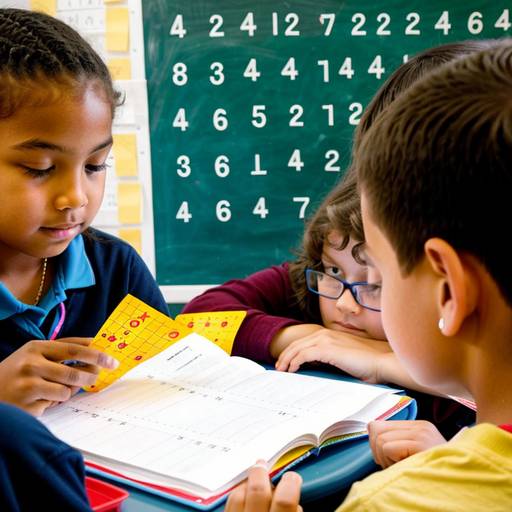
In this 4th-grade math lesson, students explore the concept of subtracting fractions with like denominators. The lesson begins with an engaging hook featuring a real-life scenario related to cooking, which leads to a discussion about the use of fractions in daily life. The instructor introduces the concept of subtracting fractions by explaining the process of subtracting only the numerators while keeping the denominators consistent. Visual aids, such as fraction circles or strips, are utilized to reinforce understanding.
Students participate in guided practice by solving a series of fraction subtraction problems collaboratively, followed by independent work on real-world word problems involving fraction subtraction. The lesson concludes with a class discussion on the solutions to these problems, allowing students to reflect on their learning and build confidence in their skills.
Assessment occurs through participation, accuracy in worksheets, and engagement in discussions. Differentiation strategies ensure that both advanced learners and those needing additional support can succeed. The instructor plans to reflect on the effectiveness of the lesson and consider adjustments for future instruction on fractions.
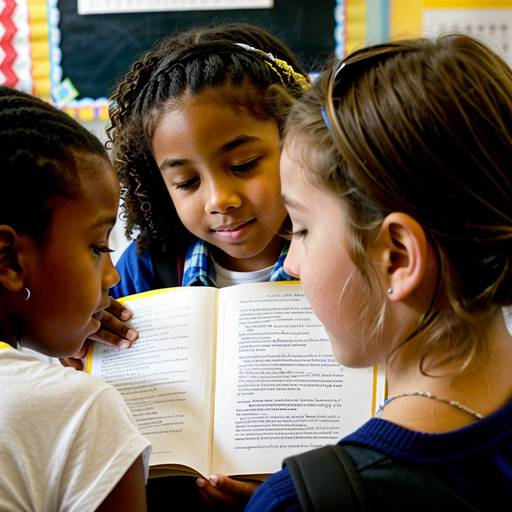
This 4th-grade Language Arts lesson focuses on enhancing students' reading comprehension by exploring the key elements of characters and setting in a story. The lesson begins with a discussion about the significance of these elements, setting clear objectives for student understanding.
Following an introduction to essential concepts, the teacher models effective reading strategies, such as annotating text with highlights and notes. In guided practice, students read a selected short story as a class, engaging in discussions and practicing their annotation skills. They then complete a Character and Setting Graphic Organizer independently, documenting their insights into the main character and setting of the story.
The lesson closes with student sharing sessions to reinforce understanding and encourage collaboration. Assessment is conducted through the collection of graphic organizers, with extensions offered for students to further develop their skills. The lesson emphasizes interactive learning and strategy application to improve overall reading comprehension.
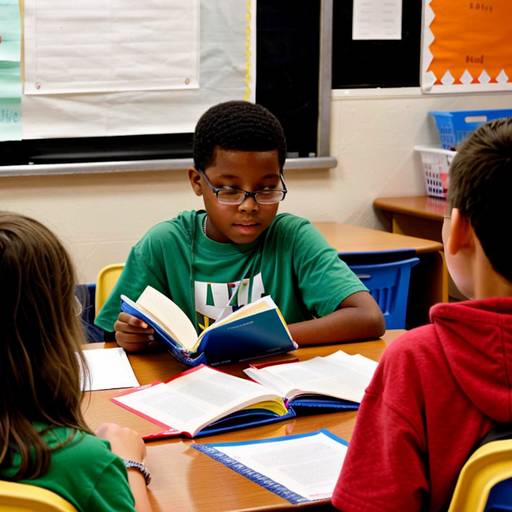
This lesson plan focuses on teaching 4th-grade students the fundamentals of expository writing. It aims to help students understand the purpose and structure of this writing style, which is used to inform or explain topics. The lesson begins with a discussion introducing expository writing, followed by an explanation of its key elements, including the topic sentence, supporting details, examples or facts, conclusion, and transition words.
Students will engage in a graphic organizer activity where they select a topic of interest and outline their paragraphs. After this planning stage, they will compose a complete expository paragraph, utilizing clear language and maintaining organization. The lesson culminates in a sharing session, where students present their work in pairs or small groups, reinforcing their skills in articulating information effectively.
Assessment includes reviewing the graphic organizers and written paragraphs to ensure comprehension of the structure and clarity of writing. The plan also includes extensions for advanced learners and differentiated support for those needing additional assistance, ensuring all students can succeed in developing their expository writing skills.


This lesson plan is designed for infants aged 6-12 months to foster their understanding of object permanence, the awareness that objects continue to exist even when out of sight. The session lasts 30-40 minutes and involves interactive activities that engage both the infants and their caregivers.
The lesson begins with a brief introduction to the concept of object permanence, accompanied by demonstrations using toys. The first activity involves hiding toys under a colorful scarf or box while encouraging the infants to search for them, promoting curiosity and engagement. In the second activity, caregivers utilize a large cloth to hide toys, allowing infants to experience the thrill of discovery when the objects are revealed.
To conclude, a musical hide-and-seek game with small instruments reinforces the idea that objects can be temporarily hidden but still exist. Throughout the activities, caregivers are encouraged to observe their infants’ responses and engage with them to deepen the learning experience.
The plan also includes suggestions for follow-up activities that caregivers can continue at home, reinforcing the developmental milestone of object permanence through playful interactions and reading. Overall, this session aims to create a playful, stimulating environment that supports cognitive development in infants.


In this 5th-grade science lesson, students will explore the solar system and the significance of space exploration. They will begin with a discussion to share their prior knowledge, followed by an introduction to the features of each planet and important space missions. Students will then work in groups to research specific planets or space exploration tools, culminating in a quick presentation to the class. Following this, they will create a visual representation of their chosen subject, such as a drawing or poster, showcasing facts and creative elements. The lesson promotes collaboration, creativity, and communication skills as students share their projects and engage with their classmates' presentations. Assessment will be based on participation, group work, and individual projects, fostering a deeper understanding of astronomy and encouraging curiosity about the universe. Extension activities include organizing a Space Day and potentially planning a field trip to enhance learning experiences.

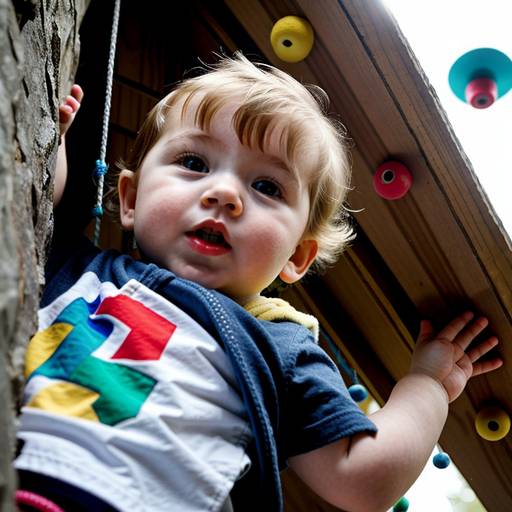
In this toddler-focused lesson plan, children engage in a series of climbing activities designed to enhance their gross motor skills, coordination, balance, and strength. The session begins with a brief introduction to climbing, followed by a fun warm-up to prepare their bodies for movement. Children rotate through several stations, including soft foam blocks for climbing, tunnels made from hula hoops, balancing beams, and a safe climbing wall (if available). Each station encourages exploration and the development of climbing skills through guided activities.
A climbing challenge is incorporated, allowing children to take turns and celebrate their achievements with cheers from their peers. The session concludes with a cool-down period where children reflect on their experiences and share their feelings about climbing. A playful song reinforces the themes of the lesson, and the children receive praise for their participation. Safety remains a priority throughout the activities, ensuring a supportive environment for skill development and social interaction.