
Filters
Level
Grade
Subject
Subject Area
Subject Topic
Standard(s)
Audience
Keyword
DurationMinutes
Lesson Plans

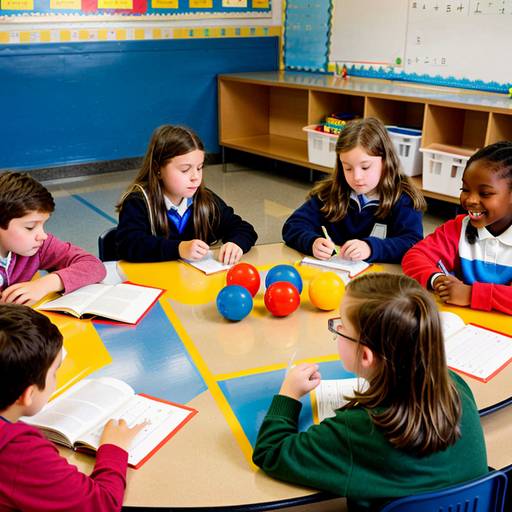
This lesson plan for 5th-grade mathematics focuses on the concepts of measurement and area through engaging, hands-on activities. Students begin with a discussion on the significance of measurement in everyday life, followed by an introduction to calculating the area of rectangles using the formula Area = Length × Width. They practice measuring and calculating areas with graph paper, visualizing their results with small squares.
In groups, students are tasked with redesigning a garden within a specified area, allowing them to apply their understanding of area in a practical context. The activity encourages collaboration, creativity, and real-world application of mathematical concepts. The lesson concludes with a class discussion about their designs and a reflective exit ticket to reinforce what they learned. Assessments are based on worksheet responses and observations during group work, with extensions provided for students who advance quickly through the material. Overall, the lesson aims to deepen students' comprehension of measurement and area while showing their relevance in real-life scenarios.
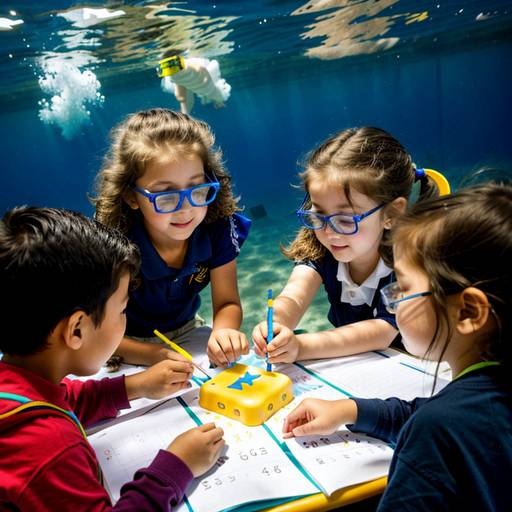
In this Kindergarten math lesson focused on subtraction, students will explore the concept of taking away using visual aids and hands-on activities. The lesson begins with a discussion about ocean life, introducing plastic sea creatures as a tangible resource for understanding subtraction. Through direct instruction, students learn to model subtraction problems on the whiteboard, observing how quantities decrease when items are removed.
During guided practice, students work in small groups with their own sets of sea creatures, engaging in exploration and counting while collaborating with peers. They then complete subtraction worksheets featuring images of sea creatures, allowing for independent assessment of their understanding.
To conclude, students participate in a treasure hunt activity, applying their subtraction skills in a playful context. Throughout the lesson, educators assess student comprehension through observation and worksheet completion, with opportunities for extension activities and adaptations based on varying student needs. This interactive approach aims to make subtraction both enjoyable and understandable for young learners.

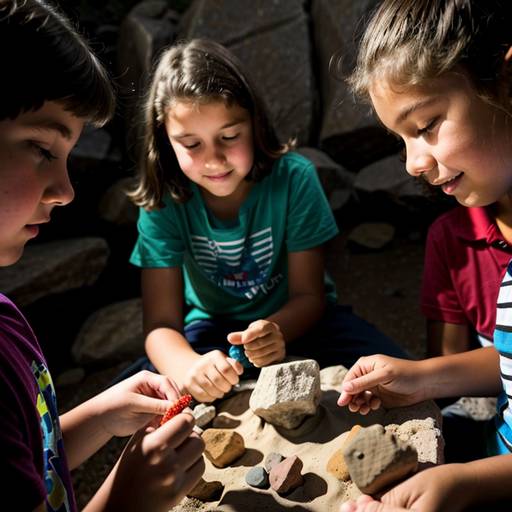
This lesson plan for 5th-grade students focuses on Earth Science with an emphasis on rocks and the rock cycle. Over two class periods, students will learn to identify and classify three main types of rocks: igneous, sedimentary, and metamorphic. The lesson begins with an engaging discussion and a video introduction about rocks and their formation processes. Students will participate in hands-on activities where they examine rock samples using magnifying glasses, record observations, and classify the rocks based on their characteristics.
On the second day, students will review their previous learning and create their own illustrations of the rock cycle, demonstrating their understanding of the processes that transform one rock type into another. Additionally, they will explore soil and sediment samples, gaining insight into their role in the environment and the rock cycle. Throughout the lessons, students will engage in group discussions, reflecting on their findings and the impact of rocks on their daily lives. Assessment will include observation during activities and review of rock classification worksheets and rock cycle diagrams. Extensions, such as research projects and potential field trips, will further enhance students' connection to the geological aspects of their surroundings.
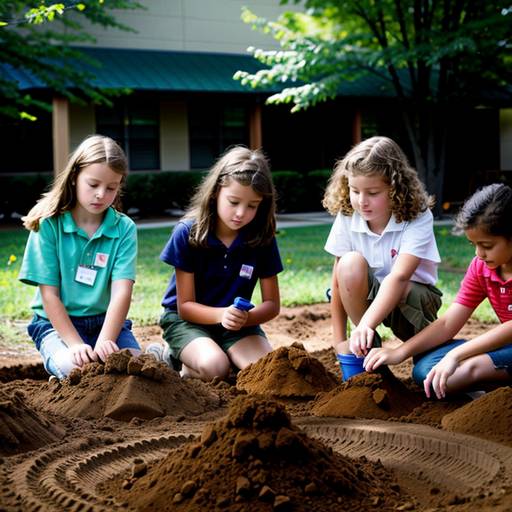
In this Earth Science lesson for 4th graders, students will explore the importance and composition of soil, as well as its various layers. The lesson begins with an engaging discussion about soil, inviting students to share their experiences with digging in the dirt and what they found. The instructor will explain the main components of soil—minerals, organic matter, water, and air—and illustrate the different soil layers, or horizons, using visual aids.
Following the introduction, students will participate in a hands-on activity where they will examine soil samples from different types and observe the layers that form when mixed with water. Working in small groups, they will document their observations using magnifying glasses and fill out worksheets that detail their findings.
The lesson concludes with a group discussion where students reflect on their observations and the role of soil in supporting life. To assess understanding, a quick exit quiz will help reinforce key concepts. Optional extensions will encourage students to collect soil samples from their surroundings, while adaptations will support varying student needs. This interactive and engaging lesson aims to deepen students' appreciation of soil and its vital role in the environment.

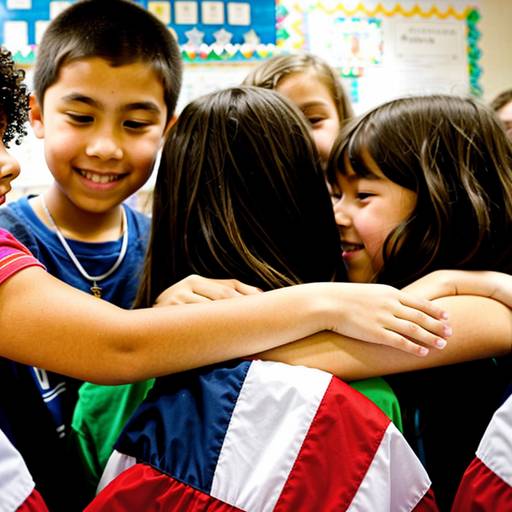
In this fourth-grade social studies lesson, students will explore the concepts of community and diversity by investigating various cultural backgrounds present within their own community. The lesson begins with a discussion to define community and diversity, followed by a group activity where students research assigned cultures and create informative posters detailing their findings. Each group will present their work to the class, promoting engagement and curiosity through questions and discussions. Students will then reflect individually on what they learned, writing their insights on Post-it notes, which will be shared in a class discussion to highlight the value of diverse perspectives. The lesson concludes with music from one of the featured cultures, allowing students to celebrate their learnings in a lively manner. Assessment will focus on group collaboration, presentation skills, and reflective understanding. Extensions for the lesson may include a cultural day, where students can showcase their own backgrounds or invite community members to share their experiences. Overall, this lesson aims to foster empathy, respect, and appreciation for the rich diversity within the community.
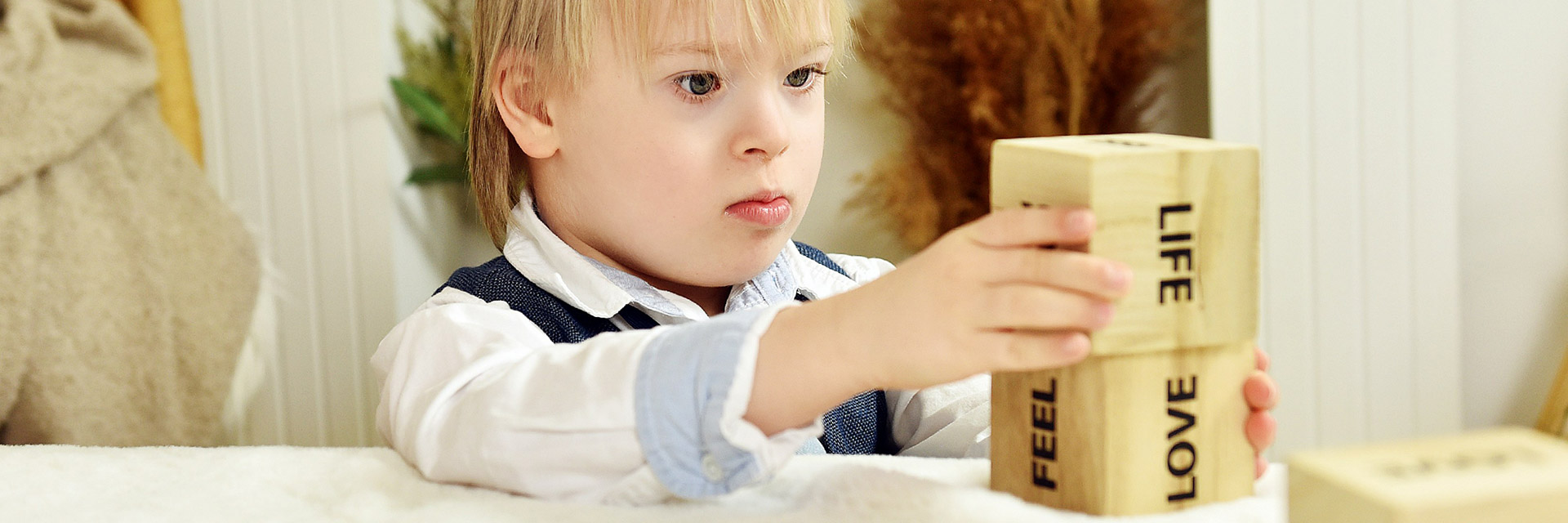
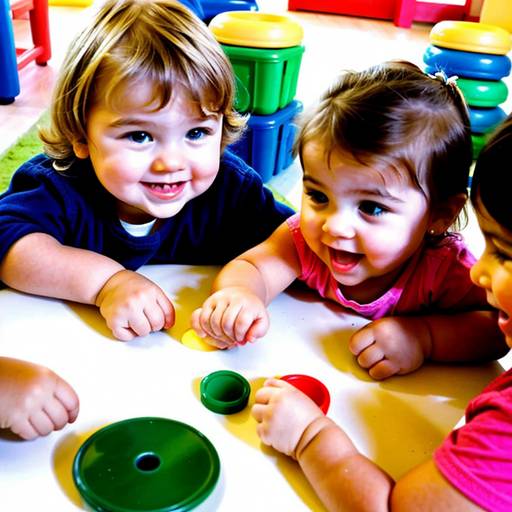
The lesson plan focuses on teaching toddlers the concept of cooperation through a variety of interactive activities. It aims to help children understand how to share, take turns, and work together towards common goals while enhancing their communication and social interaction skills. The session begins with an introduction to cooperation, followed by an icebreaker activity where children pass a soft ball while holding hands. Participants then engage in partner activities by constructing towers with building blocks, which fosters teamwork as they share and build together. They progress to solving puzzles in small groups, reinforcing the importance of collaboration through shared efforts. A creative group art project allows children to express themselves while cooperating on a larger piece, culminating in a closing circle where they reflect on their experiences. The lesson emphasizes observation and assessment of children's interactions to gauge their understanding of cooperation and guide future lessons. Extensions include storytime to further reinforce the theme of friendship and collaboration. Overall, the lesson provides a fun, structured approach to developing social skills in young children.

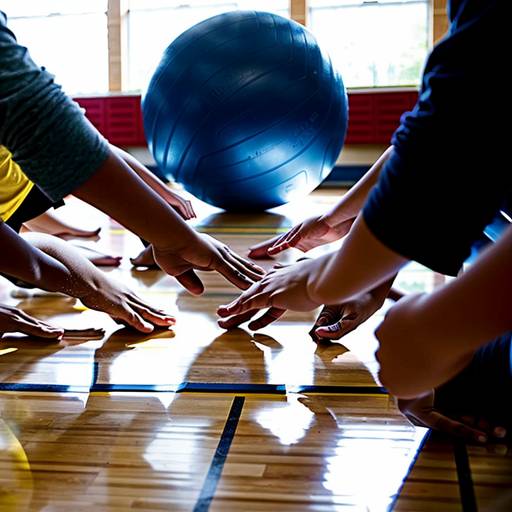
This physical education lesson for 5th graders focuses on enhancing coordination and building teamwork through engaging activities. The class begins with warm-up exercises and coordination drills involving ball tossing in pairs, promoting hand-eye skills and movement.
Students then participate in a hula hoop relay, working together in teams to complete the task, encouraging communication and support among teammates. Following this, they gather around a parachute for various cooperative games that require synchronized movement, further enhancing their teamwork and coordination.
The session concludes with static stretching and a calming breathing exercise to help students relax and reflect on their experiences. Throughout the lesson, students are assessed on their participation and cooperation, fostering an environment of encouragement and shared achievement. Adaptations are provided for different ability levels to ensure inclusivity and maximize engagement for all participants.

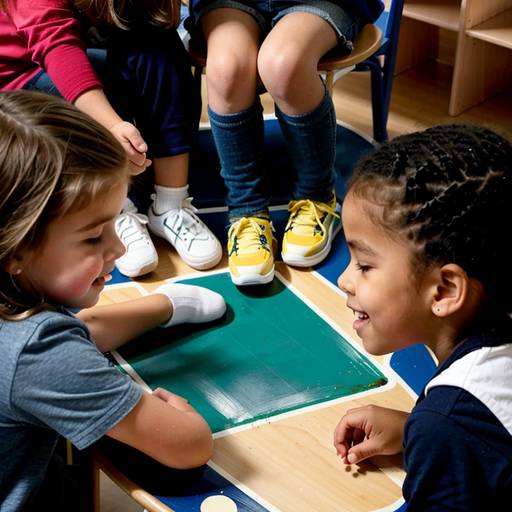
In this lesson plan designed for preschool-aged children, the focus is on fostering cooperation and sharing as essential elements of community building. The session begins with a welcoming introduction that encourages children to think about the importance of working together. A storybook is then read aloud, illustrating key concepts of sharing and collaboration, followed by a discussion to elicit the children's thoughts and feelings regarding the narrative.
Next, children are divided into small groups to engage in a cooperative building activity using blocks or manipulatives, where they must work together to create a structure. This hands-on experience promotes teamwork and communication among peers. Following the building activity, the children collectively create a community mural on a large paper, allowing them to express their ideas about what makes their community special, while practicing taking turns and sharing materials.
The session concludes with a reflection circle where children share their learnings about cooperation and sharing, reinforcing the values discussed throughout the lesson. An optional movement activity is also available to extend engagement and enhance the fun of collaboration. Throughout the lesson, educators are encouraged to observe interactions for signs of social development and understanding of community dynamics.
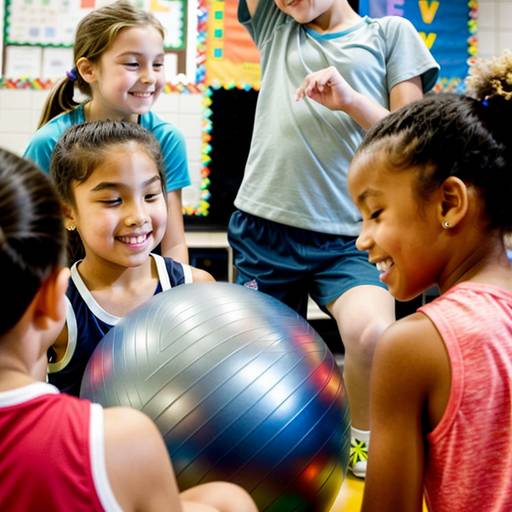
This 2nd Grade Physical Education lesson focuses on developing coordination skills and promoting teamwork among students through engaging activities. The session begins with a warm-up that includes dynamic stretches and a fun game to enhance coordination. Students are then divided into small groups and rotate through three main activities: passing a hula hoop while holding hands, tossing bean bags to each other, and completing a relay race while balancing a soft ball. Each activity encourages communication and collaboration within teams, fostering a spirit of cooperation. The lesson concludes with a group discussion where students reflect on their experiences and feelings about teamwork, followed by a calming cool-down stretch. Throughout the activities, teachers assess students’ abilities to work together and coordinate effectively, ensuring an inclusive environment for all participants. Optional extensions include introducing mini team sports to further practice these skills.
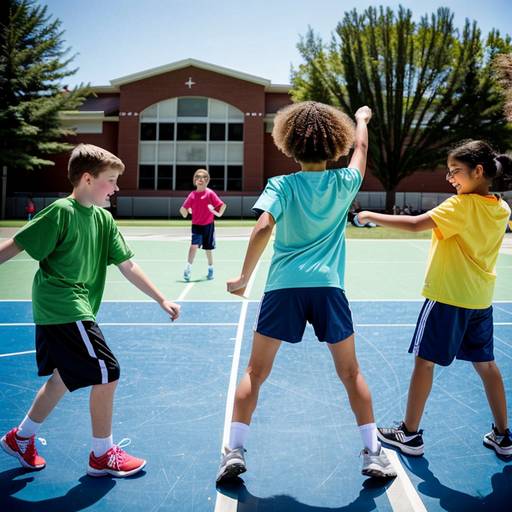
In this physical education lesson for 3rd graders, students focus on developing coordination and teamwork skills through engaging activities. The lesson begins with a brief introduction to the importance of these skills, followed by a dynamic warm-up session.
Throughout the class, students participate in a series of four activity stations designed to promote hand-eye coordination and collaborative efforts. Activities include rolling hula hoops, participating in a bean bag relay, jumping with a cooperative jump rope, and navigating a team obstacle course. Each station encourages communication and strategic thinking among teammates.
After the activities, students cool down with gentle stretches and engage in a reflective discussion, sharing their experiences and the importance of working together. The lesson wraps up by reinforcing the value of coordination and teamwork, highlighting how these skills can be applied in various settings beyond physical education.
Assessment focuses on observation of participation and teamwork, while providing adaptations for different skill levels ensures inclusivity for all students.