
Filters
Level
Grade
Subject
Subject Area
Subject Topic
Standard(s)
Audience
Keyword
DurationMinutes
Lesson Plans

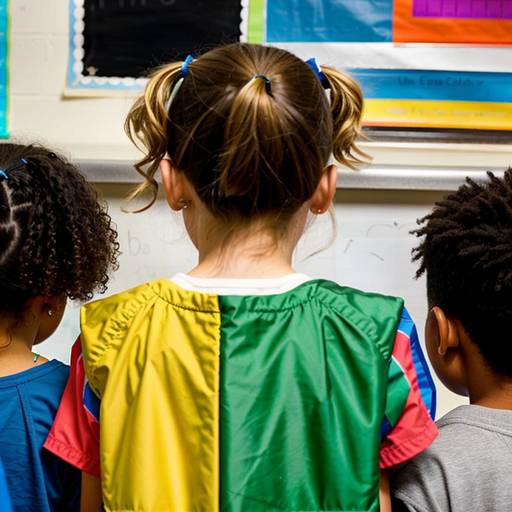
This 1st-grade social studies lesson plan focuses on exploring the concepts of community and diversity. Students will begin by discussing what it means to live in a community and identifying their own neighborhoods. Utilizing a world map, they will see how varied cultures can coexist in one area. After a collaborative drawing activity representing different aspects of their community, the class will engage in a storytime session featuring a picture book about diversity.
Following this, students will learn about community helpers, role-play their chosen helpers, and share what they appreciate about these roles. They will then create a visual representation of their ideas by contributing to a classroom quilt made up of their artwork, symbolizing the uniqueness and unity of their diverse community. The lesson concludes with a reflection where students share what they learned about each other and the importance of diversity. Assessment will occur through participation and creativity demonstrated in their activities, with opportunities for extension through community engagement.
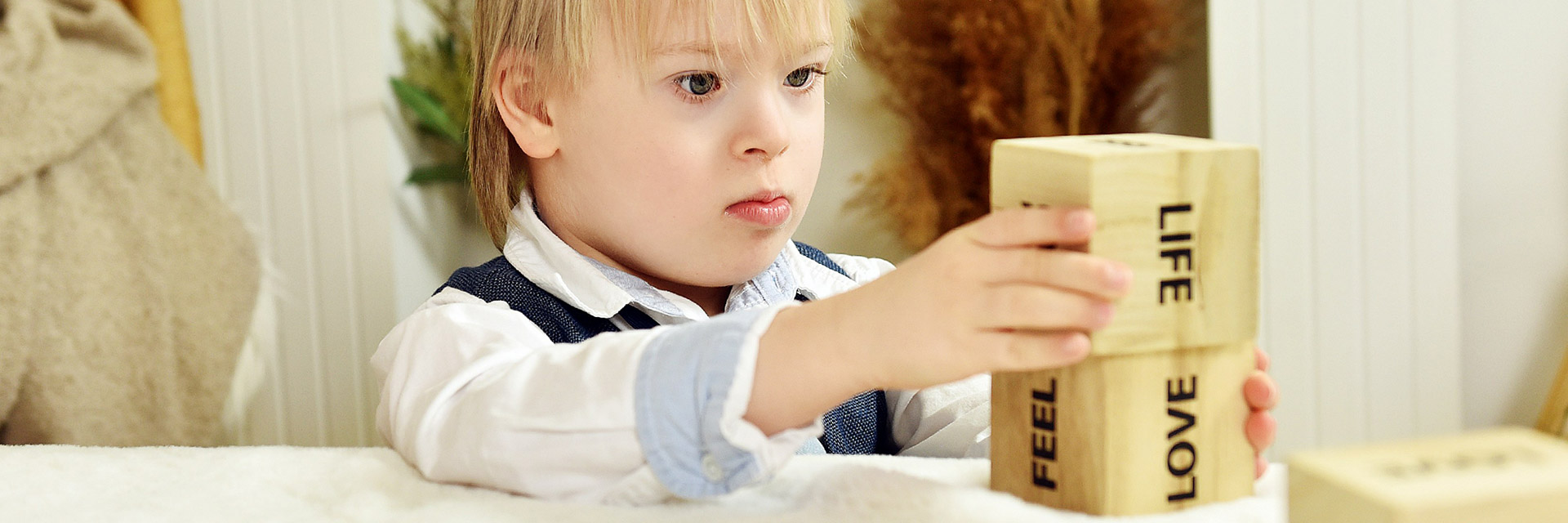
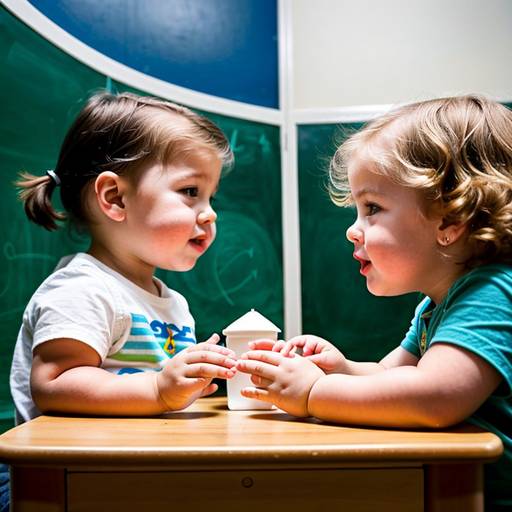
This lesson plan focuses on teaching toddlers the importance of sharing through interactive activities and storytelling. The session begins with a discussion on sharing, supported by visual aids to help illustrate the concept. A storybook that highlights sharing is then read aloud, fostering engagement and comprehension.
Following the story, children participate in a group activity where they take turns selecting toys from a central blanket and sharing them with their peers. This encourages cooperation and communication as they explain their favorite toys and invite others to play.
Next, toddlers engage in role-playing scenarios that depict common sharing situations, using colorful scarves as props to creatively resolve conflicts. The lesson wraps up with a group reflection where each child has the opportunity to express what they learned about sharing.
Throughout the session, the educator observes and reinforces positive sharing behaviors, aiming to instill a sense of empathy and teamwork among the children. Extensions of the lesson include creating a "Sharing Chart" and discussing ways to share at home, further enriching the learning experience.
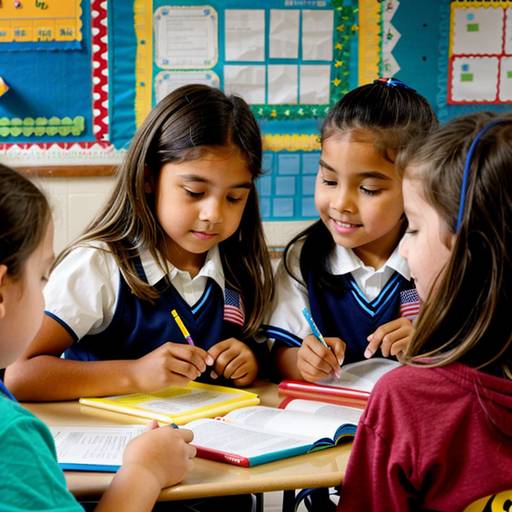
In this 2nd-grade social studies lesson, students explore the concept of community by identifying different roles within it and discussing the importance of rules that ensure harmony and safety. The lesson starts with a group discussion about what makes a community, followed by an activity where students receive role cards representing various occupations. They share their roles and categorize them collectively on a poster board. Next, the class brainstorms essential community rules that foster collaboration and respect, which are also displayed on the poster. Students then complete a worksheet where they illustrate themselves embodying a community rule or role, reinforcing their understanding through personal reflection. The lesson concludes with a review of key concepts and encourages students to consider their contributions to their community beyond the classroom. Extension activities include interviewing family members about their community roles and creating a mini-community map. Assessment is based on participation and the completion of the worksheet. The lesson aims to foster a sense of responsibility and community awareness among students.
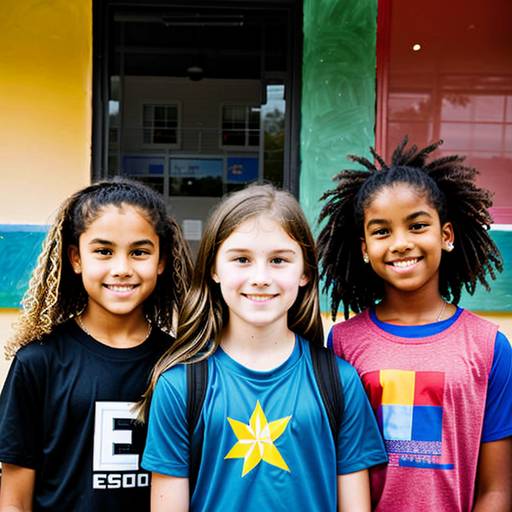
This 5th-grade social studies lesson focuses on helping students understand the components of their community and the significance of rules for maintaining a safe and functional environment. The lesson begins with students collaboratively defining what a community means to them and discussing the roles various individuals play within it. In small groups, they identify key community roles and the corresponding rules that support those roles.
Following this discussion, students will participate in a hands-on activity, where they will write down roles and rules on sticky notes and create a visual representation in pairs. Each pair will develop a poster that illustrates a specific role in the community along with its associated rule.
The lesson closes with presentations of the posters, allowing students to share their understanding and reflect on how rules contribute to the safety and functionality of their community. Assessment will be based on participation in discussions, the quality of group projects, and a brief exit ticket reflecting their learning. Differentiation strategies will ensure that all students, regardless of their learning styles, are engaged and supported throughout the lesson. Follow-up activities will encourage exploration of their immediate environments, reinforcing their newly acquired knowledge.
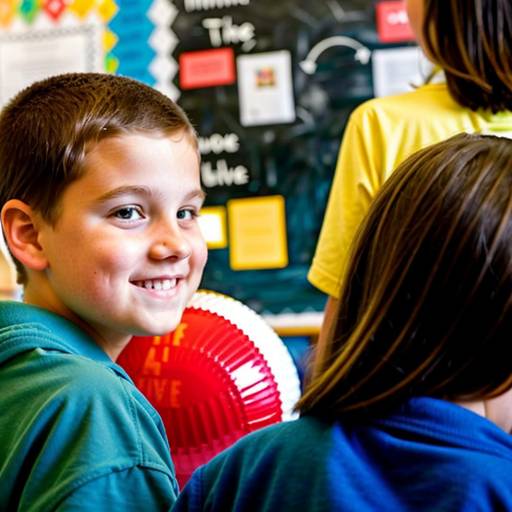
This 4th-grade social studies lesson focuses on understanding communities and the significance of rules within them. The lesson begins with a class discussion to establish a shared definition of "community" and explore its various forms. Students engage in a dialogue about the importance of rules, examining how they contribute to safety and well-being.
In small groups, students brainstorm essential rules for their community, sharing their ideas with the class. Following this discussion, they create a community poster that illustrates three important rules, allowing for creativity and individual expression. The lesson concludes with students presenting their posters and reflecting on their commitments to following rules within their community. Assessment includes participation in discussions, evaluation of the posters, and an exit ticket where students identify a personal rule to uphold.
The lesson can be extended through field trips or guest speakers, and adaptations are included to support diverse learning needs. This approach fosters student engagement and deepens their understanding of community dynamics and responsibilities.
This Kindergarten social studies lesson focuses on helping students understand their community and the importance of rules in maintaining safety and cooperation. It begins with a class discussion to identify elements of their community and introduces various community helpers, such as firefighters and police officers.
Students will work in small groups to match community helpers with appropriate rules that support their roles, promoting teamwork and critical thinking. After sharing their findings with the class, the students will collaboratively create a community map, illustrating places, community helpers, and rules that apply to each area.
The lesson concludes with a reflection discussion about the significance of rules in the community, reinforcing collaborative learning and respect for others. Assessment will be based on participation in discussions and contributions to the community map. Optional extension activities allow for further exploration of community helpers through individual writing or drawing projects. Differentiation strategies are included to support all learners.

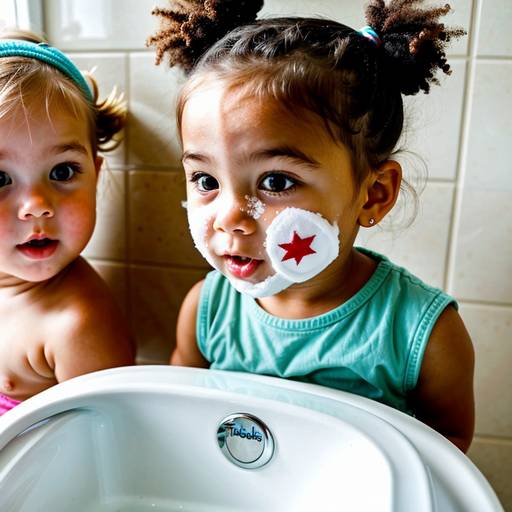
This lesson plan focuses on introducing toddlers to the essential skills of toilet training and personal hygiene. The objectives include fostering independence in using the toilet and washing hands while highlighting the importance of hygiene. The session begins with a circle time discussion to engage children, followed by a story that illustrates potty training concepts.
Key activities include demonstrating potty use and proper handwashing techniques, allowing children to practice in a supportive setting. The children take turns using a child-sized toilet or a training doll as they learn the steps involved in the process. Afterward, they practice washing their hands at a designated station, following a fun song to reinforce the routine.
The lesson concludes with a reflection session where children share what they've learned, ensuring their understanding of the topics discussed. Observations assess participation and comprehension, and the lesson takes into account the varying comfort levels of each child, promoting a positive experience around self-care and hygiene.
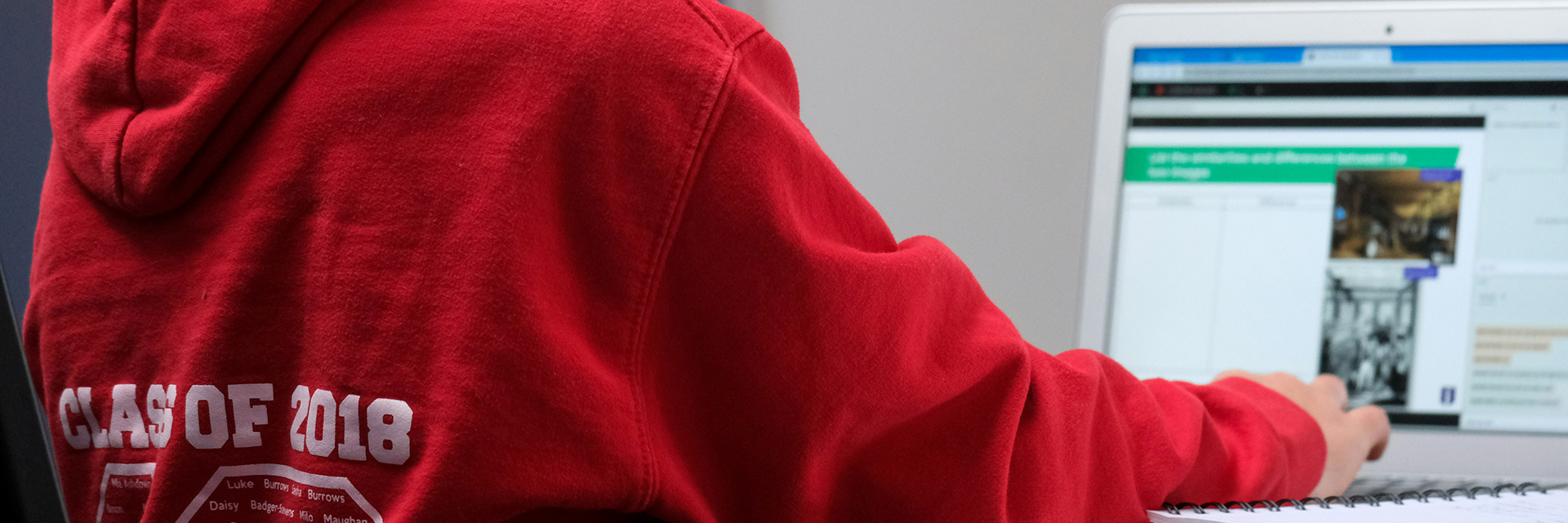
This lesson plan introduces 2nd-grade students to the world of technology and various tools they encounter in everyday life. The objectives focus on helping students identify different technology tools, understand their purposes, and demonstrate basic usage of simple devices, such as tablets and computers.
The lesson begins with an engaging discussion about technology, followed by a hands-on exploration of various tools displayed in the classroom. Students then participate in a scavenger hunt activity, working in groups to find and observe technology items around the school. After the exploration, they regroup to share their findings and discuss what they've learned about the tools and their functions.
The lesson concludes with a recap of key concepts and encourages students to express their preferences for technology tools. Assessment includes observing participation and reviewing completed scavenger hunt worksheets, with additional follow-up activities reinforcing their understanding through creative expression. The plan also accommodates diverse learning needs, promoting an inclusive classroom environment. Overall, this lesson provides an interactive and informative introduction to technology for young learners.


In this 3rd-grade art lesson, students will explore the creative technique of collage by constructing their own imagined towns using torn paper. The session begins with a discussion about the art form of collage, accompanied by examples of torn paper creations. Following this introduction, students will sketch their town designs on white drawing paper, incorporating various elements such as houses, trees, and roads.
They will then gather colored construction paper and old magazines to create their collages, focusing on tearing pieces to represent different features and layering them for texture and depth. While students work, the teacher will provide support and encourage thoughtful choices in color and composition.
At the end of the lesson, students will present their collages to the class, sharing their artistic decisions and the meanings behind their creations. The lesson concludes with a group reflection on the collage-making experience. Assessment will focus on creativity, effort, and understanding of collage techniques. Optional extensions include creating a collaborative mural or exploring new themes for future projects.

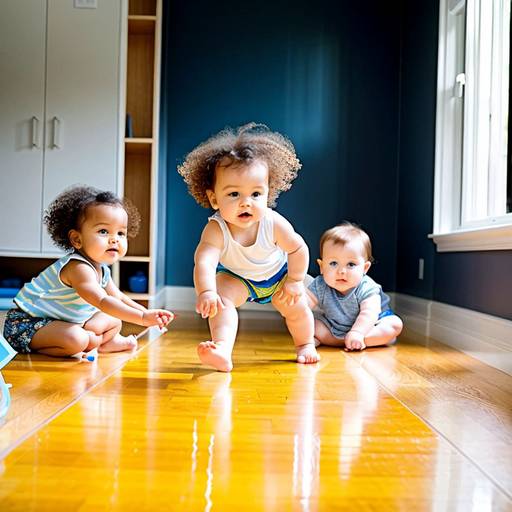
This lesson plan is designed for infants aged 6-12 months and focuses on enhancing balance and coordination through engaging activities. The session begins with a group circle where caregivers and infants participate in a lively song that encourages movement. Warm-up activities involve tummy time, where infants reach for toys to strengthen their core and improve balance.
The core of the lesson includes two interactive stations: one featuring wobble boards for stepping practice, and another where infants roll lightweight balls to each other, promoting both crawling and coordination skills. A movement scarf dance follows, allowing infants to explore rhythm and body movement while waving and tossing scarves to music.
The session concludes with a cool-down that includes gentle stretches, fostering relaxation. Throughout the lesson, caregivers are encouraged to observe their infants' progress, engage with them actively, and continue similar activities at home to further support motor skill development. Overall, the lesson promotes a safe and stimulating environment where infants can develop essential motor skills while enjoying playful interactions.