
Filters
Level
Grade
Subject
Subject Area
Subject Topic
Standard(s)
Audience
Keyword
DurationMinutes
Lesson Plans

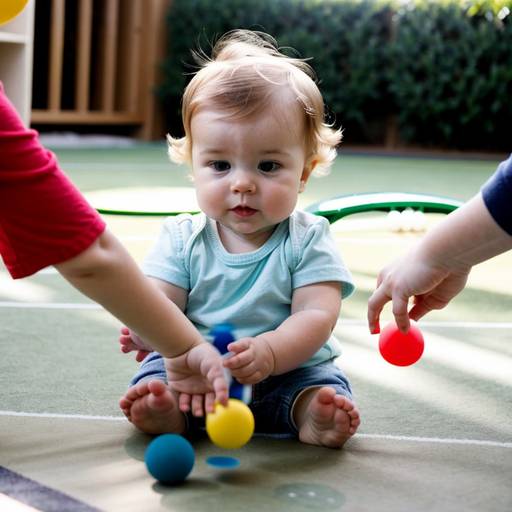
This toddler fine motor skills lesson focuses on enhancing hand-eye coordination through a series of engaging activities. The session begins with an introduction where children learn about tossing and catching. They participate in warm-up activities that involve passing a soft ball within a circle, followed by a target toss challenge using hula hoops or large hoops, encouraging aiming and throwing techniques.
Children then engage in a creative craft where they decorate small buckets with markers and stickers, fostering artistic expression. The session culminates in a game where pairs of children take turns tossing balls into their decorated buckets, reinforcing their skills in a playful manner.
The lesson concludes with a group reflection, allowing children to share their favorite parts and encouraging the continuation of these skills at home. Observations are made throughout to assess each child's participation and skill development, with modifications available for varying skill levels. Safety considerations ensure a secure and enjoyable environment for all participants.

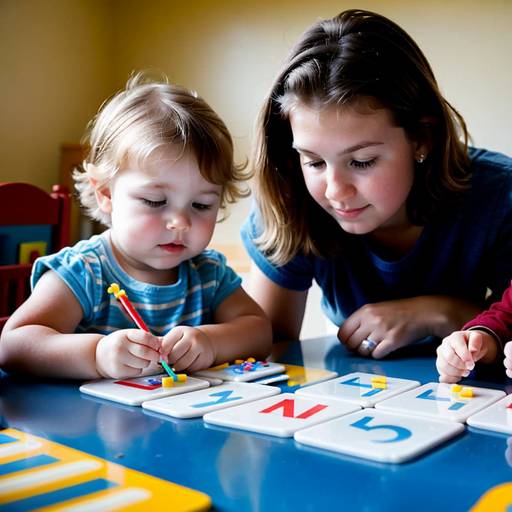
This lesson plan is designed for toddlers aged 2-4 to introduce and reinforce basic counting skills through interactive and engaging activities. The lesson begins with a circle gathering where children learn about counting in a fun and playful manner. Following this, a counting storybook is read aloud, encouraging participation and discussion about the numbers in the story.
Next, toddlers engage in singing simple counting songs that incorporate hand gestures to enhance learning. They then participate in hands-on activities with counting manipulatives, allowing them to practice counting aloud while using physical objects. A group counting game promotes collaboration and reinforces number recognition.
The lesson concludes with a review session, where educators assess understanding through flashcards. Positive reinforcement and celebration of each child's successes is emphasized throughout to build confidence in their counting abilities. An optional extension activity is provided for parents to encourage continued learning at home. Overall, the lesson fosters early math skills in a supportive and enjoyable environment.

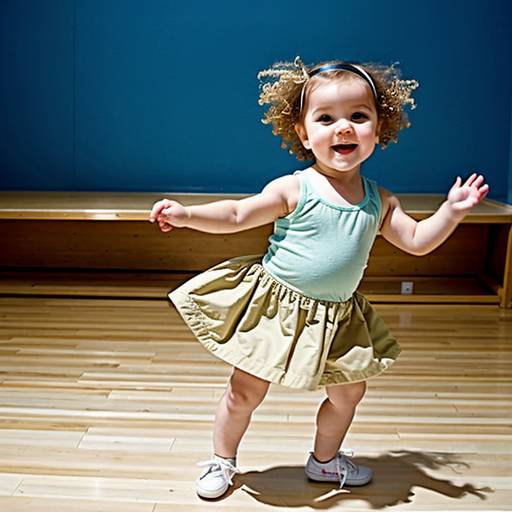
This toddler music and movement lesson plan focuses on enhancing gross motor skills, rhythm, and self-expression through dance and interactive activities. The session starts with a warm-up that includes simple stretching and a familiar song, followed by an engaging "Animal Dance Party" where children mimic animal movements in response to sounds. Next, participants explore movement with colorful scarves, dancing freely to lively music and adapting their movements to different rhythms. The lesson culminates in a playful instrument jam session, where children can experiment with sound and rhythm. Finally, the session concludes with a calming cool down, featuring gentle movements and a soothing song. Throughout the activities, caregivers are encouraged to engage and observe their children's participation, fostering a joyful atmosphere that nurtures a love for movement and music.

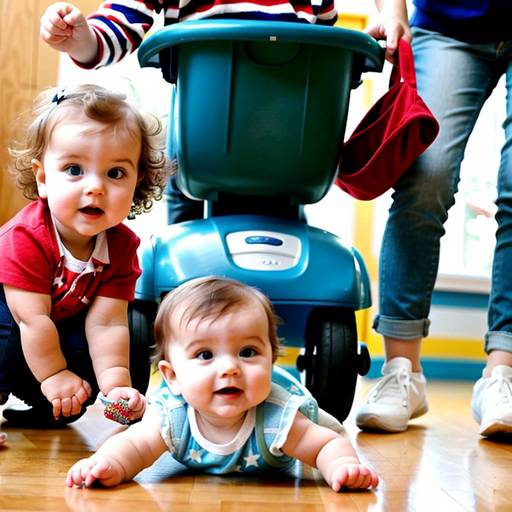
The lesson plan focuses on enhancing gross motor skills in infants aged 6 to 18 months through a series of engaging activities. The session begins with a warm-up that involves gentle stretching accompanied by music, introducing infants to movement. Key activities include a crawling relay, rolling lightweight balls, navigating a soft obstacle course, and chasing bubbles, all designed to promote coordination, balance, and strength. To wind down, caregivers and infants participate in a musical movement exercise where they dance and play instruments. The plan encourages caregiver involvement and concludes with a reflection session, fostering communication about each infant’s progress. Safety considerations ensure that all materials are appropriate for the age group, enabling a secure and playful learning environment.
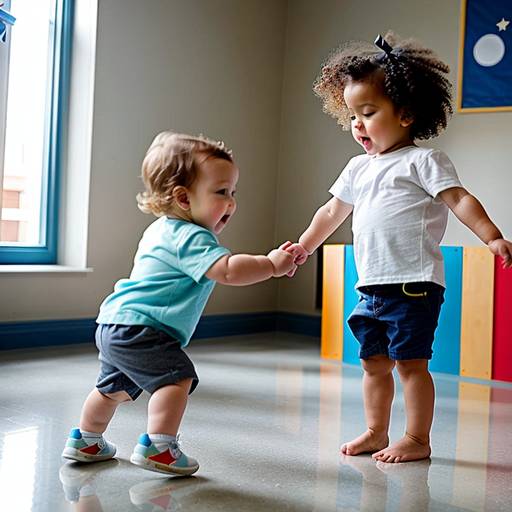
This lesson plan focuses on developing balance and coordination skills in infants aged 12 to 24 months through engaging and playful activities. It begins with a warm-up session that includes movement to lively music, encouraging infants to explore their bodies' capabilities. The main portion of the lesson consists of balance activities, such as walking on balance beams and navigating obstacle courses, alongside coordination games involving ball rolling and hula hoop crawling. The session concludes with gentle stretching and a reflective circle, fostering a calming atmosphere. Throughout the activities, caregivers are encouraged to provide support and encouragement, while also observing each child’s progress in their gross motor skills. Finally, parents are provided with suggestions for reinforcing these skills at home.

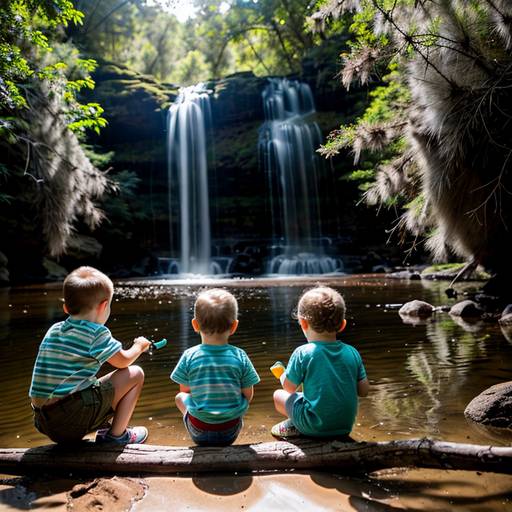
This lesson plan is designed for toddlers ages 2-4 and focuses on exploring various animals and their habitats through interactive and sensory-rich activities. The session begins with a welcoming circle where children are introduced to the theme of animal exploration. An engaging storytime featuring nature-themed books allows children to discover different animals and practice imitating their sounds.
Participants engage in hands-on exploration by visiting designated habitats represented by cardboard cutouts, where they discover animal figurines or photos and learn about the animals that inhabit each environment. A sensory bin filled with animal figurines and natural materials provides an opportunity for tactile exploration, encouraging children to share their findings with the group.
To enhance auditory skills, children participate in a fun game identifying animal sounds through audio clips, followed by a creative drawing activity where they depict their favorite animal from the day's exploration. The session concludes with a reflection where children share their experiences, wrapped up with a lively animal-themed song or dance. Throughout the lesson, the focus is on fostering curiosity about the natural world and developing observational skills through play and creativity.
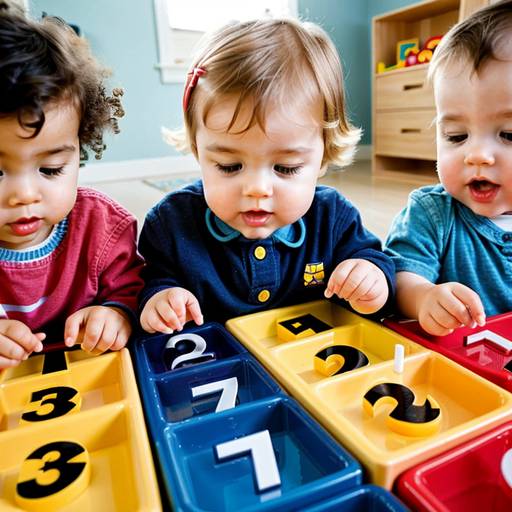
This lesson plan focuses on introducing toddlers to basic number operations through a series of engaging activities designed to promote understanding of addition and subtraction. The session begins with a cheerful counting song to capture the children's attention, followed by a story time featuring a picture book that incorporates counting and simple math concepts.
Hands-on activities with colorful counting blocks allow children to practice addition and subtraction in a playful manner. They will work in small groups to explore these operations, counting blocks together and discussing how many remain when some are removed. A movement game encourages physical participation as children jump according to the numbers called, reinforcing their counting skills.
Art time provides an opportunity for creative expression, where children can draw representations of specific numbers, further solidifying their understanding of counting. The lesson concludes with a group recap, reinforcing what they learned through questions and a final counting song. Throughout the session, the focus is on making math fun and interactive, catering to the developmental needs of toddlers while fostering a foundational grasp of numerical concepts.

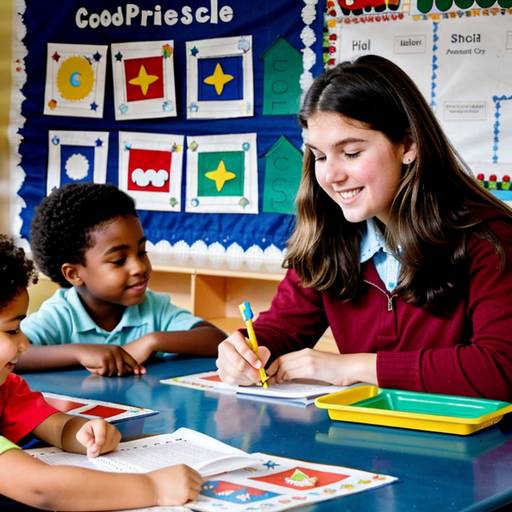
This lesson plan focuses on teaching preschool students the concepts of cooperation and sharing within a community context. It begins with an engaging group discussion to introduce the ideas of teamwork and community. Following this, a picture book is read to illustrate these concepts in action, prompting children to reflect on how characters work together and the feelings associated with sharing.
Students are then divided into small groups for a hands-on activity where they collaborate to build towers using blocks, emphasizing communication and the importance of sharing materials. This is followed by a collaborative art project where children create a mural that represents their ideas about cooperation and community.
Finally, the lesson concludes with a reflection circle, allowing children to express their thoughts on the activities and what they learned about collaboration and sharing. Throughout the lesson, students enhance their social and emotional development by practicing empathy, respect, and positive interactions with their peers. The plan includes adaptations for varying needs, ensuring an inclusive environment for all participants.
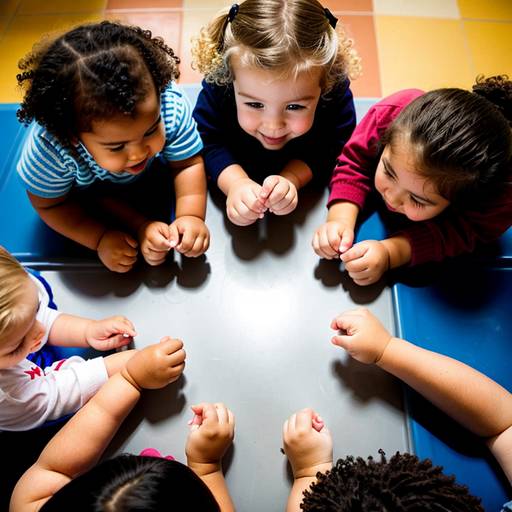
This lesson plan focuses on helping toddlers develop social skills related to teamwork through engaging group activities. The session begins with a circle time introduction, where children are introduced to the concept of teamwork and encouraged to share their experiences.
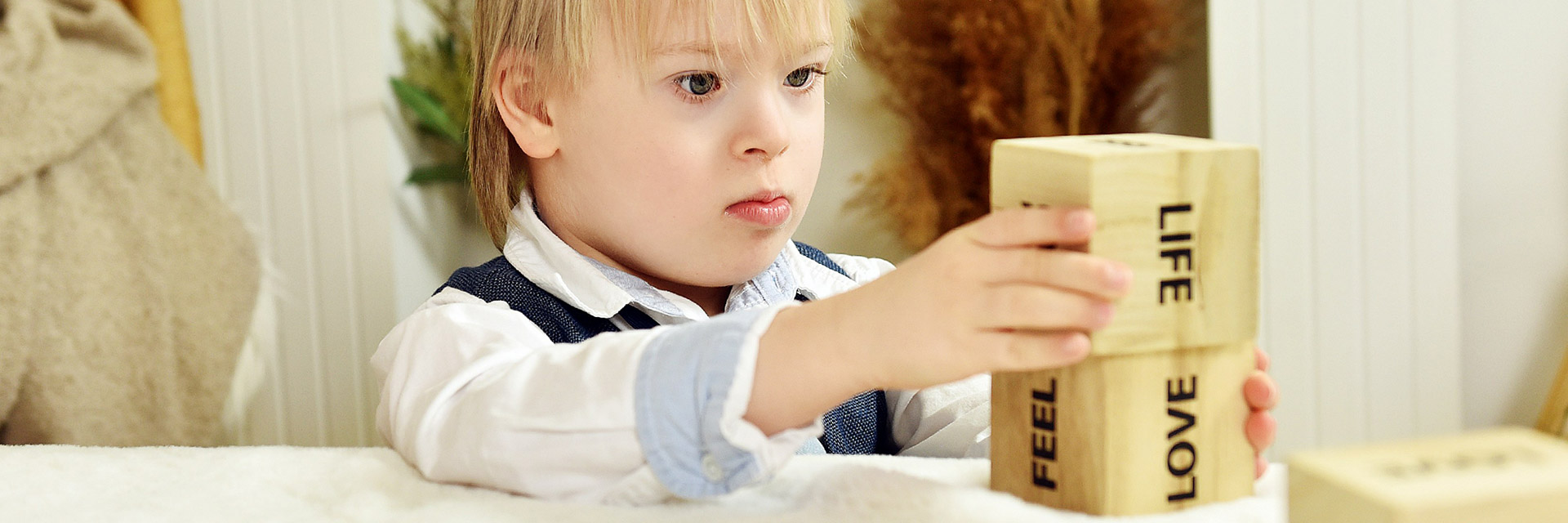
Following this, they participate in a building activity using large blocks, where they collaborate to construct a structure, promoting communication and role assignment. Next, small groups tackle a large puzzle, reinforcing skills in cooperation and turn-taking.
An art project allows children to create a mural together, encouraging discussion about their contributions and fostering a sense of shared ownership. The lesson concludes with a closing circle where children reflect on their teamwork experiences, followed by a song or movement activity to enhance the sense of togetherness.
Throughout the session, educators observe interactions, noting instances of effective communication, sharing, and problem-solving, while providing positive reinforcement to encourage teamwork. Adaptations are considered to support varying needs, ensuring an inclusive environment. Reflection on the lesson's effectiveness is encouraged, allowing for adjustments in future teamwork-focused activities.
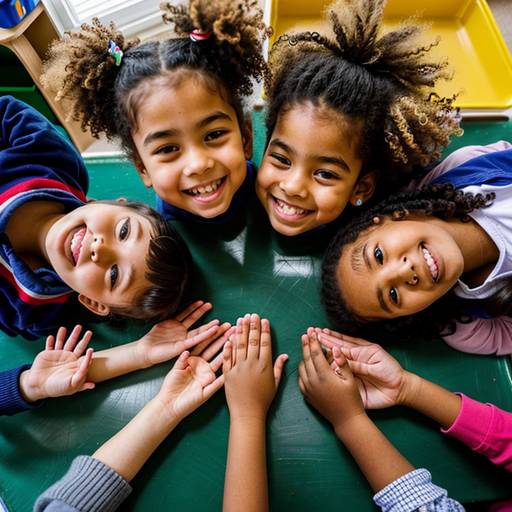
This preschool lesson plan focuses on fostering friendships and teamwork among young children. It begins with a group discussion that encourages children to share their thoughts on what it means to be a friend and how to show kindness. This is followed by a storytime session, where children listen to a narrative about friendship and discuss the helpful behaviors demonstrated by its characters.
Next, an "Appreciation Circle" allows children to express appreciation for their peers by sharing kind phrases, promoting a supportive environment. The lesson continues with an engaging collaborative game, “Pass the Squeeze,” which emphasizes the joy of sharing kindness and friendship in a playful manner. Finally, the lesson concludes with a reflective discussion about the activities and a group sing-along, reinforcing the message of unity and cooperation. Throughout the lesson, children are encouraged to participate actively, fostering a sense of community and emotional connections with their peers.