
Filters
Level
Grade
Subject
Subject Area
Subject Topic
Standard(s)
Audience
Keyword
DurationMinutes
Lesson Plans

This 3rd-grade math lesson focuses on teaching students how to tell time using both analog and digital clocks while also exploring patterns related to time. The lesson begins with an engaging discussion about time and familiar daily activities, followed by direct instruction on how to read clocks and understand concepts of AM and PM. Students participate in guided activities where they practice showing different times on clocks and create their own time patterns based on their routines. Independent practice involves worksheets that reinforce their skills in telling time and recognizing time patterns. The lesson concludes with a review of key concepts, allowing students to reflect on what they have learned. Assessment is achieved through observation, worksheet completion, and exit tickets, ensuring that students grasp essential time-telling skills and the role of time in their daily lives. Extensions and support are provided to meet varying student needs, enhancing their understanding of elapsed time and encouraging collaborative learning.
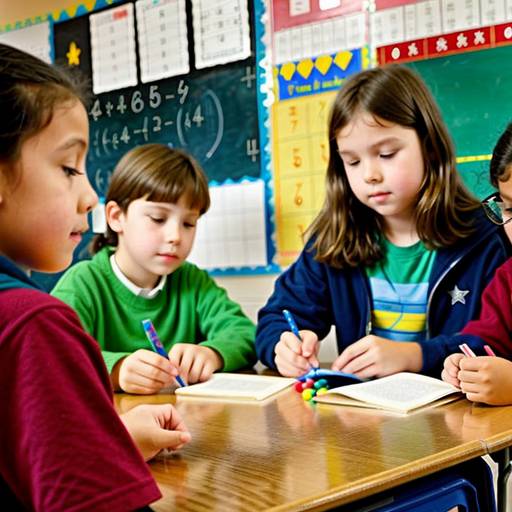
In this 3rd-grade math lesson, students will explore multiplication and practice their times tables through interactive activities. The lesson begins with a review of multiplication concepts and a demonstration of the times table on the whiteboard. Students will then engage in guided practice using flashcards to quiz one another, identifying which multiplication facts they find easiest and hardest.
The highlight of the lesson is a treasure hunt, where students work in pairs to solve multiplication problems on clue cards hidden around the classroom. Each correct answer leads them closer to a "treasure" of small prizes. After the treasure hunt, students will complete a worksheet with various multiplication problems for independent practice.
The lesson will conclude with a group discussion where students share their favorite parts and reflect on what they learned about multiplication. Assessment will be based on the completed worksheet and participation in activities, with adaptations available for varying skill levels. Extensions include creating a decorative multiplication chart to take home and exploring online multiplication games. This engaging approach to multiplication encourages collaboration and reinforces essential skills in a fun learning environment.
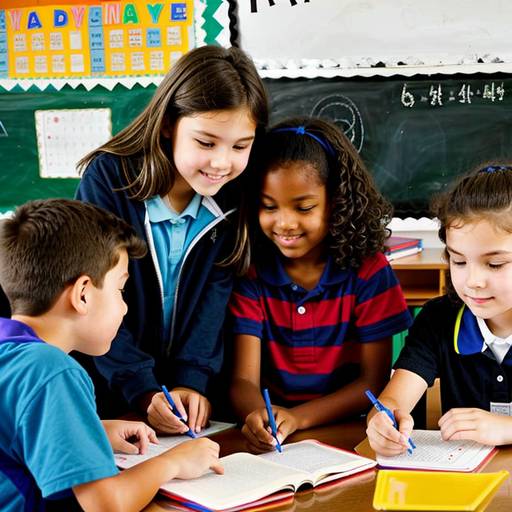
In this 4th-grade math lesson, students will explore the concept of multiplication by connecting it to repeated addition and practicing their times tables up to 12 x 12. The lesson begins with a review of multiplication basics and a group chant of selected times tables to bolster recall. Students will then engage in paired quizzes to reinforce their understanding of multiplication facts, using index cards with various multiplication problems.
The main activity involves a treasure hunt in which small groups will search for hidden index cards containing multiplication questions. They will work collaboratively to solve these problems and record their answers on a treasure map handout. The lesson concludes with a class review of the answers and a discussion on the importance of multiplication in real-life scenarios. Small prizes will be awarded to celebrate the students’ participation and efforts. Overall, this lesson aims to enhance multiplication skills through interactive learning and collaboration.


This lesson plan focuses on enhancing listening skills in infants aged 0-12 months through engaging auditory activities. The session begins with a warm welcome to infants and caregivers, highlighting the importance of listening in early development.
Activities include exploring sound-making toys, recognizing animal sounds through audio clips, and using simple musical instruments to encourage infants to respond to various pitches and rhythms. A storytime segment incorporates sound words to engage infants further and foster interaction between caregivers and their little ones. The lesson concludes with a calming listening moment featuring soft music, allowing infants to relax while developing an awareness of different sounds.
Caregivers are encouraged to participate actively and share experiences, with a handout provided that offers tips for incorporating listening activities into daily routines at home. Overall, the plan aims to create a fun and supportive environment for developing essential listening skills while strengthening the bond between caregivers and infants.


This lesson plan focuses on engaging toddlers in outdoor exploration to foster curiosity and observation skills. It begins with a brief introduction to nature exploration, equipping children with magnifying glasses for closer examination of their surroundings. The main activity involves a nature scavenger hunt, where they search for specific items in their environment with the help of adults, using their senses to experience various natural elements. After the hunt, children participate in a group discussion, sharing their findings and observations. This is followed by a creative drawing activity, allowing them to express their experiences visually. The lesson concludes with a reflection on their discoveries and encourages further exploration with family. Throughout the activities, caregivers assess engagement and understanding, creating a foundation for a lasting connection with nature and science.

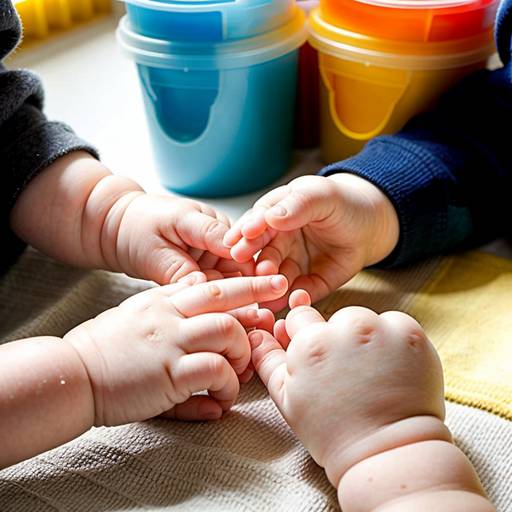
This lesson plan aims to enhance fine motor skills and finger dexterity in toddlers aged 18 months to 3 years through a series of engaging activities. The session begins with a warm-up that encourages children to stretch and practice finger movements. The main activities include exploring playdough, threading large beads, and sorting pom-poms using tweezers, each designed to promote hand strength, coordination, and control.
Art activities, such as drawing and finger painting, allow for creative expression while further developing fine motor skills. The lesson concludes with a circle time where children can share their favorite activities and creations. Throughout the session, observations will be made to assess children's abilities and engagement, ensuring activities are age-appropriate and safe.
The plan also includes potential extensions, such as finger puppet play and paper tearing, to continue fostering these important skills in future lessons.
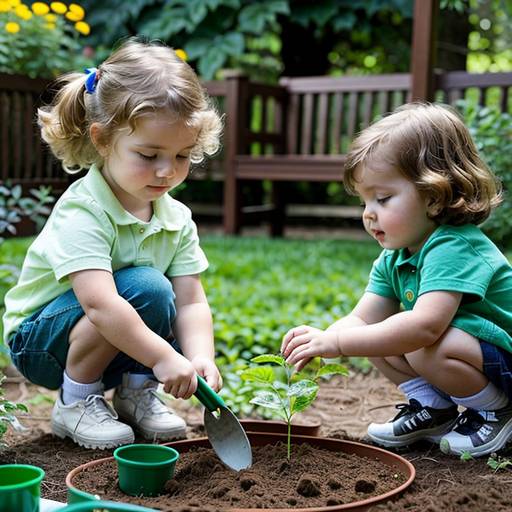
This toddler-friendly lesson plan revolves around introducing young children to the world of gardening and nature. The session begins with a captivating story about plants, followed by an engaging exploration station where children can interact with sensory materials like soil, rocks, and leaves. In hands-on planting activities, small groups of children use child-sized gardening tools to fill pots with soil and plant seeds or seedlings, while learning about the essentials that plants need to grow. Following the planting, children express their creativity by drawing what they enjoyed most during the gardening experience. The lesson concludes with a group discussion where children share their thoughts and observations, reinforcing their learning and excitement about caring for their plants in the days to come. Throughout the activities, educators focus on fostering curiosity, language development, and a sense of wonder about the natural world.

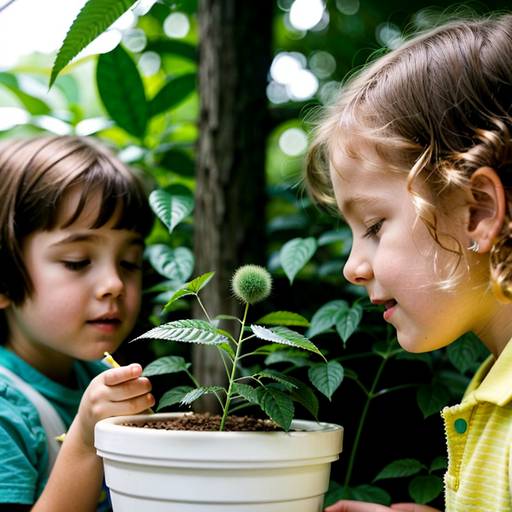
In this preschool science lesson, students will explore the role of plants in the environment by engaging in hands-on activities and discussions. The lesson will begin with a group discussion about plants and their importance, utilizing real potted plants or pictures to facilitate recognition and interaction. A storytime session will follow, featuring a picture book that highlights plant growth and structure, which will help reinforce key concepts about the different parts of plants.
Next, children will participate in a planting activity where they will fill cups with soil, plant seeds, and learn about the essential needs of plants, including soil, water, and sunlight. They will use magnifying glasses to closely observe plant parts, fostering a sense of curiosity and engagement with their surroundings.
The lesson will conclude with a reflection session, encouraging students to share their newfound knowledge and understanding of plants. Observations made during the planting activity and the closing discussion will serve as informal assessments of comprehension. Additionally, extension activities such as a growth chart and a nature walk can enrich the learning experience. Overall, this lesson aims to instill a sense of wonder about the environment while promoting hands-on learning and exploration.

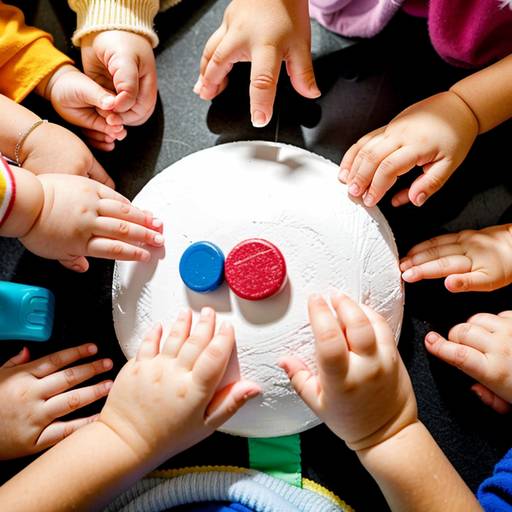
This preschool physical education lesson plan focuses on developing fine motor skills through engaging and interactive activities designed for children aged 3 to 5. The session lasts 75 minutes and begins with an introduction emphasizing the importance of fine motor skills in everyday tasks. A warm-up activity encourages students to activate their hands and fingers through fun movements.
The core of the lesson includes five activity stations, each lasting 15 minutes, where children can explore various tasks. These activities include creating shapes with playdough, threading beads, solving puzzles, transferring materials in a sensory bin, and practicing with clothespins. Each station promotes hand-eye coordination, dexterity, and problem-solving skills.
After an energizing break for snack time, students gather to reflect on their experiences, sharing what they enjoyed and learned. The session concludes with a fun song that celebrates their movement, reinforcing the connection between physical activity and creativity. Throughout the lesson, informal assessments through observations allow the teacher to gauge children's engagement, skill levels, and understanding of fine motor development. This lesson plan fosters both individual skill growth and social interaction among peers while providing a fun learning environment.
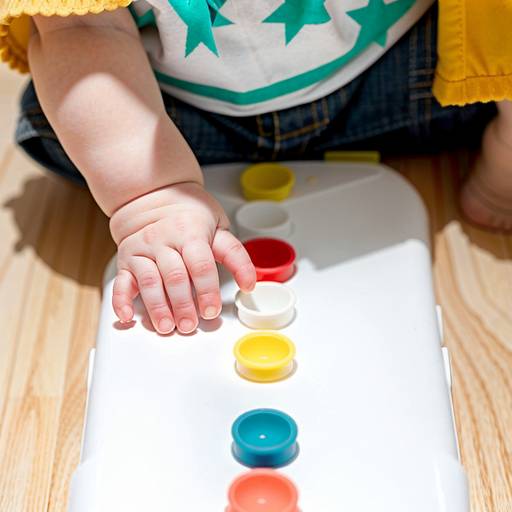
This lesson plan is designed to enhance fine motor skills in toddlers through a series of engaging hands-on activities that focus on precision and control. The activities include a pom-pom pick-up exercise using tweezers, playdough exploration with rolling and cutting, bead stringing, and creating a nature collage with small items. Each activity aims to develop specific skills such as hand-eye coordination, dexterity, and muscle strength.
The session is structured to last 45 minutes, allowing ample time for exploration and creative expression while fostering an enjoyable learning environment. The conclusion involves a group discussion where children can share their experiences, reinforcing their learning and building confidence. Adaptations are included to support children who may need additional assistance, ensuring that all participants can engage successfully in the activities. Overall, the plan aims to celebrate the children’s successes and encourage ongoing development of their fine motor skills.