
Filters
Level
Grade
Subject
Subject Area
Subject Topic
Standard(s)
Audience
Keyword
DurationMinutes
Lesson Plans

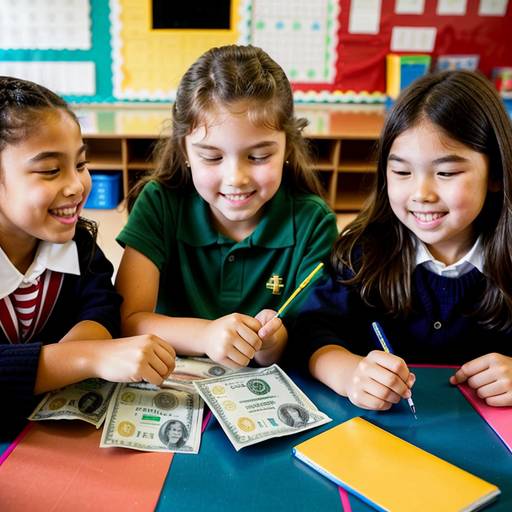
In this 4th grade math lesson, students will explore the concepts of money, budgeting, and making financial choices. The class will begin with a discussion about the role of money in everyday life and the importance of budgeting. Following a mini-lesson on how to create a budget template that includes sections for income, expenses, and savings, students will work in small groups to manage a set amount of play money, making decisions about how to allocate funds for various items represented by flashcards.
The lesson consists of two main activities: first, students will collaboratively design a budget, prioritizing their spending based on needs versus wants. Next, they will engage in a marketplace simulation where they can "purchase" items with their play money, reinforcing their budgeting decisions.
To conclude, groups will present their budgets and spending choices, reflecting on their experiences and the lessons learned about financial management. Assessment will be based on group participation, completed budget worksheets, and discussions on budgeting challenges. Extensions could involve tracking personal allowances or discussing real-world budgeting scenarios, furthering their understanding of financial responsibility.

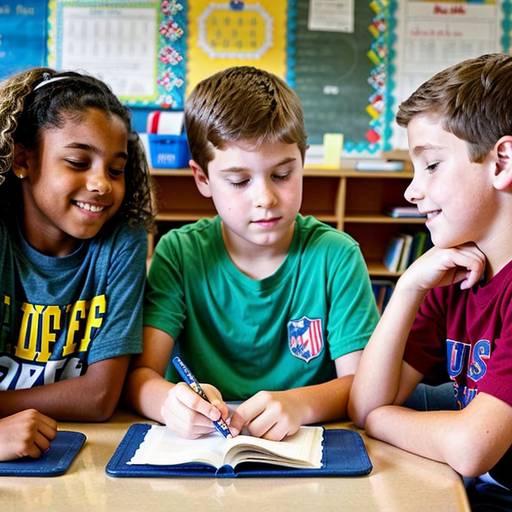
In this engaging 4th-grade social studies lesson, students will explore the purpose and importance of rules within a community. The lesson begins with a class discussion about the characteristics of a good community and how rules contribute to safety and order. Students will work in small groups to analyze specific community settings, brainstorming relevant rules for each scenario and sharing their ideas with the class.
Next, the class will collaboratively review a worksheet on common community rules, categorizing them into themes such as safety and respect, which enhances their understanding of each rule's significance. Students will then reflect individually by proposing a new rule for their community, writing their ideas on post-it notes to create a collaborative "Community Rule Board."
The lesson concludes with a summarization of key points about rule-following and encourages students to think of ways they can positively impact their community. Assessment will be based on participation in discussions and group activities. The lesson is designed to foster teamwork, critical thinking, and a sense of responsibility among students as active members of their community. Extensions may include inviting community leaders for discussions and planning a service project to reinforce the principles learned. Adaptations are also available to support varying levels of student engagement.
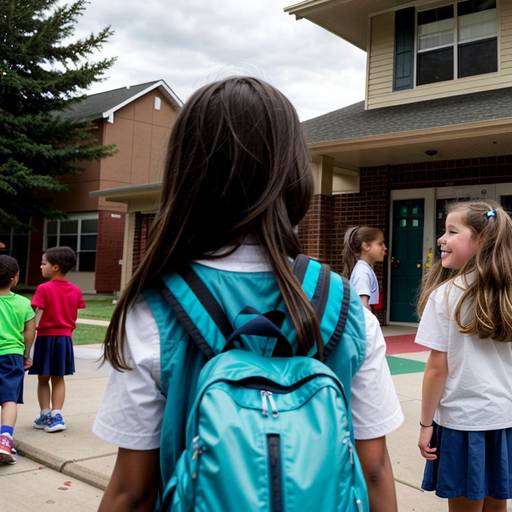
In this 1st-grade social studies lesson, students will explore the concept of community by identifying its various components, including people, places, and activities. They will learn about the significance of rules in maintaining safety and harmony within a community. The lesson begins with a discussion about what a community is, supported by visual aids showcasing community elements. Students will then engage in collaborative group work to brainstorm and share essential community rules. Following this, they will create their own illustrations of a community scene, incorporating rules they deem important. The lesson concludes with a sharing session where students present their artwork and explanations, reinforcing their understanding of the role of rules in fostering a positive community environment. Assessment will include observations of group participation and evaluation of students' creative outputs, ensuring all learners are supported through differentiated instruction. A follow-up activity encourages students to actively observe their real-life community to connect classroom learning with their surroundings.
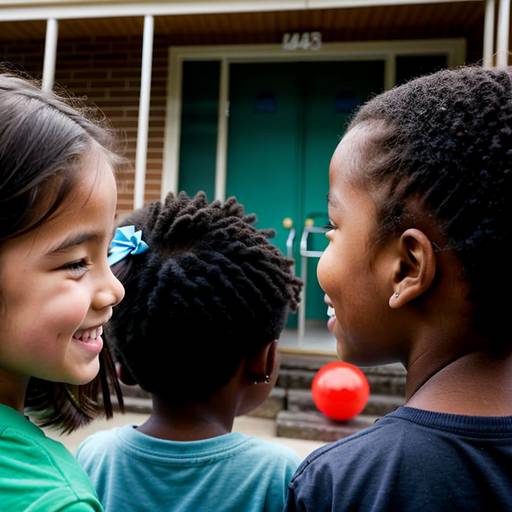
In this kindergarten social studies lesson, students will explore the concept of community and the significance of rules in fostering a safe and harmonious environment. The lesson begins with a read-aloud of a picture book highlighting different community helpers and their responsibilities. Through guided discussion, students will identify elements of their community and discuss the importance of rules in promoting respect and safety among its members.
Next, students will collaboratively brainstorm a list of community rules and engage in a group activity where they create posters representing various community helpers and the essential rules they follow. The lesson concludes with group presentations, allowing students to share their findings and reinforce the importance of understanding roles and rules in their community. Assessment will focus on student participation and the creativity of their group work. Opportunities for extension include field trips to meet community helpers and creating a classroom rules pledge, further deepening students' understanding of community engagement and responsibility.
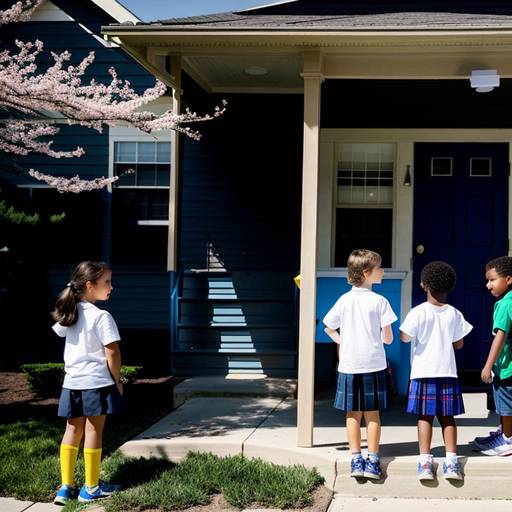
In this 2nd-grade social studies lesson, students will explore the concept of community and the essential rules that help maintain order and safety. The lesson begins with a class discussion on what constitutes a community and the various roles that individuals play within it, such as teachers, nurses, and firefighters. After identifying important community roles, students will work in small groups to discuss and choose three roles they believe are crucial, sharing their thoughts with the class.
Building on this foundation, students will brainstorm a list of rules necessary for their ideal neighborhood to promote safety and harmony. Each group will then create a colorful poster illustrating one rule along with a corresponding drawing, encouraging creativity and collaborative learning. The lesson concludes with presentations from each group, allowing students to explain their chosen rule and reflect on the importance of community regulations. An exit ticket will help assess students' understanding by asking them to identify a community role and a key rule as they leave. Extension activities may include a field trip or inviting community leaders for a guest talk, further enriching students' understanding of their neighborhoods.

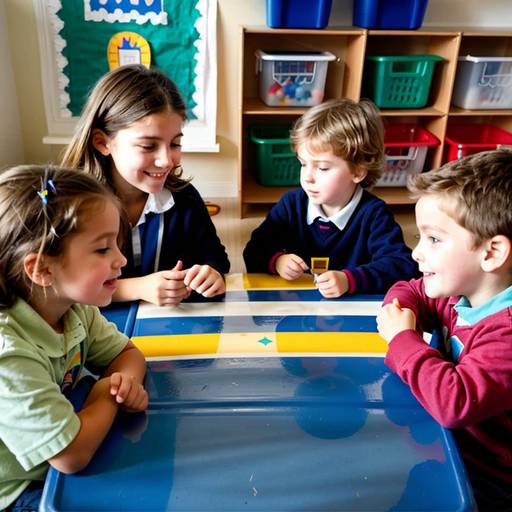
This lesson plan focuses on helping preschool children understand the importance of family, emotions, and the establishment of rules and routines that foster a safe and supportive environment. The lesson begins with a discussion to encourage children to share about their families and the feelings they experience when together. A story related to families and feelings is read, prompting further exploration of emotions through visual aids.
Children then work collaboratively to create a list of classroom rules inspired by the supportive dynamics of their own families. A group activity includes singing a family-themed song, incorporating movement to express emotions. The lesson concludes with a wrap-up discussion, allowing children to reflect on what they’ve learned regarding family connections and classroom expectations. Through engagement in these activities, children develop social and emotional skills that enhance their understanding of relationships within their families and community. Extension activities are suggested to reinforce these concepts at home.
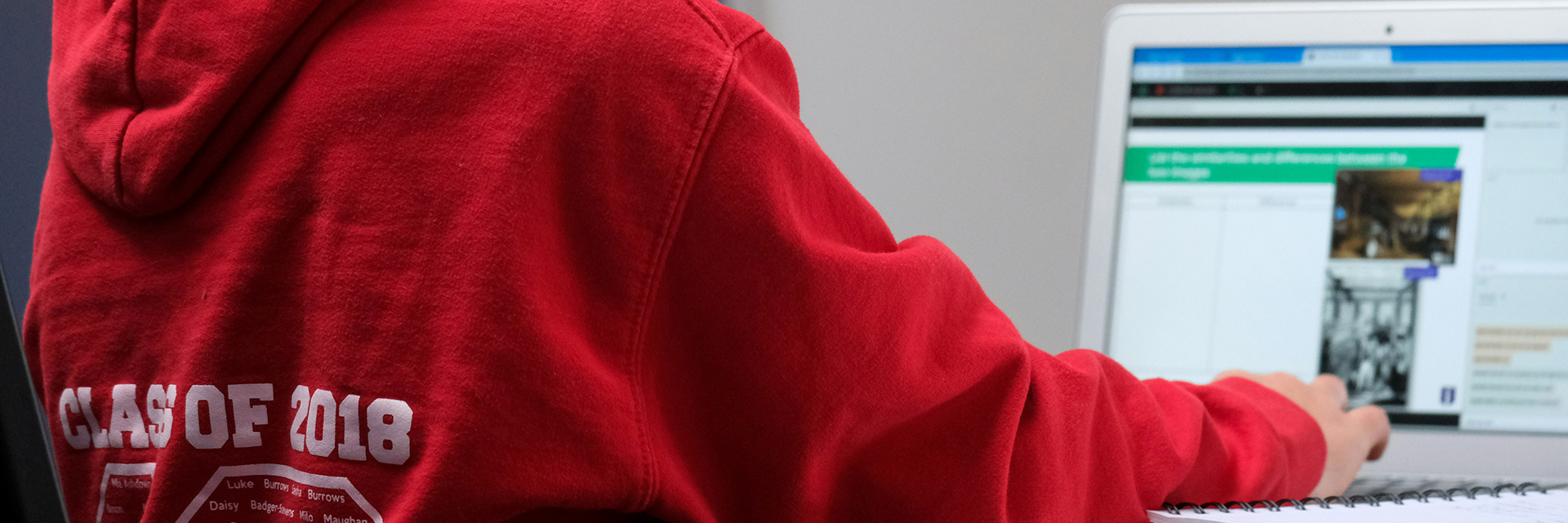
This 3rd-grade technology lesson focuses on teaching students the principles of digital citizenship and raising awareness about cyberbullying. Over the course of 60 minutes, students will engage in discussions to define digital citizenship and explore the impact of cyberbullying through the viewing of a brief video. They will participate in group activities that involve role-playing various online scenarios, allowing them to practice responding positively to both friendly and unkind interactions.
As a class, students will brainstorm and document ways to foster a kind digital community, culminating in the creation of a collective poster displaying their ideas. To solidify their commitment to being respectful online, each student will sign a cyberbullying pledge. The lesson aims not only to inform students about the importance of kindness in digital interactions but also to equip them with strategies for addressing and preventing cyberbullying. Assessment will involve monitoring participation and reviewing pledges, with options for extending learning through creative projects related to digital safety.
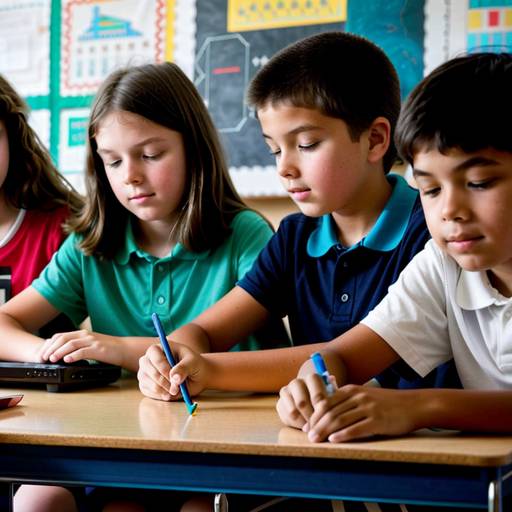
In this 5th-grade technology lesson, students will explore the concepts of digital citizenship and digital footprints. The session begins with an engaging discussion about responsible online behavior and its impact on themselves and others. Students will learn about digital footprints, including what they are, how they are created, and why it's crucial to maintain a positive one.
To enhance their understanding, students will watch a brief video that illustrates these concepts and engage in brainstorming sessions to identify elements of their own digital footprints. They will complete a worksheet designed to prompt self-reflection on their online presence and share their insights in small groups.
The lesson concludes with a review of key points, the opportunity for students to ask anonymous questions about digital citizenship, and an emphasis on thinking critically before posting online. As a home connection, students are encouraged to discuss these topics with their families. The lesson will be assessed through observation and worksheet completion, and there are opportunities for extensions to further reinforce these important concepts.

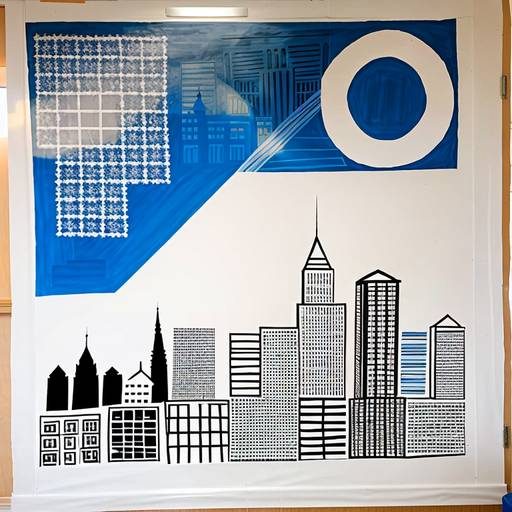
In this 2nd-grade art lesson, students will explore how to create a whimsical cityscape using basic shapes and lines. The session begins with a discussion about the components of a city and an exploration of how shapes like squares, rectangles, triangles, and circles can represent various buildings and features. After a demonstration on combining these shapes into a cohesive drawing, students will begin crafting their own imaginative cityscapes. They will outline their drawings in pencil, add details, and then use colored markers or crayons to bring their creations to life with vibrant colors. The lesson concludes with a gallery walk where students can share their work and offer reflections on their art and that of their peers. Students will be assessed on their participation, creativity, and effective use of shapes and lines in their drawings. Additionally, extension activities may involve writing a short story about their city or creating a three-dimensional version using recycled materials. This engaging lesson fosters artistic skills while encouraging imagination and collaboration among young learners.

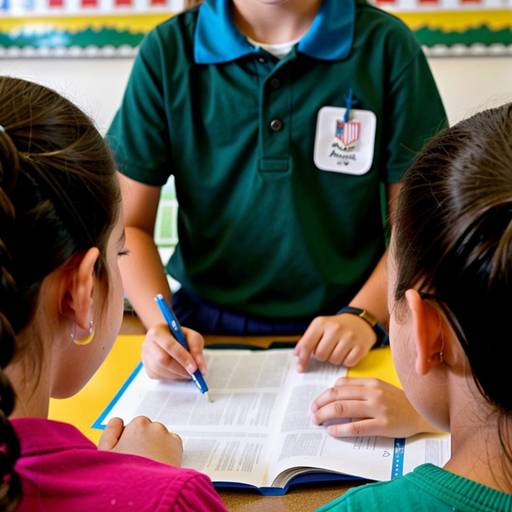
In this 3rd-grade Language Arts lesson, students will explore basic grammar concepts focusing on sentence structure. The lesson begins with a captivating read-aloud that introduces the importance of complete sentences in communication. Students will learn to identify subjects and predicates, understanding what constitutes a complete sentence, and the role of punctuation.
Through interactive discussions and guided activities, students will sort sentences and fragments, followed by an independent practice where they create their own complete sentences using provided subjects and predicates. The lesson closes with a sharing session, allowing students to present their work and reflect on the importance of using complete sentences. Assessment will be based on participation during activities and the accuracy of students' worksheets, with optional extended activities to reinforce learning further.