
Filters
Level
Grade
Subject
Subject Area
Subject Topic
Standard(s)
Audience
Keyword
DurationMinutes
Lesson Plans

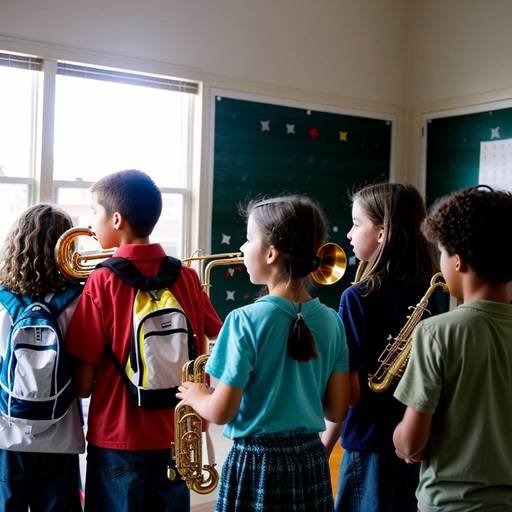
This 4th-grade music lesson focuses on introducing students to wind instruments and how they produce sound. The lesson begins with an interactive discussion, where students explore various wind instruments through pictures and share their prior knowledge. They then participate in a listening activity, where they hear audio clips of different instruments and articulate their impressions. The teacher demonstrates a wind instrument, explaining the technique for sound production, and if available, students can practice playing simple notes on recorders. A creative component allows students to illustrate their favorite wind instrument and identify various instruments discussed in class. The lesson concludes with a sharing session and a recap of key concepts. Assessment is based on student participation, completion of the worksheet, and ability to engage in sound production activities. Extensions include inviting a guest musician and organizing a "show and tell" day for further engagement with wind instruments. Overall, the lesson fosters appreciation and understanding of wind instruments in a fun and interactive manner.

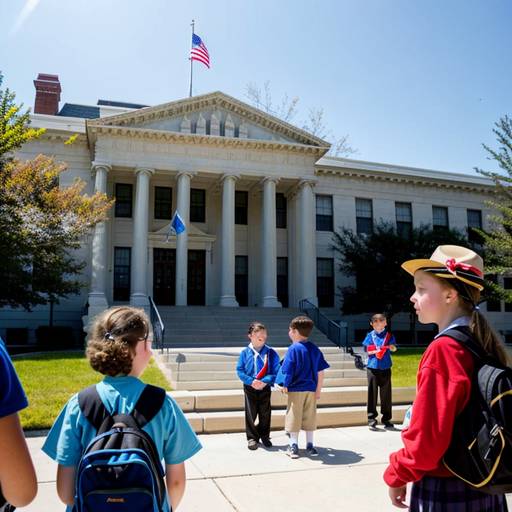
In this 5th-grade social studies lesson, students will explore key historical events that have shaped the United States and their significance in contemporary society. The lesson begins with group activities where students select and discuss various historical events, emphasizing their importance. This is followed by class presentations to share insights and a collective discussion on the connections between past and present.
For the second class period, students will research a chosen event in depth and create a visual timeline in collaborative groups. They will organize the events either chronologically or thematically while incorporating creative elements. The lesson culminates in group presentations of the timelines, fostering collaborative learning and reinforcing their understanding of how historical events continue to influence society today. The assessment will focus on participation, group collaboration, and the accuracy and creativity of the final timelines. Modifications and extensions are included to cater to diverse learning needs and enhance student engagement.


The lesson plan focuses on enhancing visual sensory development in infants aged 0-12 months through engaging and interactive activities. The session begins with an introduction to the importance of visual stimulation, followed by a series of activities designed to captivate the infants' attention.
Initially, caregivers are guided to present high-contrast toys to promote eye tracking and engagement. Next, a moving mobile is introduced, allowing infants to visually follow colorful shapes and patterns. Following that, colorful scarves are used to create motion and encourage exploration, while soft textured books with bold illustrations invite tactile interaction and auditory engagement through reading.
To conclude, the environment is dimmed to introduce LED lights or projectors that cast gentle moving patterns, complemented by mirrors that encourage infants to observe their own reflections. The session wraps up with a group reflection, where caregivers can share their observations and experiences. Additionally, follow-up activities are suggested to help caregivers continue promoting visual stimulation at home. Overall, the plan aims to foster a rich sensory environment that supports infants' visual development and strengthens caregiver bonds.

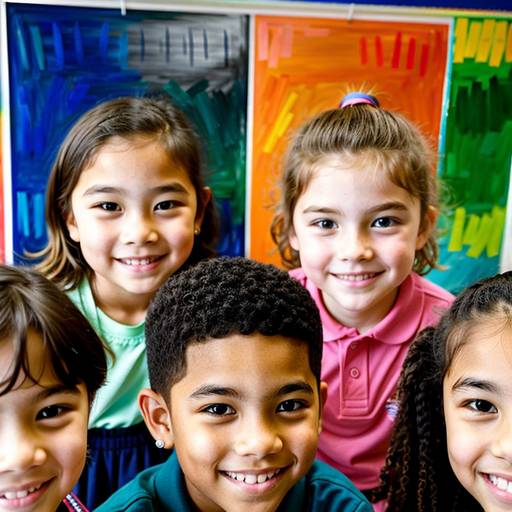
In this 1st-grade art lesson, students will explore the concepts of primary and secondary colors through hands-on painting activities. The lesson begins with a discussion about colors, encouraging students to share their favorites and observe the colorful world around them. A demonstration will follow, where the teacher showcases how to mix primary colors (red, blue, yellow) to create secondary colors (green, orange, purple), using a color wheel for visual reference.
In guided practice, students will create blocks of color on their construction paper, painting sections with both primary and mixed secondary colors. Following this, they will have the opportunity to independently create their own artwork using the colors they've made, allowing them to express their creativity.
The lesson wraps up with a sharing session where students present their artworks and explain the colors they've used. Assessment will focus on their engagement with the materials, understanding of color mixing, and the final artwork produced. Adaptations are available for varying skill levels, ensuring all students can participate and enjoy the exploration of color in art.


This lesson plan is designed for toddlers aged 2-4 to teach them the importance of brushing their teeth and practicing proper oral hygiene. The session begins with a discussion where children are encouraged to share their thoughts on why oral care is important. To stimulate engagement, a storybook about brushing teeth is read, followed by a demonstration of the correct brushing technique using a large mirror.
Children are then given child-sized toothbrushes and fluoride-free toothpaste to practice brushing on models or playdough teeth, with guidance provided to ensure they're using the correct methods. To reinforce learning, the group participates in a lively song about tooth brushing, incorporating movements that mimic brushing actions.
The session concludes with a recap of the brushing steps and the distribution of tracking charts for children to take home, encouraging parents to help establish a brushing routine. Throughout the lesson, participation and technique are observed to assess understanding, ensuring this fun and interactive approach fosters early self-care habits in young children. Adaptations are considered to meet the needs of all learners, promoting an inclusive environment.
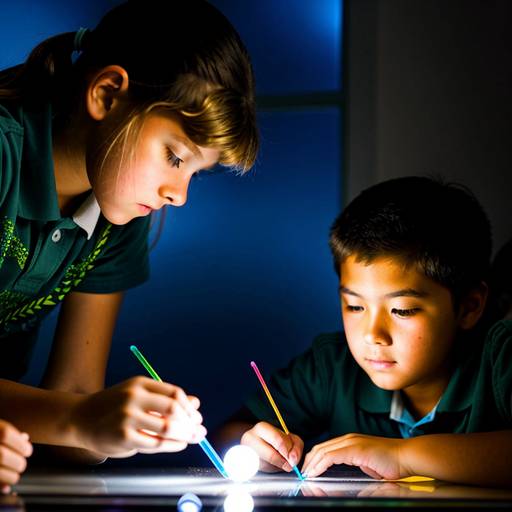
In this 4th-grade art lesson, students will explore the fascinating world of glass art and learn about the unique properties of glass, particularly how it interacts with light. The lesson begins with a discussion and visual presentation of various glass art forms, such as stained glass and blown glass. Students will then engage in a hands-on activity where they create their own artworks using colorful cellophane and plastic sheets, simulating the effects of light and color found in glass art.
Through guided practice, students will sketch their design ideas and learn techniques for layering materials to achieve depth and vibrancy. As they work independently, they will finalize their projects and observe how light reveals the beauty of their creations. The lesson concludes with a sharing session where students present their artwork, explaining their design choices and reflecting on their learning experience.
The lesson emphasizes creativity, critical thinking, and an appreciation of art while providing opportunities for future exploration and connection to local art resources. Adjustments and extensions are available to accommodate different skill levels and enhance the learning experience.
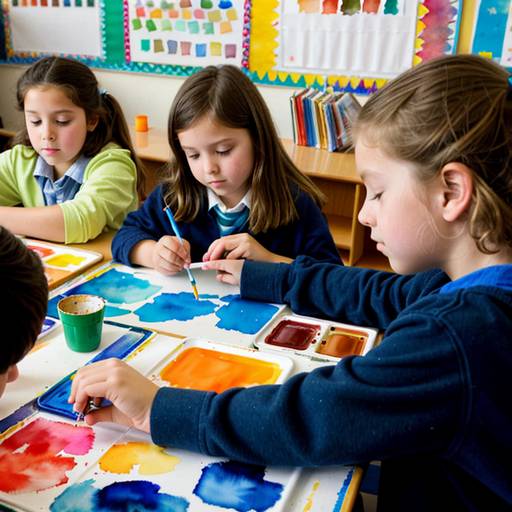
In this engaging 4th-grade art lesson, students will explore the world of watercolor painting by learning fundamental techniques such as wet-on-wet and wet-on-dry application, as well as gradient blending. The session begins with an introduction to various watercolor styles through visual examples, followed by a demonstration where the teacher showcases how to mix colors and execute the different techniques effectively.
Students will then have the opportunity to create their own original artwork on watercolor paper, encouraged to think creatively about themes such as nature or emotions. As they paint, they will apply the techniques they learned, experimenting with color mixing and brushwork.
Throughout the activity, the teacher will circulate, providing support and positive feedback. Upon completion, students will share their creations with a partner and have the chance to present their work to the class, discussing their artistic choices and experiences. The lesson concludes with a cleanup session and a reflection on the skills learned, allowing students to express their enjoyment and new insights gained from the painting process. Overall, this lesson promotes creativity, artistic expression, and a hands-on understanding of watercolor techniques.
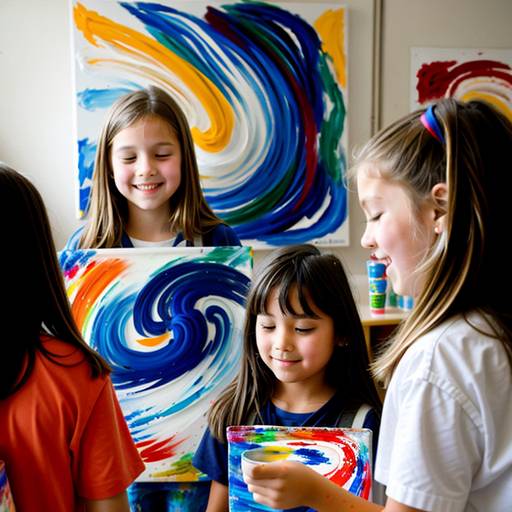
In this 2nd-grade art lesson, students will explore the relationship between emotions and colors through various painting techniques. The lesson begins with a discussion about different emotions and how specific colors can represent them. Students will learn techniques such as wet-on-wet, dry brushing, layering, and sponge painting through demonstrations. After practicing these techniques in small groups, students will create their own emotion-themed paintings, using their chosen colors and techniques to reflect their feelings. A gallery walk will allow students to display and share their artwork with peers, fostering a supportive environment for discussion. The lesson aims to enhance students' understanding of color theory and encourage creative expression while providing opportunities for both guided and independent artistic exploration. Assessment will focus on students' experimentation with techniques and their ability to connect their artwork to the emotions discussed. Adjustments will be made based on student feedback and engagement.
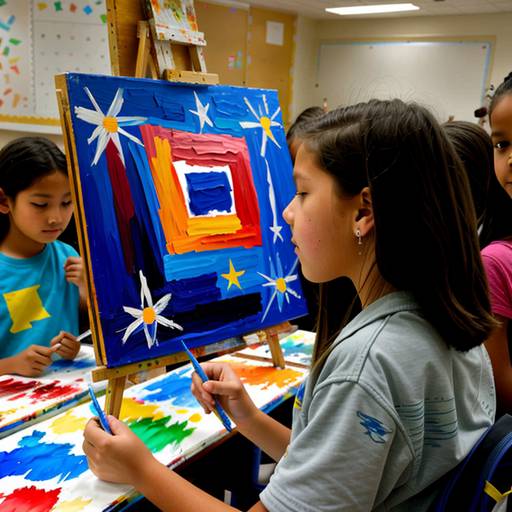
In this 5th-grade art lesson, students will explore various painting techniques to create imaginative landscapes. Over two class periods, they will gain an understanding of methods such as wet-on-wet, dry brush, sponging, and splattering. The first class will involve a discussion about different techniques, a demonstration, and time for students to sketch their landscape ideas. In the second class, they will paint their landscapes using at least three of the techniques learned, encouraging creativity and experimentation. Students will share their artwork with peers, discussing their processes and inspirations. The lesson aims to enhance their understanding of texture, color mixing, and artistic expression while fostering engagement and collaboration. Assessment will focus on their application of techniques, creativity, and effort, with opportunities for extensions and adaptations to meet diverse learning needs.
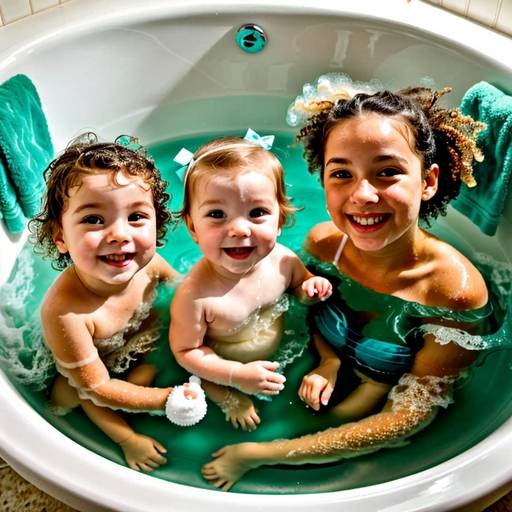
This lesson plan is designed for toddlers, focusing on the importance of hygiene and self-care through an engaging and interactive bath time experience. The session begins with a discussion about bath time, followed by a story that highlights hygiene practices. Students will learn the steps of bathing through a demonstration using picture cards and then participate in a supervised water play activity, allowing them to explore with soap and bath toys. The lesson wraps up with a group discussion to reinforce what they've learned and includes a craft activity where children can express their creativity by coloring bath-themed pictures. The overall goal is to promote positive hygiene habits while ensuring a fun and safe environment for the children. Safety precautions are emphasized throughout the lesson, with close supervision during all activities.