
Filters
Level
Grade
Subject
Subject Area
Subject Topic
Standard(s)
Audience
Keyword
DurationMinutes
Lesson Plans

This lesson plan is designed for 4th-grade students to develop essential internet skills and understand the importance of internet safety. The session begins with an engaging introduction where students share their online interests, leading to a discussion on safe and responsible internet use.
A key presentation outlines crucial safety tips, such as protecting personal information, recognizing reliable sources, and understanding online privacy settings. Students then participate in a guided practice activity where they analyze various websites in groups, using a provided checklist to determine reliability, followed by presentations of their findings.
In the independent practice segment, students create posters highlighting an internet safety tip, allowing for creativity and reinforcing their understanding of the concepts discussed. The lesson concludes with a review of key takeaways, and students receive handouts summarizing important internet safety guidelines.
Assessment consists of observations during group activities and evaluations of the safety posters. The plan also includes extensions for advanced learners and accommodations for students with special needs, ensuring all students are supported in grasping the critical lessons about navigating the internet safely.
In this 3rd-grade technology lesson, students will learn essential skills for using the internet safely and responsibly. The session begins with a discussion about the internet and its uses, followed by an engaging video that emphasizes key safety tips, such as protecting personal information and identifying trustworthy websites. Students will then participate in an interactive discussion to reinforce the importance of internet safety.
Next, they will practice safe search techniques by collaboratively searching for information online. In small groups, students will analyze scenario cards depicting various online situations—some safe and some unsafe—and share their conclusions with the class. The lesson concludes with reflections where students will express one new thing they've learned about internet safety.
Assessment will be based on student participation and understanding, as demonstrated through discussions and reflections. Extensions include a homework assignment to create an "internet safety poster" and the potential for inviting a guest speaker to further discuss online safety in future classes. Overall, this lesson equips students with foundational knowledge and skills to navigate the internet securely.

This lesson plan focuses on teaching 2nd-grade students essential internet skills and the importance of online safety. Students will engage in discussions about their experiences with the internet and learn fundamental safety rules, such as protecting personal information and interacting respectfully online. Through guided activities, including role-playing scenarios, students will apply these safety principles in practical situations. They will then create colorful posters to illustrate a specific internet safety rule, reinforcing what they have learned. The lesson concludes with a review and distribution of handouts that students can share with their families, ensuring the continued importance of discussing online safety at home. The overall goal is to empower young learners to navigate the digital space confidently and responsibly.
This lesson plan for 5th-grade students focuses on developing essential internet skills and online research techniques. The objective is to teach students how to effectively conduct research by utilizing search engines, evaluating the credibility of sources, and identifying reliable information. The lesson begins with a group discussion about the importance of accurate online information, followed by direct instruction on effective keyword use and source evaluation using a provided checklist.
Students will engage in guided practice through an interactive search activity, working in small groups to research assigned topics and assess their sources for credibility. After this collaborative activity, students will individually select a topic for a research project, applying their newly acquired skills to find and evaluate credible sources. The lesson concludes with a reflection on what they learned and emphasizes the importance of responsible digital citizenship.
Throughout the lesson, student understanding will be assessed through observation during group discussions and the completion of source evaluations. Differentiation strategies will accommodate diverse learning needs, and extensions will encourage further exploration of research tools and presentation methods. Overall, the lesson fosters critical thinking and prepares students for more advanced research tasks in the digital age.

This 5th-grade technology lesson focuses on teaching students about digital citizenship and online safety. The objectives include understanding the importance of being a responsible digital citizen, learning how to protect personal information, recognizing safe online behaviors, and knowing how to report inappropriate content. The lesson begins with an engaging video introduction, followed by a discussion to define digital citizenship.
Students participate in a direct instruction section that covers key online safety guidelines, presented through a PowerPoint slideshow. In small groups, they analyze various scenarios related to online interactions, discussing appropriate responses based on their learning. Students then create individual online safety plans using a checklist to incorporate strategies they've learned.
The lesson concludes with a recap of key points and a Q&A session to address any questions. Assessment is conducted through group presentations and reviewing personal safety plans. Extensions for further learning include resources for continued education on the topic and potential guest speakers. Overall, this lesson aims to empower students with the knowledge and skills to navigate the digital world safely and responsibly.

In this first-grade technology lesson plan, students will explore the concepts of digital citizenship and online safety. The lesson begins with a discussion about their online activities, encouraging active engagement. Students will watch short, age-appropriate video clips that introduce key topics such as keeping personal information private, recognizing safe online interactions, and identifying trusted websites.
Following this, the class will enjoy a story that illustrates online behavior, prompting an interactive dialogue about what the characters did right and wrong. During a group activity, students will categorize different online scenarios as safe or unsafe, fostering critical thinking around their online choices.
To conclude, students will individually create a drawing of their favorite safe online activity, along with a written explanation. The lesson wraps up by summarizing the main points and providing resources to reinforce the importance of responsible behavior in the digital world. Overall, the lesson aims to equip young learners with the foundational skills and understanding they need to navigate online spaces safely and responsibly.

In this 3rd-grade technology lesson, students will gain foundational skills in using search engines to find information online. The session begins with an engaging discussion about the students' experiences with the internet, followed by a direct instruction segment that introduces the concept of search engines and the importance of keywords and evaluating source credibility. Students will then participate in a guided group activity where they will practice searching for answers to specific questions, promoting collaboration and active learning.
Afterward, they will complete an individual "Safe Searching" worksheet that reinforces concepts of internet safety and the evaluation of online sources. The lesson concludes with a class discussion that allows students to reflect on their learning. Assessment will be based on worksheet completion and group participation during activities. Extensions include introducing more advanced search techniques and creating a classroom display of safe searching tips.

This lesson plan focuses on enhancing toddlers' gross motor skills through engaging swinging activities. Designed for children aged 2-4 years and lasting 30 minutes, it begins with a warm-up stretching routine using imaginative movements that encourage bodily readiness.
The lesson introduces swinging techniques, demonstrating how to swing safely and effectively. Children are divided into small groups based on their comfort levels, with supportive guidance provided for those who need it. Engaging games, such as swinging while attempting to kick a soft ball or reach for objects, enhance coordination and balance.
The session concludes with a cool-down period where children can reflect on their experiences and discuss their feelings about swinging. Overall, the plan promotes physical development, spatial awareness, and social interactions among toddlers. Safety measures are emphasized throughout the activities to ensure a secure and pleasant environment. Extensions to the lesson include incorporating storytelling and additional motor skill challenges to further enrich the experience.
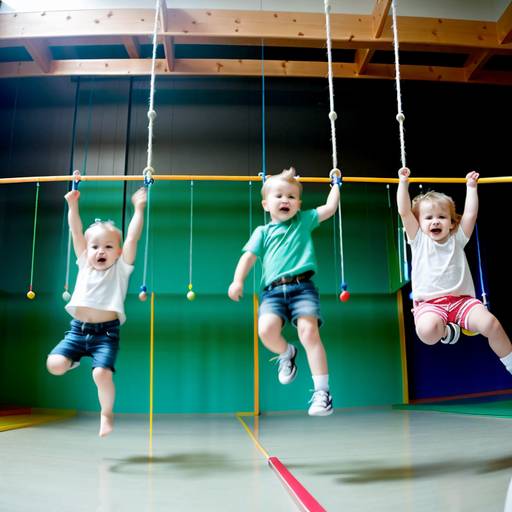
In this toddler lesson plan, young children will develop their gross motor skills, coordination, and balance through a series of interactive swinging activities. The session begins with an introduction to the concept of swinging, supplemented with visual aids. A warm-up involving gentle stretches prepares their bodies for movement.
Participants will then individually swing in bucket swings while practicing holding on and looking around to enhance their balance. As they gain confidence, they will use colorful scarves or ribbons while swinging to encourage creativity and hand-eye coordination.
A group game incorporates music, allowing children to swing and freeze when the music stops, helping them understand rhythm and movement. The lesson concludes with a cool-down routine, promoting relaxation and reflection on their swinging experience. Throughout the activities, careful supervision ensures safety and inclusion for all children, making it a fun and engaging session focused on movement and physical development.
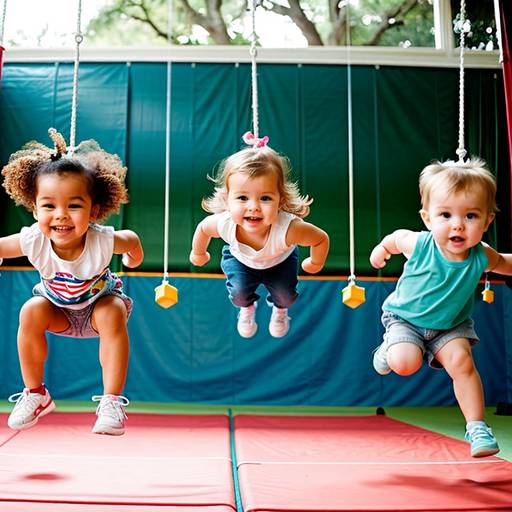
This lesson plan focuses on enhancing toddlers' gross motor skills through engaging swinging activities. Designed for children aged 2-3, the session lasts 30-45 minutes and aims to develop strength, balance, coordination, and spatial awareness.
The lesson begins with a fun introduction to swinging, followed by a warm-up that includes mimicking swinging motions while moving in a circle to lively music. Children then have the opportunity for individual swinging time, where they can practice pumping their legs and feeling the joy of being in the air. Group swinging encourages social interaction and cooperation as they hold hands while swinging together.
To further develop their motor skills, toddlers participate in a ball toss while seated on the swings and walk while balancing lightweight scarves on their heads. The session concludes with a group reflection where children express their feelings about swinging, complemented by a gentle cool-down stretching routine that mimics swinging movements.
Safety measures are emphasized throughout the activities, ensuring constant adult supervision and age-appropriate equipment. This playful exploration allows toddlers to build essential gross motor skills in a fun and supportive environment.