
Filters
Level
Grade
Subject
Subject Area
Subject Topic
Standard(s)
Audience
Keyword
DurationMinutes
Lesson Plans

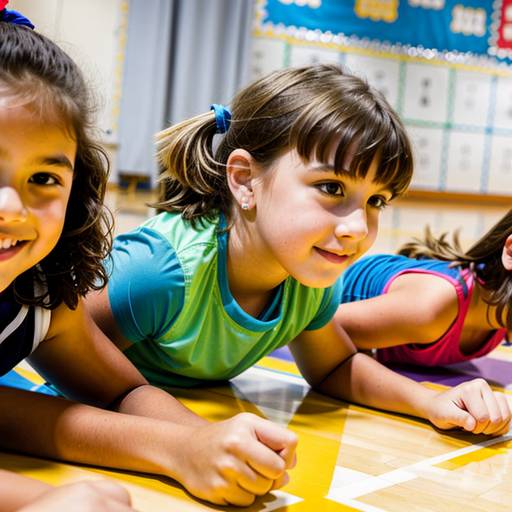
In this 45-minute physical education lesson designed for 2nd graders, students will explore concepts of fitness and strength through a series of engaging activities. The lesson begins with a dynamic warm-up that includes jumping jacks, arm circles, high knees, and stretching exercises to prepare their bodies for movement.
Following the warm-up, the instructor will introduce students to the importance of strength and its benefits for everyday activities. Students will then be divided into small groups and rotate through five distinct activity stations, each focusing on different strength-building exercises: push-ups, squats, plank holds, ball tosses, and jump rope activities. Each station will allow students to practice for a set time before transitioning to the next.
After completing the circuit, the class will reconvene for a cool-down period that includes gentle stretches and deep breathing exercises to relax their muscles. The lesson will conclude with a reflection discussion, encouraging students to share their experiences and thoughts about the activities they completed and how they can incorporate strength exercises into their daily lives. Throughout the lesson, students will learn valuable physical skills while fostering teamwork and promoting a positive attitude toward fitness. The instructor will assess participation and proper form during activities to ensure understanding and engagement. Adaptations will be provided for students with varying physical abilities, promoting inclusivity and support among peers.

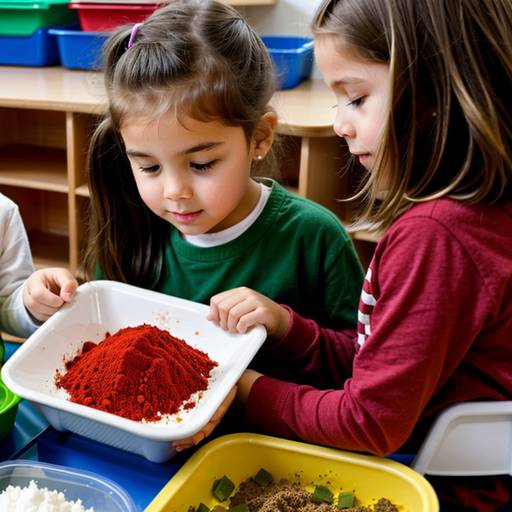
This preschool lesson focuses on introducing young children to health and nutrition through engaging activities that promote understanding of healthy foods. The session begins with a circle time discussion, where children explore different types of healthy foods, learning about their benefits for the body. As part of the lesson, students participate in a food exploration activity using flashcards to categorize fruits, vegetables, grains, proteins, and dairy.
Following the exploration, there is a snack tasting segment where children sample various healthy foods, discussing their colors, flavors, and preferences, which reinforces sensory awareness. To encourage creativity, children then color activity sheets featuring healthy foods, sharing their favorite choices during the process. The lesson concludes with a wrap-up discussion, emphasizing the importance of healthy eating for overall well-being.
Throughout the lesson, teachers assess student engagement and understanding based on participation in discussions and activities. Extension opportunities are suggested to further reinforce healthy eating concepts in the classroom. This approach creates a fun and interactive environment for preschoolers to learn about nutrition and develop positive eating habits.
This lesson plan for 4th grade students focuses on educating them about digital citizenship and online safety. It aims to help students understand their rights and responsibilities when using technology, emphasizing respectful online behavior and the importance of protecting personal information.
The lesson begins with a discussion about what it means to be a good digital citizen, followed by an engaging presentation that explores concepts such as safe sharing and recognizing credible sources. Students participate in a role-playing activity where they address various online scenarios, developing solutions based on their learnings. They will also create posters illustrating key ideas about online safety and respectful behavior.
The lesson concludes with a wrap-up discussion to reinforce the concepts learned and a take-home reflection sheet that encourages students to apply their knowledge at home. Assessment will be based on group discussions, poster creations, and individual reflections. Through this comprehensive approach, students gain the skills and understanding needed to navigate the digital world responsibly.

This lesson plan for 4th-grade students focuses on developing essential internet skills and email etiquette. The session starts with a discussion about online safety, emphasizing the importance of protecting personal information and recognizing secure websites. Students learn about digital footprints and the risks of interacting with strangers online. The lesson then introduces the components of an email, highlighting the significance of polite communication, appropriate greetings, and the importance of proofreading before sending messages.
During guided practice, students work in groups to analyze various scenarios related to email communication, discussing their appropriateness based on etiquette principles. In the independent practice segment, each student composes a draft email, applying the skills learned. The lesson concludes with a recap of key concepts, encouraging students to share their insights and practice these skills in their daily lives. Assessment is conducted through class discussions, group activities, and the review of students' drafted emails. Suggestions for extensions and accommodations ensure that all learners can engage effectively with the material.

This lesson plan aims to teach 4th-grade students essential internet skills and the concept of netiquette, emphasizing respectful online communication. Students will begin by discussing their experiences with the internet and then learn key netiquette rules through a presentation and group activities. They will evaluate example messages to identify appropriate and inappropriate online communication practices. Following this, students will individually write a respectful email to a fictional pen pal, incorporating the principles they've learned. The lesson concludes with a summary discussion, allowing students to reflect on applying netiquette in their online interactions. Assessment will be based on their written emails and active participation during group discussions. Extension activities encourage students to explore safe websites and reflect on their experiences with netiquette. Overall, the lesson empowers students to navigate the digital world responsibly and positively.
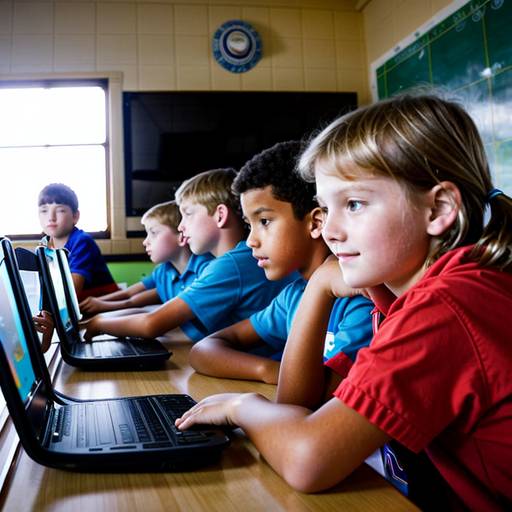
Students will work in small groups to identify what types of information are safe to share online, promoting critical thinking about privacy. Following this, the teacher will demonstrate how to access and adjust privacy settings on a popular platform, highlighting key features that protect personal information.
In a hands-on activity, students will then navigate the platform themselves to practice adjusting their privacy settings. The lesson concludes with a reflective discussion, where students share insights and take home a handout summarizing safe online practices. Participation in discussions, successful completion of hands-on tasks, and exit tickets will be used for assessment. Adaptations and extensions are also included to support diverse learners and deepen understanding. Overall, the lesson aims to empower students with the skills and knowledge to use the internet safely and responsibly.

In this 5th-grade technology lesson, students will explore important internet skills and the principles of netiquette. The lesson begins with a discussion about their online experiences and the significance of staying safe on the internet. Students will learn how to identify trustworthy websites, recognize potential online dangers, and understand privacy settings. The concept of proper online communication will also be introduced, emphasizing the need for respect and kindness in digital interactions.
To reinforce these concepts, students will participate in a group activity where they analyze hypothetical internet scenarios. They will identify potential threats and discuss appropriate responses, highlighting relevant netiquette guidelines. Each group will present their findings to the class. The lesson concludes with a discussion to reflect on what they learned and how they can apply these skills in their online activities, along with a homework assignment requiring them to write about their plans for safe internet use at home. Assessment will focus on participation, group presentations, and their written reflections.

This lesson plan focuses on teaching 5th-grade students essential internet skills and the importance of privacy settings. The objectives include identifying the significance of internet safety, learning how to adjust privacy settings on popular platforms, and understanding the risks associated with sharing personal information online.
The lesson is structured to begin with a discussion about students' internet usage, followed by direct instruction on privacy settings through a slideshow presentation. Students will then engage in guided practice in small groups, investigating the privacy settings of specific online platforms with handouts to assist them.
Next, they will apply their knowledge through real-life scenarios that prompt them to consider how they would handle various online interactions, encouraging group discussion and collaboration. The lesson concludes with a recap of key points, reinforcing responsible online behavior. Assessment will be based on participation, with extensions available to deepen learning. For homework, students are tasked with reviewing their own social media accounts' privacy settings and reflecting on their experiences.

This lesson plan is designed for 5th-grade students and focuses on teaching essential internet skills and safety. Students will learn how to use search engines effectively, differentiate between reliable and unreliable sources, and understand the importance of online safety, including protecting personal information and recognizing suspicious websites. The lesson includes direct instruction, group activities such as role-playing scenarios to address various online situations, and creating informative posters on internet safety tips. The class will conclude with a recap and a Q&A session to reinforce understanding. Assessment will be based on group participation and the content of the safety posters, with the option for a follow-up quiz to evaluate retention. Additional resources are provided to further enhance learning. Overall, the lesson aims to equip students with the knowledge and skills to navigate the internet confidently and safely.

In this preschool lesson plan, students will be introduced to essential concepts of internet safety through engaging storytelling, interactive discussions, and hands-on activities. The session begins with a brief introduction to the internet, framing it as a space for exploration and learning. A storybook that focuses on online safety will be read aloud, highlighting key points such as the importance of not sharing personal information and recognizing safe online interactions.
Following the story, educators will facilitate a discussion that encourages students to think critically about safe and unsafe scenarios they might encounter online, using smiley and frowning face printouts to visually represent their understanding. To reinforce the concepts, students will learn a fun song about internet safety, incorporating movement to enhance engagement.
The lesson concludes with a creative craft activity where children will design posters or collages depicting safe and unsafe online behaviors, which will be displayed in the classroom. Throughout the session, educators will assess students' understanding through participation and observation, while also encouraging parental involvement to extend learning at home. The overall goal is to promote awareness and safe practices for young children in an increasingly digital world.