
Filters
Level
Grade
Subject
Subject Area
Subject Topic
Standard(s)
Audience
Keyword
DurationMinutes
Lesson Plans

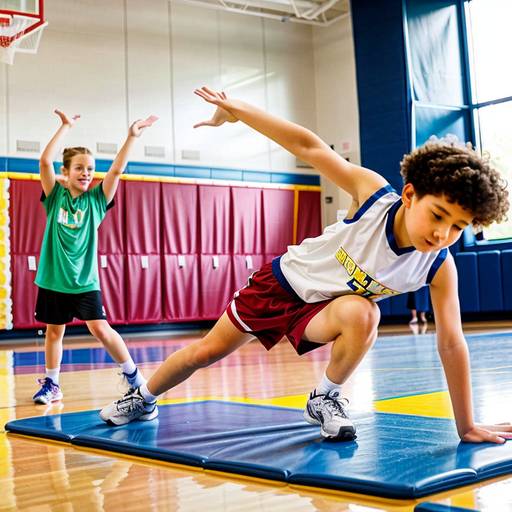
This lesson plan focuses on teaching fifth-grade students the significance of fitness and flexibility through engaging activities. The 45-minute session begins with dynamic warm-up exercises designed to prepare students for stretching. Students will rotate through four different stretching stations, each emphasizing various muscle groups, such as upper body, lower body, core stability, and partner stretches. Through these activities, students will practice proper stretching techniques while improving their flexibility.
The lesson includes a reflective component where students can share their favorite stretches and discuss the benefits of flexibility. A short cool-down period with guided relaxation will help students wind down. At the end of the session, students receive handouts outlining different stretches and their benefits to encourage at-home practice. The lesson is designed to promote physical fitness and injury prevention, catering to the diverse needs of students through modifications and collaborative activities. An optional extension activity invites parents to participate in a workshop, further emphasizing the importance of flexibility in daily life.
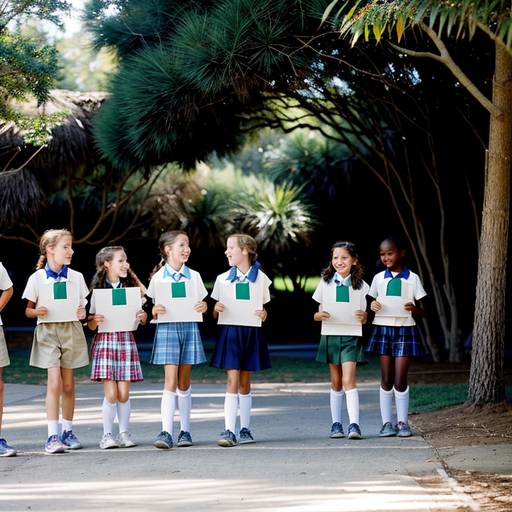
In this 1st grade physical education lesson focusing on fitness and flexibility, students will engage in a variety of interactive activities designed to promote movement and increase flexibility. The lesson begins with an introduction to the concept of flexibility and its benefits, followed by a warm-up involving creative animal-themed stretches that encourage participation and fun.
Students will then participate in a relay race where they visit different stations to perform specific stretches and fitness activities, fostering teamwork and active engagement. Optional parachute exercises may be included to further enhance coordination and group dynamics.
The lesson concludes with a calming cool-down session that incorporates gentle stretches and deep breathing exercises, allowing students to reflect on their learning. Throughout the lesson, observational assessments will be utilized to ensure students are practicing movements safely and effectively. The overall goal is to instill an understanding of the importance of flexibility in a joyful and active environment.

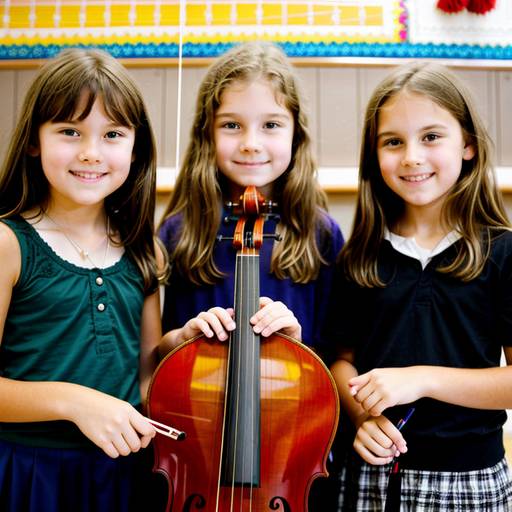
This music lesson plan for 3rd graders focuses on exploring string instruments and their unique characteristics. Students will begin with a warm-up song followed by an introduction to various string instruments through visual aids and audio clips. Engaging discussions will highlight the sounds and features of each instrument.
During a hands-on activity, students will work in small groups to create their own simple string instruments using rubber bands and cardboard boxes, allowing them to experiment with sound production. The lesson will conclude with a reflective discussion where students share what they’ve learned and complete a worksheet where they draw and label a string instrument of their choice.
Assessment will include observation of student participation and creativity in group presentations, as well as reviewing the worksheets. To enhance the learning experience, potential extensions include inviting a guest musician to share insights about string instruments or organizing a themed day for students to showcase their own instruments. Overall, the lesson aims to foster engagement and appreciation for music and string instruments.
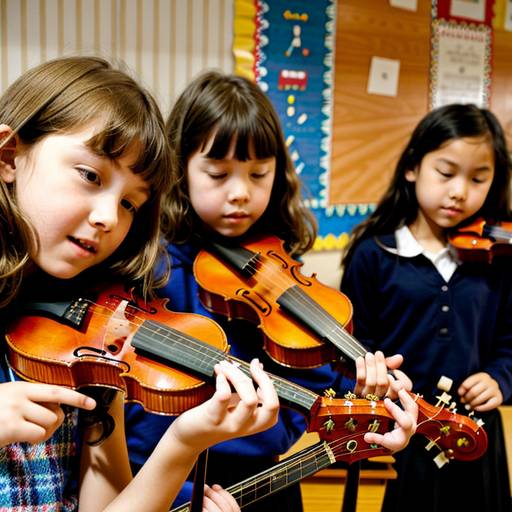
In this 45-minute music lesson for 3rd-grade students, learners are introduced to string instruments, including the violin, viola, cello, double bass, guitar, and harp. The lesson begins with a discussion about various musical instruments, followed by an exploration of how string instruments produce sound through vibrating strings. Students participate in a hands-on activity where they create their own simple shoebox guitars using cardboard shoeboxes, yarn, or rubber bands. They learn how the length and tension of the strings affect the sound produced. After constructing their instruments, groups share their creations with the class, demonstrating what they learned about sound production. The lesson concludes with a recap of key concepts, a discussion about student favorites, and an optional take-home worksheet for further reflection. Assessment is conducted through observation of participation and understanding, along with the evaluation of the take-home worksheets. Opportunities for extension include research projects on string instruments and potential guest musician visits. This interactive approach fosters creativity and engagement while teaching fundamental concepts related to music and sound.
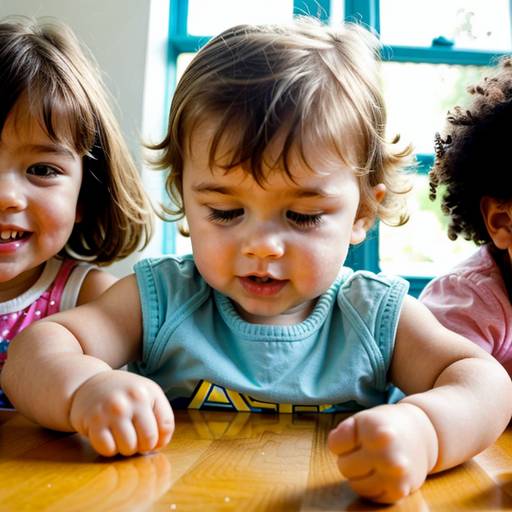
This lesson plan focuses on developing fine motor skills, strength, and grip in toddlers through engaging, hands-on activities. Over the course of 30 minutes, children will participate in various exercises designed to enhance hand strength and coordination. Activities include exploring playdough, using clothespins to transfer objects, sorting colorful pom-poms with tongs, rescuing animal figurines, and squeezing balloons. The lesson culminates in a creative art session where children draw with crayons, further reinforcing their grip and control. Throughout the session, children will practice essential skills while enjoying interactive, playful experiences, fostering both their physical development and enthusiasm for learning. Assessment is based on engagement and skill demonstration, with suggestions for extending activities in future lessons.
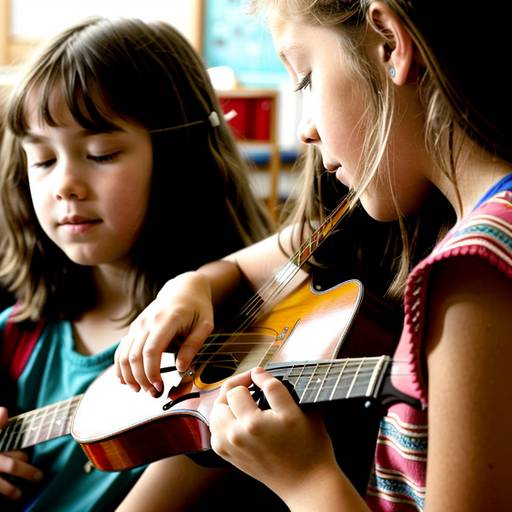
In this engaging music lesson for 3rd graders, students will explore the world of string instruments by identifying various types and understanding how sound is produced through their strings. The lesson begins with an interactive introduction, where students name instruments and listen to audio clips to appreciate their sounds.
Students will then learn basic playing techniques, including strumming and plucking, with the opportunity to experiment using simple string instruments, such as ukuleles or guitars. Afterward, they will work in small groups to create their own string instruments using craft materials, emphasizing the principles of sound production.
As a wrap-up activity, each group will present their instrument, demonstrating how it works and performing a simple pattern they practiced. The lesson concludes with a reflection activity where students draw their favorite string instrument and share what they learned, providing an assessment of their understanding. This lesson promotes collaboration, creativity, and a deeper appreciation for string instruments in music.

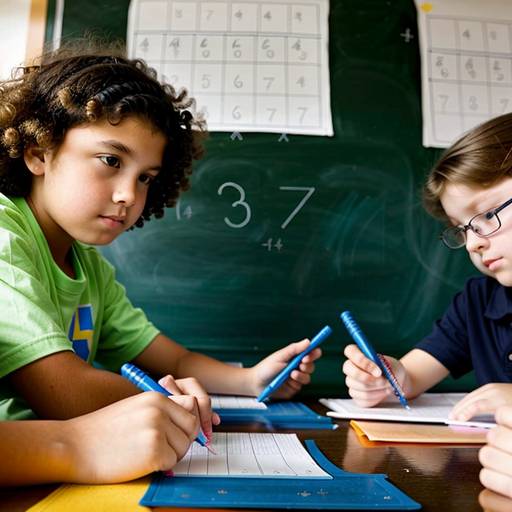
In this 5th-grade mathematics lesson, students will focus on understanding and mastering the process of subtraction. The objective is for them to grasp key concepts and apply various strategies to solve subtraction problems effectively. The lesson begins with a review of addition and its inverse relationship with subtraction, followed by discussions of real-life applications of subtraction.
The instructor will provide direct instruction, illustrating subtraction using a number line and manipulatives to reinforce learning. Students will engage in guided practice, working in pairs to solve problems and demonstrate their understanding. Independent practice will involve completing worksheets where students work on subtraction problems individually, showcasing their problem-solving processes.
Additionally, a fun interactive activity, specifically 'Subtraction Bingo,' will reinforce learning through collaboration and engagement. The lesson concludes with a review of key concepts, encouraging students to share their approaches and ensuring comprehension. Assessment will take place through observation, worksheet evaluations, and participation in the interactive activity. The overall goal is to create an engaging and supportive learning environment that fosters a solid understanding of subtraction.
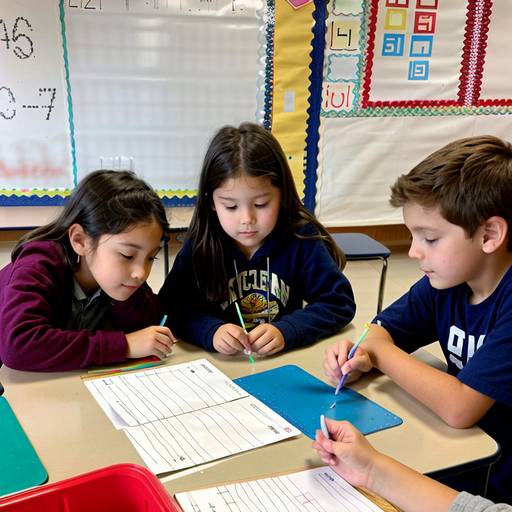
This math lesson for 3rd graders focuses on teaching subtraction through an engaging and interactive treasure hunt activity. Students will begin by reviewing fundamental subtraction concepts and strategies, using manipulatives and number lines to visualize the process. Following a mini lesson, they will be divided into small groups to solve subtraction problems that lead them to concealed treasures around the classroom. This collaborative effort encourages teamwork as they work together to find the answers, share their strategies, and help each other through challenges.
At the end of the activity, students will reflect on their experiences and the skills they learned, with a small prize awarded to each participant to reinforce their achievements. The lesson aims not only to enhance subtraction skills but also to foster a sense of community and collaboration among students while providing a fun and memorable learning experience.
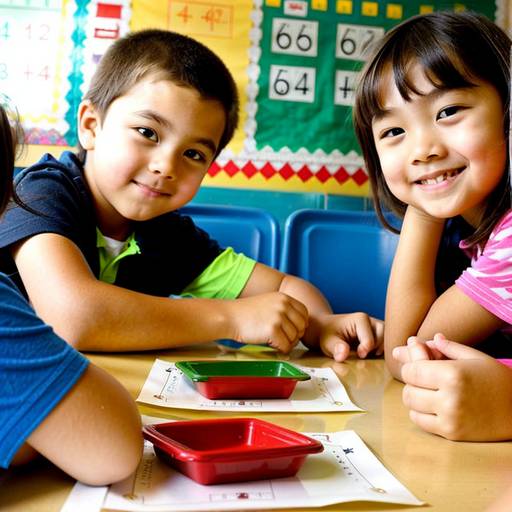
In this Kindergarten math lesson, students will explore the concept of subtraction as "taking away." The lesson begins with a story that illustrates subtraction in a fun and accessible way, engaging students through questions about the narrative. The teacher then explains subtraction using visual aids and manipulatives, demonstrating the concept on the whiteboard.
Students will participate in guided practice by using counting bears to solve simple subtraction problems, promoting hands-on learning. Following this, they will work independently on subtraction worksheets featuring visual problems, allowing them to apply what they have learned.
The lesson concludes with a class discussion where students can share their experiences and understanding, reinforcing their learning. Throughout the lesson, the teacher will assess student participation and understanding, providing support and praise as needed. Extensions are suggested for early finishers and for practicing subtraction at home, ensuring that the lesson is engaging and supportive of different learning needs. Reflection opportunities will help the teacher evaluate the effectiveness of the lesson and make adjustments for future classes.
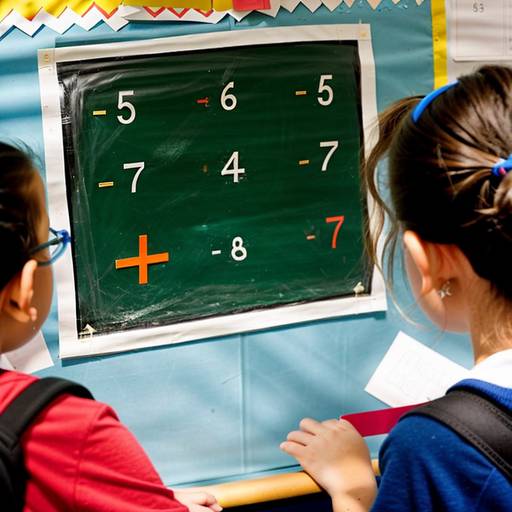
This 2nd-grade math lesson focuses on introducing and practicing the concept of subtraction. The lesson starts with a review of addition and transitions into subtraction, emphasizing it as taking away. Students will engage with manipulatives to visualize and solve simple subtraction problems involving numbers up to 20.
The lesson includes guided practice where students use manipulatives to work through subtraction problems together, followed by an independent practice session with worksheets that incorporate both visual aids and numeric problems.
To make the learning fun and interactive, students will participate in a treasure hunt where they find hidden treasures and solve subtraction problems written on each bag of treasure. This hands-on activity reinforces their understanding of subtraction in a real-world context.
The session concludes with a group discussion to reflect on what they learned, allowing them to share their experiences and strategies. Assessment will be conducted through observations during activities and the accuracy of their worksheet completion, with accommodations provided to meet diverse student needs and extensions suggested for further enrichment.