
Filters
Level
Grade
Subject
Subject Area
Subject Topic
Standard(s)
Audience
Keyword
DurationMinutes
Lesson Plans
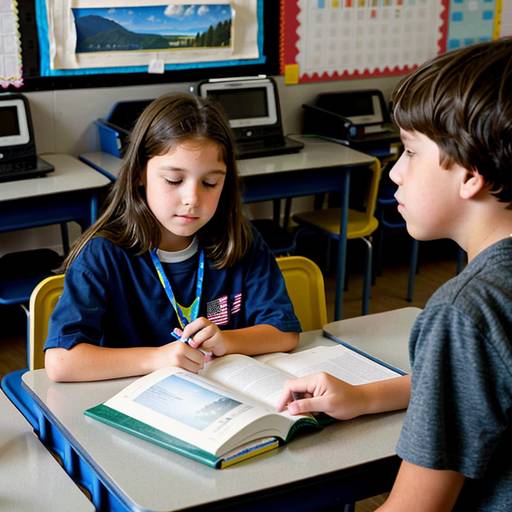
This lesson plan focuses on teaching 4th-grade students the fundamentals of multimedia creation and digital storytelling over the course of a week. Students will explore different elements of multimedia—such as text, images, sound, and video—and understand how these components come together to enhance storytelling.
Throughout five class sessions, they will engage in various activities, starting with brainstorming ideas and scriptwriting in pairs. They will then create storyboards and gather multimedia elements, ultimately using digital tools to craft their stories. The final class will involve presentations where each pair shares their creations with classmates, allowing for constructive feedback and discussion.
Assessment will be based on participation, the creativity and completeness of their digital stories, and a reflective writing assignment summarizing their experiences. The lesson also includes differentiation strategies to support various learners and offers extension activities to further community engagement.
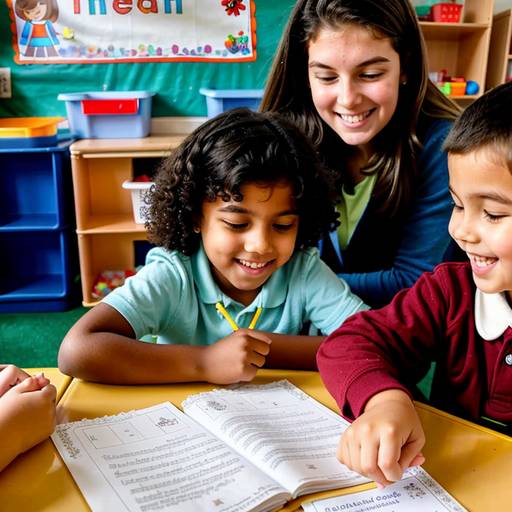
This preschool language lesson is designed to enhance children's storytelling abilities and develop early writing skills through engaging activities. It begins with a warm-up game that encourages sound recognition related to stories, followed by reading a captivating picture book to stimulate interest and discussion. Children are prompted to share their thoughts about the story, fostering comprehension and verbal expression.
Next, they participate in a collaborative storytelling activity, where each child contributes a sentence to create a unique group story, allowing for creativity and teamwork. After completing the story, children illustrate their favorite parts, reinforcing their understanding of narrative elements. They then engage in a writing readiness activity by selecting prompts to draw and write simple sentences, developing their writing skills with support as needed.
The lesson concludes with a sharing session, where children present their artwork and reflect on their experiences. The activities aim to instill a love for storytelling while promoting language development and writing readiness. Follow-up activities encourage ongoing exploration of storytelling both in the classroom and at home, helping to solidify the concepts learned. Assessment focuses on observation of participation and engagement in discussions and activities.
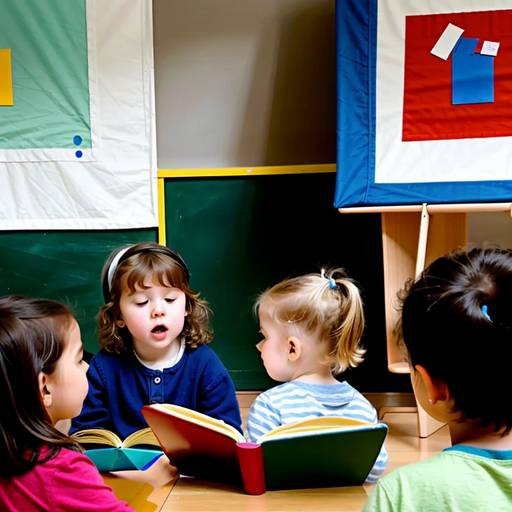
In this preschool language development lesson, children will embark on an interactive storytelling experience designed to enhance their listening and speaking skills. The session begins with a warm-up song to engage students, followed by a vote on which storybook to read. During the storytelling, the teacher will employ expressive narration and encourage student participation through questions and predictions.
Afterward, the children will collaborate to create sound effects for key moments in the story using small instruments, further enhancing their engagement. A vocabulary chart will introduce new words, fostering language comprehension as students contribute examples and meanings. The lesson culminates in a creative activity where children illustrate their favorite parts of the story or create their own characters, providing an opportunity to practice their speaking skills while sharing their artwork. The lesson concludes with a closing circle, where students share their thoughts, reinforcing their communication abilities in a supportive environment. This comprehensive approach emphasizes active participation, creative expression, and vocabulary building in a fun and engaging manner.
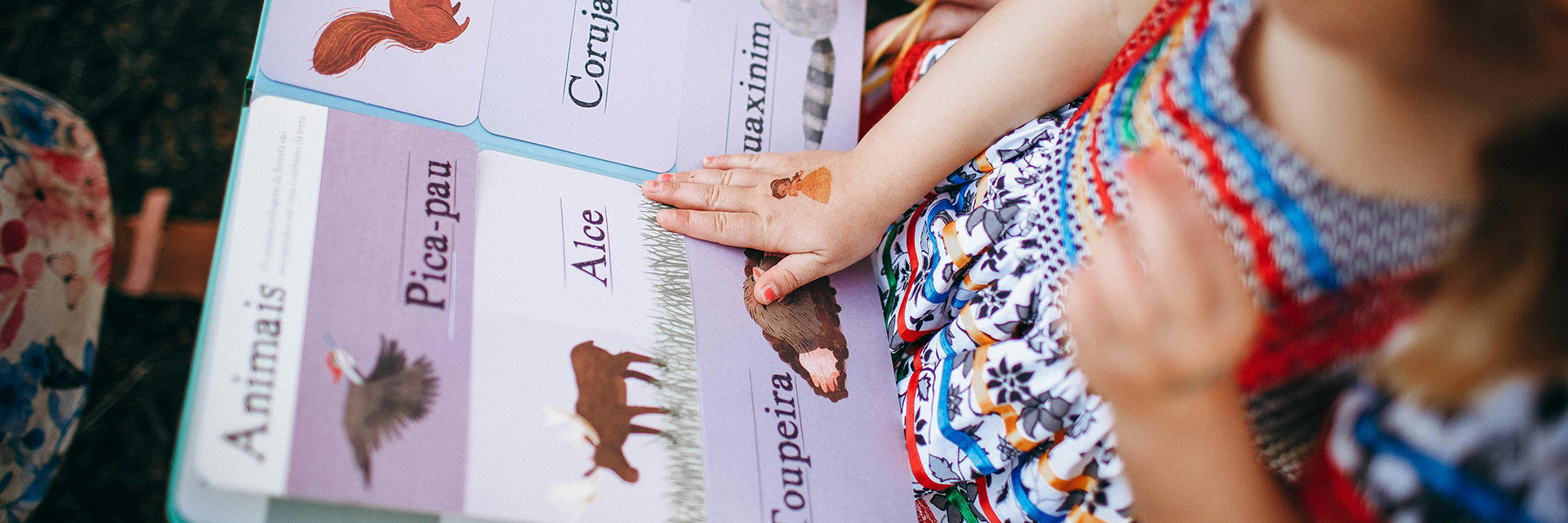
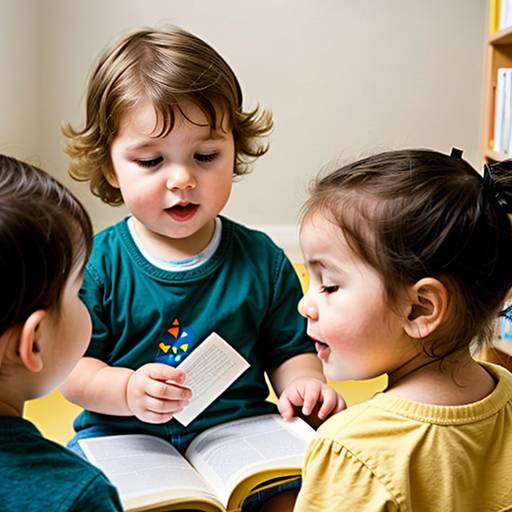
This lesson plan focuses on enhancing toddlers’ listening and comprehension skills through interactive storytelling and sound activities. The session begins with a welcoming circle and an introduction to the importance of listening. Children then gather for an engaging read-aloud using a vibrant storybook, where expressive storytelling and visual aids keep their attention while encouraging participation through open-ended questions.
Following the story, children get hands-on experience with soft musical instruments, mimicking sounds related to the story and participating in a fun “sound parade.” The lesson concludes with a wrap-up discussion, where children are invited to share their favorite parts of the story and specific sounds they remember. Finally, a goodbye song reinforces listening skills and provides closure.
Throughout the lesson, educators assess children's participation and comprehension through observation and engagement, ensuring an inclusive environment that adapts to varying needs for a rich learning experience.

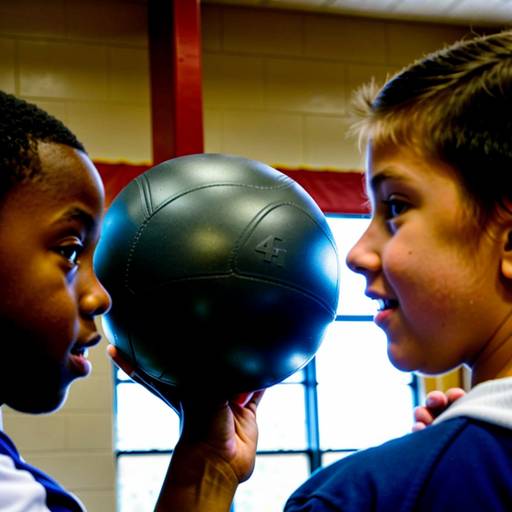
In this 4th-grade physical education lesson, students will engage in a variety of activities designed to enhance their fitness and strength. The class will begin with a dynamic warm-up routine to prepare the students' muscles, followed by a discussion on the significance of physical fitness and the concept of strength.
The main portion of the lesson consists of five different fitness stations, each focusing on a specific strength-building exercise, including push-ups, bodyweight squats, resistance band workouts, plank holds, and jumping jacks, allowing students to learn proper form and technique. Following this, students will participate in a fitness relay race that incorporates the exercises practiced at the stations, fostering teamwork and friendly competition.
The session will conclude with a cool-down period that includes stretching and reflection, where students can share their experiences and thoughts on the exercises. Throughout the lesson, student participation, effort, and form will be observed for assessment. Adaptations will be provided for students needing additional support, ensuring an inclusive and positive learning environment that promotes the importance of staying active and healthy.
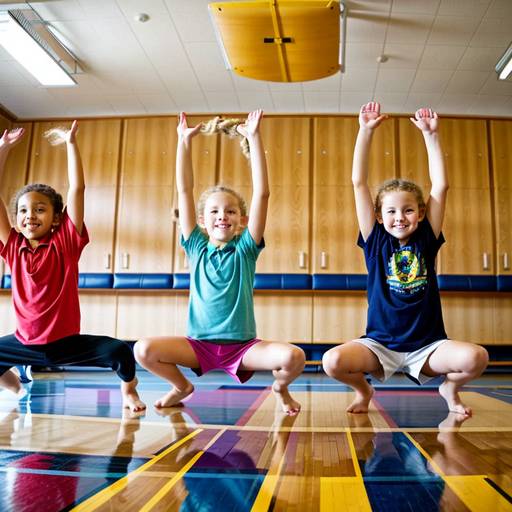
In this 3rd-grade physical education lesson, students will focus on improving their flexibility and understanding its importance in maintaining a healthy lifestyle. The session begins with a brief discussion on flexibility, followed by a dynamic warm-up involving a series of stretching exercises. Students will then rotate through multiple stretching stations, each targeting different muscle groups, allowing them to practice various stretches effectively. To enhance engagement, they will participate in a fun game of Freeze Tag, where tagged students must hold a stretching pose until helped by peers. The lesson concludes with a gentle cool-down routine, followed by a reflection on their experiences and a homework challenge to encourage daily stretching. Throughout the session, student participation, understanding, and adaptations for varying mobility levels will be observed to ensure an inclusive and enjoyable experience for all.
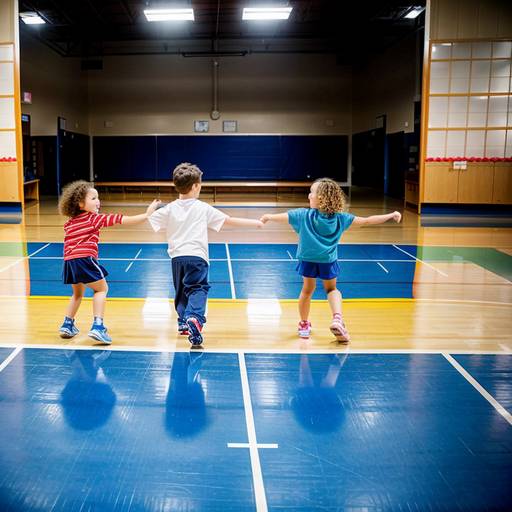
This Kindergarten Physical Education lesson focuses on introducing students to fitness and flexibility through engaging activities that promote movement and stretching. The session begins with fun warm-up exercises that mimic animal movements, followed by gentle stretching to prepare their bodies for activity.
Students then participate in a fitness circuit composed of several stations, each targeting different physical skills such as stamina, balance, and strength. Activities at these stations include jumping jacks, hula hooping, walking on a balance beam, and using stretchy bands for resistance exercises.
Following the circuit, the class gathers for a guided storytelling session that integrates movements and stretches related to the narrative. The lesson concludes with a cool-down period involving mindful breathing and full-body stretches to relax and reflect on the activities.
Throughout the lesson, students are encouraged to engage, participate, and discuss the importance of fitness and flexibility, fostering a positive and inclusive learning environment. Educators assess participation and understanding through observation and encourage teamwork and support among peers.
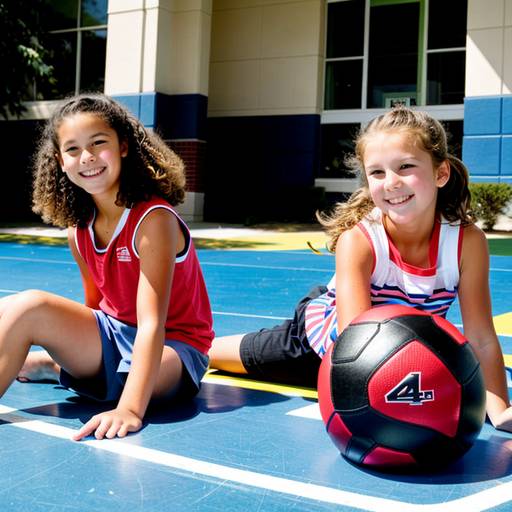
This physical education lesson plan for 4th graders focuses on the importance of fitness and flexibility. The session begins with an engaging discussion that introduces students to the concepts of fitness and flexibility, followed by a dynamic warm-up to prepare their bodies for exercise.
Students participate in stretching stations, where they learn various stretches designed to improve their flexibility, including the hamstring stretch, butterfly stretch, and quadriceps stretch. Each stretching activity is conducted in groups, allowing for collaboration and peer support.
Following the stretching stations, students engage in a fun relay activity that combines running and bodyweight exercises, reinforcing fitness concepts while promoting teamwork. The lesson concludes with a calm cool-down period where students reflect on their experiences and discuss what they learned.
The plan emphasizes proper technique, safe practices, and the importance of communication and feedback among peers, encouraging students to integrate fitness and flexibility into their daily routines.
In this 2nd-grade physical education lesson, students will explore the importance of fitness and flexibility through engaging activities and stretches. The lesson begins with a group circle discussion to introduce the concepts, followed by a dynamic warm-up to prepare their bodies. Students then rotate through three activity stations: a stretching station where they learn static stretches, a fitness challenge station with a mini obstacle course that incorporates various movements, and a cool-down and breathing station focused on relaxation techniques.
After completing the activities, the class reconvenes to discuss their experiences and reflect on what they learned. The lesson concludes with a calming stretching routine to relax their muscles. Assessment involves observing student participation and understanding through discussion, and students are encouraged to continue practicing stretching at home. The overall goal is to foster an appreciation for active living and the benefits of flexibility, promoting lifelong healthy habits.
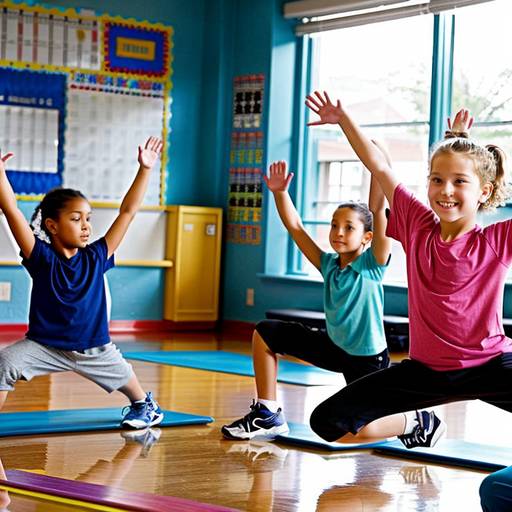
This lesson plan for 2nd-grade physical education focuses on promoting fitness and flexibility among students through engaging activities and discussions. The session begins with a brief introduction about the importance of fitness and flexibility, followed by dynamic warm-up exercises that prepare students for movement.
Students participate in four activity stations, each designed to enhance their flexibility and physical fitness. The stations include stretching exercises, hula hoop challenges to improve balance and core strength, jump rope practices for coordination, and an obstacle course featuring rolling and weaving elements. After the activities, students cool down with gentle static stretches while practicing deep breathing.
To conclude the lesson, students reflect on their experiences, sharing what they enjoyed and lessons learned about staying active and practicing flexibility. Assessment is based on observation during activities and student participation, and modifications are available for those with mobility challenges. Additionally, an extension activity encourages students to engage in flexibility practices at home and share their experiences with the class. Overall, the lesson aims to foster a joyful and understanding approach to fitness and flexibility in young learners.