
Filters
Level
Grade
Subject
Subject Area
Subject Topic
Standard(s)
Audience
Keyword
DurationMinutes
Lesson Plans

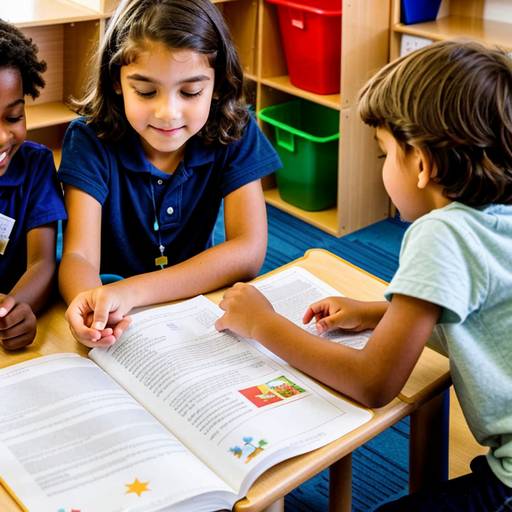
This lesson plan focuses on enhancing preschoolers' literacy development through a multisensory experience centered around story exploration and phonological awareness. In the 30-minute session, children will engage in a circle discussion to predict a story's content and learn new vocabulary words relevant to the story theme. The facilitator will read a selected picture book with enthusiasm, pausing to promote interaction and comprehension.
Following the reading, students will participate in an interactive rhyming activity using picture cards, where they will explore and generate rhyming words in a fun, engaging manner. The lesson will then transition to a sensory exploration activity, where children will discover items related to the story's theme within a sensory bin, fostering their connection to the narrative through tactile experiences.
To conclude, the group will reflect on their learning and share their thoughts about the story and vocabulary. This approach not only builds foundational literacy skills but also encourages participation and creativity among young learners. Observational assessment will focus on children’s engagement and understanding throughout the activities. Extensions include independent reading opportunities and creating a word wall to reinforce vocabulary.

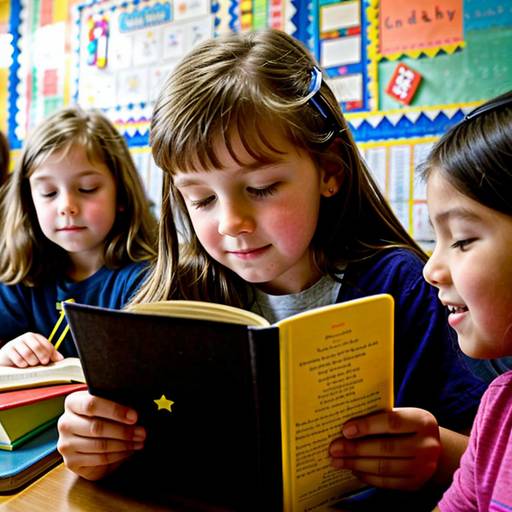
In this 2nd-grade language arts lesson, students will explore narrative writing by learning about the key elements of storytelling, including characters, setting, plot, and conflict. The lesson begins with a discussion about favorite stories, allowing students to articulate the components of narratives. After a mini-lesson where a familiar tale is analyzed, students will complete story map worksheets in pairs, brainstorming their own characters, settings, problems, and resolutions. They will then individually draft their own narratives based on their story maps, incorporating illustrations. The lesson concludes with opportunities for students to share their stories with classmates. Assessment will involve reviewing both the story maps and drafts to gauge understanding of narrative structure, and an extension activity will involve compiling a class storybook featuring student contributions. This lesson promotes creativity and engagement with writing while developing essential narrative skills.
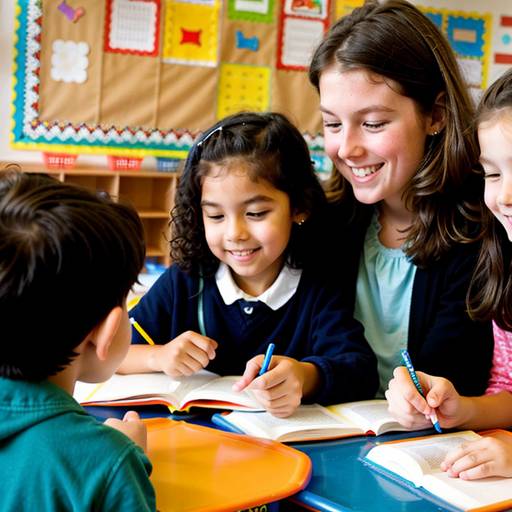
This Kindergarten language arts lesson plan focuses on writing and creative expression through storytelling. The session begins with a read-aloud of an engaging story to introduce the essential elements of a narrative, including characters, setting, and plot. After discussing these components, students engage in a story map activity where they illustrate and describe their own characters, settings, and plots. Following this, they write simple sentences based on their story maps, allowing them to practice their writing skills. The lesson culminates in a sharing session, where students present their stories to the class, fostering confidence and communication skills. Assessment is based on participation and understanding of story elements, with opportunities for differentiation provided for varying skill levels. The session encourages creativity and culminates in a classroom project that compiles students' work into a storybook for future sharing.

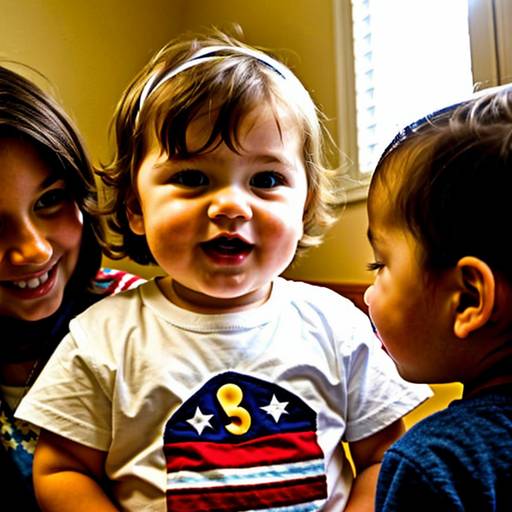
This lesson plan focuses on enhancing pre-reading skills in toddlers aged 18-36 months through interactive storytelling, vocabulary development, and sensory play. The session begins with a circle time introduction, where children are engaged in a lively storytelling experience using colorful board books. During the reading, educators encourage participation by asking questions about the pictures and fostering connections between spoken and written language.
Following the story, a vocabulary-building game incorporates picture cards, prompting children to repeat and match objects with corresponding toys from a sensory bin filled with rice or sand. This sensory activity enhances their recognition and descriptive skills as they explore and identify figures.
The lesson also includes a creative expression segment where children are invited to draw their favorite part of the story or a toy they discovered, providing them an opportunity to share their artwork and verbalize their thoughts. The session concludes with a review of new vocabulary, reinforcing learning through repetition, and ends with a sing-along to celebrate the day's adventures in language.
Throughout the lesson, educators assess children's engagement and participation, adjusting activities as needed to cater to varying language levels and interests, ultimately fostering a positive environment that promotes a love of reading.
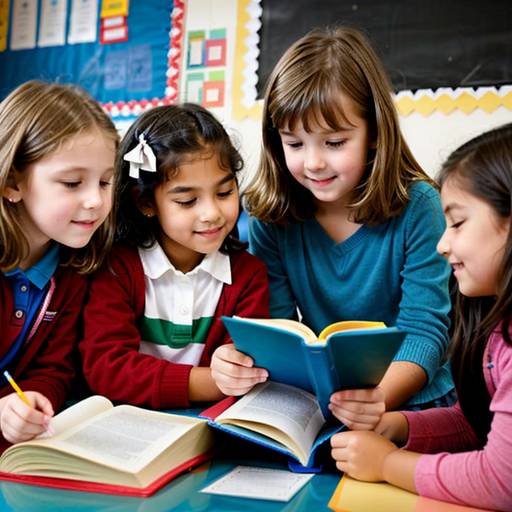
This lesson plan focuses on enhancing first-grade students' reading skills through an engaging exploration of story elements and reading strategies. Students will learn to identify key components of a story, including characters, setting, and plot, while practicing strategies such as predicting, questioning, and summarizing. The session begins with a read-aloud of a picture book, where students participate by making predictions and posing questions. Following the read-aloud, the class engages in a group discussion to fill out a graphic organizer, summarizing the story's elements. In small groups, students will then work with different picture books to identify similar story components and share their insights with the class. The lesson concludes with a recap of the strategies developed, and all students receive recognition for their participation. Assessments will include observations of student engagement and comprehension through group work and the completion of graphic organizers. Differentiation strategies are also included to support varying proficiency levels among students.
In this first-grade Language Arts lesson, students will engage in creative writing by crafting their own short stories. The lesson begins with a group reading of a picture book that highlights key story elements such as character, setting, and plot, prompting a discussion to identify these components. Students will then use a provided worksheet to brainstorm and outline their stories, focusing on the main character, setting, and sequence of events. After drafting their stories, they will illustrate a scene from their narratives. The lesson concludes with students sharing their stories in pairs or small groups, fostering a supportive environment for feedback. Assessment will involve observing participation and reviewing their worksheets for comprehension of story elements. The lesson encourages creativity and confidence in writing while emphasizing the joy of storytelling. Extensions are available for students needing further challenge or engagement.
In this 4th-grade language arts lesson plan, students will explore the art of creative writing by focusing on the key elements of storytelling: character, setting, plot, conflict, and resolution. The lesson begins with a classroom discussion about favorite stories, followed by a review of story elements. Students will then work in small groups to brainstorm unique story ideas using a graphic organizer. They will choose one idea to develop into a short narrative, writing independently while receiving peer feedback during a sharing session. The lesson concludes with select students sharing their drafts with the class and reflecting on their writing experience. Assessment will include participation in activities, the completion of the graphic organizer, and evaluation of their short stories for creativity and the incorporation of story elements. Extensions include illustrating stories and presenting them in a storytelling festival, promoting further engagement with creative expression.
In this 2nd Grade Language Arts lesson plan, students will enhance their reading comprehension skills by employing specific strategies to investigate a text. The lesson begins with a discussion on the importance of understanding stories, followed by a read-aloud of a chosen picture book. During the reading, students will be encouraged to make predictions and identify key story elements such as characters, setting, and plot.
Following the read-aloud, students will engage in guided practice using story maps to collaborate with a partner in identifying story elements. They will also participate in a prediction activity by writing alternative endings based on clues from the text. As part of the lesson, students will formulate questions about the story using guided prompts, which they will share with the class.
Assessment will involve monitoring student participation, and collecting story maps and predictions to evaluate comprehension and engagement. The lesson promotes differentiation by offering support for struggling students while challenging advanced learners with creative tasks. The closing reinforces the importance of active reading strategies to deepen understanding and enjoyment of literature.
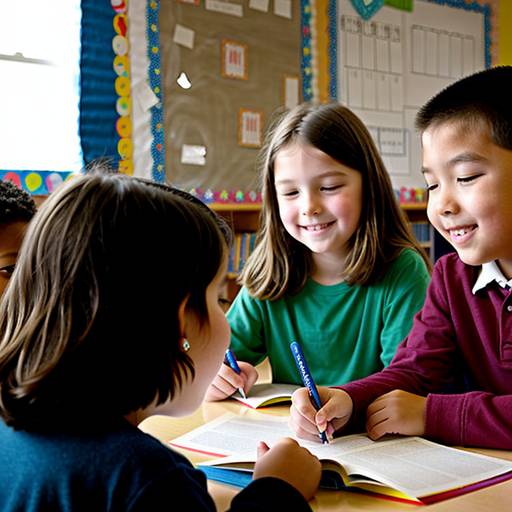
In this 2nd Grade Language Arts lesson, students will explore the elements of storytelling, including characters, setting, problem, and solution. The lesson begins with a discussion about what makes a good story, followed by an introduction to story starters that prompt creative thinking. Students will first brainstorm ideas based on their assigned story starter in pairs, then independently write their own short stories that incorporate all four story elements. Peer sharing and feedback are integral to the lesson, allowing students to learn from each other and practice their oral communication skills. The lesson concludes with a reflection on the writing experience and the uniqueness of each story. To enhance learning, differentiation strategies are provided for students who may need additional support, and a follow-up activity involves creating a class display of students’ work.

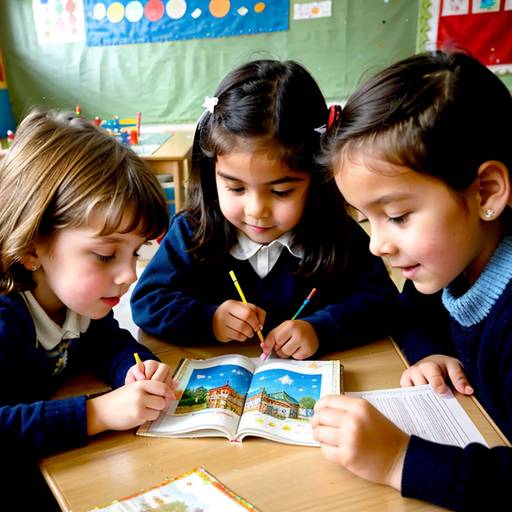
This lesson plan is designed for preschoolers, aiming to integrate art and literacy by exploring storytelling through engaging activities. It begins with a group reading of a selected storybook, stimulating imagination and encouraging discussion about characters and events. Following the reading, children are introduced to an art project where they illustrate their favorite scenes or create their own story continuations using various materials, such as crayons, watercolors, and fabric scraps.
Throughout the art creation process, the teacher circulates to provide guidance and foster conversation about the children’s choices and artistic expressions. After completing their illustrations, students gather in a circle to share their artwork and thoughts, promoting social interaction and communication skills. The lesson wraps up with a group song or a brief discussion about the importance of storytelling and art.
Assessment focuses on participation, creativity, and the ability to express ideas, while extensions encourage ongoing literacy and artistic exploration. This approach effectively integrates multiple curriculum areas—literacy, art, and social skills—while allowing children to develop fine motor abilities and boost their imagination.