
Filters
Level
Grade
Subject
Subject Area
Subject Topic
Standard(s)
Audience
Keyword
DurationMinutes
Lesson Plans

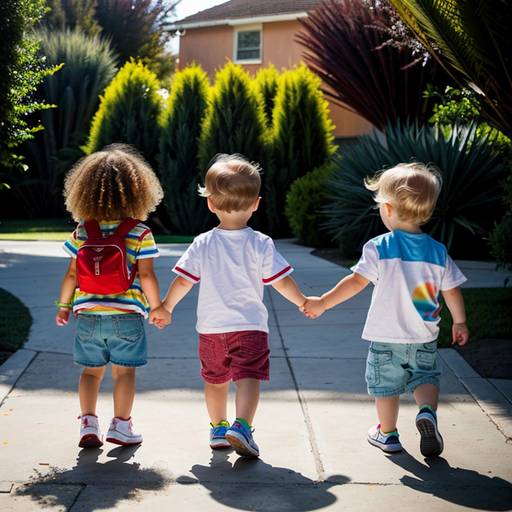
This lesson plan focuses on shapes recognition and color exploration for toddlers aged 2 to 4. It aims to help students identify basic shapes—circle, square, triangle, and rectangle—while associating them with various colors. The session begins with an engaging introduction, where students learn about shapes through colorful cards, followed by an interactive storytime that reinforces shape and color recognition.
After the story, students participate in a shape exploration activity, identifying real-world objects that correspond to each shape and discussing their colors. They then engage in a hands-on shape sorting activity, where they classify blocks or foam shapes into labeled bins, promoting cooperative learning.
To add a fun and energetic element, a shape dance game encourages students to embody different shapes with movement. The lesson culminates in a creative art activity where children draw and color their favorite shapes, fostering artistic expression. The session concludes with a closing circle time, allowing each child to share what they learned.
The lesson incorporates interactive and multisensory experiences designed to keep toddlers engaged while assessing their understanding of shapes and colors. Extensions for future lessons include outdoor scavenger hunts and gradual introductions of new shapes to continue their learning journey.

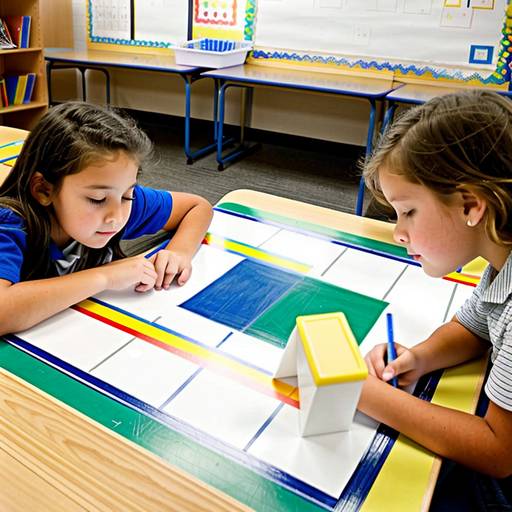
In this 2nd-grade math lesson, students will explore the concepts of geometry and lines through engaging activities. The lesson begins with a discussion on geometry and a brief introduction to different types of lines, including straight, curved, and zig-zag lines. Students will examine various geometric shapes, identifying their properties, and learning how lines form these shapes.
During guided practice, students will create geometric collages using construction paper, drawing multiple shapes and incorporating different lines to convey motion. Following this, a "Shape Scavenger Hunt" will involve students working in pairs to find and sketch geometric shapes and lines within the classroom environment.
The lesson concludes with a sharing session, allowing students to present their findings and collages. Assessment will include observations during activities and the collection of collages and scavenger hunts to evaluate understanding. Extensions are provided for students who finish early, encouraging further exploration of geometry through 3D shapes. Accommodations are also in place to support learners who may need additional assistance. Overall, this lesson promotes hands-on learning, teamwork, and creativity in understanding geometric concepts.
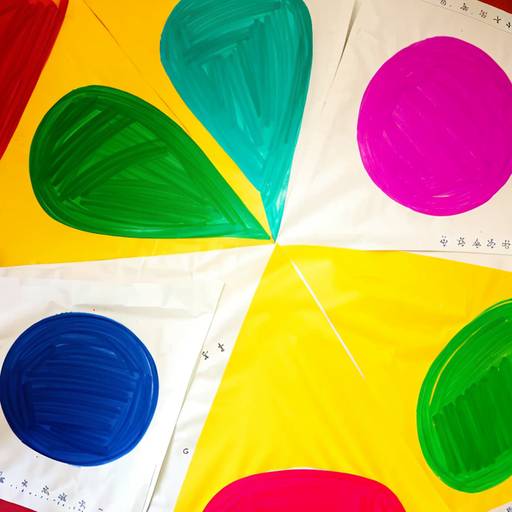
In this 1st-grade math lesson focusing on geometry and patterns, students will explore basic geometric shapes such as triangles, squares, circles, and rectangles. The lesson begins with an interactive discussion where students identify shapes in their environment. Following this, the teacher introduces patterns, explaining their significance and encouraging students to recognize them in visual examples.
Students engage in a hands-on activity where they create their own geometric patterns using shape cutouts and construction paper. They will draw inspiration from provided pattern cards and work on developing their unique sequences. The lesson concludes with students sharing their creations with the class, reinforcing their understanding of shapes and patterns. Throughout the lesson, assessment is completed through observation and students' final projects, ensuring they grasp the concepts of geometry and pattern recognition. Extensions are suggested for advanced students, and there is an emphasis on connecting learning to real-life examples.
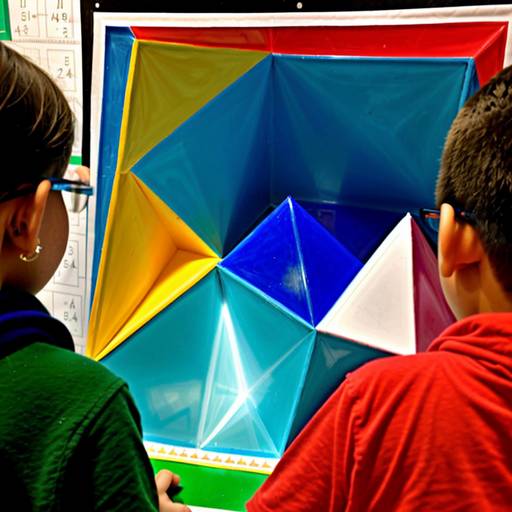
In this 5th-grade math lesson, students will explore essential concepts related to 3D geometry, focusing on identifying and describing common solid shapes, including cubes, spheres, cylinders, cones, and pyramids. The lesson begins with a discussion about geometry and its relevance in everyday life, followed by an introduction to the properties of these shapes. Through a shape hunt activity, students will find real-world objects that correspond to the identified 3D shapes and share their findings with classmates. They will then engage in a hands-on activity to create their own 3D models, labeling their properties. The lesson concludes with presentations of their creations, emphasizing the importance of recognizing shapes in their environment. Assessment will be based on participation, accuracy in labeling, and worksheet completion. Extension activities are suggested for students who excel, including lessons on volume and surface area, as well as research on notable structures. Overall, the lesson promotes active learning and fosters a deeper understanding of geometric concepts in a relatable manner.
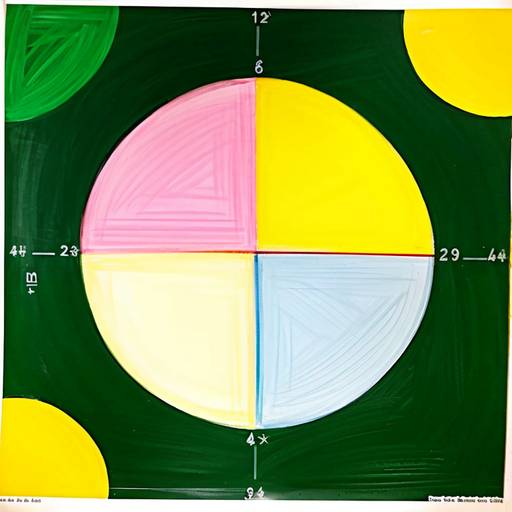
In this Kindergarten math lesson focused on geometry and shapes, students engage in identifying and naming basic geometric shapes: circle, square, triangle, and rectangle. The lesson begins with an interactive introduction where students repeat the names of the shapes and discuss their properties. Next, students participate in a shape hunt around the classroom, working in small groups to find everyday objects that correspond to the shapes on their checklists. After regrouping, they share their findings with the class.
The lesson then transitions into a hands-on art activity where students create a shape collage using colored construction paper and various materials. They are encouraged to use their creativity while incorporating the shapes they learned. Students present their collages to the class, explaining the shapes used. The lesson concludes with a review and the distribution of shape worksheets for additional practice. To enhance comprehension, extension activities include creating a "Shape Book" where students illustrate their favorite shapes and examples of real-world objects. Overall, the lesson promotes recognition of shapes in both abstract and concrete contexts, fostering a foundational understanding of geometry.

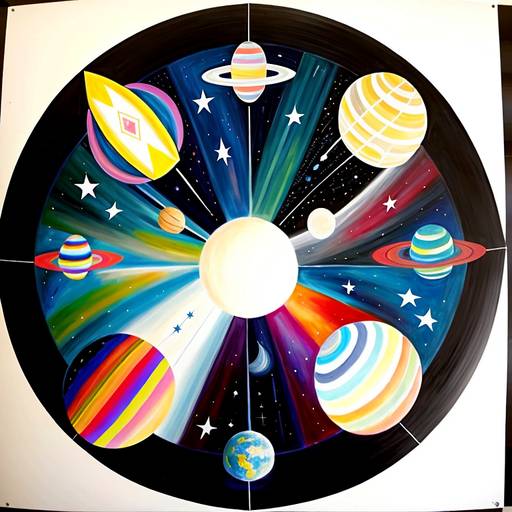
In this 5th-grade art lesson, students will explore the world of sculpture through hands-on creation and design. The lesson spans two class periods, beginning with an introduction to the concept of three-dimensional art, discussing various forms of sculpture, key vocabulary, and showcasing examples of notable works. Students will watch a demonstration on using modeling clay and other materials to create stable and balanced sculptures.
During the first class, students will sketch their sculpture ideas, considering themes and forms, and share their plans with a partner. In the second class, they will bring their designs to life using the selected materials, focusing on techniques such as shaping and adding textures. Students will finalize their sculptures with paints and details, preparing to present their work to the class.
The lesson emphasizes creativity, critical thinking, and hands-on exploration, with assessments based on participation, the quality of the final sculpture, and written reflections on their process and learning experiences. Overall, this project encourages students to engage with art in a meaningful way while developing their sculptural skills.

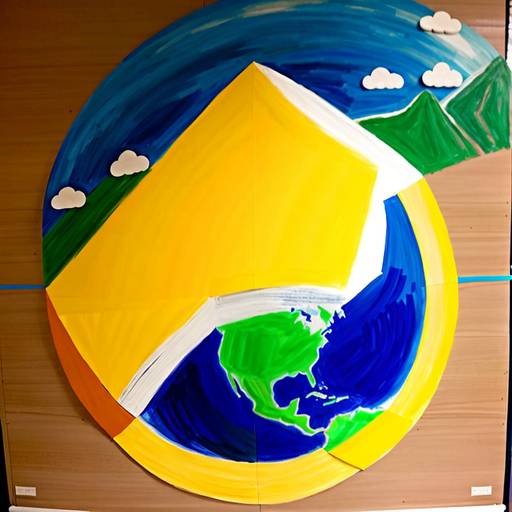
In this engaging third-grade social studies lesson, students will explore various landforms and their characteristics, understanding how they shape the Earth and influence human activities. The lesson begins with a discussion to elicit prior knowledge about Earth's surface, followed by a presentation featuring visual aids that describe different landforms, such as mountains, valleys, and rivers. Students will work in small groups to research a specific landform and share their findings with the class. Each student will then create a colorful map illustrating at least three different landforms, promoting creativity and individual expression. The class will participate in a gallery walk to showcase their maps, followed by a group discussion on their favorite landforms and their significance. To assess understanding, students will complete a worksheet that includes matching landforms with definitions and discussing their importance in everyday life. The lesson includes adaptations to support various learning needs and concludes with a reflective component to reinforce their learning experience.
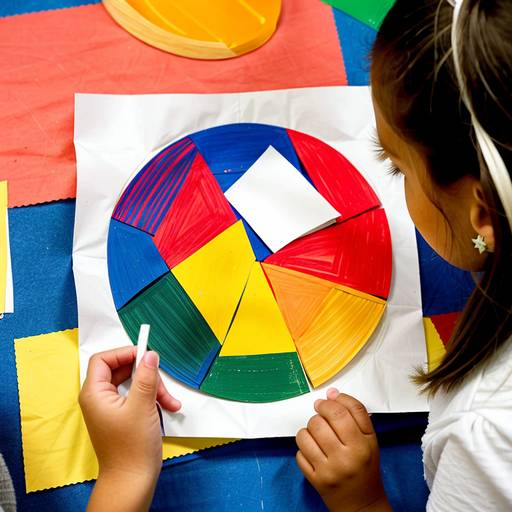
In this 2nd-grade math lesson, students will explore geometric shapes and patterns through interactive activities. The lesson begins with a review of basic shapes, where students identify and name various geometric figures using flashcards and real-life examples. Following this, the concept of patterns is introduced, showcasing different sequences through visuals and claps.
Students then engage in a guided practice by working in pairs to create and share their unique shape patterns using colorful construction paper. This collaborative effort leads into a hands-on activity where small groups cut out shapes to build a "shape city" on a poster board, incorporating patterns in their designs.
The lesson concludes with group presentations, allowing students to showcase their creations and discuss the patterns they implemented. Assessment occurs through observation during the activities and an exit ticket task, ensuring students reflect on their understanding of shapes and patterns. Extensions are provided for advanced learners to deepen their engagement with the material. Overall, this lesson combines hands-on learning with creativity and teamwork to reinforce essential geometry concepts.

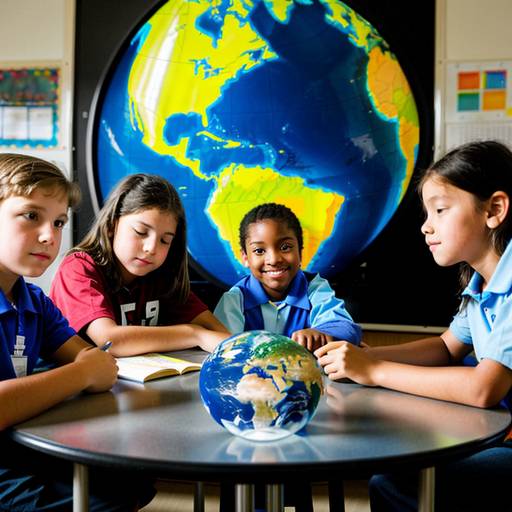
This 4th-grade lesson plan focuses on understanding forces and energy in the context of physical science. The objectives include introducing students to kinetic and potential energy, allowing them to investigate how energy transfers through objects. The lesson begins with an engaging demonstration of a toy car on a ramp, followed by a class discussion that connects these concepts to real-world examples.
Students break into small groups to conduct experiments with toy cars, measuring ramp heights, distances traveled, and time taken to analyze the relationship between potential energy and kinetic energy. They document their findings and create charts to visualize the data.
The lesson concludes with group presentations, where students share their observations and discuss trends in their results. Reflective discussions emphasize the importance of energy in everyday life. Assessment includes evaluating group presentations and a follow-up quiz to gauge individual understanding. Extensions encourage students to observe and report examples of energy in their surroundings. Overall, the lesson fosters active learning through hands-on activities and collaborative exploration of key physical science concepts.

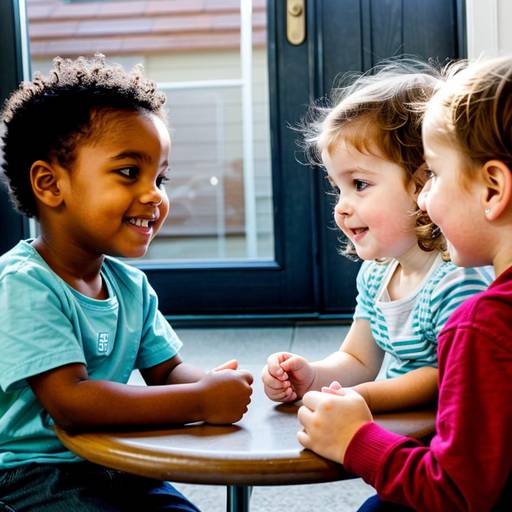
The lesson plan aims to teach infants the concept of turn taking through engaging activities and interactive play. It begins with a lively introduction that includes a song to gather the group and a simple explanation of sharing. A storytelling session using colorful picture cards illustrates characters taking turns, fostering comprehension.
Two main activities follow: the first involves small groups of infants engaging with toys, learning to play and wait for their turn with guidance. The second activity incorporates music and movement, where infants dance and practice stopping to take turns. An optional snack-sharing segment encourages further practice of turn taking and encourages communication through verbal prompts.
The session concludes with a closing circle, where infants can share their favorite moments, reinforcing their learning. Throughout the lesson, caregivers are encouraged to observe and continue practicing turn taking at home, ensuring the development of these important social skills in everyday situations.