
Filters
Level
Grade
Subject
Subject Area
Subject Topic
Standard(s)
Audience
Keyword
DurationMinutes
Lesson Plans

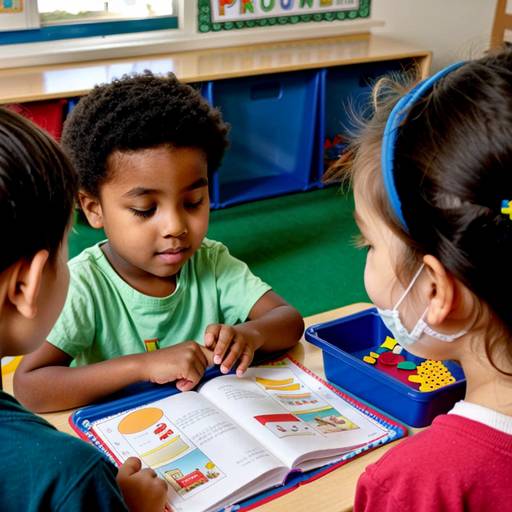
This preschool language arts lesson focuses on teaching students to recognize and read common sight words, enhancing their pre-reading skills and vocabulary development. The lesson begins with an introduction to sight words through interactive flashcards, where students repeat and identify these words. This is followed by a group reading of a large book that highlights sight words, encouraging students to participate and point out the words as they appear in the text.
Students then engage in a creative activity where they work in small groups to illustrate assigned sight words on chart paper, promoting discussion and collaboration. The lesson includes an engaging bingo game that allows students to practice their sight word recognition in a fun and competitive format, with prizes for bingo winners to encourage participation.
The session concludes with a group discussion to reinforce what students learned about sight words, inviting them to continue searching for these words in their reading at home. Assessment is primarily observational through participation and recognition during the activities, with differentiation strategies in place to support diverse learning needs. Overall, the lesson creates an interactive and enjoyable atmosphere that lays the groundwork for literacy development.

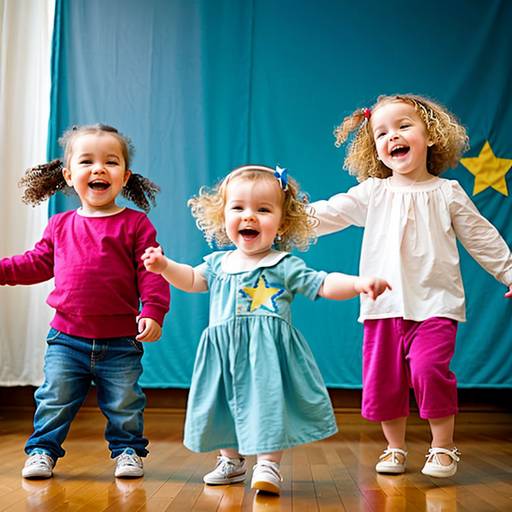
This lesson plan focuses on engaging toddlers in singing and movement activities that promote musicality and physical development. The session begins with a warm welcome and an introduction to the day's theme. After a fun warm-up with an upbeat song, students participate in singing familiar tunes accompanied by actions and visual aids. Movement activities follow, encouraging children to dance with scarves or ribbons and express themselves through free movement to lively music. The lesson concludes with a gentle cool-down song, allowing for reflection on their favorite activities. Throughout, children are observed for engagement and participation, and adaptations are suggested to support varying levels of comfort and ability. This interactive experience aims to foster a love of music and enhance coordination skills in a joyful environment.

This kindergarten music lesson focuses on developing vocal skills and musical concepts through singing and interactive activities. Students will begin with a warm-up that includes vocal exercises and animal sound mimicking to explore different pitches. They will engage in singing simple, familiar songs as a group, discussing the emotions and meanings behind the music. A call-and-response activity will encourage creativity in vocal expression, while a rhythmic movement game will enhance their understanding of beat and rhythm. To foster individual creativity, students will have the opportunity to improvise short songs based on emotions or characters. The lesson concludes with a reflection on their experiences and a final group song, promoting a sense of community and enjoyment in music. Assessment will be based on student participation and vocal variety throughout the activities.
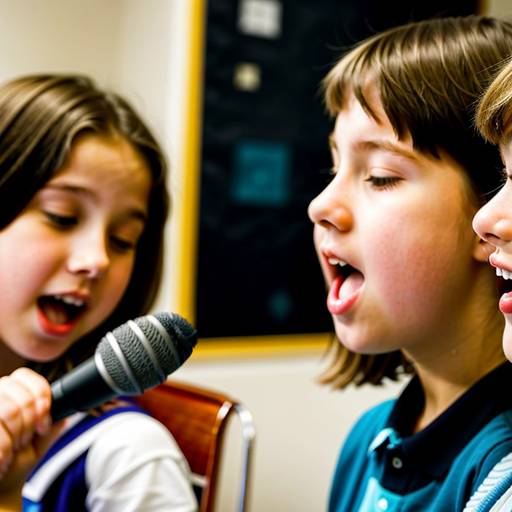
In this 5th-grade music lesson, students will explore the concepts of melody and rhythm through engaging singing activities and performance. The lesson begins with vocal warm-ups to prepare their voices, followed by a discussion about the elements that make music enjoyable.
Students will learn a simple song by breaking it down into manageable sections, practicing both the melody and rhythm. They will then be divided into small groups, where they will focus on specific parts of the song, rehearse together, and provide peer feedback to each other.
After practicing, the entire class will come together to finalize the song and discuss performance staging and expression. The lesson culminates in a performance for an audience, allowing students to showcase their work and gain confidence in their abilities.
Finally, the class will reflect on their experience, discussing what they enjoyed and how they felt during the performance. Overall, this lesson emphasizes teamwork, vocal skills, and the joy of music-making.
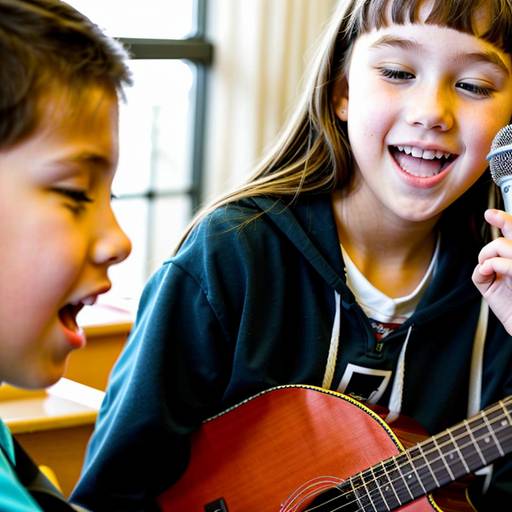
In this 45-minute music lesson for 3rd graders, students will explore singing techniques, focusing on posture, breath control, dynamics, and expression. The lesson begins with a discussion about the importance of singing followed by engaging vocal warm-ups. Students will learn to differentiate between loud and soft dynamics through clapping exercises and by singing familiar phrases while varying their volume and emotion. The main activity involves learning and preparing a simple song, emphasizing pitch and rhythm, while also encouraging creative expression through gestures and facial expressions. The lesson culminates in a group performance, providing students an opportunity to showcase their skills and build confidence. The session concludes with a reflective discussion, allowing students to share their experiences and insights gained from the lesson. Observations will be made to assess student engagement and technique throughout the activities, with opportunities for extensions such as creating new verses for the song and participating in future performances.
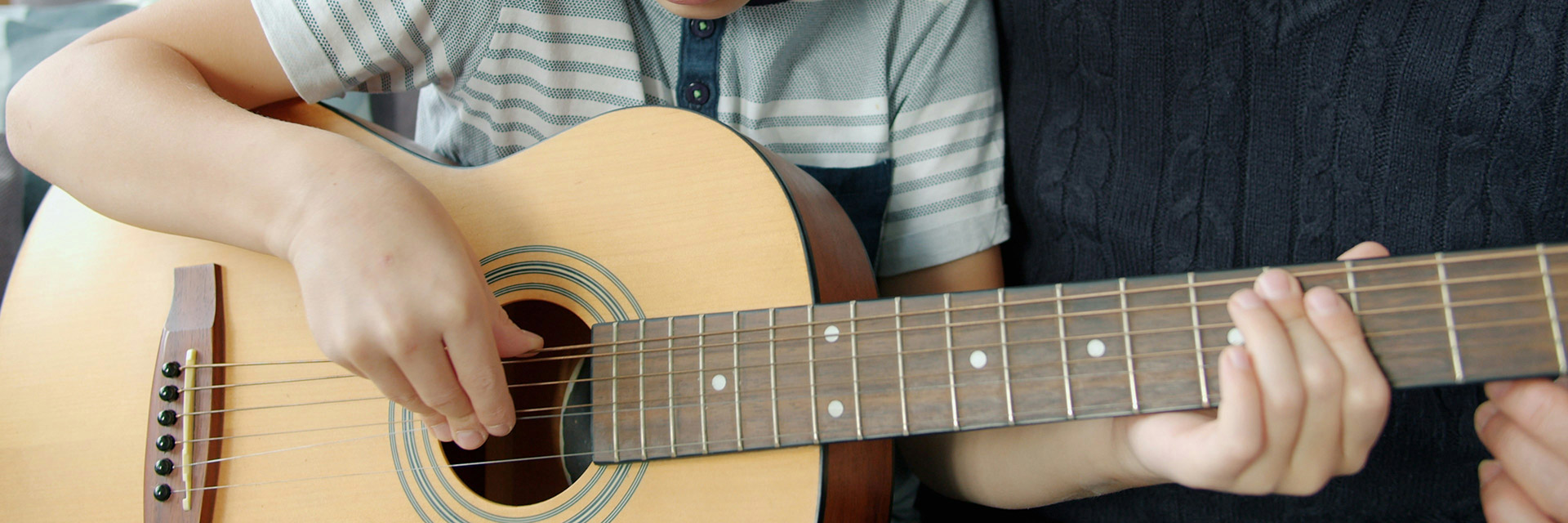
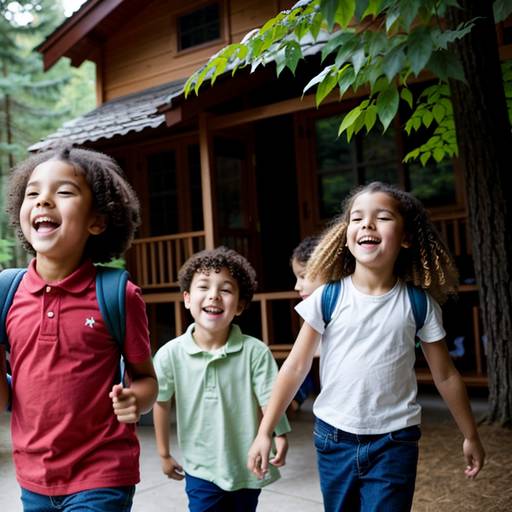
This preschool music lesson is designed to engage children aged 3 to 5 in exploring the theme of nature through singing and movement. The session begins with a warm welcome and a vocal warm-up, followed by interactive singing of songs related to animals and the natural world. Children will use props and picture cards to enhance their understanding and participation.
Throughout the lesson, participants will engage in movement activities using scarves or ribbons while listening to nature-themed music, encouraging creative expression. Additionally, they will have the opportunity to explore various musical instruments, experimenting with rhythms and sounds in relation to the theme.
The lesson concludes with a closing circle where children can share their experiences and favorite moments, followed by a calming goodbye song. This approach fosters language development, creativity, and an appreciation for nature in a fun and engaging environment. Extension activities are suggested to deepen the learning experience and involve families.
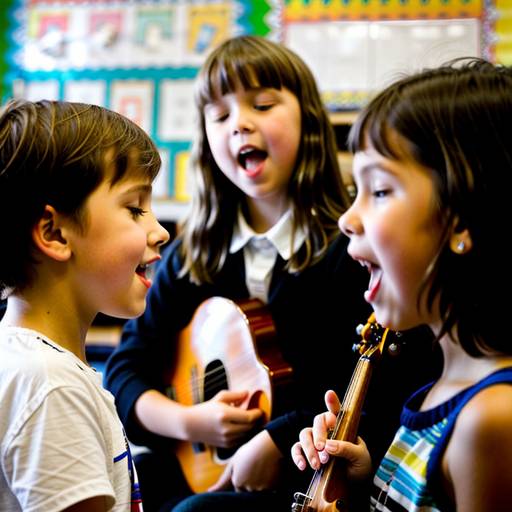
In this 1st-grade music lesson, students will explore the concepts of high and low pitch through engaging activities. The lesson begins with a brief introduction to pitch, using simple explanations and clapping exercises to reinforce understanding. Students will participate in a listening activity where they identify high and low sounds on a keyboard, followed by the use of visual aids to help them mimic pitches.
The class will then come together to sing a simple song that incorporates both high and low notes, with the teacher demonstrating the differences. Students will have the opportunity to explore pitched instruments like chimes or xylophones, practicing playing high and low sounds in response to cues.
The lesson concludes with a review of the pitch concepts, encouraging students to share their preferences and reflections. Participation is rewarded with stickers to motivate and recognize their efforts. Assessment will focus on observing students during activities to gauge their understanding of pitch differentiation. Additionally, extension ideas include incorporating movement and literary themes to further enhance their learning experience.
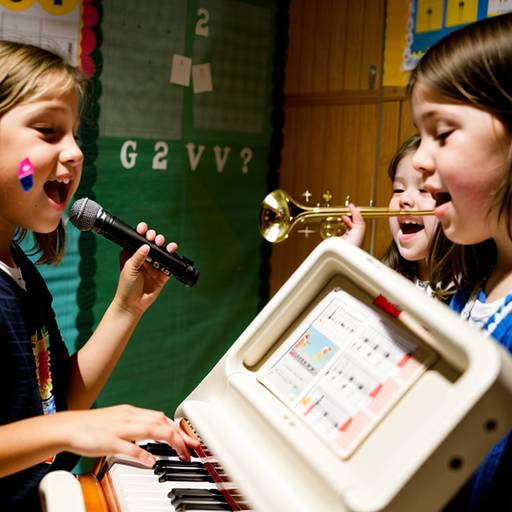
This 2nd-grade music lesson focuses on helping students understand the concept of pitch and differentiate between high and low sounds. The session begins with an introduction to pitch, using a piano or keyboard to illustrate examples. Students participate in vocal warm-ups to match high and low pitches, followed by singing simple songs that contain varying pitch elements.
In an engaging movement activity, students use scarves or ribbons to visually express the difference between high and low pitches through their movements. The lesson concludes with a reflection discussion, encouraging students to share their observations about high and low sounds and how movement aided their understanding. Ongoing assessments are made by observing participation and engagement, and optional extensions allow for further exploration of pitch using instruments. This structured yet interactive approach ensures that students grasp fundamental music concepts effectively while enjoying the learning process.
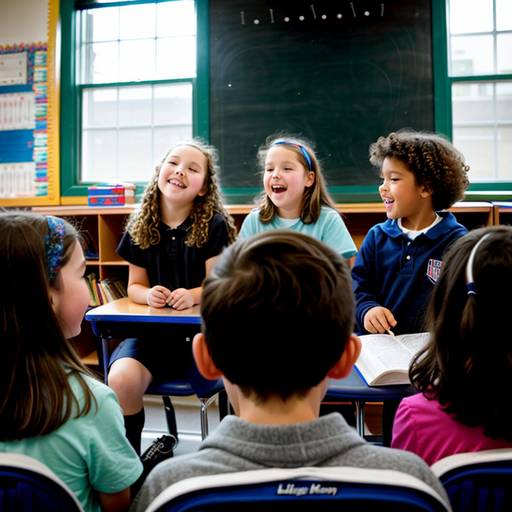
This lesson plan focuses on teaching 3rd-grade students about musical pitch through interactive singing activities. Students will learn to identify and differentiate between high and low pitches by participating in warm-up vocal exercises and singing selected songs that emphasize these concepts. They will engage in a fun pitch card game to reinforce their understanding of high and low notes. Additionally, students will work in small groups to create their own original melodies using simple instruments, incorporating both high and low pitches, and then perform their creations for the class. The lesson concludes with a recap to reinforce learning and encourages students to explore pitch in their favorite songs at home. Assessment will be based on student participation, understanding of pitch concepts, and the creativity demonstrated in their group melodies.
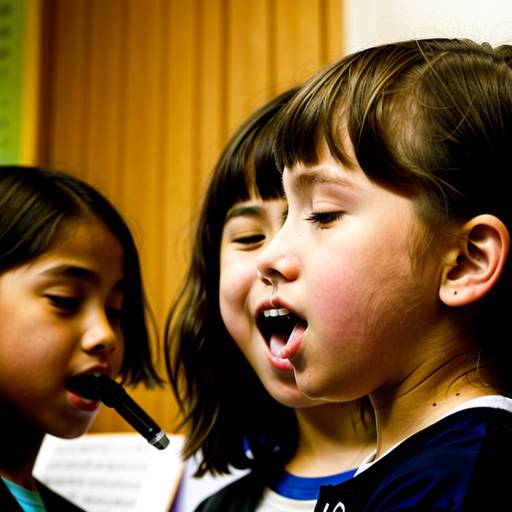
The lesson begins with a discussion about the significance of singing and performance in music, followed by the introduction of an age-appropriate song. Students engage in vocal techniques, focusing on breath control, posture, and warm-up exercises through call-and-response patterns. The lyrics are distributed, and the song is taught in sections, emphasizing dynamics and expression. During rehearsal, students practice singing together, with opportunities for individual feedback. The session culminates in a performance in front of classmates, promoting confidence and teamwork. The lesson concludes with a reflection on what students learned, reinforcing the value of practice and mutual support in music. Extensions include a mini-concert and opportunities to explore choreography or create original songs. Overall, the lesson aims to develop students' vocal skills and enhance their enjoyment of music through collaboration and performance.