
Filters
Level
Grade
Subject
Subject Area
Subject Topic
Standard(s)
Audience
Keyword
DurationMinutes
Lesson Plans

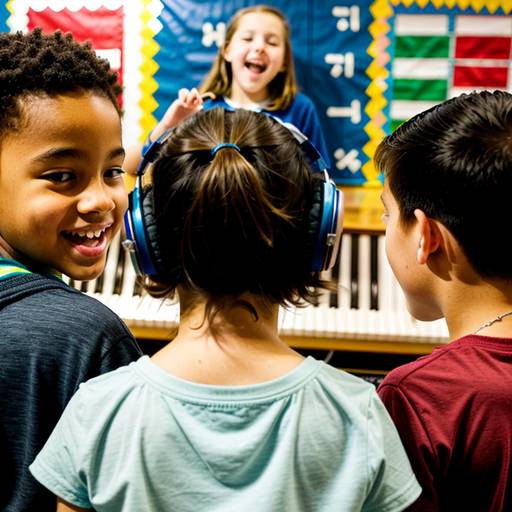
In this 45-minute music lesson for 3rd graders, students will focus on singing, rhythm, and expression through a simple song. The lesson begins with a discussion about the emotions conveyed in music, followed by vocal warm-up exercises that encourage both sound and movement. After introducing a chosen song, students will listen to its melody and rhythm, then practice singing and engaging with the lyrics in small groups. They will have the opportunity to use percussion instruments to enhance the song's rhythm. The lesson concludes with a mini-performance where students showcase their teamwork and musical skills. Reflection time allows students to share their feelings about the experience and what they learned about expressing music through performance. Assessment will focus on participation, pitch accuracy, rhythm maintenance, and engagement during the activity. Extension activities may include creating a music video or organizing a showcase for family and friends. Overall, this lesson encourages creativity, collaboration, and confidence in musical exploration.
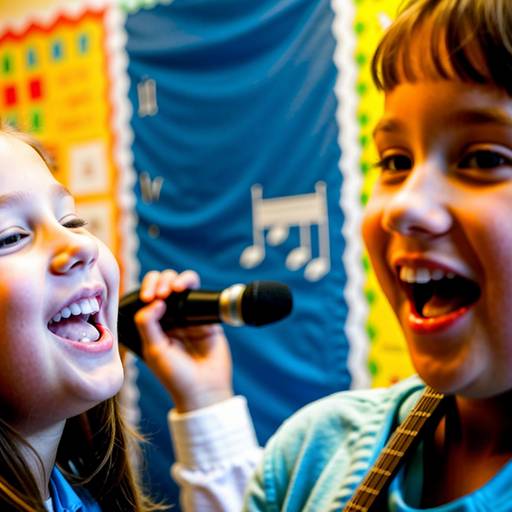
In this 4th-grade music lesson plan, students will explore the concept of harmony through singing. The lesson begins with an introduction to harmony, explaining its significance in music as different notes combine to create a fuller sound. Students engage in vocal warm-ups and call-and-response exercises to develop their pitch and breath control.
They will learn a selected song by first singing the melody, then breaking into small groups to practice assigned harmony parts. A group rehearsal allows students to listen and adjust their singing to achieve a cohesive sound. The session concludes with a performance of the song, followed by a reflection where students share their experiences and insights gained from singing in harmony. The lesson emphasizes teamwork and collaboration while providing students with a foundational understanding of harmony in music. Extensions may include exploring music from various cultures and incorporating instruments to enhance their learning experience.
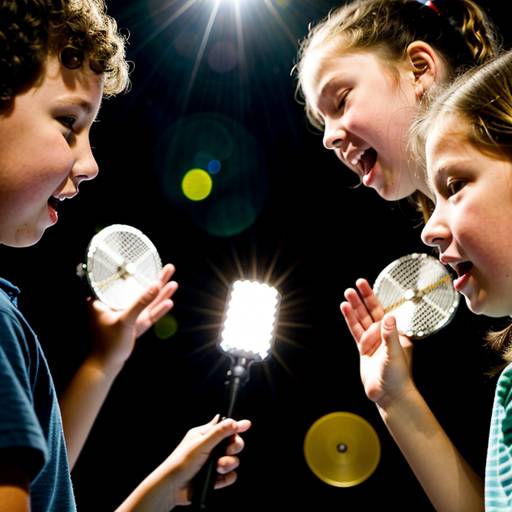
In this 60-minute music lesson for 5th graders, students will explore the concept of harmony through interactive activities and group singing. The lesson begins with an introduction to harmony, prompting students to share examples of songs that feature harmonization. Following a vocal warm-up that includes practicing scales and intervals, students will listen to recordings of harmonious songs, discussing their feelings and observations about the different vocal parts.
Students will then be divided into two groups, with one group learning the melody and the other practicing the harmony of a simple, familiar song. Through collaborative practice, they will receive guidance on blending their voices and supporting each other musically. The lesson will culminate in a performance where the entire class sings together, with opportunities for students to take leadership roles in either the melody or harmony.
The session wraps up with a discussion on their experiences and insights regarding harmony, supported by an exit ticket assessment to reflect on what they learned and enjoyed. Extensions to the lesson encourage further exploration and sharing of harmonious songs at home, enriching their musical understanding and engagement.

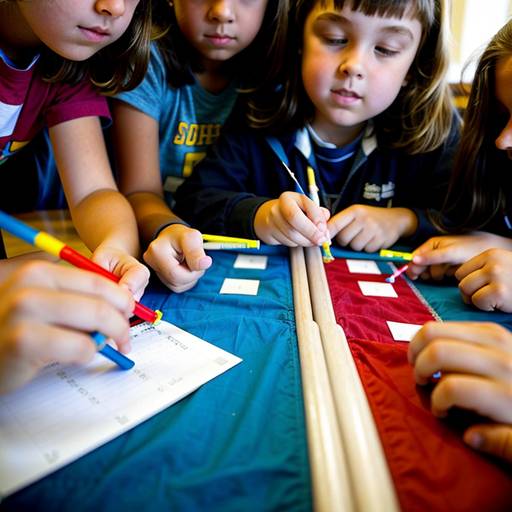
This 4th-grade math lesson plan focuses on teaching students about measurement and length, emphasizing the importance of these concepts in everyday life. The lesson begins with an introductory discussion, where students explore real-world applications of measurement. Through direct instruction, they learn to use rulers and measuring tapes, becoming familiar with standard units such as inches, feet, centimeters, and meters, as well as unit conversions.
During guided practice, students work in pairs to measure various objects, recording their findings in a worksheet. This is followed by an independent activity that reinforces their understanding through measurement problems and practical applications. The lesson concludes with a class discussion where students share their experiences and measurements, guiding a brief review quiz to assess comprehension.
To accommodate diverse learning needs, differentiation strategies are incorporated, providing challenges for advanced learners while offering additional support for those who need it. Assessment focuses on students’ accuracy in measurement and understanding of the concepts. Extension activities, such as a home project that involves measuring items at home and the introduction of digital measuring tools, encourage further engagement and application of skills learned in class.

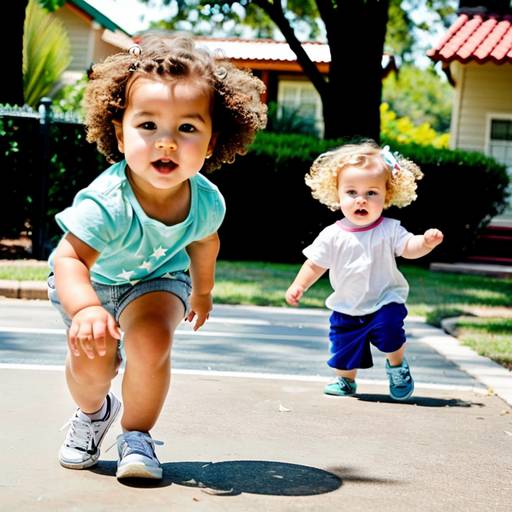
This lesson plan is designed for toddlers aged 2-4 years and focuses on developing gross motor skills through skipping. The session lasts approximately 30 minutes and begins with a lively warm-up involving movement and stretching. After a brief introduction to skipping, children engage in a guided activity that has them skip along a course marked by colored markers and cones, fostering coordination and balance.
To further enhance their skills, toddlers participate in an activity that involves skipping in and out of hula hoops, encouraging turn-taking and social interaction. The lesson also incorporates creative movement with scarves or ribbons as children skip to upbeat music, allowing for self-expression and enjoyment.
To wrap up the session, children cool down by sharing their feelings about the activities and reflecting on their experiences, fostering a sense of community and connection. The lesson concludes with a calming song to help transition them back to a relaxed state, while assessment focuses on observing participation and skill development. Extension activities are suggested to encourage continued practice and integration of skipping into various contexts.
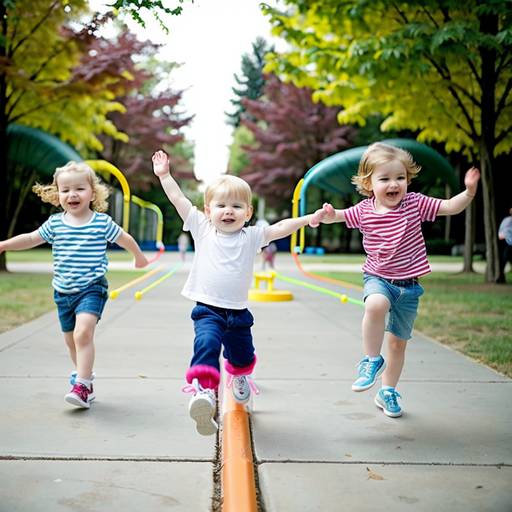
This lesson plan is designed for toddlers aged 2 to 4, focusing on developing gross motor skills through the fun activity of skipping. The session begins with a warm-up involving a lively movement song and simple stretches to prepare the children for physical activity. Next, a demonstration of skipping is provided, followed by individual practice where toddlers are encouraged to try skipping across a short distance. They will also engage in partner activities to promote teamwork.
An obstacle course is then set up, allowing children to navigate by skipping around cones and markers, reinforcing their newly acquired skills. The group activity features an upbeat music segment where toddlers are encouraged to skip freely, adding scarves for a creative visual element. Finally, there is a cool-down session with stretches and a reflection circle, allowing students to share their experiences and favorite moments from the lesson. Throughout the session, emphasis is placed on safety, encouragement, and making the experience enjoyable while fostering coordination and balance.
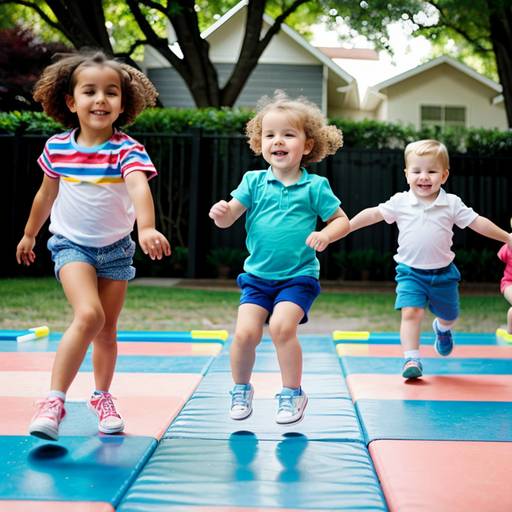
This lesson plan focuses on developing gross motor skills in toddlers through the activity of skipping. It aims to enhance coordination, balance, and rhythmic movement while promoting social interaction and cooperative play. The session begins with warm-up exercises, followed by an introduction to the skipping technique, where children practice the basic step-hop movement.
Participants engage in a guided activity along a marked skipping pathway and take part in fun games, including skipping races and freestyle skipping to music. The lesson concludes with a gentle ball retrieval activity combined with relaxation stretches, allowing children to cool down. Parents and caregivers are encouraged to continue practicing skipping at home, fostering skill development and enjoyment beyond the classroom. Throughout the lesson, educators will assess each child's ability and engagement, ensuring a safe and enjoyable learning environment.

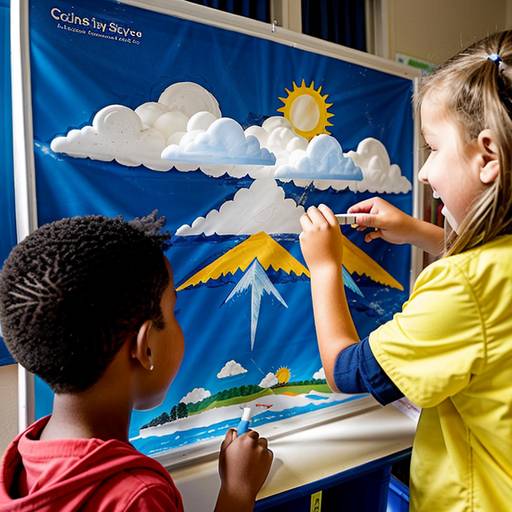
In this 1-hour Earth Science lesson for 2nd graders, students will explore different types of weather and learn about weather patterns. The lesson begins with a short video showcasing various weather conditions, which sparks a discussion about students' personal experiences with weather. Next, students will engage in an interactive activity where they identify weather types using picture cards and contribute to a collective weather chart.
Through a game where they act out different weather types, students gain a deeper understanding of each condition. The lesson then shifts focus to tracking weather patterns using a Weather Diary, which students will maintain at home over the week. To reinforce their learning, students will create their own artistic interpretations of different weather scenes, sharing them with their classmates. The lesson culminates with a recap of key concepts, preparing students to observe and document weather in their daily lives. Assessment will be based on student participation and the accuracy of their Weather Diary entries. Additionally, opportunities for extensions, such as studying local climate patterns or inviting a meteorologist to speak, are included to enhance learning.

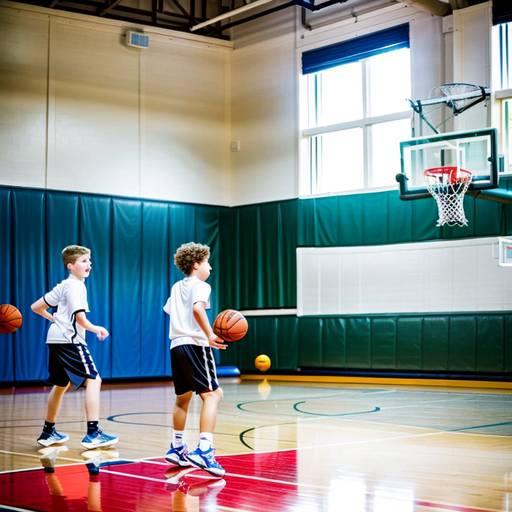
This 5th-grade physical education lesson focuses on developing fundamental basketball skills, including dribbling, passing, and shooting. The 60-minute class begins with a brief introduction to the sport, followed by a warm-up with dynamic stretches. Students then participate in a series of skill development drills, where they practice dribbling through cones, executing various types of passes with partners, and shooting from designated spots on the court.
After skill practice, students are divided into small teams to engage in mini basketball games, applying the rules they've learned while fostering teamwork. The lesson concludes with a cool down consisting of static stretches and a group discussion where students reflect on their experiences and what they learned.
Assessment is based on observation of skill execution and teamwork during activities. The lesson also includes adaptations for inclusivity and challenges for advanced students, ensuring all participants are engaged and able to improve their basketball skills.
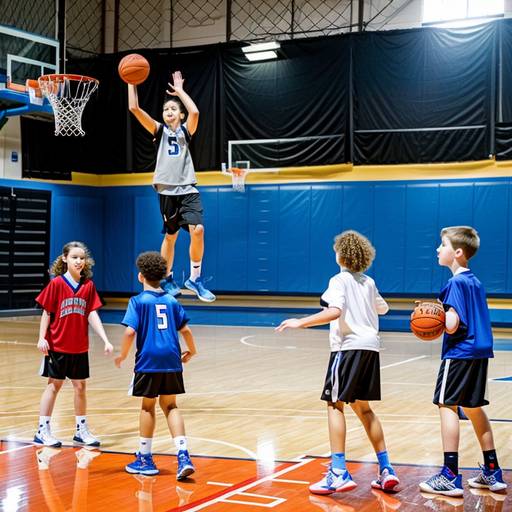
This lesson plan is designed for third-grade students to introduce them to the basic skills of basketball, including dribbling, passing, and shooting. The session begins with a dynamic warm-up to prepare their bodies and foster engagement. Students will learn proper techniques for dribbling and passing, practicing these skills in pairs. They will then rotate through skill stations to further develop their abilities in a fun, structured manner.
Following the skill development, students will participate in small team scrimmages to apply what they’ve learned in a game-like setting, promoting teamwork and sportsmanship. The lesson concludes with a cool-down session and a group discussion, allowing students to reflect on their experiences and share their thoughts on the importance of collaboration in sports. Throughout the lesson, the instructor will assess participation and offer feedback to encourage growth and enjoyment of the game. Adaptations for different skill levels are included, ensuring inclusivity for all students. The lesson also provides extension opportunities for practice beyond the classroom.