
Filters
Level
Grade
Subject
Subject Area
Subject Topic
Standard(s)
Audience
Keyword
DurationMinutes
Lesson Plans

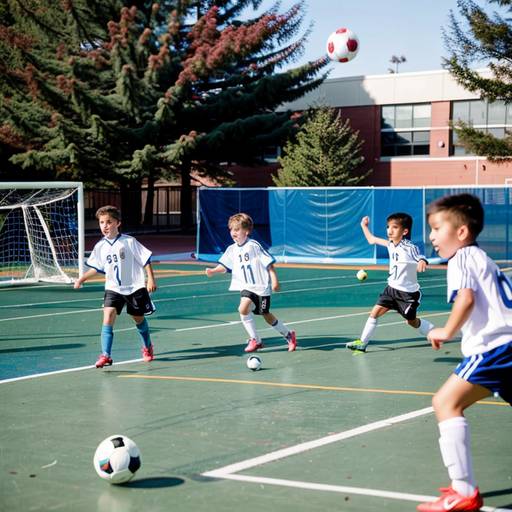
This first-grade physical education lesson is designed to introduce students to the fundamentals of soccer, focusing on dribbling and passing techniques. The lesson begins with an engaging discussion about soccer, followed by a warm-up activity to get students moving and prepared.
Students will participate in a structured dribbling practice, navigating through a cone course while learning to keep the ball close and use both feet effectively. They will then pair up to practice passing, reinforcing communication and teamwork as they aim to accurately pass the ball to their partners.
The culmination of the lesson features a mini-soccer match, where students can apply their skills in a game setting, promoting cooperation and friendly competition. The session concludes with a cool-down period that encourages reflection on the skills learned and fosters a sense of accomplishment. Through this lesson, students are not only active but also develop essential soccer skills and enhance their social interactions with peers.

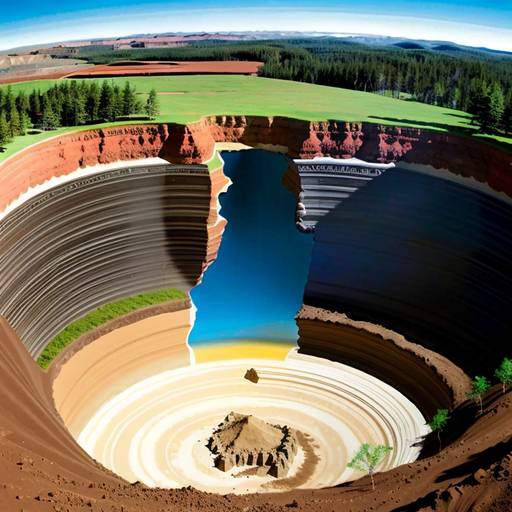
In this 2nd-grade Earth Science lesson focused on soil, students will explore the layers and composition of soil while understanding its importance in the ecosystem. The lesson begins with an engaging discussion to spark curiosity about soil, followed by a presentation explaining the different soil layers: topsoil, subsoil, and bedrock.
Students will work in small groups to examine soil samples using magnifying glasses and recreate the soil layers in clear containers. They will observe textures, colors, and various particles within the soil. After the hands-on activity, students will express their findings creatively by drawing and labeling what they discovered, along with writing a sentence about soil’s significance.
The session concludes with a class discussion where students share their observations and reflections. Assessment will be based on participation in group activities and the quality of their drawings and written work. Extensions and safety considerations are incorporated to enhance the learning experience. This interactive lesson aims to foster an appreciation for soil and its essential role in supporting life on Earth.
This engaging 3rd-grade Earth Science lesson focuses on the exploration of soil and its various layers. Students start by discussing what soil is made of and its importance in the environment. They learn about the different layers of soil, including the A, B, and C horizons, and the properties of various soil types, such as sandy, loamy, and clayey.
The hands-on activity involves small group work, where students collect different soil samples and conduct a simple experiment to observe how water interacts with these soils. They record their observations on worksheets, noting the texture and characteristics of each type. This allows students to classify the soils and discuss their findings as a class.
The lesson concludes with a group sharing session, reinforcing key concepts about soil health and its role in ecosystems. Students reflect on ways they can contribute to soil preservation in their communities. Extensions encourage garden projects and creative activities related to soil profiles, fostering a deeper understanding of soil's significance in supporting life. This interactive lesson plan promotes active participation and critical thinking among students while exploring fundamental Earth Science concepts.

This 2nd-grade Earth Science lesson focuses on exploring the fascinating world of soil. Students will learn about the different types of soil, their characteristics, and the vital role soil plays in our environment. The lesson begins with a discussion to activate prior knowledge and introduce the topic.
Following this, students will observe and analyze various soil samples using magnifying glasses, noting the textures and any small organisms they find. They will also learn about the layers of soil, including topsoil and subsoil, as well as the various organisms that live within them, such as earthworms and insects.
The hands-on activity allows students to engage directly with soil, fostering curiosity and encouraging them to document their findings through drawings and notes. After sharing their discoveries, the class will discuss the importance of soil conservation and ways to protect soil health.
To conclude, students will recap the key concepts learned and how they can contribute to soil health in their own lives. Assessment will involve participation in discussions and the completion of their observation worksheets, ensuring understanding of the material. Extension activities may include a field trip to observe soil in its natural setting or starting a class garden to apply their learning.
In this engaging Earth Science lesson for 3rd graders, students will explore the fascinating world of soil through hands-on activities and collaborative experiments. The lesson will begin with an introduction to what soil is and its crucial role in supporting plant life and the ecosystem. Students will learn about the different layers of soil—topsoil, subsoil, and bedrock—while observing various soil samples using magnifying glasses.
During the main activity, students will conduct an experiment where they mix soil with water in clear containers to observe the interactions and changes that occur. They will document their findings and discuss the characteristics and importance of different soil types in small groups.
The lesson will conclude with a group discussion, allowing students to share their observations and reflect on the significance of healthy soil for plants, animals, and humans. This lesson aligns with educational standards in Earth Science and includes opportunities for extension activities, such as field trips and creative projects, to further enhance student understanding of soil and its role in our environment. Assessment will involve evaluating participation, completion of worksheets, and the ability to articulate key concepts learned.

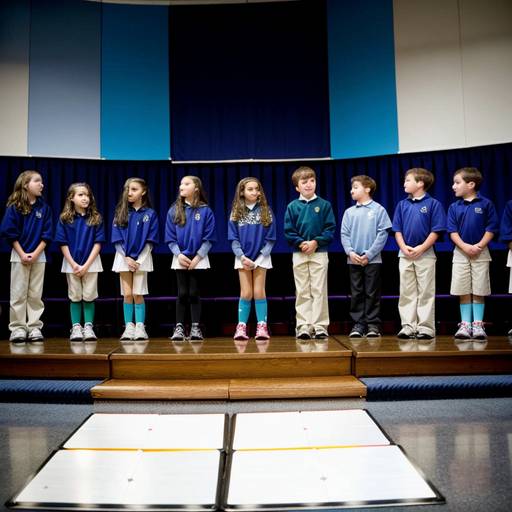
In this engaging music appreciation lesson for 3rd graders, students will explore famous songs from various genres to understand their emotional impact and cultural significance. The lesson begins with a discussion about favorite songs, allowing students to express how music resonates with them. Following this, they will listen to short excerpts from selected well-known songs and participate in a guided discussion about the feelings and messages conveyed in each piece.
After listening, students will be divided into small groups, where each group will analyze a specific song, discussing its themes and personal connections. They will create visual posters to represent their song's emotions and meanings, fostering collaboration and creativity. Each group will then present their work to the class, encouraging further dialogue and questions.
The lesson concludes with a reflection on the power of music in connecting people and cultures. An optional extension activity allows students to create their own short songs or poems inspired by the emotions explored. Assessment will focus on participation, the creativity of the posters, and the ability to articulate personal connections to the music. The lesson aims to foster a deeper appreciation for music and enhance students' understanding of its role in expressing emotions and storytelling.
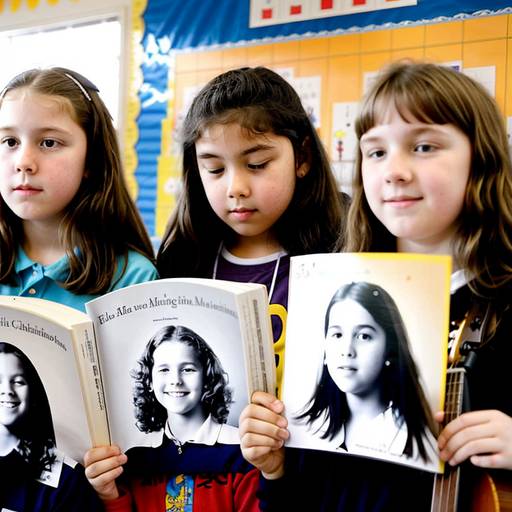
This lesson plan for 5th-grade students focuses on music appreciation and explores famous songs from various artists. The lesson begins with a warm-up discussion about students' favorite songs and the role of music in everyday life. Following the introduction, students engage in a listening activity where they hear short clips of famous songs, discuss their feelings and impressions, and learn about the historical and cultural context of each piece.
After the listening session, students break into small groups to create their own song or rap that conveys an important message, fostering collaboration and creativity. They write lyrics based on themes similar to those presented in the songs they listened to and prepare a performance for their classmates.
The lesson concludes with group performances where students showcase their creations, followed by a reflection on their learning experience regarding the impact of music on society. Assessment is based on participation, creativity, and the ability to express thoughts about the songs discussed. Extensions are suggested for further exploration of music genres and culture. Overall, the lesson promotes understanding and appreciation of music as a powerful form of expression and communication.

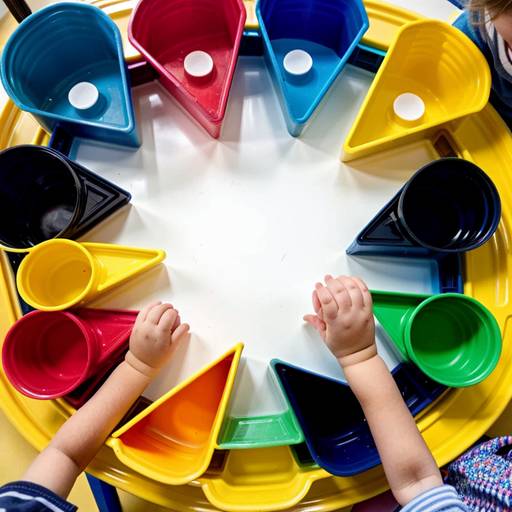
This preschool math lesson focuses on the concepts of sorting and classifying using engaging, hands-on activities that promote critical thinking and collaboration among students aged 4-5 years. The lesson begins with a group discussion and a story that introduces the idea of grouping items by attributes such as color, shape, and size.
Following this, the teacher demonstrates sorting techniques using a variety of colorful shape cutouts. Students then participate in a series of interactive sorting stations, where they practice sorting objects based on different criteria—color, shape, size, and mixed attributes. After engaging in the activities, students reflect on their experiences and share their insights as a class.
To conclude the lesson, children express their understanding creatively by drawing their favorite shape and color combinations. Assessment is based on observations during sorting activities, class discussions, and the evaluation of their drawings. Extension activities encourage further practice at home, reinforcing the concepts learned in class. Overall, the lesson successfully combines learning and fun, helping children grasp fundamental math skills through exploration and creativity.
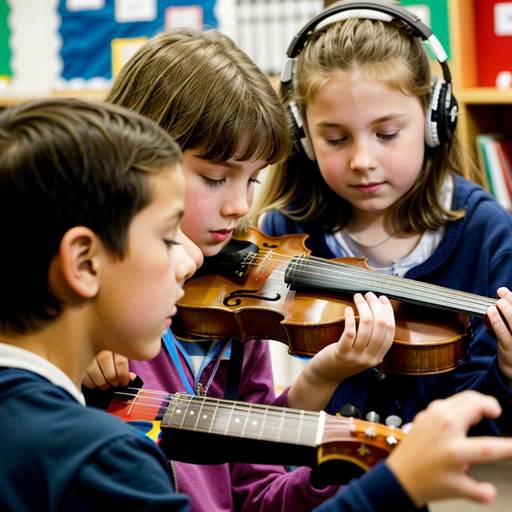
This lesson plan is designed for 4th-grade students to explore and understand the concept of dynamics in music, focusing on loudness and softness. The lesson begins with a discussion about dynamics, introducing essential terms and symbols such as piano (soft), forte (loud), crescendo (getting louder), and decrescendo (getting softer).
Students engage in active listening by analyzing a selection of musical pieces that showcase varied dynamics. Following this, they participate in a hands-on activity where they form small groups to create and perform their own short musical pieces, incorporating at least three different dynamics. Each group will present their work to the class, providing an opportunity for observation and feedback.
The lesson concludes with a class discussion on what students learned regarding dynamics and an individual worksheet activity that reinforces their understanding of the concepts. The lesson also includes extensions for homework, encouraging students to explore dynamics in their favorite songs, and accommodates different learning needs through tailored activities. Overall, this lesson encourages creativity, collaboration, and critical listening skills while fostering an appreciation for the nuances of musical expression.
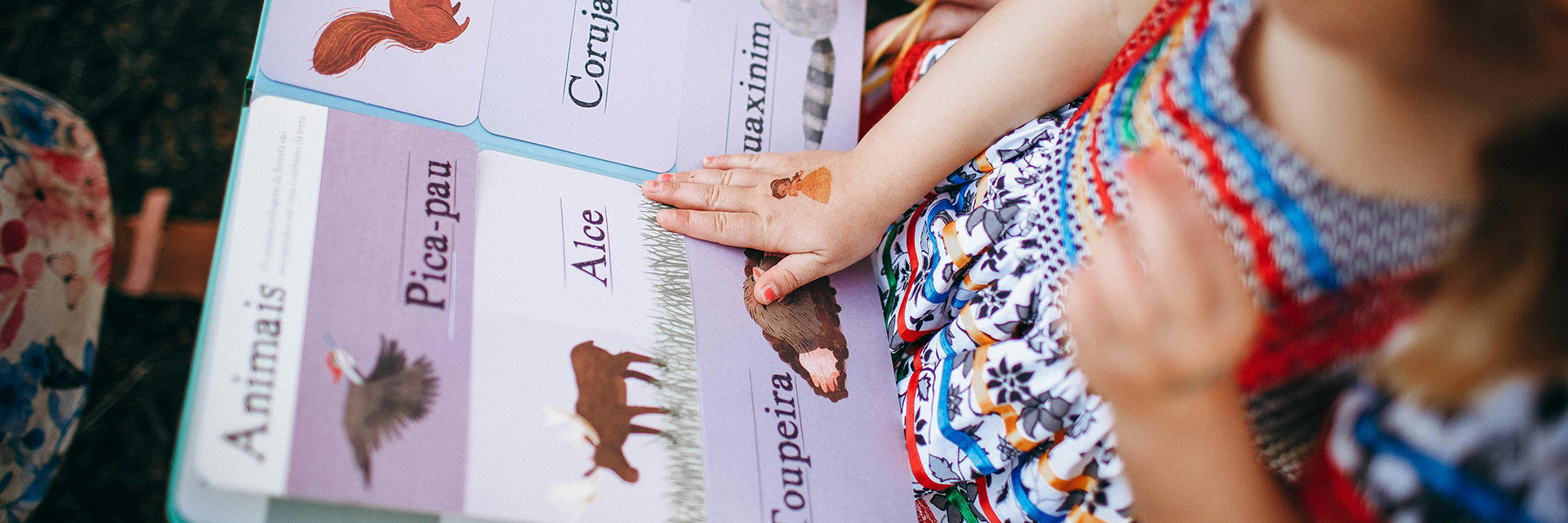
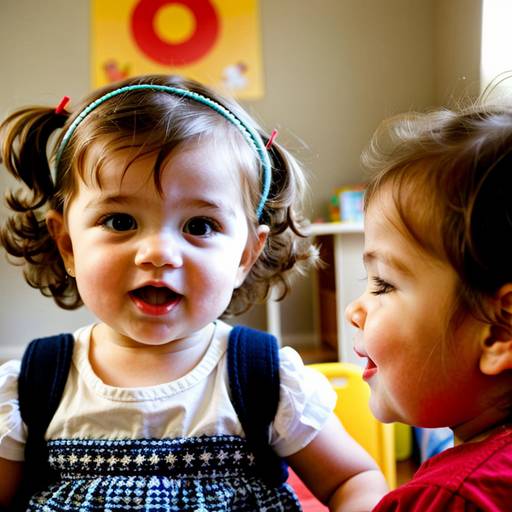
This lesson plan focuses on enhancing toddlers' listening and comprehension skills through engaging activities. It begins with a warm-up game where children guess various familiar sounds, fostering their auditory recognition. Following this, an interactive storytime session encourages participation as children answer questions and visualize characters through vivid illustrations. Musical activities allow toddlers to explore rhythm using colorful instruments while incorporating movement to facilitate deeper engagement. An imaginative play segment reinforces comprehension, where children share and mimic sounds associated with flashcards of animals or objects. The lesson concludes with a group discussion, allowing children to share their favorite sounds and reinforce vocabulary learned. Through diverse activities, this lesson aims to cultivate a love for listening and storytelling in young learners.