
Filters
Level
Grade
Subject
Subject Area
Subject Topic
Standard(s)
Audience
Keyword
DurationMinutes
Lesson Plans


This lesson plan focuses on sensory development for infants, emphasizing auditory exploration through engaging activities. Designed for infants aged 0 to 12 months, the session is structured to promote auditory discrimination and encourage caregivers to participate actively.
The lesson begins with a brief introduction to the concept of sounds, followed by a series of hands-on exploration stations. Each station features different sound sources: musical instruments, natural sound recordings, sound-making toys, and a sensory bin filled with interactive materials. Infants are encouraged to experiment with shaking, tapping, and exploring, fostering a sense of curiosity and awareness of cause and effect.
A group activity involves singing simple songs and nursery rhymes, allowing infants to participate by clapping or using instruments, reinforcing social interaction. The session concludes with a closing circle where caregivers share their observations and experiences, promoting a community of learning and support.
Throughout the lesson, caregivers are provided with insights on further sound exploration at home, creating continuity in sensory development. Overall, the plan aims to create a fun, interactive, and developmentally enriching environment for infants and their caregivers, centered around the theme of sound exploration.

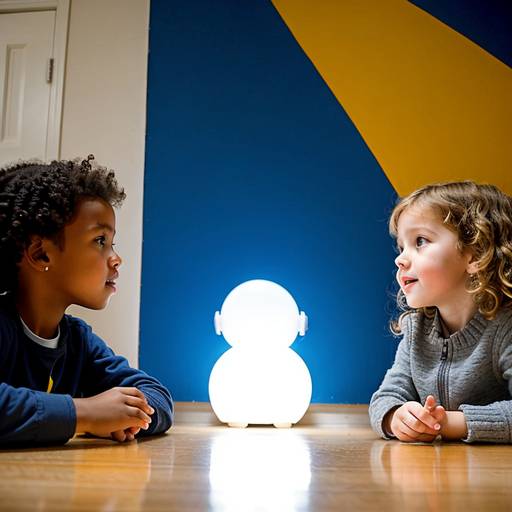
This preschool language lesson focuses on enhancing listening and speaking skills through interactive and engaging activities. The session begins with a discussion about sounds in the environment, allowing students to share their favorites. Following this, a warm-up activity prompts them to mimic various environmental sounds while describing them using descriptive language.
The next segment features a reading of a rhythmic story, encouraging participation through repeated phrases and sound effects, followed by open-ended questions to promote discussion. Students then engage in a sound match game where they identify and replicate sounds associated with picture cards, fostering vocabulary development.
The lesson continues with a hands-on instrument exploration, where students create and describe their own sounds, boosting their confidence in expression. A calming cool-down activity allows students to listen to soothing sounds, encouraging reflection on their feelings associated with the sounds.
The lesson concludes with a group reflection, where students share their favorite sounds, reinforcing the importance of effective communication. Assessment is based on participation, the ability to describe sounds and stories, and peer interaction, with adaptations available to meet diverse learning needs. Overall, the lesson provides a dynamic and supportive environment for developing critical language skills.

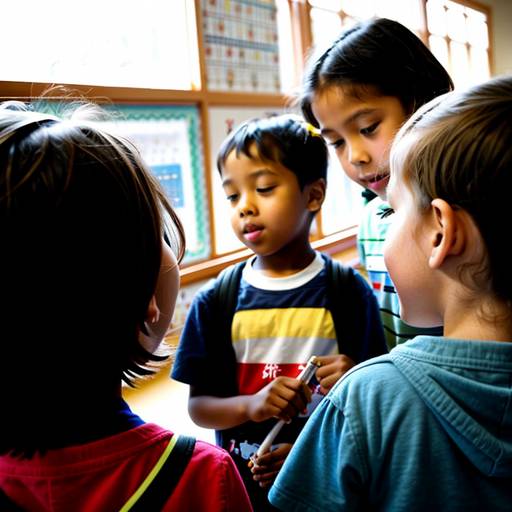
This Kindergarten music lesson focuses on introducing young students to the world of music appreciation and listening. Through interactive activities, students will explore various musical instruments by listening to audio clips and matching them with pictures. The lesson includes an engaging listening session where students will experience different genres of music, allowing them to express their feelings and thoughts about each piece. They will be encouraged to reflect on how the music makes them feel and to share any personal experiences related to the sounds.
To foster creativity, students will create artwork representing their emotional responses to the music. The lesson concludes with a group discussion to recap learning and encourage students to think about music they enjoy. Assessment will be based on participation, engagement in discussions, and the creativity demonstrated in their drawings. Extension activities include creating a class music playlist and exploring simple percussion instruments to further enhance their musical experience. The lesson is designed to be inclusive and culturally diverse, ensuring all students can connect with the music they encounter.
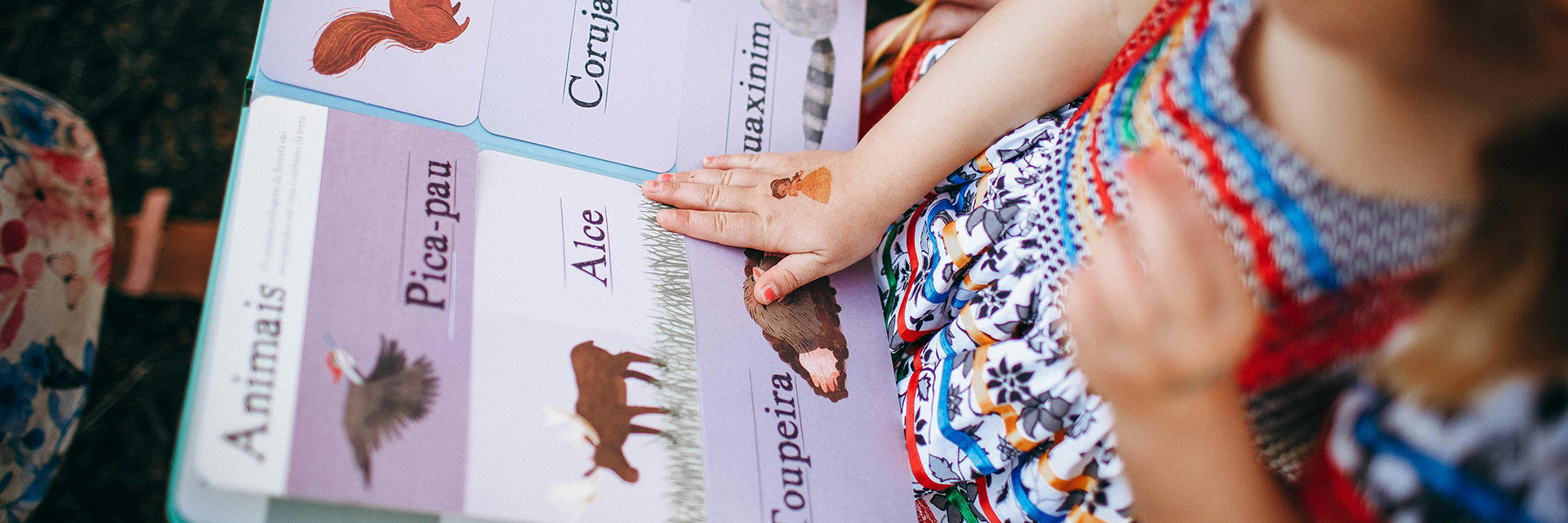
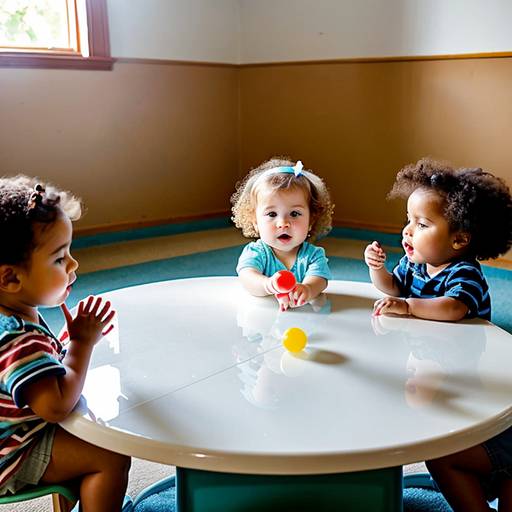
This toddler language development lesson plan focuses on enhancing phonemic awareness through engaging and interactive activities. The objectives include helping children recognize and manipulate sounds in spoken words while improving their listening skills and auditory discrimination.
The lesson begins with a warm-up song to capture the children's attention and introduces various sounds from their environment. Using a collection of household objects and toys, children learn to identify and mimic the sounds these items make. They then participate in a sing-along with musical instruments, emphasizing rhythm and rhymes.
Next, a sound matching game encourages children to connect pictures of familiar objects with their corresponding sounds, reinforcing memory and recognition skills. The lesson concludes with a calming reflection, where children share their favorite sounds and engage in a soft, interactive song.
Assessment is based on the children's ability to participate and mimic sounds throughout the activities. Extensions for the lesson encourage families to explore sounds together at home, further fostering phonemic awareness. Overall, the plan emphasizes playful exploration of sounds, essential for laying the groundwork for language and reading development.
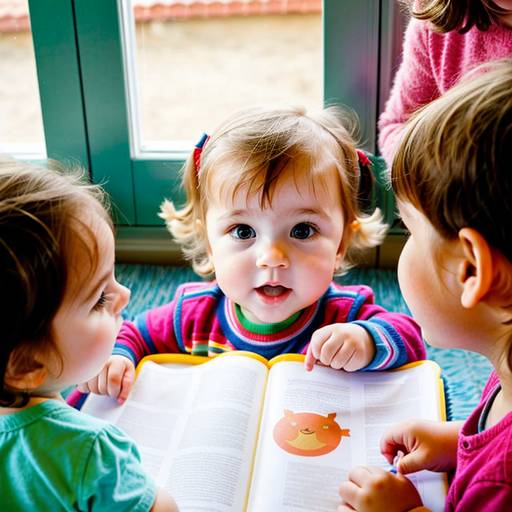
This lesson plan focuses on enhancing toddlers' listening and comprehension skills through interactive storytelling and sound identification activities. The session begins with a brief discussion about listening, encouraging children to share sounds they hear in their environment. A picture book with lively illustrations is read aloud, with pauses for questions to engage the children and prompt responses. Following the story, an audio game introduces various sounds, prompting children to identify and mimic them, reinforcing their understanding.
Hands-on exploration with toy musical instruments allows children to listen to a rhythm and imitate it, creating a lively atmosphere. The lesson concludes with a closing circle where children reflect on their favorite sounds and participate in a repetitive song. Assessment is based on observations of attentiveness, engagement, and participation throughout the activities. Extensions encourage continued listening practice at home and introduce a “sound jar” for future exploration. Overall, the lesson aims to cultivate a love for listening and strengthen comprehension skills in a fun, interactive environment.
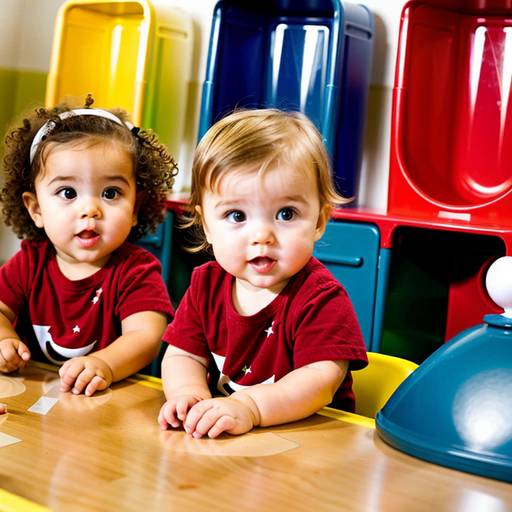
This lesson plan focuses on introducing toddlers to phonemic awareness through a series of engaging activities designed to promote sound recognition and production. The lesson begins with a fun sound exploration using sound jars to stimulate listening skills. Following this, toddlers participate in an interactive picture sound match, where they identify and replicate initial sounds of different objects and animals.
To add a physical element, a movement activity involves hopping to picture cards that correspond to specific sounds, reinforcing their learning through play. The session concludes with a calming sound storytime, where toddlers engage with a rhythmic story and participate in clapping or repeating sounds. The lesson emphasizes active participation, social interaction, and the development of foundational phonemic awareness skills, encouraging continued reinforcement at home through simple activities.
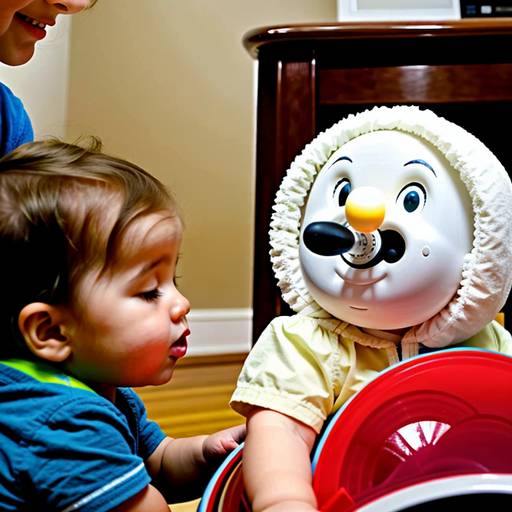
This lesson plan focuses on enhancing auditory sensory development in infants aged 6-12 months through engaging activities centered around sound exploration. The session begins with welcoming the infants and their caregivers and introduces a calming auditory atmosphere.
The first activity invites infants to explore sound-making instruments, such as maracas and tambourines, encouraging them to shake and bang the instruments with caregiver assistance. Following this, a second activity utilizes household items, allowing infants to create sounds by tapping and shaking safe kitchen tools, fostering creativity and engagement.
Next, a sensory storytime integrates sound effects and corresponding props, capturing the infants' attention while promoting sound recognition. The lesson continues with a sound response activity, where caregivers play nature sounds and encourage infants to respond through mimicry and movement.
To conclude the session, a calm environment is created with soft music, allowing infants to relax and reflect on the sounds experienced throughout the lesson. Caregivers are encouraged to notice their infants' sound preferences and reactions, promoting ongoing exploration of sounds at home. The session aims to create a fun and interactive experience, supporting auditory development in a nurturing environment.

In this Kindergarten music lesson, students will explore basic music theory concepts related to rhythm and note values through engaging activities. The lesson begins with a warm-up greeting song to foster excitement for music and an introduction to the significance of rhythm. Students will learn about different note values, such as quarter notes, eighth notes, and half notes, using clapping and body percussion for practice.
They will then participate in a group activity where small teams create and present their own rhythmic patterns through movement and sound. To further enhance their understanding, students will engage in a fun rhythm dice game, allowing them to make creative interpretations of various rhythms.
The lesson concludes with a reflection discussion where students share their insights on rhythm and its emotional impact, followed by a farewell song incorporating what they've learned. Throughout the session, teachers will continuously assess student participation and understanding, adapting practices to meet diverse learning needs. The focus remains on creating an enjoyable and collaborative musical experience.

In this 30-minute music lesson for 1st-grade students, the focus is on introducing the concepts of rhythm through interactive and engaging activities. The lesson begins with a discussion on rhythm, providing a basic understanding and demonstration through clapping simple patterns. Students participate in clapping along with various rhythm cards that illustrate different note types, such as quarter and eighth notes.
Following this, students enhance their learning by marching in place to upbeat music while clapping and stomping to different rhythmic patterns called out by the teacher. This activity reinforces their sense of timing and coordination. In the final segment, students work in pairs to create their own rhythmic patterns using body percussion, fostering creativity and collaboration. Each pair shares their rhythm with the class, promoting a fun, collective experience.
The lesson concludes with a reflection on what was learned and experienced, with emphasis on participation and enjoyment in rhythm. Assessment focuses on individual students' engagement and ability to keep time, while adaptations are provided for those needing additional support. Extensions allow students to practice rhythms at home, further embedding their understanding and appreciation of music.

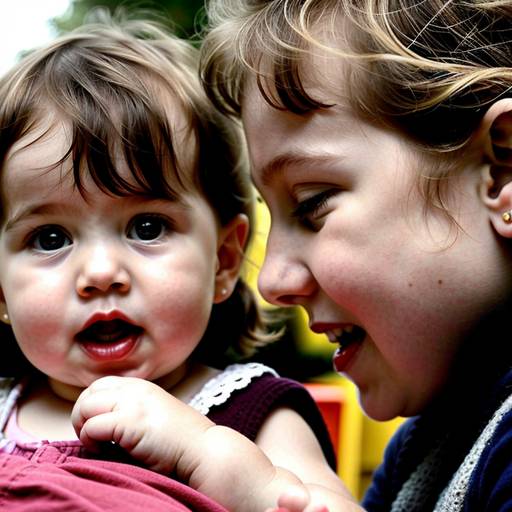
This lesson plan focuses on fostering infants' language development through playful babbling activities. Designed for infants aged 6-12 months, the session lasts 30 minutes and includes various interactive components. The plan begins with a welcoming song to engage the infants, followed by sound exploration using toys that produce different noises, encouraging them to mimic and respond to babbling sounds. An interactive storytime features rhythmic and repetitive sounds to invite participation, while mirror moments allow infants to see themselves as they vocalize, enhancing self-recognition and emotional connections. The session concludes with a cool-down period where caregivers and infants can relax together. Caregivers receive insights on the importance of babbling and tips to continue encouraging this skill at home. Optional extension activities include creating a "Sound Journal" to track and celebrate the infants' vocal progress. Overall, the plan aims to create a stimulating and enjoyable environment for infants to practice their emerging language skills.