
Filters
Level
Grade
Subject
Subject Area
Subject Topic
Standard(s)
Audience
Keyword
DurationMinutes
Lesson Plans

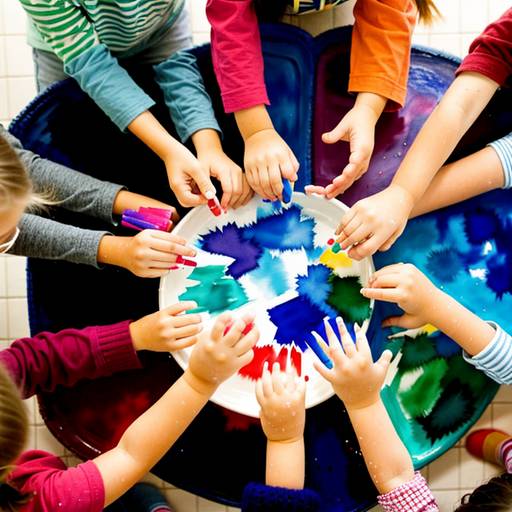
In this preschool art lesson, students will engage in an exploration of watercolors to create their own abstract paintings. The lesson aims to encourage creativity and self-expression through painting techniques such as wet-on-wet and wet-on-dry application, as well as using the salt technique for added texture. The session begins with a demonstration to familiarize students with the materials and methods, followed by a hands-on painting experience where they can experiment with color blending and layering. Afterward, students will have the opportunity to share their artwork with peers, discussing their color choices and experiences. The lesson concludes with a group cleanup and the possibility of displaying their creations. This activity not only fosters artistic skills but also promotes fine motor development and collaborative sharing among young learners.

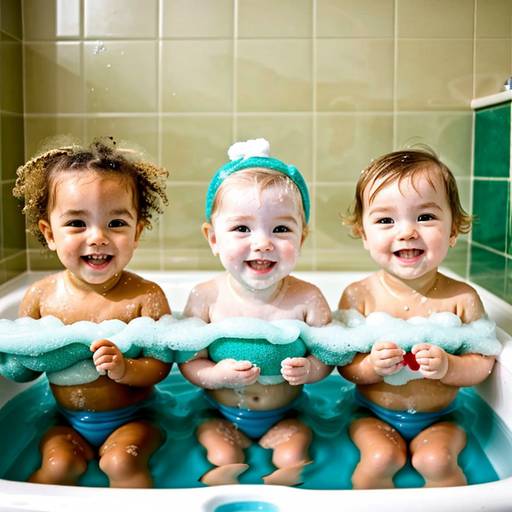
This engaging lesson plan focuses on teaching toddlers the importance of bath time as a part of their self-care and hygiene routine. The session begins with a discussion about their experiences with bath time, followed by a read-aloud of a relevant picture book to spark interest. Children will participate in a hands-on role-play activity using a toy bathtub, where they will learn and practice the steps involved in a proper bath, including washing and rinsing.
To reinforce learning, an illustrated chart will be presented, emphasizing the significance of each step. A fun clean-up song and dance will add energy to the lesson while providing an enjoyable way to remember the steps. The lesson will conclude with a wrap-up discussion, encouraging children to share their own experiences at home, reinforcing the lessons learned. Overall, this lesson aims to foster a positive attitude towards hygiene practices in a fun, interactive manner.

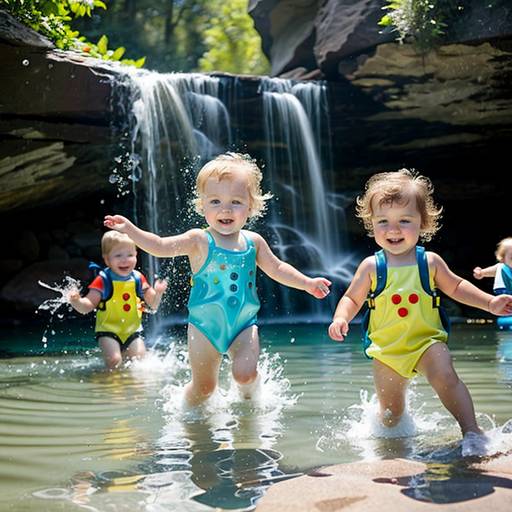
In this toddler-focused lesson plan, students will engage in hands-on exploration of water and its properties through various sensory activities. The session begins with an introductory discussion that encourages curiosity and connections to everyday life. Children will first explore a sensory table filled with water, where they can pour, measure, and observe how different natural items react in water. The activities then move outdoors or to a larger space for free play, where they can use various containers and tools to further investigate water, including interactive play with plastic animals or toys.
After the playtime, students will participate in a cleanup session, fostering teamwork and responsibility. The lesson concludes with a reflective circle, discussing their favorite parts of the activities and what they learned about water. To reinforce the exploration, a simple art activity related to the water theme allows children to express their creativity and share their experiences. The plan emphasizes sensory engagement, communication skills, and scientific curiosity, while also providing opportunities for language development and teamwork. As a follow-up, additional activities are suggested to extend the exploration of water and its various forms in future lessons.

In this 1st-grade physical education lesson, students participate in a variety of engaging activities focused on exploring sports and gymnastics. The class begins with a brief discussion about the importance of exercise, followed by a fun warm-up to prepare their bodies for movement. Students are then divided into small groups to rotate through four stations, each designed to develop different physical skills. Activities include hula hooping, soft ball passing, jump rope challenges, and practicing basic gymnastics movements on mats. After completing the stations, students cool down with gentle stretching and deep breathing exercises. The lesson concludes with a recap, allowing students to share their favorite activities, reinforcing the positive aspects of teamwork and physical fitness. Throughout the lesson, teachers assess participation and skill development to foster a supportive and encouraging environment.

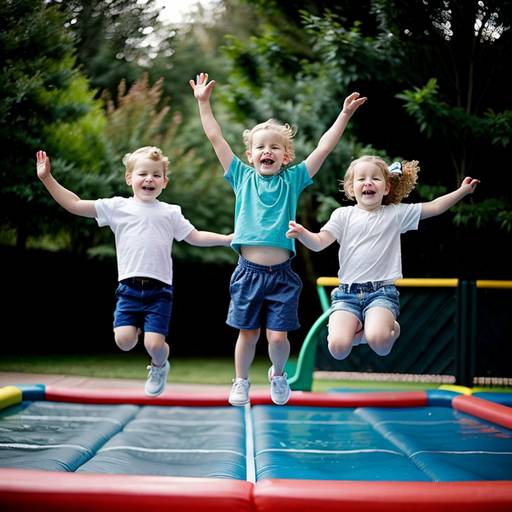
This lesson plan focuses on developing toddlers' gross motor skills through a series of engaging jumping activities. Aimed at children aged 2 to 4, the session lasts 30-35 minutes and includes a variety of fun exercises designed to enhance coordination, balance, and spatial awareness.
The activities involve warm-up exercises to prepare the children, followed by structured play at multiple stations featuring hula hoop hops, a zigzag cone course, jump rope challenges, and a foam mat challenge. These stations enable children to practice their jumping abilities in a supportive environment. Additionally, a relay race encourages teamwork and friendly competition, allowing each child to showcase their jumping skills.
The session concludes with a cool-down routine that includes gentle stretches and a calming song, promoting relaxation after energetic play. Throughout the activities, children receive positive reinforcement while caregivers are encouraged to continue fostering jumping skills at home. Safety is a priority, with careful attention given to the jumping area to ensure a secure play environment.
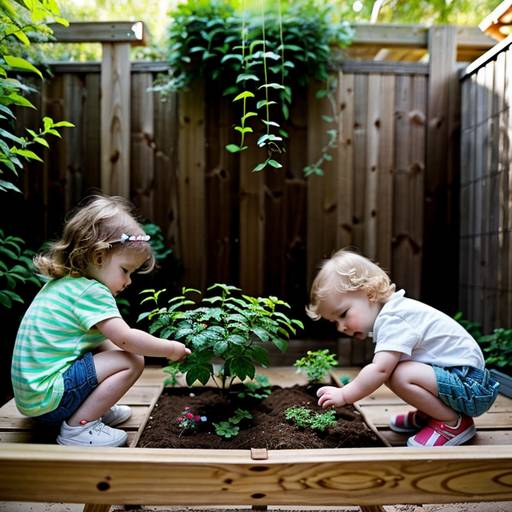
In this engaging lesson plan designed for toddlers aged 2-4, students will explore the fundamentals of gardening through hands-on activities and sensory experiences. The lesson begins with a discussion on plant growth, allowing children to share their thoughts and observations about gardens.
Participants will then engage in a hands-on planting activity, where they will fill pots with soil, plant seeds, and learn about the importance of watering plants. A nature walk will follow, encouraging children to collect various natural items, which they can explore in a sensory play activity.
To foster creativity, children will also have the opportunity to draw their favorite plants and decorate their pots with stickers and drawings. The lesson concludes with a wrap-up discussion to reinforce learning and a healthy snack that connects plants to food. Throughout the session, students will develop a deeper understanding of gardening concepts and an appreciation for the natural world, while encouraging ongoing curiosity and exploration.

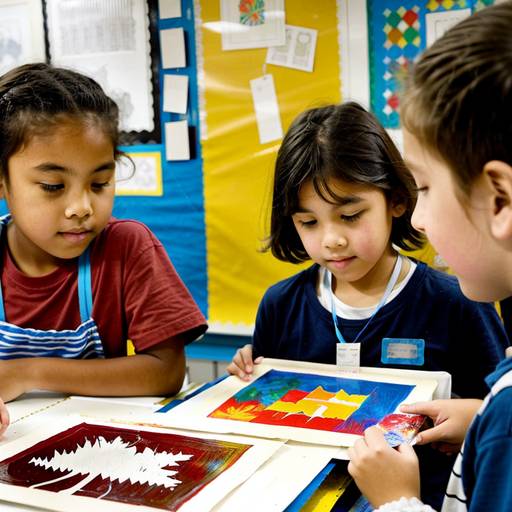
In this 3rd-grade art lesson, students will explore the fundamentals of printmaking by creating their own stamped prints. The lesson begins with a discussion about what printmaking is and examples of its use in everyday life. Students will design and cut their own foam stamps, focusing on simple shapes and patterns that can create interesting textures.
Once their stamps are completed, they will learn how to apply paint to their stamps using sponges, ensuring an even coating. The main activity involves stamping their designs onto large sheets of paper, experimenting with color combinations and layering techniques to enhance the visual impact of their prints.
After creating their artwork, students will share their pieces and reflect on their learning experiences. The lesson concludes with a brief cleanup, and students will have the opportunity to display their work while discussing the creative process and their favorite aspects of printmaking. Assessment will be based on participation, creativity, and each student's ability to articulate what they learned. Extensions of the lesson may include introducing more advanced printmaking techniques in future classes.
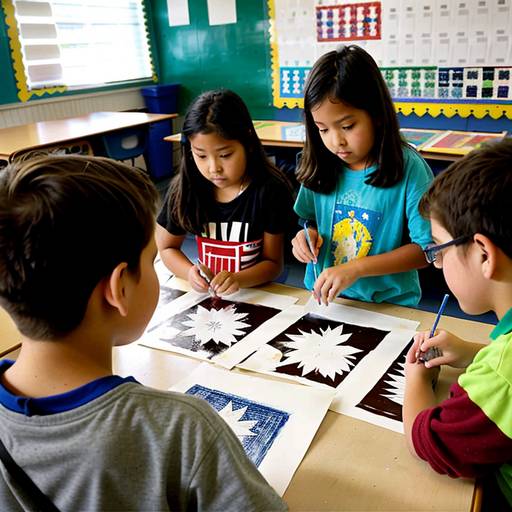
In this art lesson for 4th grade students, participants will explore the fundamentals of printmaking by creating their own stamps and using them to produce artistic prints that reflect personal stories or themes. The lesson is divided into two class periods.
During the first session, students will learn about printmaking techniques through discussion and demonstration. They will brainstorm ideas for their artwork and create sketches that focus on patterns and repetition. In the second session, students will transform their designs into stamps made from foam or potatoes, applying paint to print their creations onto paper.
The lesson emphasizes creativity, self-expression, and the narrative behind each student’s artwork. After printing, students will share their pieces with the class, discussing the themes and patterns present in their work. The teacher will assess students based on their participation, creativity, and craftsmanship, while providing feedback to encourage further interest in printmaking. Adaptations will be available for students with varying skill levels or physical disabilities to ensure inclusive participation in the art-making process.
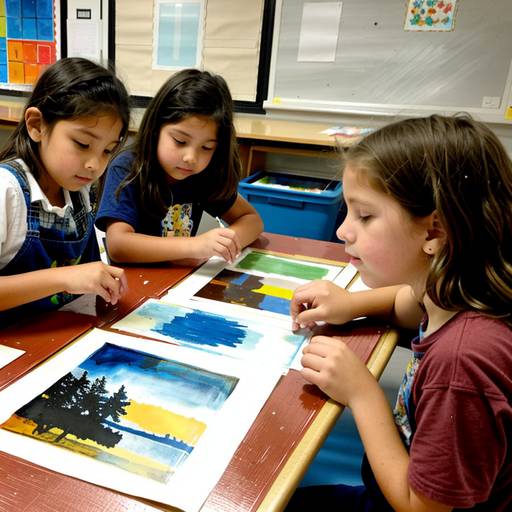
In this 3rd-grade art lesson, students will explore the basics of printmaking by creating their own stamps from potatoes or foam. The lesson begins with an introduction to printmaking concepts, including a discussion on different types of prints and their uses. After a demonstration on how to create stamps, students will craft their own designs and experiment with paint to make colorful impressions on paper. The class will then participate in a reflection and sharing session where they will discuss their artwork and the inspiration behind their designs. Cleanup and organization will follow, ensuring students learn the importance of maintaining a tidy workspace. This lesson promotes creativity, self-expression, and an appreciation for various art forms, while also encouraging collaboration and discussion among peers. Extensions for early finishers and a discussion of famous printmaking artists provide opportunities for further exploration in future lessons.

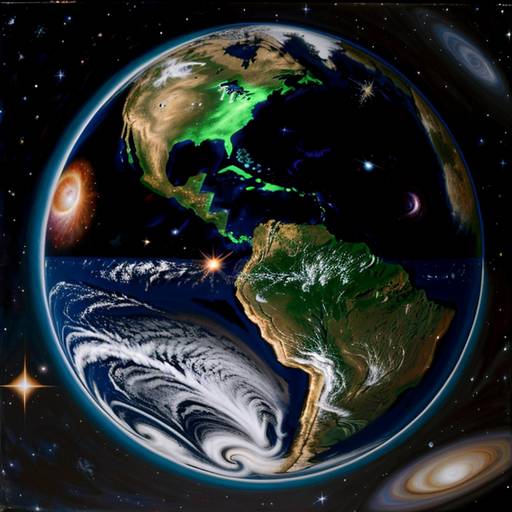
In this 4th-grade science lesson plan, students will engage in exploring the solar system and understanding celestial bodies such as planets, moons, and stars. The lesson begins with a discussion about astronomy, followed by a short video that introduces the solar system. Students will learn about the order of the planets, their characteristics, and how they relate to Earth, as well as the importance of space exploration and key missions.
Following this introduction, students will work in small groups to research a specific planet or celestial body, creating informative posters that highlight its features and interesting facts. Each group will then present their findings to the class, fostering engagement and discussion. The lesson concludes with a recap of key concepts and an assignment for students to complete at home, illustrating significant milestones in space exploration.
Assessment will include participation in discussions, evaluation of group posters, and the completion of the take-home worksheet. The lesson offers opportunities for extensions, such as field trips or invitations to guest speakers, and encourages students to observe the night sky and document their findings in a personal journal.