
Filters
Level
Grade
Subject
Subject Area
Subject Topic
Standard(s)
Audience
Keyword
DurationMinutes
Lesson Plans


This lesson plan focuses on enhancing listening skills in infants aged 0-12 months through engaging, interactive activities. The session begins with an introduction emphasizing the importance of listening for language development. Infants participate in a sound exploration activity where they listen to various environmental sounds and interact with sound-making toys. Following this, infants enjoy a musical moments segment where they are introduced to simple instruments, encouraging them to mimic sounds and engage with music. The plan includes an interactive listening game where infants match sounds to picture cards, reinforcing auditory recognition. The lesson concludes with a calm wrap-up that highlights the sounds experienced and offers caregivers practical tips for continuing listening activities at home. Assessment focuses on observing infants' reactions and engagement, providing insights into their listening behaviors and developmental progress. The plan is designed to create a safe, stimulating environment that fosters auditory discrimination and early language skills.


This lesson plan focuses on fostering sensory exploration through sound for infants aged 6 to 12 months. During a 30-minute session, caregivers and their babies engage in a series of interactive activities aimed at enhancing auditory awareness. The session begins with a welcoming song, followed by three exploration stations.
At the first station, infants play with various musical instruments, discovering how movement affects sound production. The second station allows them to interact with different sound-making objects, encouraging tactile exploration and the ability to recognize and react to diverse sounds. In the final station, infants listen to recordings of nature sounds while viewing corresponding visual aids, helping them connect auditory experiences with visual elements.
The session concludes with a group closing song, creating a joyful atmosphere where infants are invited to participate using their instruments. Caregivers are encouraged to continue sound exploration at home, reinforcing auditory skills in a playful manner. Throughout the activities, observations are made on infants’ engagement levels and their ability to respond to different auditory stimuli, providing insight into their sensory development.

In this 3rd-grade music appreciation lesson, students will engage in an exploration of various musical genres and instruments while developing their listening skills. The lesson begins with a discussion about music and its significance, where students share their favorite types and instruments.
Next, the class will listen to several short excerpts of music, followed by reflections on the instruments heard and the emotions evoked by the pieces. Visual aids featuring different instruments will support this discussion.
Students will then express their creativity by drawing an instrument they heard or depicting the feelings the music inspired. A group discussion will follow, allowing students to share their perspectives and learn about music as a form of expression.
Finally, the lesson concludes with a fun song that encourages participation. Assessment will be based on student engagement during discussions and the artwork they create. Extensions will promote further exploration of music at home and collaboration to build a classroom playlist. Overall, this lesson aims to foster a deeper appreciation for music and enhance critical listening skills.
In this 2nd-grade music appreciation lesson, students will explore the world of music by enhancing their listening skills and developing an appreciation for various genres and instruments. The lesson begins with a discussion on music's significance in everyday life, allowing students to share their favorite songs. They will listen to short excerpts of different music styles, during which they will identify sounds, instruments, and emotions evoked by the music.
As part of the activity, students may use listening cones or blindfolds to focus on the auditory experience. Following the listening exercise, they will learn about various instruments through picture cards and discuss how these instruments contribute to different genres. To encourage creativity, students will complete a worksheet where they either draw their favorite instrument or write about their preferred music genre, focusing on their feelings and thoughts.
The lesson concludes with an invitation for students to share their creative responses with the class, promoting reflection on music's impact on emotions and connections. To wrap up, a lively song will be played to encourage movement and joy, reinforcing the idea that music is a source of happiness and unity. Additionally, options for extending the lesson through classroom playlists or a "Show and Tell" day are provided to keep the music engagement ongoing.
In this 5th-grade music appreciation lesson, students will explore a variety of musical genres from different cultures around the world, enhancing their active listening skills. The class will begin with an engaging discussion about favorite songs and the significance of diverse musical styles. Following this, students will listen to a series of audio clips, including classical, jazz, rock, folk, and world music, while reflecting on their emotional responses and the musical elements they identify.
Using their listening journals, students will capture their thoughts after each piece, noting feelings, imagery, and instrumental characteristics. To express their insights creatively, they will then create artworks inspired by one selected piece of music, incorporating their reflections into their illustrations. The lesson will conclude with a gallery walk where students share their artwork and thoughts with peers, fostering a collaborative appreciation for music. Assessment will be based on participation, journal entries, and creativity in the art project. Extensions can include research assignments on specific genres or artists, reinforcing the connection between music and cultural identity.
In this engaging music history lesson for 5th-grade students, participants will explore various musical styles from different historical periods and understand their cultural significance. The lesson begins with auditory examples from Baroque, Jazz, and Rock music, prompting students to express their emotional reactions and discuss the evolution of music.
Following an overview, students will rotate through interactive "musical style stations," where they will listen to audio samples, learn key characteristics of each era from visual aids, and participate in hands-on activities related to those styles. After regrouping for a discussion, students will form small groups to create presentations that highlight a specific musical era—incorporating audio examples, key features, and a creative skit or song.
The lesson concludes with group presentations, encouraging peer engagement, collaboration, and creativity. Assessment will focus on participation and the depth of understanding demonstrated during discussions and presentations, while a follow-up activity invites students to bring in a personal favorite song to share in future lessons.
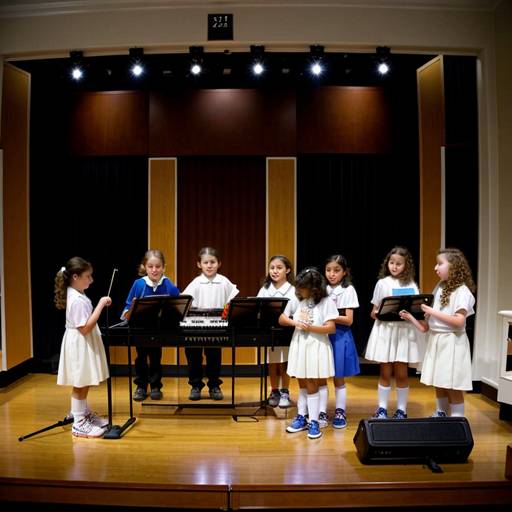
In this third-grade music history lesson, students explore various music periods, including Baroque, Classical, Romantic, and Contemporary. The lesson begins with a discussion on the importance of music and its historical context. Students then engage in a listening activity, where they hear key pieces from each period and share their thoughts on the instruments, emotions, and purposes of the music.
Following this, students are divided into small groups, each assigned a music period to create a short musical composition using simple instruments. This hands-on activity encourages creativity while allowing students to incorporate characteristics of their assigned period. Each group presents their composition to the class, fostering communication skills and teamwork.
The lesson concludes with a group reflection on what they learned about the evolution of music and its cultural significance. Students receive a worksheet summarizing the key features of each music period to reinforce their understanding and allow for individual assessment. Throughout the lesson, students actively participate in discussions and activities, promoting both musical appreciation and creativity.
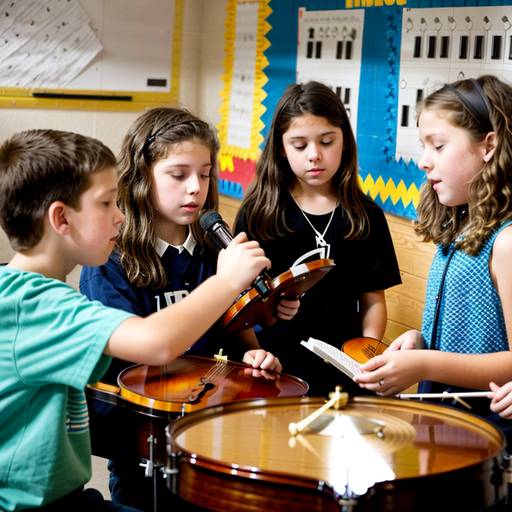
The lesson is designed for 4th-grade students to explore the evolution of music and its various styles throughout history. It begins with a warm-up discussion about students' favorite types of music, followed by a presentation detailing a timeline of music history. Students will listen to audio samples from different periods, including Baroque, Classical, Romantic, and 20th Century music, while learning about key composers and musicians associated with each style.
To deepen their understanding, students will participate in a group activity involving musical exploration stations where they will listen to audio clips, read artist biographies, and fill out worksheets to document their thoughts. If feasible, students may also experiment with percussion instruments to connect with the music physically.
The lesson concludes with a group sharing session, allowing students to present their findings and reflect on how music relates to culture and history. Assessment includes participation in discussions and completion of worksheets, ensuring that students engage thoughtfully with the material. Extensions for the lesson encourage further research and creative expression. Overall, the lesson aims to instill an appreciation for the diverse musical landscape and its historical significance.
In this 4th-grade music appreciation lesson, students will explore various music genres, including classical, jazz, rock, pop, and world music. The lesson begins with a discussion on the importance of music and personal favorites, followed by listening to short audio clips of each genre. Students will share their thoughts and feelings about the music, leading to a collaborative chart that highlights the characteristics of each genre.
In small groups, students will engage in a creative activity where they create visual collages representing their assigned genre, incorporating key traits, instruments, and notable artists. Each group will then present their collage to the class, fostering communication and teamwork. To conclude the lesson, students will reflect individually on their favorite genre through a worksheet, articulating their preferences and reasons.
Assessment will be based on participation, the quality of the collages, and the reflections submitted by each student. Additionally, students will be encouraged to contribute their favorite songs to a class playlist for future enjoyment, reinforcing the lessons learned about music diversity and appreciation.
In this 5th-grade music appreciation lesson, students will explore various music genres from around the world, fostering an understanding of cultural diversity through sound. The lesson begins with a discussion about the importance of music in their lives and an introduction to different genres. Students will be divided into small groups, each assigned a specific genre to listen to and analyze. They will fill out a listening guide that captures key characteristics, instruments, and cultural significance while engaging with audio clips. Following their exploration, groups will present their findings to the class, promoting peer learning and discussion. The lesson concludes with a class reflection on the diverse genres explored and personal connections to the music. Assessment will be based on participation, completion of the listening guide, and engagement in discussions. Optional extensions encourage further research and creative projects related to the genres studied.