
Filters
Level
Grade
Subject
Subject Area
Subject Topic
Standard(s)
Audience
Keyword
DurationMinutes
Lesson Plans
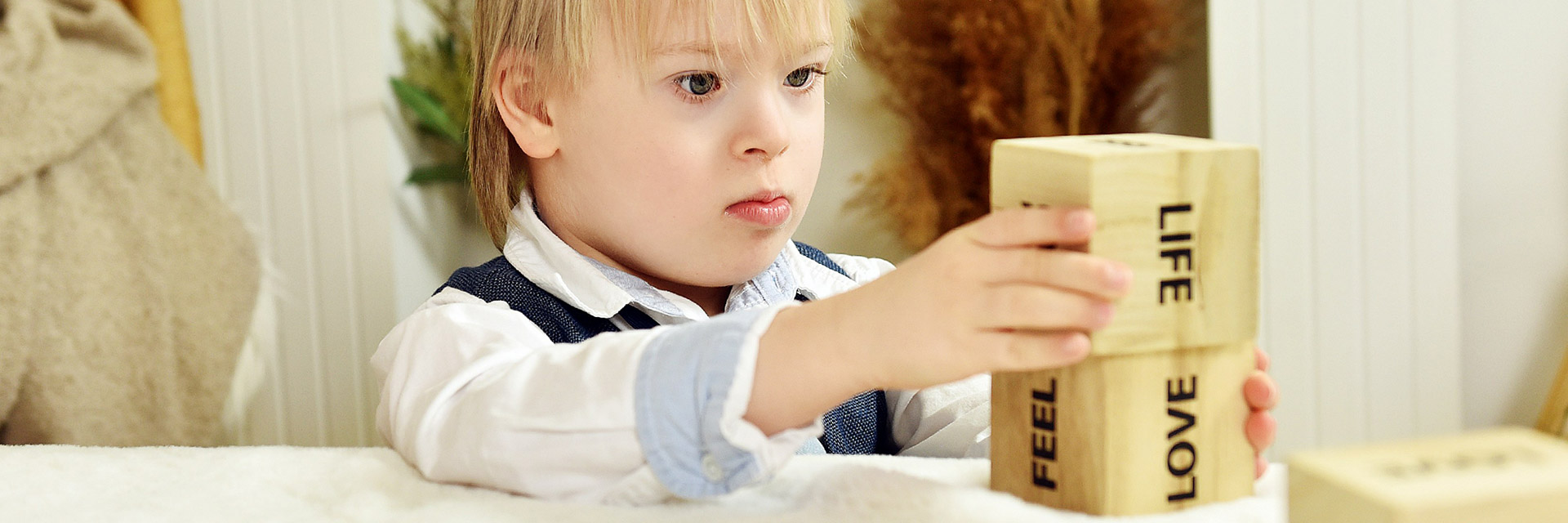
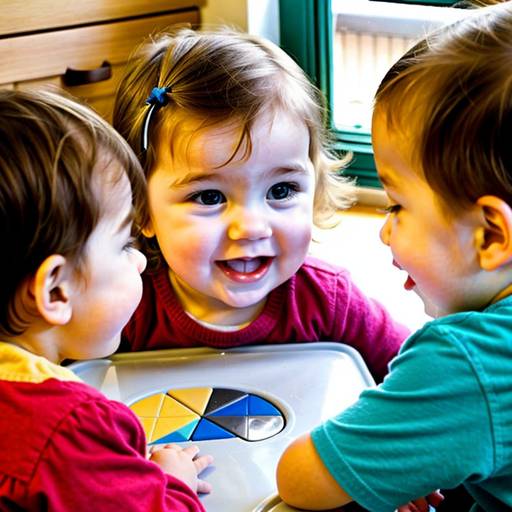
This lesson plan focuses on teaching toddlers the important social skill of sharing in a fun and interactive way. The session begins with a circle time where children discuss the concept of sharing, followed by reading a story that illustrates the theme.
Next, toddlers participate in a group play activity where they take turns picking toys and practice asking their peers to join in. This encourages communication and collaboration among the children. Following this, a movement game allows them to express their understanding of sharing through dance and creative interaction with partners.
The lesson concludes with a crafting activity where each child creates a decorative handprint, illustrating something they enjoy sharing. The session ends with a reflection circle, allowing children to express their feelings about sharing and share their crafts with peers. Throughout the activities, educators observe and encourage sharing behaviors, fostering a supportive environment for social development.

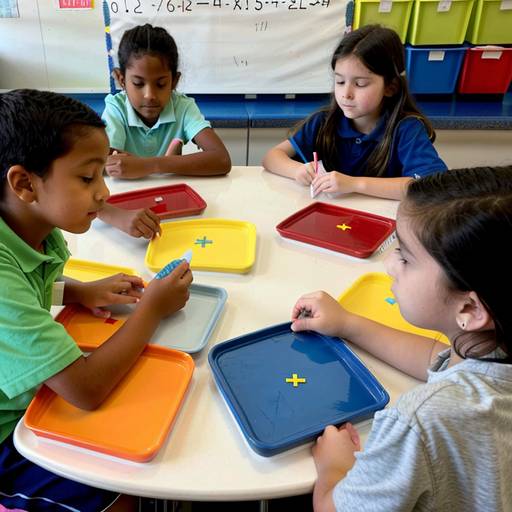
This lesson plan is designed for 3rd-grade students to help them understand fractions as parts of a whole using relatable examples from their everyday lives, such as sharing food. The lesson begins with a discussion about dividing items like pizza or cake into parts, introducing key terms such as numerator and denominator. Through direct instruction, students will engage in hands-on activities by cutting paper plates into halves, thirds, and quarters while labeling the fractions visually.
With guided practice, students will create their own fraction representations and share their work with peers. They will then move on to independent practice by solving fraction word problems on worksheets, which will allow them to reinforce their understanding of the concept. The lesson concludes with a brief review and reflection, emphasizing the importance of fractions in daily activities. Assessment will be conducted through observation during class activities and by reviewing the completed worksheets. Optional extensions for future lessons may include exploring more complex fractions or incorporating educational games to reinforce their learning.
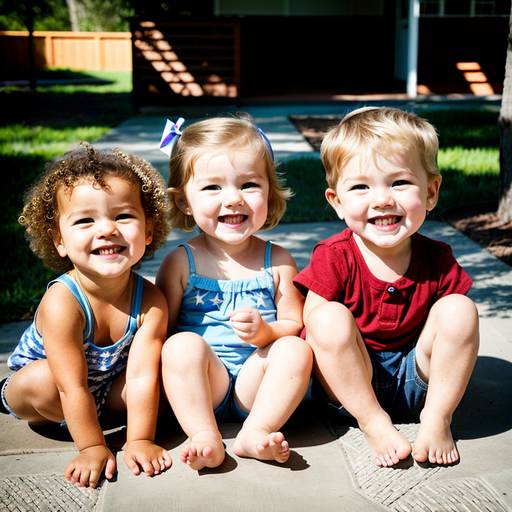
This lesson plan focuses on enhancing toddlers' communication skills through engaging activities centered around storytelling and creative expression. The session begins with a welcoming song to gather the children and introduces the concept of storytelling using vibrant picture books. As the story is read aloud, children are encouraged to interact by observing illustrations and responding to open-ended questions.
Following the story, children engage in puppet play, where they create dialogues in pairs, promoting both verbal communication and collaborative interaction. An artistic component allows them to draw their favorite story elements and share their creations with the group, fostering further verbal expression. The lesson concludes with an interactive song that encourages movement and participation, reinforcing communication and social connection among peers.
Throughout the activities, the emphasis is on observational assessment, with an aim to promote children's ability to express themselves and engage with others effectively, laying a foundational understanding of social skills.
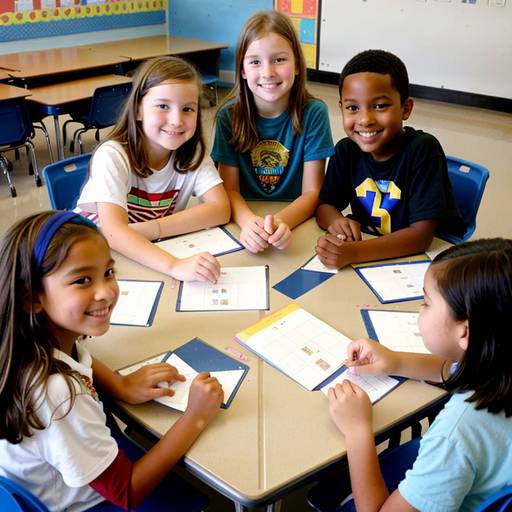
In this 3rd-grade math lesson focused on division, students will explore the concept of division through hands-on activities and collaborative learning. The lesson begins with a discussion about sharing items, connecting it to the idea of dividing. Students will then observe and engage with division as they model problems using counters, reinforcing the idea of equal groups.
After guided practice with their own sets of objects, students will work in small groups to create visual representations of division problems on chart paper. They will present their findings to the class, fostering collaboration and communication.
As a conclusion, students will complete a worksheet with simple division problems to demonstrate their understanding independently. Throughout the lesson, various assessment methods will be used to gauge student comprehension. The plan includes differentiation to support varying skill levels and extension activities to deepen understanding outside the classroom. By the end of the lesson, students will have a clearer grasp of division as a practical and shareable concept.

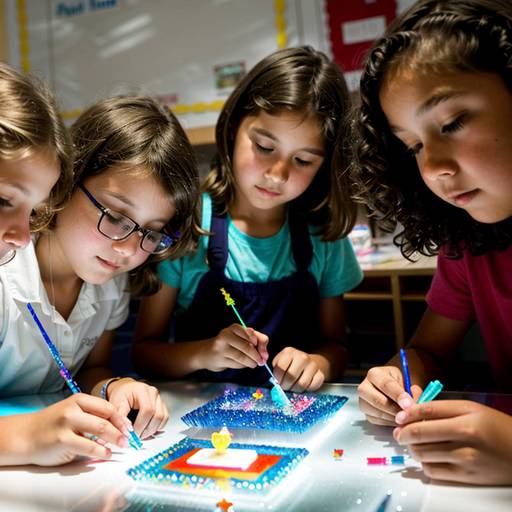
In this 4th-grade art lesson, students will explore the fascinating world of glass art by learning about various forms, such as stained glass, glass blowing, and glass fusion. The lesson begins with a discussion and visual presentation, showcasing different examples of glass art and highlighting the interplay of color and light. Following a demonstration on how to create their own glass art piece using colorful tissue paper and contact paper, students will engage in a hands-on activity where they cut and layer shapes to replicate the beauty of stained glass.
Throughout the process, students will develop their fine motor skills and creativity while collaborating with peers. The lesson concludes with a sharing session, allowing students to present their artwork and reflect on their experiences. As an extension, students may display their creations and explore real-world applications of glass art. Overall, this lesson aims to inspire students' artistic expression while fostering an appreciation for this unique art form.
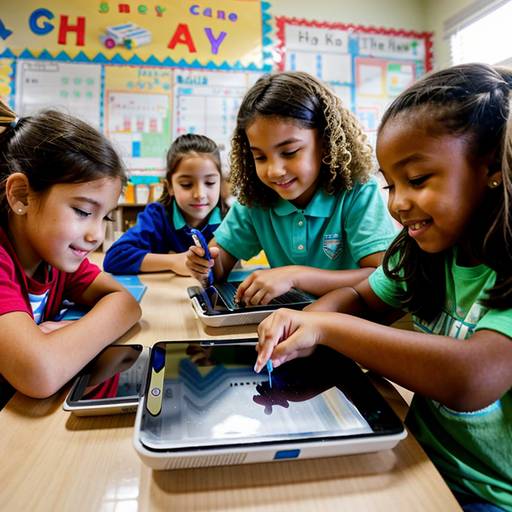
In this 2nd-grade technology lesson, students will explore the importance of maintaining and cleaning their devices to ensure optimal performance and hygiene. The lesson begins with an engaging discussion about the inner workings of devices and the consequences of neglecting their care. A demonstration highlights proper cleaning techniques using appropriate materials, stressing the importance of using safe products. Students will then participate in a hands-on activity in small groups, discussing care strategies and applying their knowledge to a sample device scenario.
Next, they will create a maintenance checklist, brainstorming necessary steps for device care and designing it creatively. The lesson concludes with group presentations of their checklists and a reflection on their responsibility for technology. Throughout the session, students will learn essential maintenance practices while encouraging teamwork and creativity, fostering a sense of ownership over their technological tools.
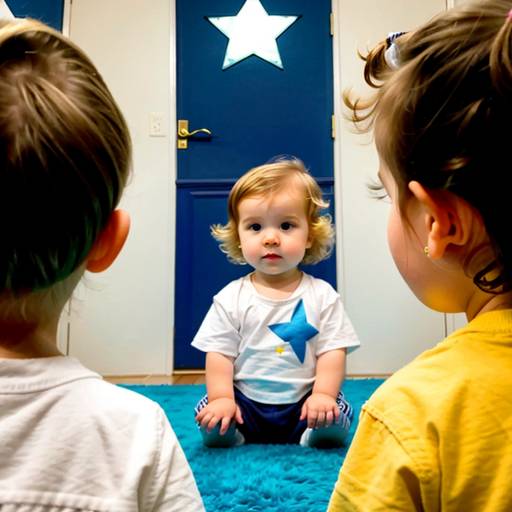
This lesson plan focuses on helping toddlers develop confidence by understanding and expressing their unique qualities. The lesson begins with a circle time discussion where children share what makes them special, fostering a sense of self-worth. A mirror activity encourages each child to look at themselves and articulate something they love about their appearance or abilities.
Next, a craft project allows toddlers to create their own stars, decorated with drawings and stickers representing their individual strengths. A story featuring a confident character provides relatable context, prompting discussions about the character's traits and actions. The lesson includes a movement activity where children dance freely, embodying the idea of expressing confidence through physical movement.
The session concludes with a reflective circle, where children share their learnings and reinforce their understanding that everyone has something special to offer. This engaging lesson encourages self-acceptance and builds a supportive community among the children, laying the groundwork for their social skills development.

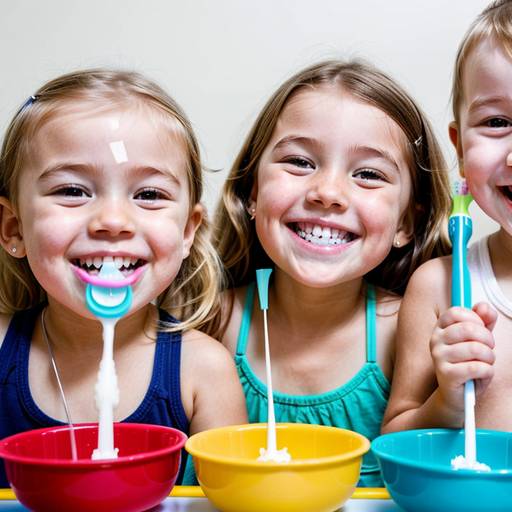
This lesson plan focuses on teaching toddlers the importance of dental hygiene, specifically through the practice of brushing teeth. It includes engaging activities such as storytelling, demonstrations, and hands-on practice to help children learn the correct technique for brushing. The session begins with an interactive discussion about teeth, followed by reading a story that emphasizes the topic. A demonstration using a dental model illustrates proper brushing steps, which children then practice with their own toothbrushes.
Additionally, the lesson highlights the role of healthy eating in maintaining dental health, using visual aids to differentiate between nutritious foods and sugary snacks. The class concludes with a fun, interactive song about brushing teeth, reinforcing the key messages and ensuring children leave with a solid understanding of good oral hygiene practices. A take-home activity for parents further supports ongoing conversations about dental care at home. The overall goal is to foster independence and promote lifelong healthy habits in young learners.
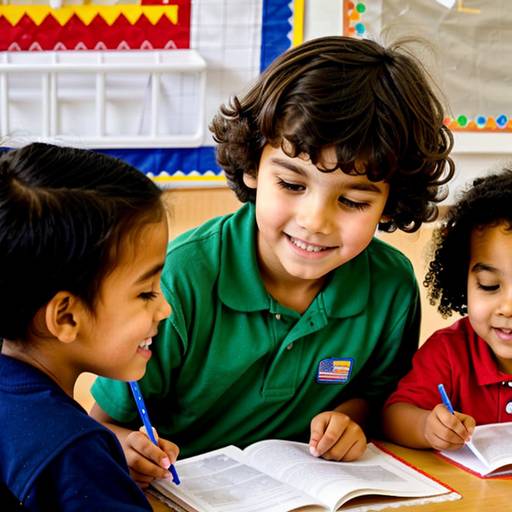
This preschool lesson plan focuses on helping young students recognize and use basic sight words to enhance their pre-reading skills. The session begins with an introduction to sight words, highlighting their importance in reading. Following this, an engaging game called "Sight Word Simon Says" allows students to practice these words through movement.
Next, the teacher reads an illustrated storybook that incorporates the sight words, encouraging students to join in when they hear familiar words, thus reinforcing recognition and understanding. An interactive "Safari Animal Match" activity provides a hands-on approach, where students find associated sight word flashcards after selecting a toy animal.
As a creative expression element, students illustrate a chosen sight word on poster paper, allowing them to connect art with language learning. The lesson concludes with a reflection segment where students share their thoughts on the sight words and the activities.
Overall, the lesson emphasizes participation, collaboration, and creativity, making the learning of sight words a fun and enriching experience for preschoolers. Optional worksheets are provided for practice at home, and extensions are suggested to further reinforce sight word recognition in different contexts.
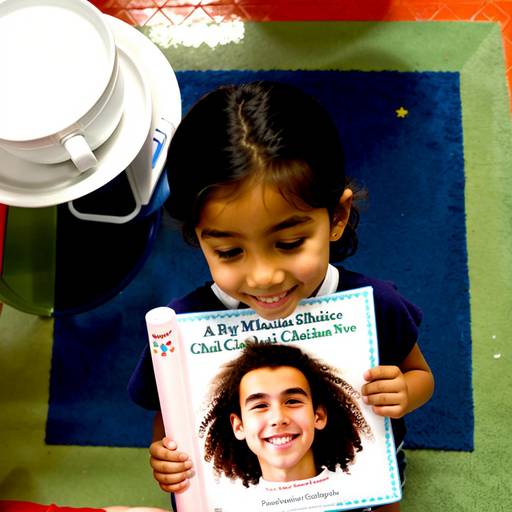
In this preschool language arts lesson, students will enhance their pre-reading skills by focusing on key sight words. The session begins with a warm welcome and an introduction to sight words, where children will engage with flashcards through pronunciation and fun actions. Following this interactive review, a short illustrated story will be read aloud, allowing students to identify sight words as they appear in context.
The lesson will then transition into a creative craft activity where each child selects and illustrates their favorite sight words, promoting both recognition and artistic expression. To reinforce learning, students will participate in a bingo game featuring sight words, providing a fun and competitive way to demonstrate their knowledge. The lesson concludes with a circle discussion that reflects on what they learned and encourages them to look for sight words outside the classroom.
Assessment is conducted through observation and review of their crafts, and extensions include sending home materials for continued engagement with sight words. Overall, the lesson aims to build vocabulary and confidence in young learners as they embark on their reading journey.