
Filters
Level
Grade
Subject
Subject Area
Subject Topic
Standard(s)
Audience
Keyword
DurationMinutes
Lesson Plans

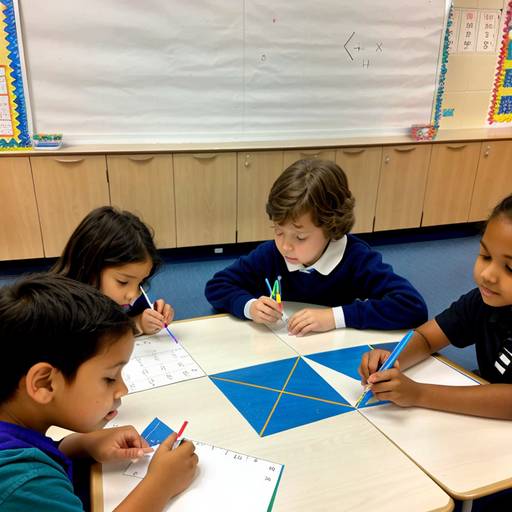
This lesson plan focuses on introducing first-grade students to basic geometric shapes and lines, emphasizing their identification and real-world applications. The session begins with a class discussion about geometry where students engage by naming and describing various shapes, such as circles, squares, triangles, and rectangles. The instructor introduces straight and curved lines through demonstrations, encouraging students to explore their environment for examples.
Following direct instruction, students participate in an interactive scavenger hunt, seeking out and drawing shapes found around the classroom or school. This supports their understanding of the shapes they encounter daily. The lesson continues with a creative activity where students use colored paper, scissors, and glue to create artwork that incorporates the shapes and lines they have learned about. They then share their creations with classmates, reinforcing their understanding through communication.
Assessment occurs through observation during activities, review of scavenger hunt findings, and evaluation of the completed artwork based on creativity and the use of various shapes and lines. The lesson includes adaptations for differing skill levels, ensuring all students can successfully engage with the material. Overall, the plan aims to foster an appreciation for geometry through hands-on learning and artistic expression.
In this 3rd-grade math lesson, students will explore fundamental concepts of geometry and lines. The lesson aims to help students identify and describe various types of lines, including straight, curved, horizontal, vertical, and diagonal. Students will also recognize and classify basic geometric shapes such as triangles, squares, rectangles, and circles based on their properties.
The lesson begins with a warm-up discussion that connects geometry to real-life examples, followed by guided practice where students will replicate lines on paper and participate in a line hunt around the classroom. They will also engage with flashcards to identify and draw shapes, promoting both visual and kinesthetic learning.
Students will then complete a worksheet that challenges them to draw different types of lines, categorize various shapes, and create their own unique shape using a combination of lines. The class will come together to discuss their findings and share their work, reinforcing the importance of geometry in the world around them.
Finally, students will reflect on their learning through an exit ticket that allows them to demonstrate their understanding of lines and shapes by drawing and connecting their learning to real-life experiences. Assessments will include observation of participation, review of worksheets, and evaluation of exit tickets, ensuring a comprehensive understanding of the material. The lesson is designed to include differentiation strategies to meet the diverse needs of all learners.
In this kindergarten mathematics lesson focused on geometry and patterns, students will explore geometric shapes and the concept of patterns through interactive activities. The lesson begins with a warm-up where students identify and describe various shape cutouts, followed by a discussion on patterns found in everyday life.
After introducing different shapes using visual aids and engaging songs, students participate in a shape identification game in small groups, sorting shapes by attributes such as color and size. Next, they create their own patterns using pattern blocks and share their work with the class.
For independent practice, students use colored paper strips to design unique patterns, showcasing their creativity and understanding of the concepts. The lesson concludes with students sharing their creations and explaining the shapes and patterns they used, reinforcing vocabulary and comprehension.
Assessment is conducted through observation of student participation, group interactions, and the completed pattern activity. Extensions include a shape hunt around the classroom and opportunities for differentiation based on student needs, ensuring all learners engage meaningfully with the material.
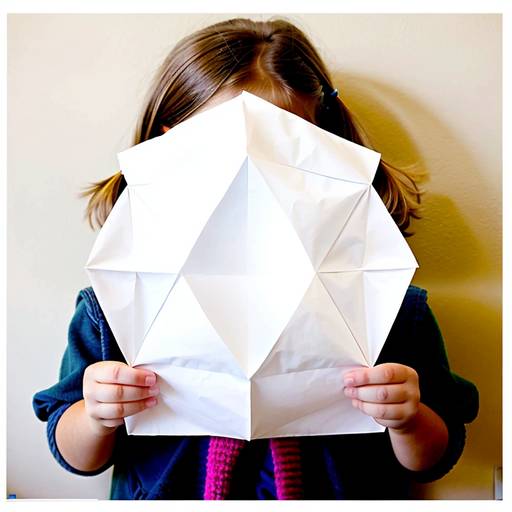
This lesson plan focuses on introducing 1st-grade students to basic geometric shapes and the concept of patterns. The lesson begins with an interactive discussion to identify and name shapes such as circles, squares, triangles, and rectangles using visual aids. Students will learn the attributes of each shape and explore patterns through guided group activities, where they create their own patterns using colorful shape cutouts. Following this, they will complete worksheets that reinforce their understanding of shapes and patterns through identification, drawing, and creation activities. The lesson concludes with students sharing their patterns, promoting peer engagement and reinforcing vocabulary. Assessment will be ongoing through observation and the review of worksheets, with extensions available for early finishers to deepen their understanding. Overall, the lesson emphasizes hands-on learning and supports the development of fine motor skills while maintaining student engagement.

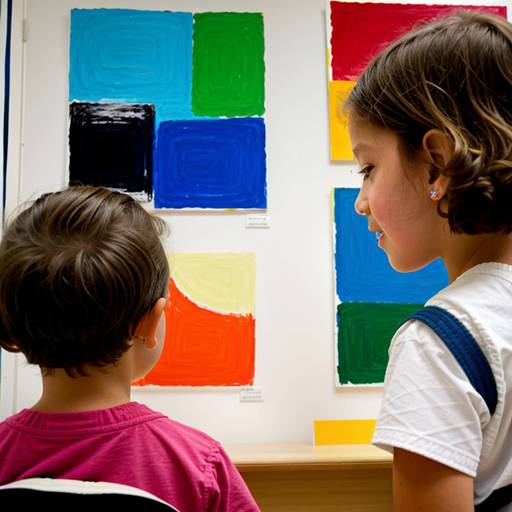
In this Kindergarten art lesson, students will explore the elements of color and shape through a creative collage-making activity. The session begins with a discussion about primary colors (red, blue, yellow) and basic shapes (circle, square, triangle), supported by the use of a color wheel. Students will then cut various shapes from colored construction paper and glue them onto a piece of white drawing paper, forming a colorful collage. They will have the opportunity to add details with markers or crayons to enhance their artwork. The lesson concludes with a gallery walk where students can share their creations and discuss their color and shape choices, reinforcing their understanding of these fundamental concepts in art. Overall, the activity promotes hands-on learning, creativity, and artistic expression, while allowing for assessment through observation and discussion.

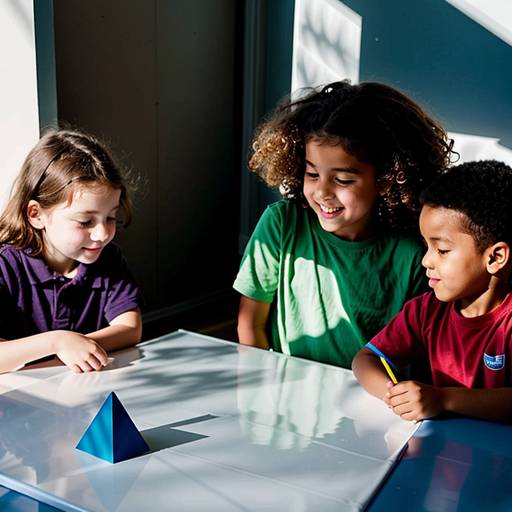
In this preschool art lesson, students will explore the concepts of shapes and shadows through hands-on activities that encourage creativity and critical thinking. The session begins with a discussion on shapes and shadows, allowing children to share their observations and experiences. They will then engage in an activity where they create unique shape cutouts using colored materials, promoting fine motor skills and artistic expression.
Following the creation of their shapes, students will experiment with light sources to observe how their shapes cast different shadows, fostering an understanding of light, dark contrasts, and spatial relationships. The group will reconvene to share their creations and reflections, discussing the changes they observed in their shadow art. An optional storytelling activity using shadow puppets will further enhance their imaginative skills and encourage collaboration.
Throughout the session, teachers will assess student engagement and understanding through observations and discussions. Extensions and adaptations are provided to cater to different learning needs and to further enhance the students’ exploration of shadows in future activities.
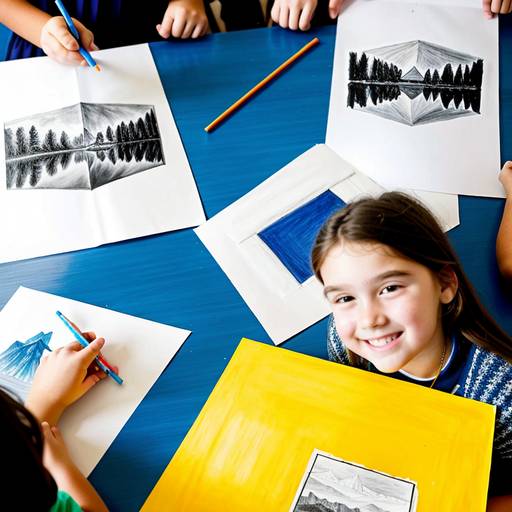
In this 5th-grade art lesson, students will explore the concepts of shape and shadow to create drawings that exhibit depth and dimension. The session begins with a discussion on different types of geometric and organic shapes, alongside an introduction to the concept of shadows and how light interacts with objects. A demonstration will guide students in drawing geometric shapes, determining the position of a light source, and applying shading techniques to create the illusion of depth.
During guided practice, students will select and draw their own shapes while applying the shading techniques they have learned, with ongoing support from the teacher. The lesson culminates in an independent practice session, where students can enhance their drawings using colored pencils or markers.
In the closing segment, students will participate in a gallery walk to display their artwork, discussing their creative choices and the relationship between shapes and shadows. Assessment will focus on the effectiveness of their use of shapes, shadows, and creativity in their artwork. This lesson fosters foundational drawing skills and encourages artistic expression through understanding light and form.
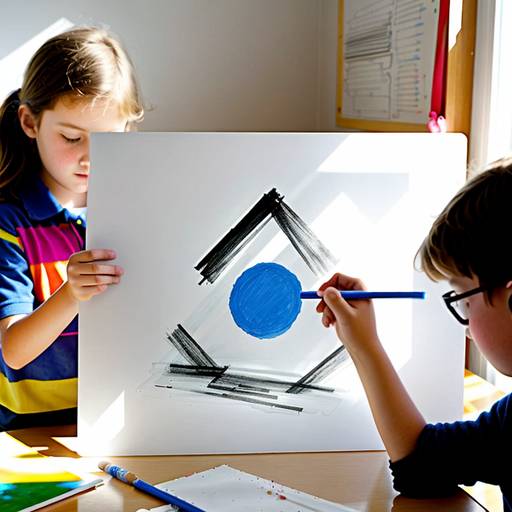
In this 4th-grade art lesson, students will explore essential drawing techniques by focusing on basic shapes and shading. The lesson begins with a discussion about prior drawing experiences, followed by a demonstration that highlights the relationship between shapes and the effects of light on objects. Students will then have hands-on practice creating their own drawings based on a still-life arrangement, where they will identify and sketch the basic shapes of their chosen objects. They will learn to enhance their artworks through shading techniques to create depth and realism. The lesson concludes with a sharing session where students discuss their artwork and reflect on the techniques they employed. Assessment will involve reviewing students' drawings for technique application, and opportunities for extension may include collaborative projects or exhibitions of their work.
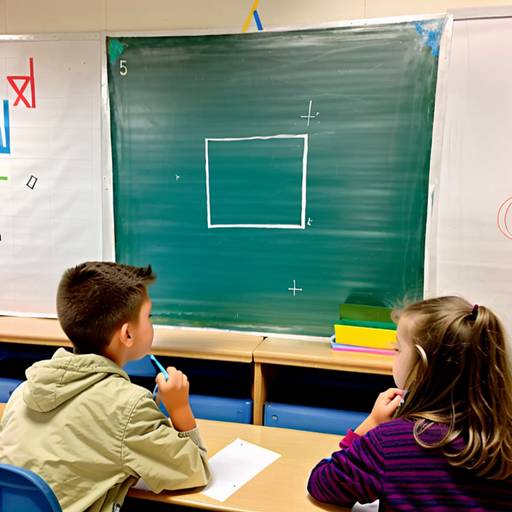
In this engaging math lesson, third-grade students will explore geometric shapes and the concept of area. The lesson begins with a discussion about various shapes observed in real life, followed by an introduction to the properties of shapes and how to calculate their area, specifically focusing on rectangles and squares. Using graph paper, rulers, and geometric cutouts, students will engage in guided practice to measure and calculate the area of their own drawings. In collaborative groups, they will apply their skills to measure different shapes and create a “Shape Wall” display. The lesson concludes with a presentation of their work and a discussion about real-life applications of area. Assessments will be conducted through observation, worksheet reviews, and a quick quiz to ensure understanding. Extensions are also provided for advanced learners, allowing for further exploration of area calculations involving triangles. Overall, this interactive lesson fosters critical mathematical skills through hands-on activities and teamwork.
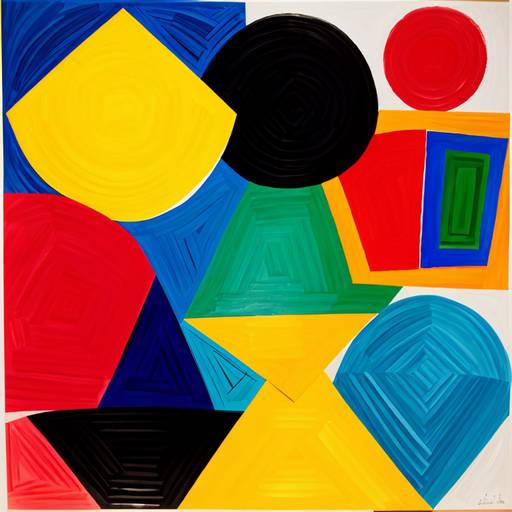
In this 4th-grade art lesson, students will explore the Cubist movement, focusing on the works of famous artists like Pablo Picasso and Georges Braque. The class will begin with a discussion about Cubism, where students will examine key characteristics of the style and engage in conversations about the artwork presented. Following a demonstration on how to break down objects into geometric shapes, students will create their own Cubist-inspired pieces using various materials, including paper, colored pencils, and watercolors.
As they work, they will choose an object from a still life arrangement, sketch it by simplifying it into geometric shapes, and then bring their artwork to life with color. Students will conclude the lesson by sharing their creations with the class, highlighting their individual interpretations and engaging in a reflective discussion about their artistic choices. The lesson encourages creativity, collaboration, and an appreciation of an important art movement while allowing students to express their unique perspectives.