
Filters
Level
Grade
Subject
Subject Area
Subject Topic
Standard(s)
Audience
Keyword
DurationMinutes
Lesson Plans


This lesson plan focuses on teaching toddlers basic shape recognition while incorporating color identification. Designed for a classroom of young children aged 2-4, the session spans 30-45 minutes and includes engaging activities that foster participation and learning.
The lesson begins with an introduction to different shapes through flashcards, followed by a shape hunt activity where children search for hidden cutouts around the room. A storybook featuring shapes is then read aloud to reinforce learning and engage students with questions about the colors and shapes depicted.
Next, a craft activity allows children to create a colorful collage using shape cutouts, further solidifying their recognition skills. A movement break encourages them to express themselves through dance while mimicking shapes, maintaining energy and engagement.
The lesson continues with a shape sorting game, where children match cutouts to labeled bins, reinforcing their understanding in a fun, hands-on way. The session concludes with a closing circle, where children share their favorite shapes and colors, reinforcing the concepts learned throughout the lesson.
The lesson emphasizes interactive learning, sensory exploration, and social interaction, fostering early childhood development in a playful environment.

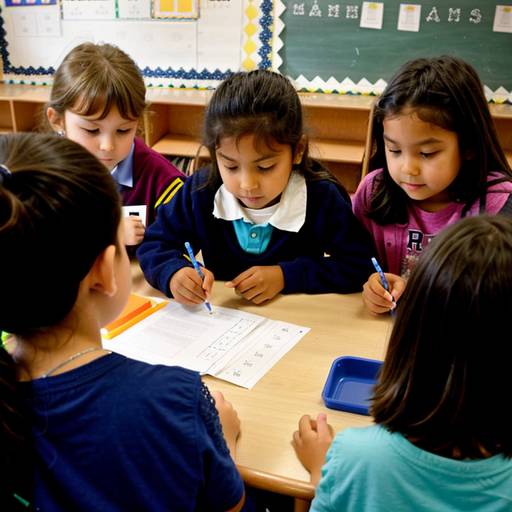
The lesson focuses on introducing first-grade students to basic geometric shapes, both 2D and 3D, through a hands-on exploratory activity. Students will engage in a scavenger hunt around the classroom to identify and categorize various objects that match the shapes studied. They will work in small groups, using a checklist to track their findings and discuss the characteristics of each shape. Following the hunt, students will have the opportunity to share their discoveries with the class, fostering collaboration and communication skills. To reinforce their learning, they will also create a shape collage using cut-out shapes from magazines or colored paper. Assessment will be conducted through observation during activities and a brief oral quiz at the end, ensuring that students understand the properties of the shapes encountered. Extension activities provide additional challenges for those who progress quickly, further enhancing their understanding and engagement with geometric concepts.
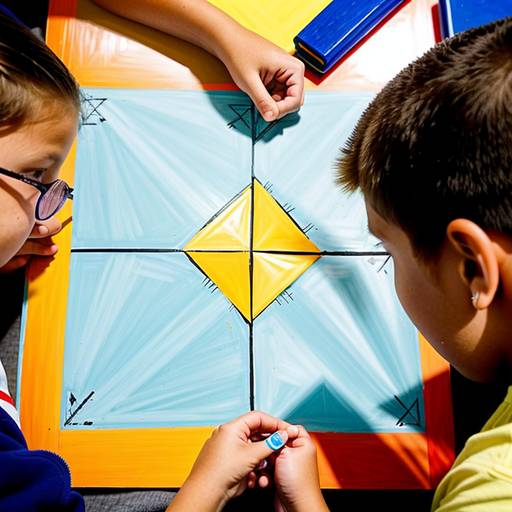
In this 3rd-grade mathematics lesson focused on geometry and symmetry, students will explore various geometric shapes and the concept of symmetry through interactive activities. The session begins with an engaging discussion about shapes found in everyday life, followed by a hands-on group activity where students sort geometric shapes based on their attributes.
Next, students will participate in an experiment using mirrors to help them identify symmetrical objects in the classroom, followed by a creative task where they draw their own symmetrical shapes on construction paper. The lesson concludes with a symmetry coloring worksheet, allowing students to reinforce their understanding of symmetrical shapes.
Throughout the lesson, students will collaborate, share findings, and engage with the concepts of geometry and symmetry, while their understanding will be assessed through observation and completed activities. Extensions are provided for advanced learners and support is available for those who need it, ensuring an inclusive learning environment. The session wraps up with students reflecting on their favorite shapes and what they learned about symmetry.

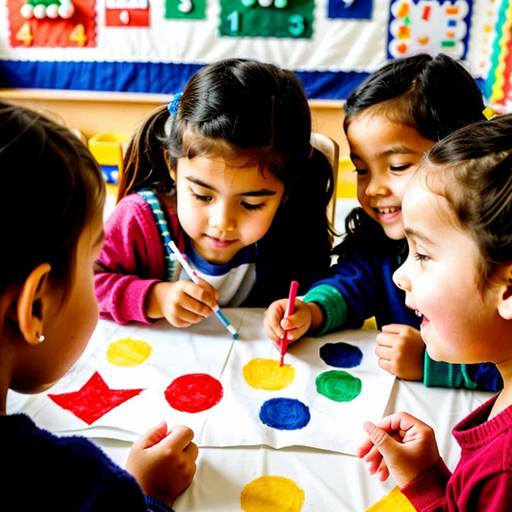
In this preschool language lesson, students will engage in activities designed to develop their fine motor skills and early writing abilities through shape tracing. The session begins with an introduction to various shapes, where students will participate in a discussion to identify and name shapes present in their environment. Following this, a demonstration of tracing techniques is provided to the class, allowing them to practice independently on tracing worksheets. Each student will have the opportunity to trace and then color the shapes, promoting creative expression. Towards the end of the lesson, students will share their completed work with peers, reinforcing their understanding of the shapes and colors used. The lesson aims to foster excitement about shapes while enhancing vocabulary and fine motor skills, with extensions available for students seeking additional engagement. Overall, the lesson not only cultivates writing readiness but also encourages sharing and collaboration among students.
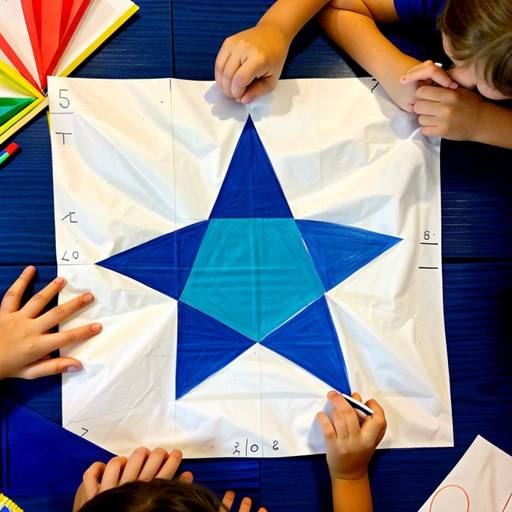
In this 2nd-grade math lesson focused on geometry and patterns, students will explore basic geometric shapes, such as circles, squares, triangles, and rectangles, and their properties. The lesson begins with an engaging discussion about shapes in the classroom and real life, followed by a demonstration of creating simple and complex patterns using those shapes.
Through a "Shape and Pattern Scavenger Hunt," students will work in pairs to identify shapes around their environment, reinforcing their recognition skills. Once they regroup, they will create their own patterns using shape cut-outs on construction paper and describe these patterns to their classmates.
The lesson incorporates hands-on activities to enhance understanding, encourage creativity, and build spatial awareness. Assessment will be based on observation during the scavenger hunt, evaluation of the pattern creations, and a group discussion that allows students to share their learning experiences. Extensions may include introducing advanced concepts of area and perimeter for those who progress quickly. Overall, the lesson promotes an interactive and enjoyable exploration of geometry and patterns within students' surroundings.
In this 60-minute math lesson for 2nd graders, students will explore fundamental concepts in geometry, focusing on identifying and classifying basic 2D and 3D shapes such as circles, triangles, squares, rectangles, cubes, spheres, cylinders, and pyramids.
The lesson begins with an engaging discussion where students share the shapes they see around them, followed by an introduction to the properties of different shapes. An interactive activity encourages students to physically form shapes with their bodies, reinforcing their understanding through movement.
Following this, students participate in a shape scavenger hunt, searching for items in their environment that match specific shapes, and then share their findings with the class. After the scavenger hunt, students create a shape collage by sorting and labeling shapes cut from construction paper, allowing for both creativity and practical application of their learning.
The lesson concludes with a review discussion, where students reflect on what they've learned. Assessments include observation during activities, evaluation of the shape collages, and responses during the discussion to ensure understanding. Adaptations are provided for both students needing additional support and those seeking more advanced challenges. Overall, the lesson promotes active engagement and reinforces geometric concepts in a fun and collaborative manner.

In this engaging lesson for toddlers, students will explore basic shapes and their attributes, including circles, squares, triangles, and rectangles. The session begins with an interactive introduction, encouraging children to recognize and name various shapes through colorful cutouts. A storytime activity will reinforce shape identification and color recognition.
Students will then participate in a shape attribute discussion, where they will learn about the characteristics of each shape. This is followed by a hands-on sorting activity in small groups, allowing them to categorize shapes by color and type. A creative art segment gives children the opportunity to color and decorate shape cutouts, fostering artistic expression while discussing shape attributes.
To incorporate movement, a fun activity will have students form shapes with their bodies, enhancing kinesthetic learning. The lesson concludes with a review of the shapes learned, promoting retention through questions and responses.
Throughout the lesson, teachers will assess participation and understanding, aiming to integrate shape recognition into everyday contexts to reinforce learning beyond the classroom. Follow-up activities may include creating a "Shape Wall" to display students' artwork and ongoing shape identification during daily routines.
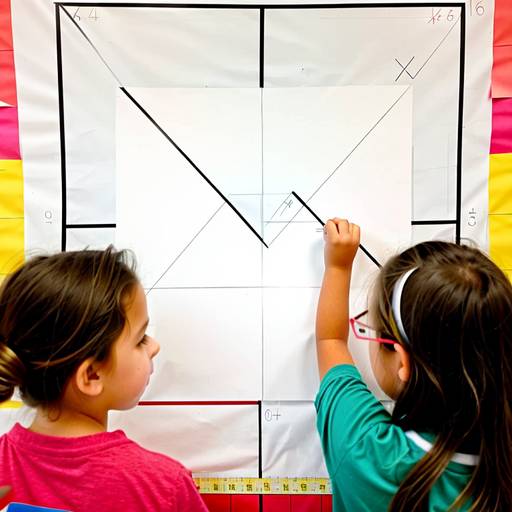
In this 3rd-grade math lesson, students will engage in an exploration of geometric shapes and the concept of perimeter. The lesson will begin with a discussion about various shapes found in their environment, followed by an introduction to the term "perimeter" and its significance as the distance around a shape. Through direct instruction, students will learn how to calculate the perimeter of rectangles, squares, and triangles using the appropriate formulas.
Next, students will partake in a hands-on activity where they measure the sides of cut-out shapes using rulers and string, allowing them to physically experience calculating perimeter through measurement. This collaborative work will be followed by group discussions, during which students will share their findings and insights about the perimeters they calculated.
To reinforce their understanding, students will complete worksheets focused on perimeter calculations. The lesson will conclude with a recap to solidify their learning and, for those ready for a challenge, opportunities for extension activities will be suggested, such as exploring the area of shapes. The overall objective is to provide students with a foundational understanding of geometry and perimeter while encouraging engagement through interactive learning.


In this preschool math lesson, students will explore basic shapes (circle, square, triangle, rectangle) through a variety of interactive activities designed to engage their curiosity and creativity. The lesson begins with an introduction where students identify and describe shapes found in their environment. Following this, they participate in a movement activity that encourages them to physically embody different shapes.
Next, students work in small groups to sort shape manipulatives using sorting mats, promoting collaboration and dialogue about the characteristics of each shape. The lesson transitions into a creative art activity where children create collages using cut-out shapes, allowing for self-expression and individual interpretation.
A shape-themed storybook is read to reinforce the concepts introduced earlier, followed by a discussion that encourages students to articulate their understanding of shapes. The session concludes with a recap and a possible shape hunt around the classroom to reinforce learning through real-world examples. Throughout the lesson, students are assessed on their ability to identify, name, and describe shapes, ensuring a solid foundation in shape recognition while promoting active participation and engagement.

This lesson plan focuses on introducing toddlers to basic colors and shapes while fostering their spatial awareness through engaging activities. The session begins with a circle time where children share their favorite colors and shapes, utilizing flashcards for visual support. Following this, a "Shape Hunt" activity encourages movement as children search for hidden shape cut-outs around the classroom, promoting teamwork and observation skills as they sort the shapes by color and type.
Next, children engage in building structures with toy blocks of various shapes and colors, allowing them to explore concepts of balance and spatial arrangement. The lesson continues with a creative art activity where children draw and color their favorite shapes, expressing their creativity while reinforcing their understanding of colors and shapes.
The session concludes with a sharing circle, where each child presents their artwork, encouraging verbal expression and confidence. A fun, catchy song about colors and shapes wraps up the lesson, solidifying their learning experience in an enjoyable manner. Extensions for future lessons are included to further build on the concepts introduced.