
Filters
Level
Grade
Subject
Subject Area
Subject Topic
Standard(s)
Audience
Keyword
DurationMinutes
Lesson Plans

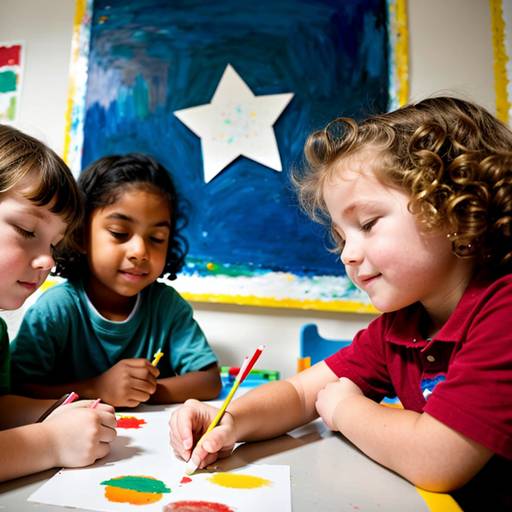
In this preschool art lesson, children will explore the concepts of texture and patterns through hands-on activities. The session begins with a brief introduction to texture, prompting students to describe various materials by touch. Following this, they engage in a texture scavenger hunt around the classroom, where they collect and identify different textured items. After regrouping to discuss their findings, the children create individual art pieces by gluing selected textured materials onto construction paper, incorporating patterns as they work. They will then decorate their artworks with stamps and drawings. The lesson concludes with a sharing session, where each child presents their creation and reflects on the textures and patterns they used. This interactive experience not only fosters creativity but also develops sensory awareness and appreciation for visual arts.

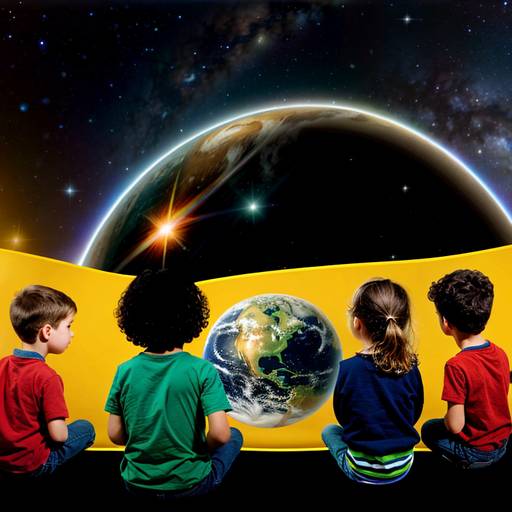
- Touch and Feel - Students will explore various textures representing Earth's surfaces.
- Sound Exploration - They will listen to nature and space-themed sounds, fostering a connection to the auditory elements of the environment.
- Taste of Earth - Students will taste small pieces of fruit, discussing how Earth's plants provide food and how astronauts can adapt their diets in space.
- Visual Wonders - Using flashlights and magnifying glasses, students will investigate light and examine images of celestial bodies, discussing color and visual differences.
- Creative Expression - Finally, they will express their ideas through drawing, illustrating their perceptions of Earth and space.
The lesson culminates in a group reflection where students share their experiences, followed by a story that reinforces the key concepts. This hands-on approach promotes curiosity and a deeper understanding of the natural world, encouraging students to recognize how their senses play a role in their observations. Extensions for the lesson include outdoor sensory activities and at-home exploration tasks for families. Assessment will focus on student participation and understanding demonstrated during discussions and creative expressions.

In this preschool science lesson, students will embark on a sensory exploration of Earth and space, utilizing their five senses to engage with and understand their surroundings. The session begins with a brief introduction to the five senses and how they help us explore our world.
Students will participate in various hands-on activities. First, they will work in small groups to explore sensory bins filled with Earth-themed items, examining textures, colors, and smells. Next, they will listen to nature sounds and space-themed audio recordings, encouraging imagination and discussion about the auditory aspects of their environments. Following this, students will experience a blindfolded taste test with familiar foods, describing flavors and textures while discussing their associations with Earth and space.
To conclude the lesson, students will create artwork based on their favorite discoveries from the activities, allowing for individual expression and reflection. The session wraps up with students sharing their artwork and highlighting key learnings, reinforcing the importance of their senses in understanding the world and the universe. Throughout the lesson, educators will assess engagement and understanding through observation and discussion.

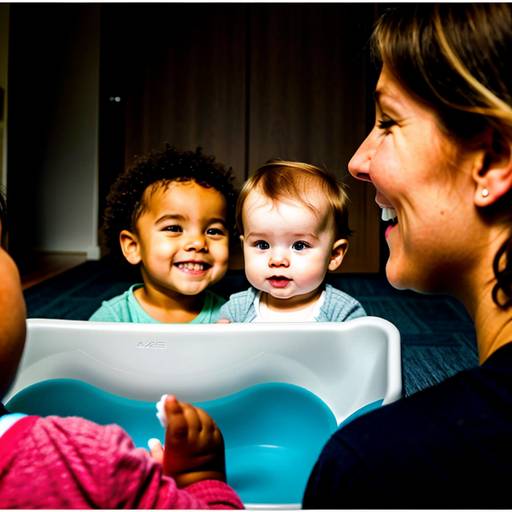
This lesson plan focuses on enhancing infants' sensory development through the exploration of various textures. Aimed at children aged 6-12 months, the session spans 45 minutes and includes activities designed to stimulate touch and tactile experiences.
The session begins with a warm welcome and an introduction to the theme of texture exploration. Infants rotate through several sensory stations featuring diverse materials, such as soft fabrics, rough sandpaper, and squishy toys. Each station encourages hands-on interaction and encourages infants to differentiate between contrasting textures.
Following the exploration, a sensory storytime engages the infants with a tactile-rich book that further reinforces their experiences. The lesson concludes with a reflection on the textures explored, allowing for calm interaction through music and quiet play.
Finally, caregivers receive recommendations for continuing the sensory experience at home. Throughout the lesson, facilitators observe infants’ reactions to gauge their interests and preferences, promoting a nurturing environment for sensory awareness and discovery.
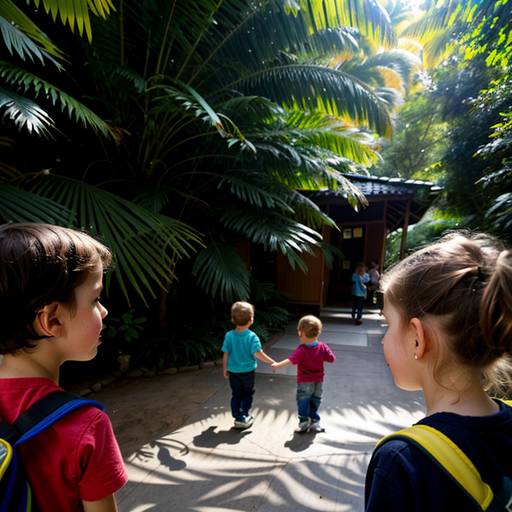
In this preschool lesson, children explore the five senses through interactive and engaging activities. The session begins with an introduction to each sense, using a colorful poster for visual aid. Students then rotate through five sensory stations, each dedicated to a specific sense: sight, hearing, touch, taste, and smell. At each station, they engage in hands-on activities designed to stimulate their sensory awareness, such as identifying sounds, tasting different fruits, and describing various textures.
Following the stations, the children gather for a group discussion to share their experiences and insights, enhancing their understanding of how senses work together. The lesson culminates in an art activity where students create visual representations inspired by their favorite sense, using different colors and textures to express their discoveries. The session wraps up with a song or rhyme related to the senses, reinforcing the concepts learned. Throughout the lesson, children's participation and understanding are assessed through observational notes and their contributions during discussions and creative expression. Extensions could include a sensory walk outdoors or the creation of a sensory garden for further exploration.

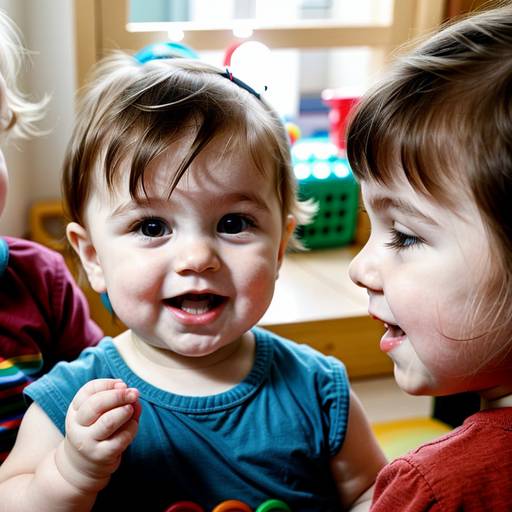
This lesson plan focuses on engaging toddlers in sensory exploration through music and movement activities. It begins with a welcome circle where children are greeted individually and introduced to the theme of sensory sound exploration. The first activity allows toddlers to freely explore various musical instruments, where they practice changing sound volume in response to different musical genres. Next, they use soft fabric scarves or ribbons while dancing to lively music, encouraging creative expression through movement.
The lesson continues with a parachute activity, where children work together to lift and lower the parachute while experiencing sound effects, such as the rustling sound it makes. They also interact with soft objects placed on the parachute, enhancing their sensory experience. To conclude, a calming circle time allows toddlers to reflect on their favorite activities while listening to soothing music. Throughout the lesson, there is a focus on observation and encouragement, fostering social interaction, motor skills, and auditory development in a joyful and safe environment.

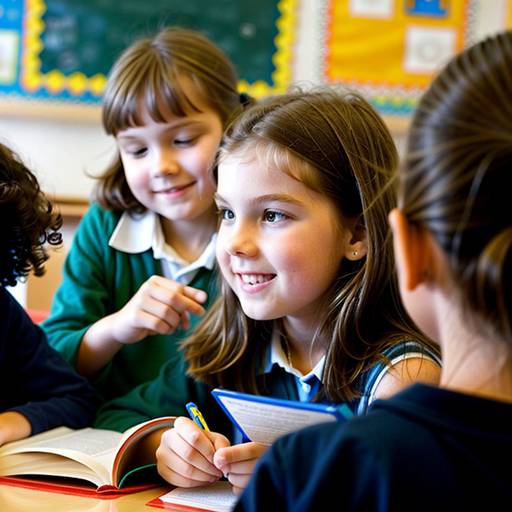
In this 3rd-grade language arts lesson, students will engage in exploring the fundamental components of sentences, focusing on subjects and predicates. The lesson begins with a discussion to clarify what constitutes a complete sentence, followed by guided practice where students work in small groups to create simple sentences using provided building blocks. Each group will share their sentences, promoting collaboration and class discussion.
For independent practice, students will assemble their own sentences on strips of paper, incorporating subjects, predicates, and conjunctions to form both simple and compound sentences. They will also illustrate their sentences, integrating creativity into their writing.
The lesson concludes with a peer review activity where students exchange their sentence strips and provide constructive feedback based on clarity and structure. This approach facilitates understanding of sentence construction while fostering teamwork and critical thinking skills. Assessment will be based on group participation, sentence construction, and the quality of peer feedback. This interactive lesson aims to reinforce grammar knowledge and enhance students' writing skills.
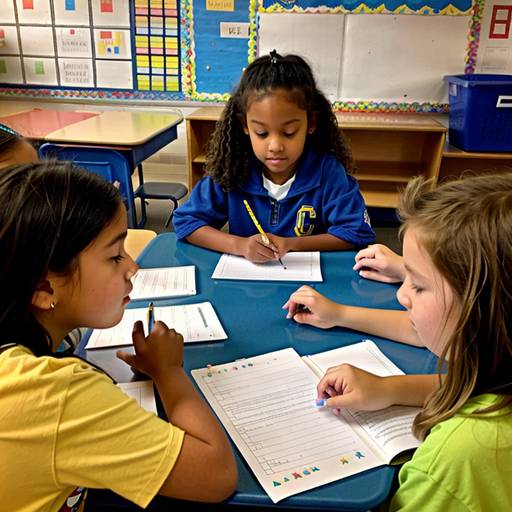
This lesson plan is designed for 2nd-grade students to enhance their understanding of grammar and sentence structure through an engaging and interactive approach. The lesson begins with a read-aloud of "The Cat in the Hat," prompting students to recognize sentence components. Direct instruction follows, focusing on identifying subjects and predicates in simple sentences. Guided practice allows students to collaborate in pairs to create their own sentences using a mix of nouns, verbs, and adjectives, while also learning to identify the parts of their sentences. Independent practice involves completing a worksheet where students draw a picture representing their sentence, write it out, and underline the subject and predicate. The lesson concludes with a sharing session to reinforce learning and encourage expression. Assessment is conducted through observation and collection of the worksheets to gauge comprehension. Extensions for homework are suggested, along with opportunities to introduce more complex structures in future lessons.
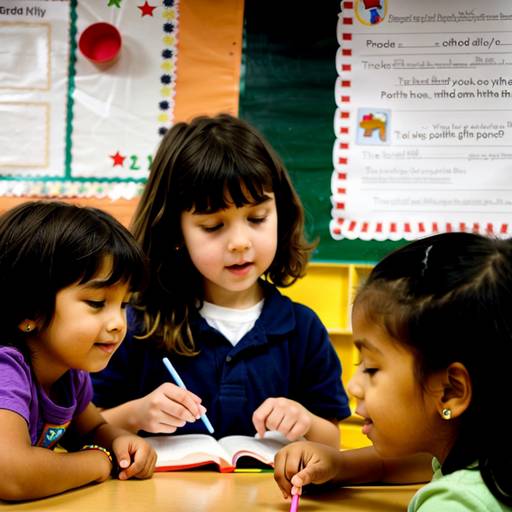
In this preschool language arts lesson, students will explore basic sentence structure by identifying subjects, verbs, and objects through interactive group activities. The lesson begins with a welcoming circle time where students share their names and favorite things to foster engagement. They will then collaborate in small groups using sentence-building cards to create simple sentences, which they will share with the class. After modeling sentence components on the whiteboard, students will illustrate their sentences and write them underneath their drawings. The session concludes with a sharing and celebration of their creative efforts, encouraging participation and reinforcing their understanding of sentence formation. Assessments will include observational checks during activities and reviews of the students’ written work. Modifications and extensions are included to cater to varying skill levels. Overall, this lesson promotes collaboration, creativity, and fundamental grammar skills in a fun and engaging manner.
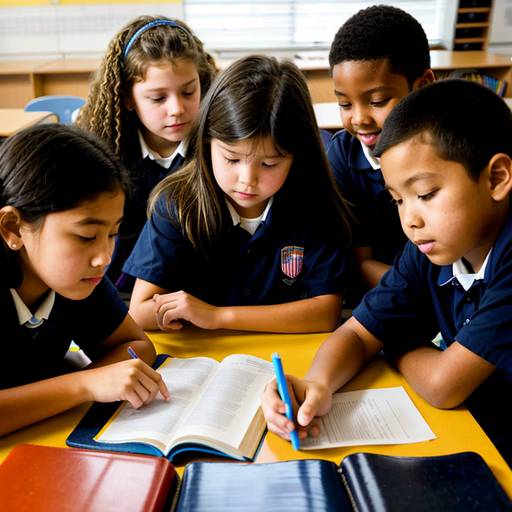
The lesson plan focuses on helping 5th-grade students understand the fundamental components of sentence structure, including subjects, predicates, and objects. It begins with an engaging class discussion about what constitutes a good sentence, followed by direct instruction where the teacher explains and illustrates the parts of a sentence on chart paper.
Students then work in small groups to construct sentences using provided materials, presenting their creations to the class while identifying each part of the sentence. Following the group activity, students engage in independent practice through worksheets that focus on identifying components, correcting run-on sentences, and composing their own sentences.
The lesson wraps up with a summary discussion where students share their learning experiences. Assessment occurs through observation of group participation and the evaluation of completed worksheets. The plan also includes provisions for extensions and differentiation to accommodate varying student abilities, ensuring all learners can engage with the material. Finally, the teacher reflects on the lesson's effectiveness and areas for improvement based on student engagement and understanding.