
Filters
Level
Grade
Subject
Subject Area
Subject Topic
Standard(s)
Audience
Keyword
DurationMinutes
Lesson Plans

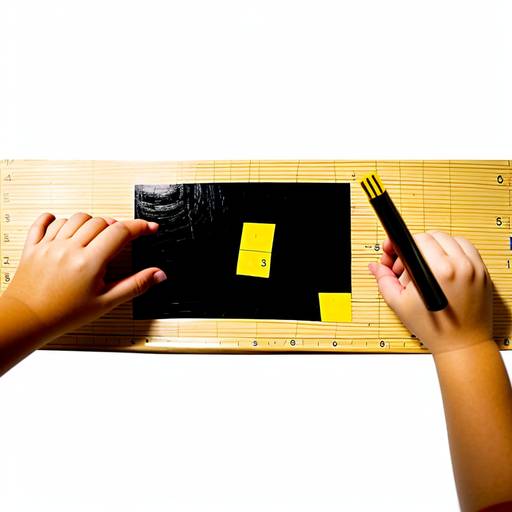
In this 3rd-grade math lesson, students will explore the concept of perimeter by learning how to measure and calculate the distance around various geometric shapes. The lesson begins with an introduction to common shapes and a discussion about the meaning of perimeter. Through direct instruction, students will learn formulas for calculating the perimeter of squares, rectangles, and triangles.
Following this, students will engage in guided practice where they measure the sides of pre-cut shapes and work together to calculate their perimeters. In a hands-on activity, small groups will create custom shapes using string or yarn, measure their sides, and determine the total perimeter collaboratively.
To reinforce their understanding, students will complete a worksheet featuring various shapes to calculate their perimeters independently. The lesson concludes with a recap of key concepts and a discussion on finding shapes and calculating perimeters in their everyday environments. Differentiation strategies are included to ensure all learners can engage with the material effectively. Assessment will take place through worksheet completion and observation during group activities.
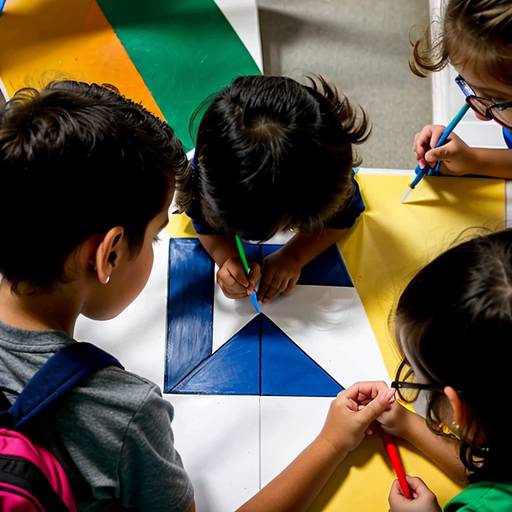
In this kindergarten math lesson focused on geometry and shapes, students engage in a variety of interactive activities designed to enhance their understanding of basic geometric concepts. The lesson begins with a discussion where students identify and name different shapes they observe in their environment. Subsequently, they participate in a shape search around the classroom, where they work in small groups to find real-world examples of the shapes on their checklist, sharing their discoveries with the class.
Next, students participate in a shape sorting activity, categorizing various objects based on their geometric characteristics. They then move to a hands-on creation station, where they can either mold shapes from Play-Doh or create a collage using pre-cut shapes, fostering creativity and hands-on learning. Following this, the class sings a fun shape-themed song, incorporating movement to reinforce shape vocabulary.
The lesson wraps up with a review of the shapes covered, encouraging students to discuss their attributes and share their creations. Assessment occurs through observation and participation, with opportunities for extensions and adaptations to ensure all learners are engaged and supported. This comprehensive approach promotes both recognition and application of geometric shapes in a playful and dynamic manner.
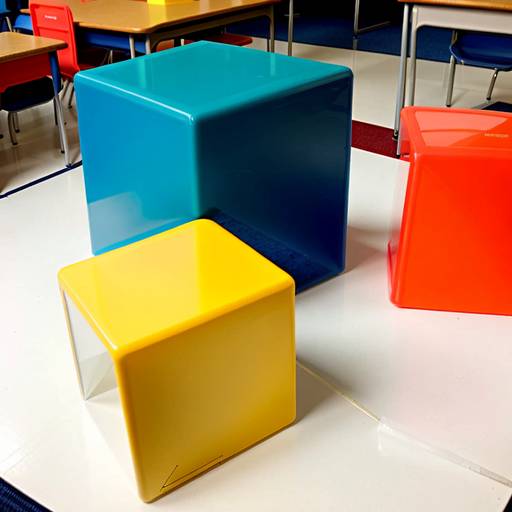
In this 4th-grade math lesson plan, students will explore the concept of perimeter through hands-on learning and real-world applications. The lesson begins with an introduction to shapes and the definition of perimeter, followed by direct instruction on the formulas for calculating the perimeter of rectangles, squares, and triangles.
Students will engage in guided practice with worksheets featuring various geometric shapes, working in pairs to calculate perimeters while explaining their reasoning to one another. Following this, a scavenger hunt will allow students to measure and record the perimeters of objects around the classroom using string or yarn, fostering a deeper connection to the concept.
The lesson concludes with a shared reflection on their discoveries and the significance of perimeter in everyday life. Assessments will include observations during activities and evaluation of the completed worksheets. Differentiation strategies will be implemented to provide support for struggling learners and challenges for advanced students, ensuring that all students benefit from the lesson.
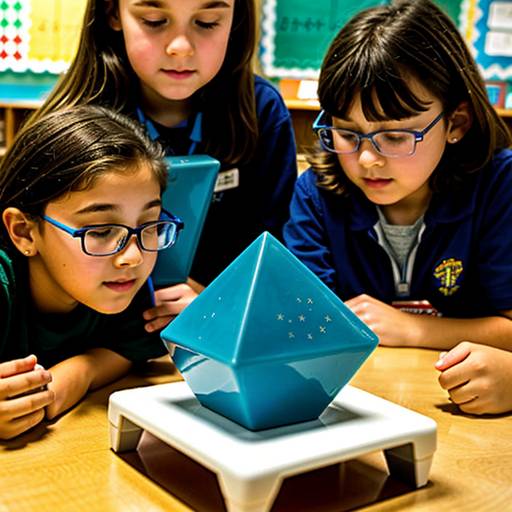
This lesson plan focuses on introducing 4th-grade students to three-dimensional shapes, or solids, emphasizing their properties, classifications, and real-world applications. The session begins with an engaging discussion about 3D shapes, where students identify various examples and learn about their characteristics, including faces, edges, and vertices.
Following the introductory discussion, students participate in a shape sorting activity in small groups, using manipulatives to categorize the solids and share their findings with the class. The lesson continues with a creative component in which each student designs their own unique solid, labeling its properties and dimensions, and then shares their creation with a partner.
To conclude, the class reflects on what they learned throughout the lesson, discussing interesting aspects of the solids they created and their practical applications. Assessment is conducted through observations, reviewing shape sorting mats, and evaluating students' designs based on clarity and accuracy. Extensions to the lesson encourage further exploration of real-world applications of solid shapes and introduce basic volume concepts if time permits. Overall, this lesson promotes hands-on learning, creativity, and collaborative engagement among students.
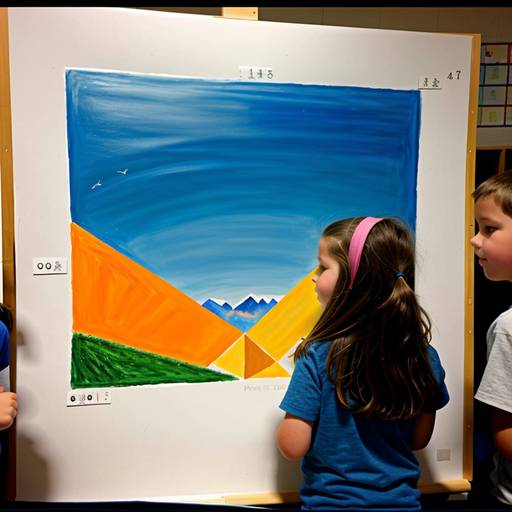
In this 3rd grade math lesson, students explore the concepts of geometry and area by identifying and describing various 2D shapes, including squares, rectangles, triangles, and circles. The lesson begins with a discussion on shapes and the definition of area as the space within a shape. Students learn how to calculate the area of squares and rectangles using the formulas \( \text{Area} = \text{side} \times \text{side} \) and \( \text{Area} = \text{length} \times \text{width} \), with guided examples provided by the teacher.
During guided practice, students create their own squares and rectangles on grid paper, measure them, and calculate their areas. Independent practice consists of solving area problems on handouts and inventing unique shapes while applying their understanding of area calculations. The lesson concludes with select students sharing their creations and findings, reinforcing the key concepts covered.
Students are assessed on their participation, accuracy in calculations, and ability to articulate their understanding of area. Extensions for advanced learners include introducing area calculations for triangles and circles, while adaptations are provided for students needing additional support. Overall, this lesson actively engages students in hands-on learning of geometric concepts through art and calculation.
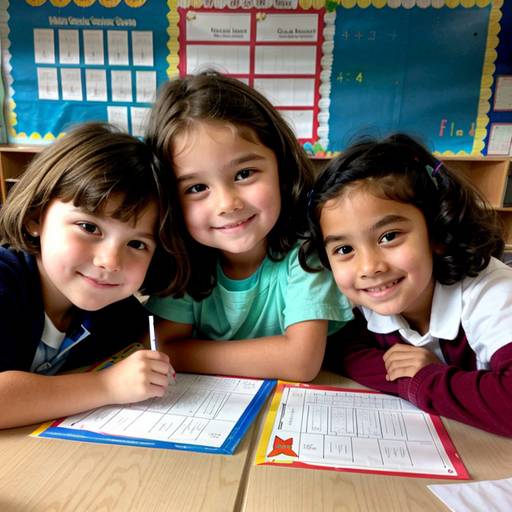
In this first-grade math lesson focused on geometry and shapes, students will explore and identify basic geometric shapes: circle, square, triangle, and rectangle. The lesson begins with a story that introduces these shapes, followed by a discussion about their properties. Students will then embark on a scavenger hunt around the classroom to find real objects that match the shapes they've learned about, documenting their discoveries on a worksheet. Additionally, they will engage in a shape sorting activity in small groups, categorizing various cut-out shapes into groups based on their types and counting them. The class will conclude with a group discussion to reflect on their findings and a brief assessment to gauge their understanding of the shapes and their attributes. The lesson emphasizes interactive learning through exploration, observation, and collaboration, reinforcing the idea that shapes are present in everyday life.

In this engaging preschool lesson plan, students will explore the world of shapes through various interactive activities designed to enhance their understanding of both 2D and 3D shapes. The session begins with a circle time where teachers introduce basic shapes using flashcards and engage students with a story that highlights shapes in illustrations. Following this, students participate in a shape sorting activity where they work in pairs to categorize various objects, fostering teamwork and shape recognition.
Next, students unleash their creativity by creating a shape collage with colorful paper shapes, allowing them to express their understanding while practicing fine motor skills. The lesson also includes an outdoor shape scavenger hunt, where students search for real-life examples of shapes in their environment, further reinforcing their learning through active exploration.
Throughout the lesson, teachers facilitate discussions to encourage students to articulate their thoughts and observations. The session concludes with a wrap-up discussion and a fun song about shapes, reinforcing the day's learning objectives while promoting movement and engagement. Overall, this lesson plan aims to build foundational math skills in a playful, collaborative environment filled with exploration and creativity.

This lesson plan focuses on helping toddlers recognize and identify basic shapes such as circles, squares, triangles, and rectangles. Over the course of 45 minutes, children will engage in interactive activities aimed at fostering shape recognition and exploration in their environment.
The session begins with an introduction featuring flashcards, prompting kids to repeat and identify shapes around them. Following this, a shape sorting activity allows them to group everyday objects by shape, promoting teamwork and discussion.
To enhance fine motor skills and creativity, children will create a shape collage using colorful construction paper, gluing various shapes onto a large drawing sheet. The lesson wraps up with a lively song and movement activity where children can dance and use their bodies to represent shapes.
Throughout the lesson, educators will assess participation and understanding, encouraging discussions about shapes in daily life. The goal is to create an enjoyable, interactive learning experience that boosts shape recognition and fosters a sense of exploration.
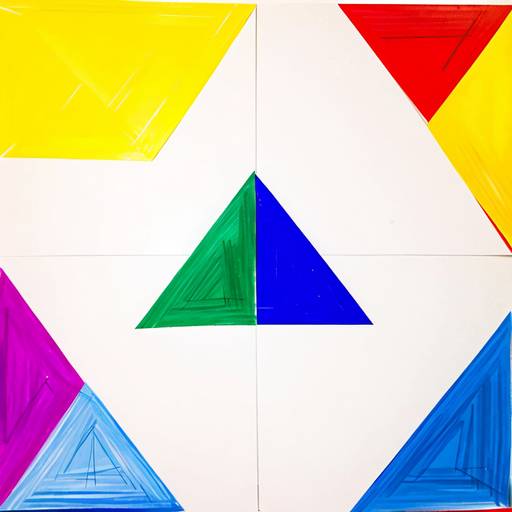
In this engaging math lesson for 2nd graders, students will explore the world of geometry and symmetry through hands-on activities and creative tasks. The lesson begins with a discussion about various 2D shapes, including circles, squares, triangles, and rectangles, and introduces the concept of symmetry. Students will learn to identify symmetrical shapes using mirrors or by folding templates.
During guided practice, they will work in pairs to explore and discuss which shapes exhibit symmetry. Following this, students will have the opportunity to create their own symmetrical designs on graph paper using colored pencils. They will share their designs with the class, reinforcing their understanding of symmetry and the properties of shapes.
The lesson includes both independent and collaborative activities, catering to diverse learning needs and encouraging creativity while solidifying foundational geometry concepts. Assessment will be conducted through observation of participation, review of worksheets, and evaluation of the students' designs. Extensions and modifications are also provided to support differentiated learning.
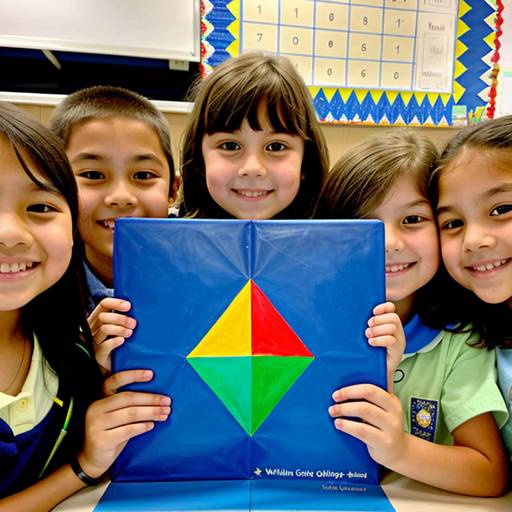
This lesson plan for 1st graders focuses on teaching students about basic shapes and geometry through interactive activities and creative expression. The lesson begins with a discussion on shapes, where students are introduced to circles, squares, triangles, rectangles, and hexagons and are encouraged to identify examples from their environment.
Students then work in small groups to sort shapes based on their attributes, fostering collaboration and critical thinking skills. A story that incorporates shapes is read aloud, prompting students to identify shapes within the illustrations and enhancing their understanding through a narrative context.
To reinforce their learning, students create a shape collage using construction paper, allowing them to apply their knowledge creatively. The lesson concludes with a class reflection, where students share their collages and discuss what they learned. Assessment is conducted through observation and evaluation of both the sorting activity and the collages, ensuring that students grasp the concepts of shape identification and categorization.