
Filters
Level
Grade
Subject
Subject Area
Subject Topic
Standard(s)
Audience
Keyword
DurationMinutes
Lesson Plans

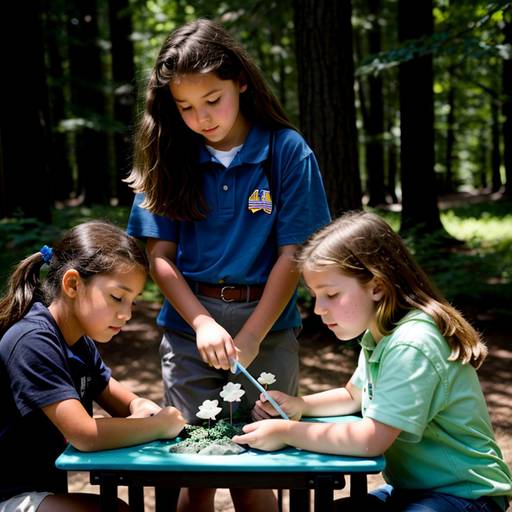
In this 4th-grade art lesson, students will delve into the world of ceramics by creating clay sculptures inspired by various plants and animals. The lesson spans two class periods, beginning with an introduction to the significance of ceramics in different cultures and an exploration of textures and forms in nature. Students will brainstorm and sketch their ideas before starting to sculpt their chosen flora or fauna, focusing on detail and form.
During the second class, students will finalize their sculptures and learn about painting and glazing techniques. They will apply their understanding of color and texture as they enhance their creations. The lesson culminates in a gallery walk where students can share their work with peers and reflect on the artistic process. This project fosters creativity, observation skills, and an appreciation for the natural world, integrating art with elements of science.
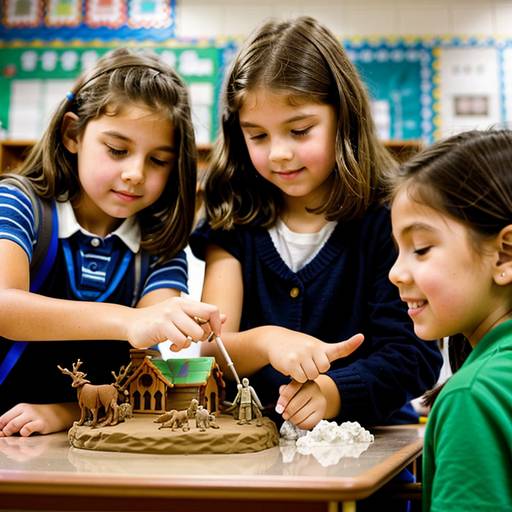
In this 2nd-grade art lesson, students will explore the art form of ceramics by creating small sculptures that represent characters or scenes from their favorite books. The session begins with a discussion about the history and cultural significance of ceramics, followed by a demonstration on sculpting techniques using air-dry clay. Students will first sketch their ideas, focusing on story elements, before shaping their clay creations. The activity encourages creativity and self-expression, while the closure allows students to share their sculptures and discuss the artistic techniques used. Assessment will focus on participation, planning, and the ability to convey a narrative through their artwork. Extensions include opportunities for advanced students to embellish their pieces further, and accommodations are made for diverse learners to ensure a supportive environment.
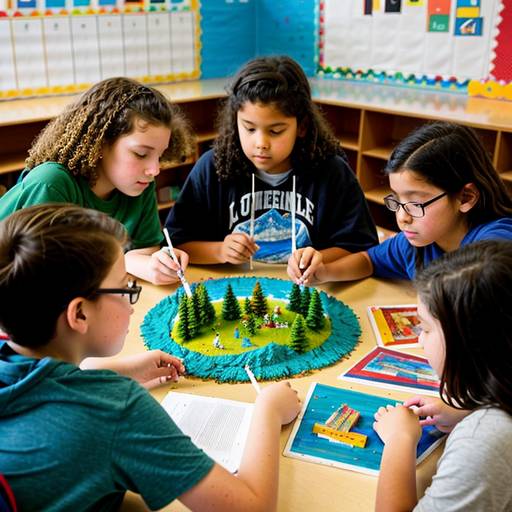
In this 5th-grade art lesson, students will explore the world of sculpture by creating their own three-dimensional artwork that represents a personal story or favorite memory. The lesson begins with a discussion about different types of sculptures and their significance in storytelling, supplemented by examples of famous and everyday sculptures. After brainstorming and sketching their ideas, students will work with air-dry or modeling clay to bring their designs to life, utilizing various sculpting techniques and incorporating found objects for added texture and detail. The class will culminate in a gallery walk where students can showcase their sculptures and share the stories behind them. This engaging project not only enhances creativity and artistic skills but also fosters self-expression and reflection. Assessment will focus on participation, creativity, and the effective use of artistic techniques. Potential extensions include integrating the project with creative writing and organizing a field trip to a local sculpture display.
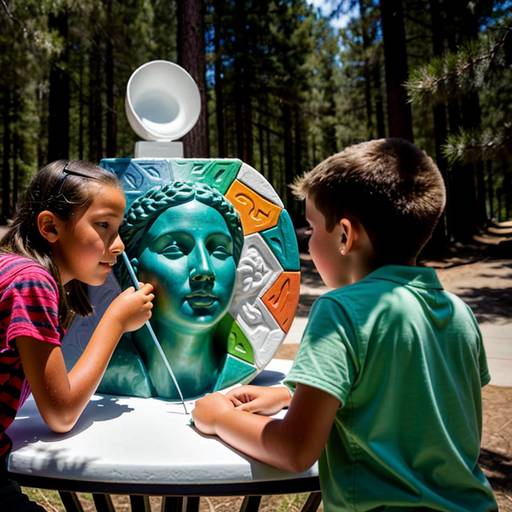
In this 5th-grade art lesson, students will explore the world of three-dimensional art by creating their own sculptures inspired by nature. The lesson spans two class periods, beginning with an introduction to sculpture as a unique art form, where students will discuss and analyze various examples. They will learn essential sculpting techniques using air-dry clay and natural materials, encouraging creativity through individual sketches and group brainstorming sessions.
During the first class, students will create their sculptures, receiving guidance and support from the teacher. The second class will be dedicated to finalizing their pieces and preparing for a class exhibition, where each student will present their sculpture, explaining its inspiration and process. Assessment will focus on creativity, craftsmanship, and presentation skills, with opportunities for feedback and reflection on the overall experience. The lesson provides an engaging way for students to develop artistic skills while fostering collaboration, communication, and an appreciation for 3D art forms.
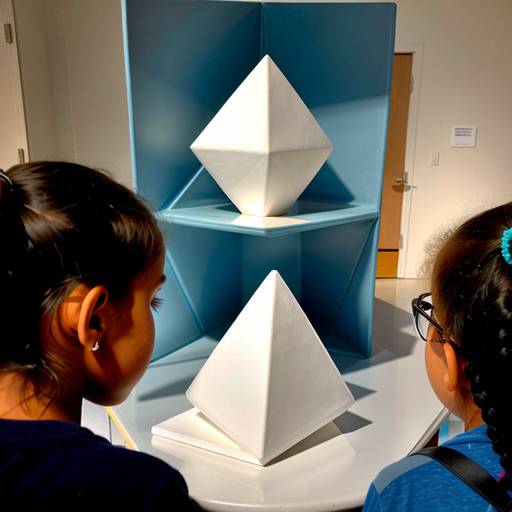
In this 3rd-grade art lesson, students explore the concept of sculpture and the various materials and techniques used to create three-dimensional art. The session begins with an introduction to different forms of sculpture, supported by visual examples that spark discussion about shapes and textures. Following a demonstration showcasing basic clay techniques, students will sketch their ideas before diving into the hands-on creation of their own sculptures using air-dry clay, natural materials, and recyclable items.
As they work, students are encouraged to experiment with different textures and shapes, fostering their creativity. Following the creation phase, there will be a clean-up period, and students will participate in a sharing session where they present their sculptures and describe their inspirations and the materials used. Assessment focuses on participation, creativity, and technique, allowing for a comprehensive understanding of the artistic process. Extensions include the potential for a class sculpture gallery and a "Sculpture Walk" to showcase their work within the school community. This lesson emphasizes creativity, self-expression, and an appreciation for three-dimensional art forms.
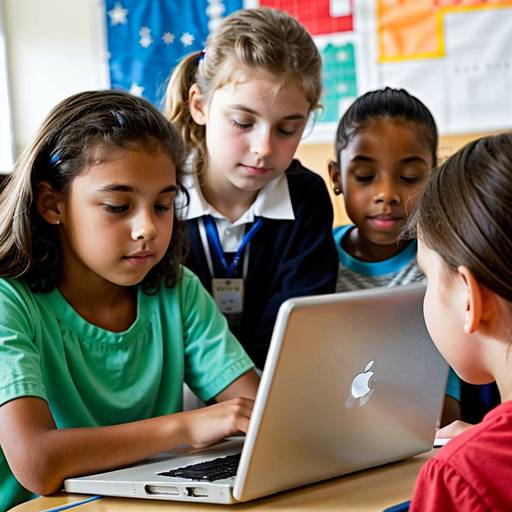
In this 60-minute technology lesson, 4th-grade students will gain essential internet skills focused on effectively using search engines. The lesson begins with an engaging discussion about students' existing knowledge of the internet, followed by a demonstration of how to perform basic searches and utilize advanced techniques such as using quotation marks and site-specific searches. Students will then participate in a hands-on activity, working in pairs to research assigned topics and document their findings on a worksheet that includes evaluating the credibility of websites. After sharing their discoveries with the class, students will solidify their understanding through a brief quiz. The lesson emphasizes safe internet practices and digital literacy, providing students with practical skills they can use for future research projects. Additionally, extensions are suggested to encourage further exploration and application of their new skills.

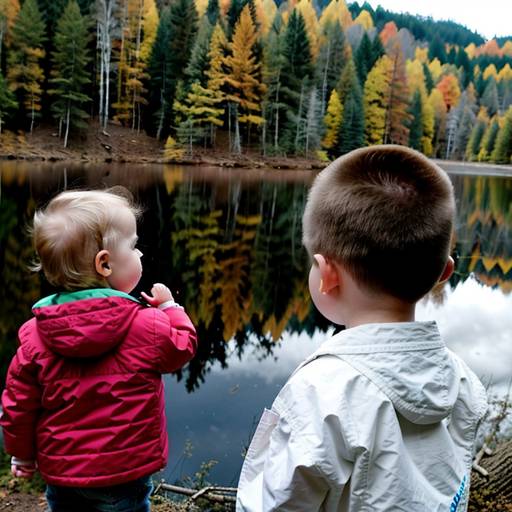
In this engaging lesson, toddlers will explore the concept of seasons through a series of interactive activities designed to enhance their understanding of the changes that occur in nature throughout the year. The lesson begins with a circle time discussion where children share their favorite seasons while looking at picture cards representing spring, summer, fall, and winter. A seasonal-themed storybook is then read aloud, highlighting the different seasons and encouraging participation.
Following the story, children have the opportunity to engage with real-life seasonal items, allowing them to touch and observe materials related to each season, thereby stimulating their senses. An art activity follows, where children create a season wheel by decorating a circular cardboard piece with images representing each season.
To keep the energy high, toddlers participate in a movement activity involving songs related to each season, allowing for creative expression through dance. Finally, the lesson concludes with a reflection circle, where children share their favorite moments and reinforce what they've learned. This comprehensive approach combines sensory exploration, creativity, and cognitive development, providing a well-rounded understanding of the seasons. Extensions like nature walks and collages further reinforce the concepts introduced in the lesson.

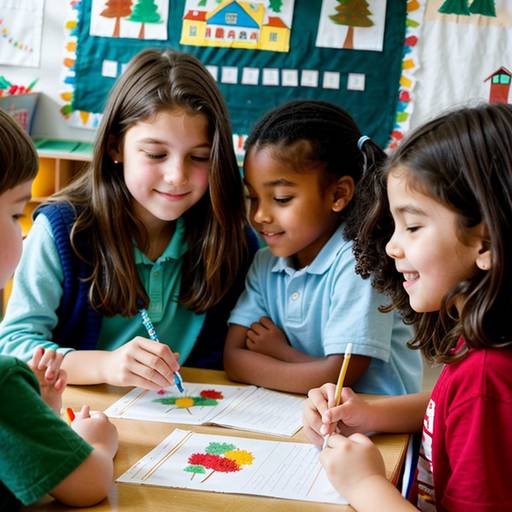
In this preschool art lesson, children will explore the concept of seasons and their changes in nature through a hands-on art project. The session begins with a discussion about the four seasons, focusing on the distinctive colors and textures associated with each. Following the introduction, students will engage in a nature walk to collect natural materials, such as leaves and twigs, which they will later incorporate into their artwork.
Back in the classroom, each child will create a collage representing their chosen season using the collected items and various art supplies. They will have the opportunity to paint and express their creativity while discussing the seasonal elements in their compositions.
As the session concludes, students will share their collages with the class, explaining their artistic choices and how these relate to the seasons. The lesson wraps up with a fun, interactive song that highlights the seasons, fostering participation and reinforcing what they learned. Throughout the activity, the children will develop their understanding of nature, colors, and textures while enhancing their creative skills.
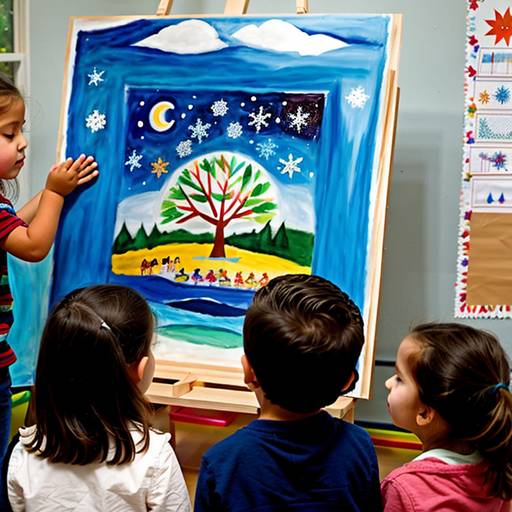
In this preschool art lesson, children will engage in a creative exploration of nature and the changing seasons. The lesson begins with an introduction to the four seasons, supported by visual aids and a seasonal storybook to pique their interest. After a brief discussion, students venture outside for a nature walk, where they collect safe and natural materials that represent their experiences of the current season.
Back in the classroom, each child creates a seasonal collage using the items they've gathered, enhancing their artwork with crayons and watercolor paints. The activity fosters fine motor skills and encourages imaginative expression. Once the artwork is complete, students share their creations with the group, discussing the materials used and the season they represent. The lesson concludes with a clean-up activity, promoting teamwork and responsibility. Overall, this lesson helps children connect with nature, express their creativity, and develop social skills through sharing and reflecting on their work. Extension activities, such as creating an art display, reinforce the themes introduced during the lesson.

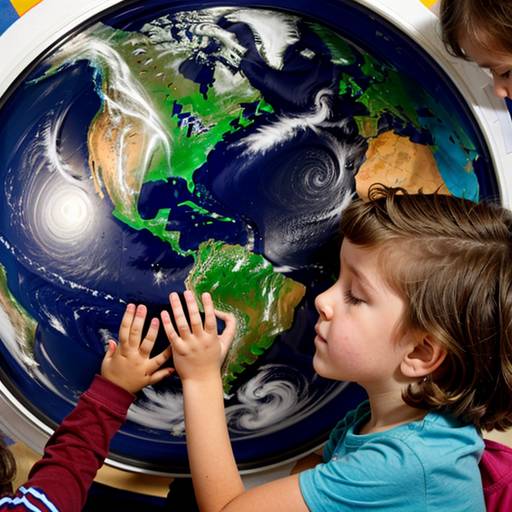
In this preschool lesson plan, students explore the five senses while connecting them to concepts related to Earth and space. The class begins with an introduction to the senses, followed by interactive sensory stations where students engage in hands-on activities. These stations allow them to touch various materials, observe images, listen to nature sounds, smell different scents, and taste edible items related to Earth. After rotating through the stations, students create sensory-inspired artwork using crayons and markers, reflecting their experiences. The lesson concludes with a group discussion where students share their artwork and insights, reinforcing how their senses help them understand the world around them. This engaging approach fosters curiosity and enhances sensory awareness in relation to scientific concepts.