
Filters
Level
Grade
Subject
Subject Area
Subject Topic
Standard(s)
Audience
Keyword
DurationMinutes
Lesson Plans
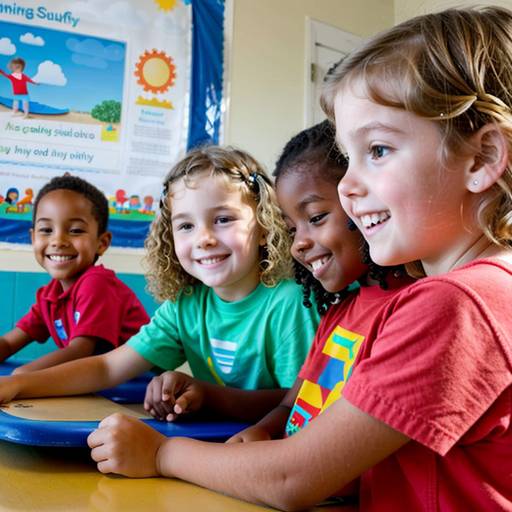
This preschool lesson focuses on introducing young children to internet safety in an engaging and age-appropriate manner. Over the course of 30-45 minutes, students will learn the basics of the internet while discussing three essential safety rules: always asking an adult before using the internet, staying in a safe and busy area while online, and talking to a grown-up if something feels strange.
The lesson includes interactive storytelling featuring a friendly character navigating the internet, helping to illustrate safe practices. Students will participate in a game to distinguish between "safe" and "unsafe" online situations, reinforcing their understanding through visual aids and group discussion.
The session concludes with a recap of the main points and rewards for participation, encouraging students to share their knowledge with their families and promote a continued dialogue about online safety at home. By emphasizing fun and interactivity, this lesson aims to equip preschoolers with foundational concepts of internet safety.
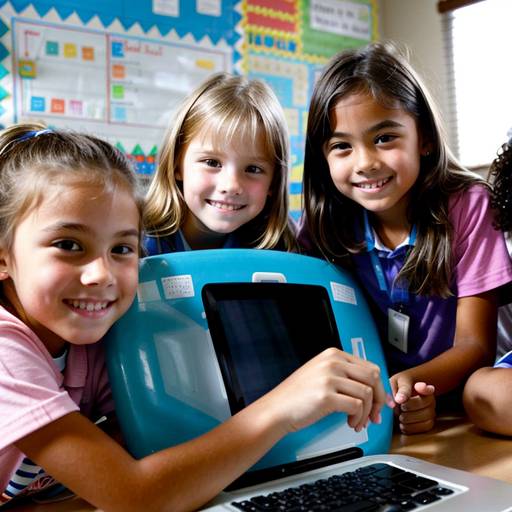
In this 1st Grade technology lesson, students will be introduced to fundamental Internet concepts and the importance of Internet safety. The lesson begins with a brief discussion on what the Internet is and how we use it, simplified to relate to their experiences.
Students will learn essential safety rules, such as the importance of not sharing personal information and seeking help from trusted adults when feeling uncomfortable online. Through a group activity, they will identify safe and unsafe online scenarios, fostering critical thinking about their online interactions.
To reinforce their understanding, students will engage in a coloring activity that highlights safe Internet practices. The lesson concludes with a review session to assess comprehension and encourage students to share their newfound knowledge with their families. Throughout the lesson, participation will be encouraged, and students will be rewarded for their engagement.

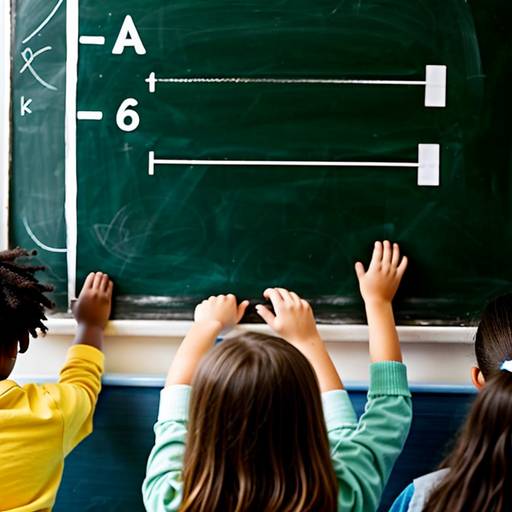
In this engaging fifth-grade mathematics lesson, students explore the concepts of money, budgeting, and financial decision-making. The lesson begins with a discussion about the purpose of money and the importance of budgeting, introducing key terms such as income, expenses, and savings.
Students collaborate in small groups to analyze different scenarios that provide them with specific income amounts and a variety of expenses. They create budgets based on these scenarios, making choices about needs versus wants and identifying potential savings. Each group shares their budget with the class, fostering discussion about different financial decisions.
Afterward, students work independently to create a personalized budget using a worksheet that outlines their hypothetical income and expenses, ensuring to include a savings plan. They reflect on their learning by writing about the importance of budgeting in their lives.
The lesson wraps up with a recap of the key concepts and an emphasis on the benefits of budgeting for achieving financial health and goals. Assessment includes evaluating students’ worksheets and their participation in activities, while extensions such as guest speakers and classroom stores provide additional opportunities to reinforce these vital skills. Adaptations are available for diverse learners to support their understanding.

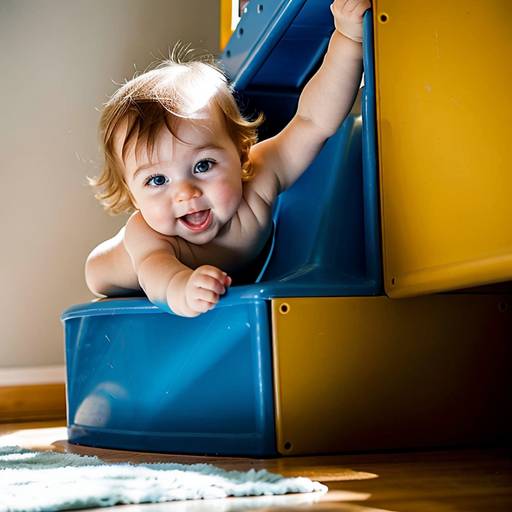
This lesson plan aims to help toddlers develop gross motor skills through engaging climbing activities. The session begins with an energetic introduction and warm-up to prepare the children physically and mentally for the day's exploration. Multiple climbing stations featuring soft climbing blocks, slides, and obstacle courses allow children to practice their climbing, balance, and coordination in a safe environment.
A group climbing challenge fosters teamwork and social skills by encouraging children to help one another navigate a soft foam 'mountain.' The lesson concludes with a cool-down period, where children engage in deep breathing exercises and reflect on their experiences, promoting communication and confidence. Throughout the session, educators are encouraged to provide supervision, support, and positive reinforcement, ensuring a safe and enjoyable experience for all participants.

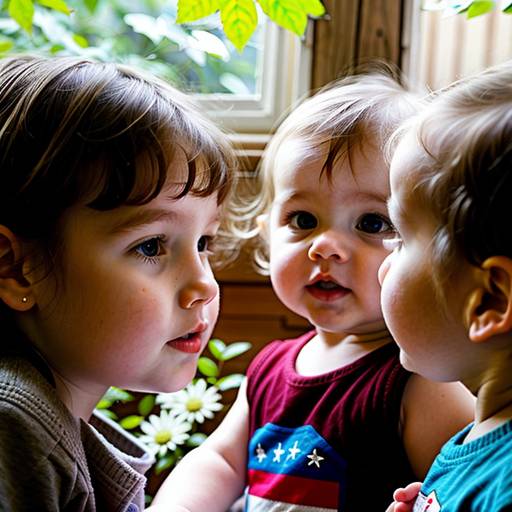
This lesson plan focuses on enhancing sensory development in infants by exploring a variety of scents. Designed for infants aged 6-12 months, the session lasts 30-45 minutes and includes engaging activities that promote interaction and sensory awareness.
The plan begins with an introduction that highlights the importance of smell in sensory development. Participants then rotate through sensory exploration stations featuring safe, scented items such as vanilla, lemon zest, and lavender. Caregivers guide infants as they smell and, when appropriate, touch or taste the scents, encouraging reactions and observations.
An interactive scent guessing game follows, allowing infants to experience scents blindfolded or with closed eyes, fostering engagement and expression. This is complemented by a creative collage activity where infants can explore scents through art materials, combining visual and olfactory experiences.
The session concludes with a group discussion where caregivers share their infants' scent preferences and reactions. The lesson is designed to encourage ongoing sensory exploration at home while ensuring a safe and enjoyable experience for all participants. Caregivers are reminded to monitor for any potential allergens.

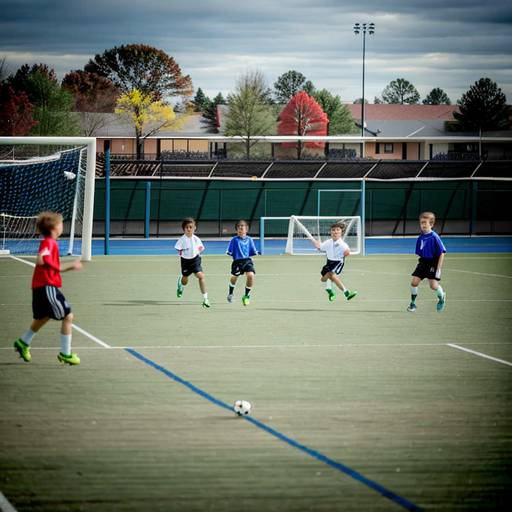
This 2nd-grade physical education lesson focuses on introducing students to the fundamental skills of soccer, including dribbling, passing, and shooting, while emphasizing teamwork and sportsmanship. The lesson starts with a brief discussion about soccer and its basic rules, followed by a warm-up consisting of light jogging and dynamic stretches.
Students will engage in a series of drills where they will navigate a dribbling course, practice passing with a partner, and take turns shooting at small goals. After skill development, the class will be divided into two teams for a short mini soccer game, allowing students to apply their skills in a fun, game-like setting.
To conclude, a cool-down session will incorporate slow walking and static stretching to help lower heart rates and relax muscles. Students will reflect on what they enjoyed during the lesson, fostering a positive and inclusive environment. The lesson encourages active participation, skill development, and collaboration among students.
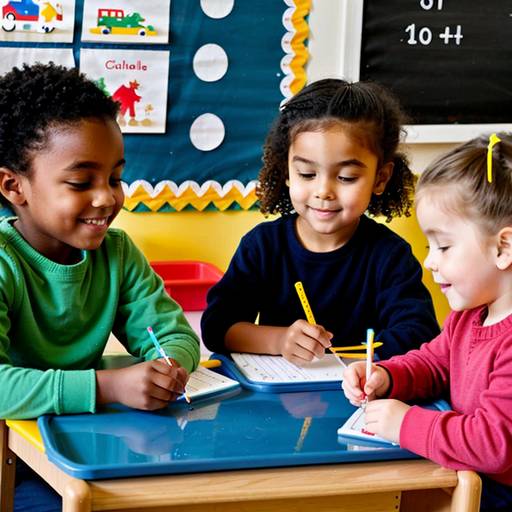
In this Preschool Language Arts lesson, students will engage in activities that promote writing skills through expression and creativity. The session begins with a discussion on the importance of writing, followed by an interactive read-aloud of a visually engaging picture book that encourages imagination. After the story, students will create their own "scribble stories" by drawing pictures that convey a narrative, utilizing lines, shapes, and recognized letters. They will also incorporate relevant word cards into their drawings.
Following the creation of their scribble stories, students will present their artwork to the class, fostering public speaking skills and peer interaction. The lesson concludes with a reflection on the activity and a possible optional journal writing component if time permits. Throughout the lesson, the teacher will observe participation, creativity, and the students' ability to articulate their thoughts, ensuring a supportive and engaging environment for developing writing skills. Finally, follow-up activities will reinforce letter recognition and provide further opportunities for writing practice.

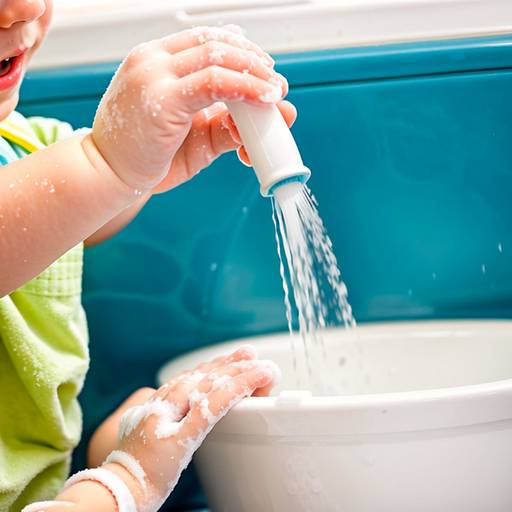
This lesson plan focuses on teaching toddlers the importance of hand washing as a key aspect of hygiene and self-care. The activities begin with a discussion about why hand washing is essential, followed by a story that reinforces the concepts being taught. A demonstration visually illustrates the proper steps for washing hands, highlighting the recommended duration through a catchy song.
To enhance understanding, children participate in a fun experiment using glitter to represent germs, allowing them to see how easily germs can spread and the effectiveness of proper hand washing techniques. The lesson also includes a craft activity where children create their own hand washing charts, reinforcing their learning in a creative way.
Throughout the session, educators monitor engagement and understanding, while encouraging children to share when they will wash their hands next. The plan aims to build healthy habits in a fun, interactive environment, ensuring that children grasp the importance of maintaining cleanliness through effective hand washing practices.

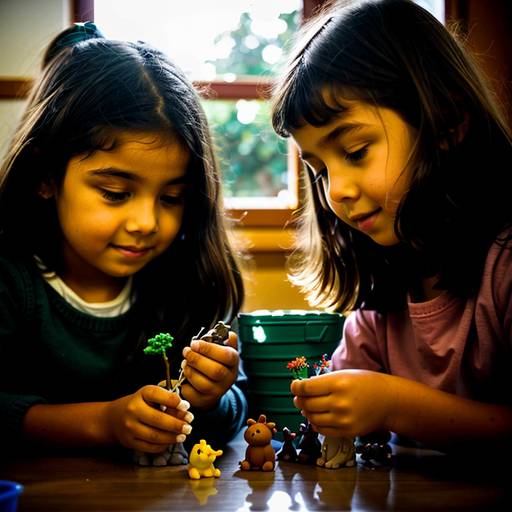
This preschool art lesson encourages young children to explore the concept of sculpture through hands-on clay modeling. The session begins with an introduction to what sculpture is, followed by a demonstration on how to create simple animal shapes using air-dry or self-hardening clay and various natural materials. Children are provided with clay and tools to mold their own animal sculptures, promoting creativity and fine motor skills. Throughout the activity, they are encouraged to incorporate natural items like leaves and twigs to enhance their creations. After sculpting, a cleanup period allows for discussion and sharing, where each child presents their animal and the materials used. The lesson can be extended with a follow-up session for painting the dried sculptures. Overall, this lesson fosters artistic expression, cooperation, and an appreciation for three-dimensional art.

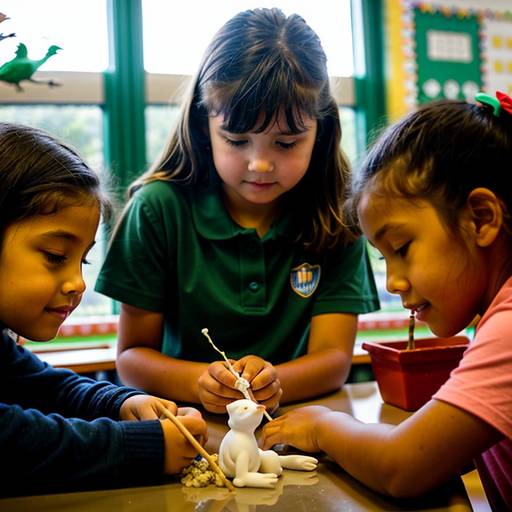
In this 1st-grade art lesson, students will explore the concept of sculpture by creating their own animal figures using air-dry clay. The lesson begins with a discussion about different art forms, emphasizing the three-dimensional aspect of sculpture. Students will have the opportunity to observe sample animal sculptures and share their favorite animals.
Following the introduction, students will learn sculpting techniques, including rolling clay into various shapes and using tools to add texture and detail. They will then engage in a hands-on activity where they will mold their chosen animal sculptures, allowing for individual creativity and expression.
Once their sculptures are complete, students will present their work to the class, sharing insights about their creative process and the characteristics of their animals. The lesson will conclude with a classroom cleanup and a brief discussion about future opportunities for decorating their sculptures with paint.
Assessment will focus on students' ability to manipulate the clay, their creativity, and their understanding of the sculpting process. Extension activities may include creating a classroom exhibit to showcase the sculptures and writing short stories or fact sheets related to the animals they created. Overall, this lesson aims to combine artistic expression with educational content about animals.